
Planting
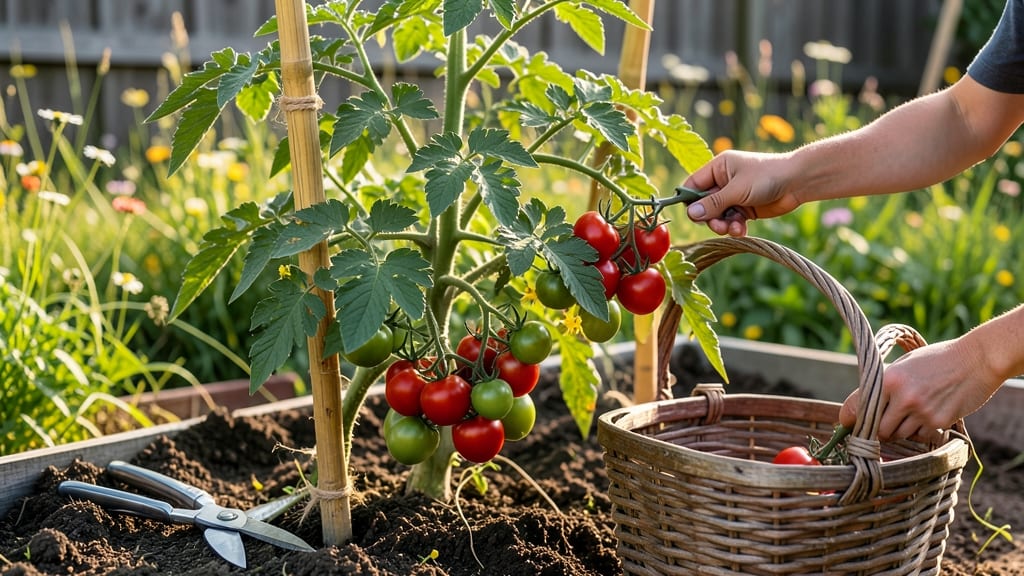
A tomato plant typically produces 20 to 30 pounds of tomatoes per season, though yields vary widely by variety—determinate types yield 6–12 pounds, while indeterminate varieties can exceed 50 pounds with proper care and pruning.
A tomato plant’s yield depends heavily on its growth habit and care. Determinate varieties—those that grow in compact bushes—produce a single, heavy harvest all at once, typically 6–12 pounds per plant.
In contrast, indeterminate types, which grow as vines, keep producing fruit all season long, often 50+ pounds if pruned and supported properly. 🌱 The right soil, consistent watering, and full sun exposure can double or even triple these numbers, making the difference between a modest harvest and a bountiful one.
For example, heirloom varieties like 'Brandywine' (indeterminate) can reach 100 pounds per plant in ideal conditions, while smaller determinate varieties like 'Roma' might yield just 5–8 pounds. Understanding your plant’s type and needs is key to maximizing your harvest—whether you’re growing for fresh eating, sauces, or canning.
💡 In This Article
- Tomato Plant Yield Factors: Variety, Size, and Growth Type
- Maximizing Tomato Harvest: Soil, Sun, and Care Tips
Tomato plant yield factors: variety, size, and growth type
The difference between a 6-pound harvest and a 100-pound bounty from a single tomato plant comes down to its genetic growth habit. Determinate varieties—like 'Celebrity' or 'Roma'—grow as compact bushes that set fruit all at once, typically producing 6–12 pounds per plant.
Their flowering cycle is synchronized, meaning they ripen simultaneously, which is great for canning but requires quick harvesting to avoid overripe fruit. 🌱
Indeterminate varieties, such as 'Sungold' or 'Beefsteak,' grow as vines that keep producing flowers and fruit all season long. These plants can yield 50–100+ pounds if properly pruned and supported, as they continuously form new blossoms.
The key difference lies in their flowering mechanism: determinate plants have a single flush of flowers, while indeterminate ones produce flowers at leaf junctions (called "leaf axils") throughout the growing season.
Plant size also plays a critical role. Larger indeterminate varieties, like 'Brandywine' or 'Cherokee Purple,' have more surface area for photosynthesis and fruit production. Their sprawling vines can reach 6–10 feet tall, requiring sturdy trellises or cages to support their weight.
Smaller determinate varieties, like 'Patio' or 'Tiny Tim,' stay under 2–3 feet tall, making them ideal for containers but limiting their overall yield potential.
Pruning is another game-changer. Indeterminate plants benefit from regular pruning to remove suckers (side shoots) and direct energy toward fruit production. Studies show that pruned indeterminate plants can yield 20–30% more than unpruned ones.
Determinate varieties, however, rarely need pruning since their bushy growth naturally limits their size. The right pruning technique—like the "open vase" method for indeterminates—can turn a 30-pound plant into a 70-pound powerhouse.
Genetics also influence yield potential. Hybrid varieties, like 'Better Boy' or 'Big Beef,' are bred for high yields and disease resistance, often producing 25–50 pounds per plant. Heirloom varieties, while prized for flavor, may yield less consistently due to their genetic diversity.
For example, 'Brandywine' is famous for its rich taste but typically yields 10–20 pounds less than a hybrid like 'Solar Fire' under the same conditions.
Finally, fruit size matters. Large-fruited varieties, like 'Arkansas Traveler' or 'Black Krim,' produce fewer but bigger tomatoes, while smaller varieties, like 'Tiny Tim' or 'Sweet 100,' pack more fruit per plant.
A 100-pound harvest of cherry tomatoes might yield 500+ individual fruits, whereas the same weight in beefsteak tomatoes could be just 10–15. 🌿