
Size
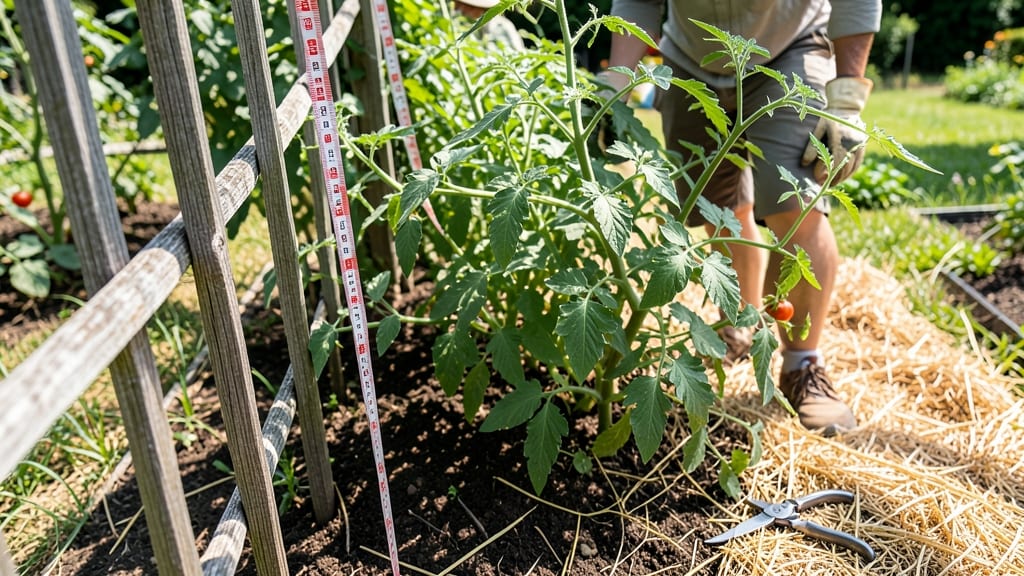
Beefsteak tomato plants grow 4 to 8 feet tall—towering giants that need the right support to thrive 🍅. If you’ve ever watched a vine spiral wildly out of control or seen neighbors struggle with flopping plants, you know how quickly things can go wrong without planning.
These aren’t your average compact tomatoes. Indeterminate varieties—like the classic Brandywine or Big Beef—keep stretching all season, while determinate types (like Mountain Merit) top out around 4 feet. Without proper stakes, cages, or trellises, even the sturdiest plants can snap under the weight of their own fruit.
Here’s the good news: with the right setup, you can grow beefsteaks in containers, small spaces, or even vertical gardens. I’ll break down height ranges by variety, the best support systems, and pruning tricks to keep your plants happy—and your harvests bountiful—no matter how much space you have.
Ready to turn those sprawling vines into a structured, productive powerhouse? Let’s dive into how to match your garden’s layout to your tomato’s growth habits.

Beefsteak tomato height ranges: variety-specific growth charts
Beefsteak tomatoes are legendary for their massive fruit size and robust growth, but their height varies dramatically depending on the variety. Some sprawl like vines, while others grow like small trees. Knowing these differences helps you choose the right support system and plan your garden layout.
Whether you’re working with a small balcony container or a sprawling backyard, understanding each variety’s growth pattern ensures you’ll have the space—and the structure—to support a bountiful harvest.
The key distinction lies between indeterminate and determinate varieties. Indeterminate beefsteaks grow continuously throughout the season, often reaching 6-10 feet without pruning. Determinate types, however, grow to a set height and produce fruit all at once.
This difference impacts everything from pruning needs to harvest timing, so let’s break down the most popular beefsteak varieties and their typical height ranges.
Pro Tip: Always check seed packets or plant tags for exact height expectations, as growing conditions (like sunlight, soil quality, and pruning) can influence final height by 20-30%.
If you’re growing Brandywine or Arkansas Traveler, expect your plants to climb like jungle vines. These indeterminate varieties can easily surpass 8 feet without intervention, making them perfect for trellises or cages that reach at least 10 feet.
I once grew a Brandywine that hit 12 feet—it was a beast! For smaller spaces, Big Beef or Cherokee Purple strike a balance, typically staying between 4-8 feet while still delivering those pound-heavy tomatoes.
Determinate varieties like Beefmaster are your best bet for container gardening or tight spaces. They top out around 3-4 feet and produce fruit in one massive flush, ideal for canning or sauces.
However, they lack the continuous harvest of indeterminate types. My Beefmaster plants always yield enough tomatoes to feed my family for weeks—just be ready for the all-at-once harvest!
Seasonal growth trends also play a role in height management. Indeterminate varieties grow fastest in early summer when days are long and warm. Without proper pruning and support, they can become top-heavy, leading to broken stems or fruit rot.
I recommend installing supports at planting time—even if your plant is small—to avoid last-minute scrambling. For determinate types, growth slows after the first fruit set, making them easier to manage once established.
One common mistake I see is assuming all beefsteak tomatoes need the same support. A 5-foot cage won’t cut it for a 10-foot Brandywine, but it’s perfect for a Big Beef.
Always match your support to the variety’s mature height and your garden’s space constraints. Pro tip: If you’re unsure, opt for a tall trellis—you can always prune back excess growth later.
For container growers, choose dwarf or semi-dwarf varieties like Sungold Beefsteak (4-5 ft) or Mountain Merit (3-4 ft). These stay compact enough for 5-gallon buckets but still produce beefy fruit.
Just ensure your container has drainage holes and you’re using a lightweight potting mix—heavy containers can tip over as plants mature.
🌱
Support systems for tall beefsteak tomatoes: cages vs. trellises vs. stakes
Beefsteak tomatoes can grow 4 to 8 feet tall, depending on the variety and growing conditions. Without proper support, their heavy vines and large fruit can break or sprawl uncontrollably.
Choosing the right support system isn’t just about height—it’s about harvest accessibility, disease prevention, and plant health. Let’s break down the best options for your garden setup.
Tomato cages are the most beginner-friendly option but often fall short for beefsteak varieties. A 5-foot cage might work for smaller plants, but most beefsteaks will outgrow it by mid-season.
Trellises and stakes, on the other hand, offer more flexibility and durability, but they require more effort to install and maintain. Your choice should align with your space constraints, time commitment, and harvest goals.
- Easy to install
- Good for small spaces
- No tying required
- Often too small for beefsteaks
- Can collapse under weight
- Limited airflow
- Maximizes vertical space
- Improves airflow and sunlight
- Durable for tall varieties
- Requires tying and pruning
- More expensive upfront
- Needs sturdy installation
- Simple and affordable
- Good for single plants
- Easy to customize height
- Limited support for heavy fruit
- Requires frequent tying
- Not ideal for windy areas
For indeterminate beefsteak varieties like Brandywine or Cherokee Purple, a 7-8 foot trellis is often the best choice. It allows the plant to grow vertically while keeping fruit off the ground, reducing disease risk.
If you’re short on space, a horizontal trellis can work well in containers or small gardens, but ensure it’s at least 5 feet tall to accommodate mature plants.
If you prefer a low-maintenance approach, consider using multiple bamboo stakes (4-6 feet tall) tied together with soft plant ties. This setup mimics a cage but offers better airflow and can be adjusted as the plant grows.
For container gardening, a sturdy 5-gallon bucket trellis or a DIY wire cage wrapped in chicken wire can provide adequate support without taking up extra space.
Remember, the key to a successful support system is early installation. Wait until your beefsteak tomato is 12-18 inches tall before adding support, and always use soft ties to avoid damaging the stem. With the right setup, you’ll enjoy easier harvesting, healthier plants, and bigger tomatoes all season long.
Pro tip: Combine supports for extra stability. For example, use a trellis for vertical growth and add a stake at the base to prevent toppling in windy conditions. Your beefsteak tomatoes will thank you with a bountiful, disease-free harvest! 🌱