
Watering
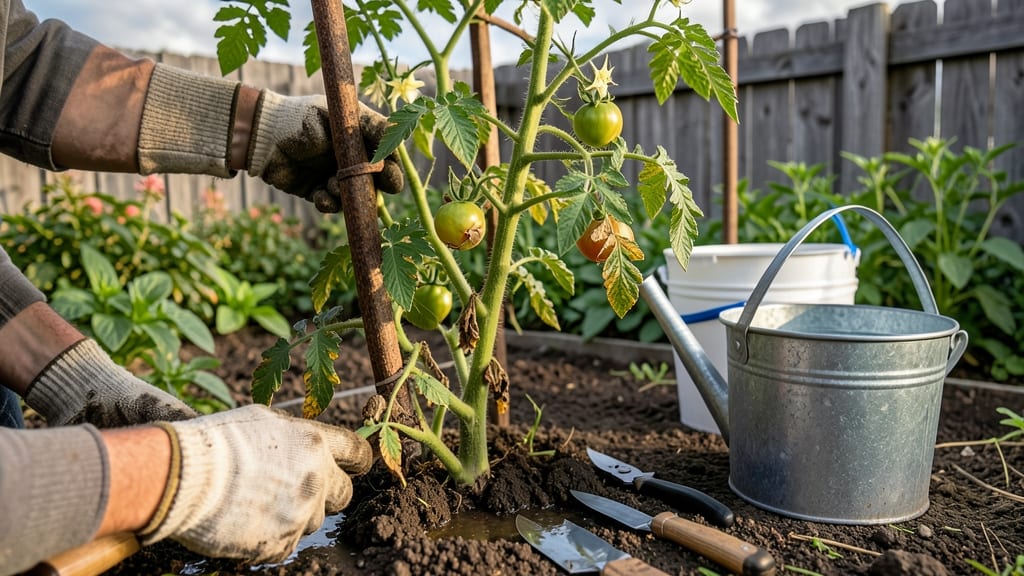
Overwatered tomato plants can look like they’re drowning—yellow leaves, limp stems, and roots struggling for air. 🌱 I’ve saved dozens of plants from this exact situation, and the fix isn’t as scary as it seems.
The key is acting fast to dry out the roots, improve drainage, and give your tomatoes a fighting chance to bounce back.
First, stop watering immediately and let the soil dry out. If the roots are mushy or black (root rot), trim away the affected parts with clean pruners. Then, repot the plant in fresh, well-draining soil mixed with perlite or sand to help water flow away from the roots.
This step alone can turn a dying plant around in just a few days.
You’ll notice new growth within 1-2 weeks if the roots are still salvageable. Keep the soil lightly moist but never soggy, and prune any yellow or wilted leaves to redirect energy to recovery.
The goal is to mimic natural conditions—tomatoes hate sitting in water but thrive with consistent moisture, not drowning.
Prevent future overwatering by checking soil moisture with your finger before watering, and always use containers with drainage holes. If your plant keeps struggling, it might need a more drastic soil upgrade or a move to a sunnier spot.
Most cases improve with these steps, but if the stems are hollow or the plant won’t recover after a week, it’s time to start fresh.
Root Causes Of Tomato Plant Overwatering
Tomato plants are resilient, but too much water can quickly turn your thriving garden into a soggy mess. Understanding why this happens is the first step to preventing it—and saving your plants. Here’s a breakdown of the key factors that lead to overwatering, explained in simple terms with actionable insights.
If your soil holds water like a sponge, roots suffocate from lack of oxygen. This is especially true in clay-heavy or compacted soils, where water pools instead of draining. Without proper aeration, roots can’t absorb nutrients or breathe, leading to:
- Root rot (fungal infections like Phytophthora or Pythium)
- Yellowing leaves (chlorosis) from nutrient starvation
- Stunted growth due to anaerobic (oxygen-free) conditions
Actionable fix: Test your soil’s drainage by digging a 6-inch hole, filling it with water, and timing how long it takes to drain. If it takes more than 4 hours, amend with compost, perlite, or coarse sand to improve airflow.
Tomatoes thrive on consistency, not excess. When you water too frequently or in large volumes, the soil never dries out enough between sessions. This triggers:
- Weak root systems that rely on surface moisture instead of deep growth
- Blossom-end rot (calcium deficiency from uneven water uptake)
- Fungal diseases (like early blight) that love damp foliage
Actionable fix: Water deeply 1–2 times per week (depending on climate) rather than light daily sprinkles. Use a moisture meter or the finger test (insert your finger 2 inches into soil—if damp, wait to water).
Automatic sprinklers, drip lines, or even well-meaning hose streams can drench tomato plants—especially if they’re not adjusted for root zone saturation. Common mistakes include:
- Watering foliage (leads to fungal spores)
- Using high-pressure sprinklers that disrupt soil structure
- Ignoring weather conditions (e.g., watering after rain)
Actionable fix: Switch to soaker hoses or drip irrigation placed at the base of plants. Avoid overhead watering, and adjust for rainfall—most tomatoes need 1–1.5 inches of water per week (including rain).
Potted tomatoes dry out faster than in-ground plants, but overwatering is just as deadly. Containers lack natural drainage and can trap excess moisture, causing:
- Root-bound stress from compacted soil
- Salinity buildup (mineral salts from tap water)
- Slow evaporation in shaded or cool conditions
Actionable fix: Use pots with drainage holes and terracotta or fabric grow bags (which dry out quicker). Water only when the top inch of soil is dry, and flush containers monthly with water to prevent salt buildup.
Now that you know the root causes (pun intended), you’re ready to diagnose and fix overwatered tomatoes before it’s too late. Next up: 3 simple steps to revive your plants.
Revive Your Tomatoes Now
Overwatered tomato plants can feel like a gardening disaster, but don’t toss those soggy leaves just yet! With the right steps, you can nurse your plants back to health and even prevent future watering mishaps.
Below, we’ll break down practical fixes tailored to the root causes of overwatering—so you can act fast and get growing again.
The first rule of fixing overwatered tomatoes? Cut off the excess water ASAP. Keep these tips in mind: - Pause watering for 2–3 days to let the soil dry out slightly.
This gives roots a chance to recover from being waterlogged. - Check soil moisture by sticking your finger 1–2 inches deep.
If it’s damp, wait longer before watering again. - Avoid wetting foliage—use drip irrigation or water at the base to prevent fungal diseases (like blight) that thrive in wet leaves.
> 💡 Pro Tip: If your plants are in containers, lift the pot to gauge weight. A soggy pot is a red flag—drain excess water immediately.
Poor drainage is often the villain behind overwatered plants. Here’s how to fix it: - Repot if needed: If your tomatoes are in containers with no drainage holes, transfer them to a pot with holes today.
Use a mix of 50% potting soil + 50% perlite or coarse sand to boost aeration. - Add organic matter: Amend heavy or compacted garden soil with compost or coconut coir to improve water absorption and drainage. - Raise containers: If repotting isn’t an option, place pots on elevated stands or bricks to encourage excess water runoff.
> ✨ Prevention Hack: Mulch around the base of your plants with straw or wood chips to slow evaporation and keep roots from sitting in wet soil.
Overwatered tomatoes often show yellowing leaves, wilting stems, or blossom end rot.
Trim the damage to redirect energy: - Remove lower leaves (up to 6 inches from the soil) to improve airflow and prevent rot. - Prune suckers (the small shoots between stems and leaves) to reduce stress on the plant. - Stake or cage weak stems to prevent them from snapping under the weight of overwatered, heavy fruit.
> 🌡️ Temperature Check: If your garden is too cool (below 60°F), overwatering worsens stress. Use a row cover or move potted plants to a warmer spot.
Now that your plant is stable, rewrite your watering rules to avoid repeating mistakes: - Water deeply but infrequently: Aim for 1–1.5 inches per week (including rain), delivered in morning sessions to reduce evaporation. - Use the “finger test”: Stick your finger in the soil—if the top 2 inches are dry, it’s time to water.
If not, wait. - Monitor weather: Adjust watering based on rainfall, humidity, and heat. Hot days? Water more. Cloudy days? Hold off.
> 🎯 Golden Rule: Never let tomatoes sit in standing water. Always ensure pots have drainage, and garden beds slope slightly away from the plant.
- Upgrade your soil: Test soil pH (ideal: 6.0–6.8) and add gypsum if it’s clay-heavy.
- Invest in moisture meters: These gadgets take the guesswork out of watering.
- Rotate crops: Avoid planting tomatoes in the same spot yearly to prevent soil compaction.
- Choose drought-tolerant varieties: If you struggle with watering, try ‘Solar Fire’ or ‘Mountain Merit’ tomatoes—they handle fluctuations better.
With these steps, your overwatered tomatoes should bounce back in 1–2 weeks, and your future harvests will thank you! 🍅💦 Now go give those plants some TLC—they’re counting on you.
Frequently asked questions
How quickly can I expect to see improvement in my overwatered tomato plants?
With proper care, you should notice new growth within 1-2 weeks. The first signs of recovery are usually firmer stems and slightly less yellowing. If the roots were only mildly affected, leaves may start regaining color within 3-5 days after you stop watering and improve drainage.
What should I do if my tomato plant's stems feel mushy or hollow?
This is a sign of severe root rot. Trim away all mushy stems and blackened roots with clean pruners, then repot in fresh, sterile soil with 50% perlite. If more than 50% of the root system is damaged, the plant may not recover. Consider starting fresh with a healthy cutting if possible.
Can I still save my tomatoes if the leaves are completely yellow and crispy?
It depends on the roots. If the stems are still firm and the plant hasn't collapsed entirely, there's hope! Remove all crispy leaves and adjust your watering immediately. Focus on saving the root system first - healthy roots can regrow new leaves. If the stems are hollow or the plant falls over easily, it's likely too late.
Is it better to use distilled water or regular tap water for recovering tomato plants?
Distilled water is ideal because it's free of minerals that can build up in the soil and cause salinity problems. However, if you only have tap water, let it sit out for 24 hours first to allow chlorine to evaporate. For potted plants, flush the soil monthly with water to prevent salt buildup.
How can I tell if my tomato plant is truly overwatered vs. just wilting from heat stress?
Overwatered plants have yellowing leaves (especially lower ones), soggy soil, and often a musty smell at the base. Heat-stressed plants have dry soil, drooping leaves that recover at night, and may show sunburnt patches on upper leaves. Check soil moisture first - if it's damp, it's overwatering.