
Propagation
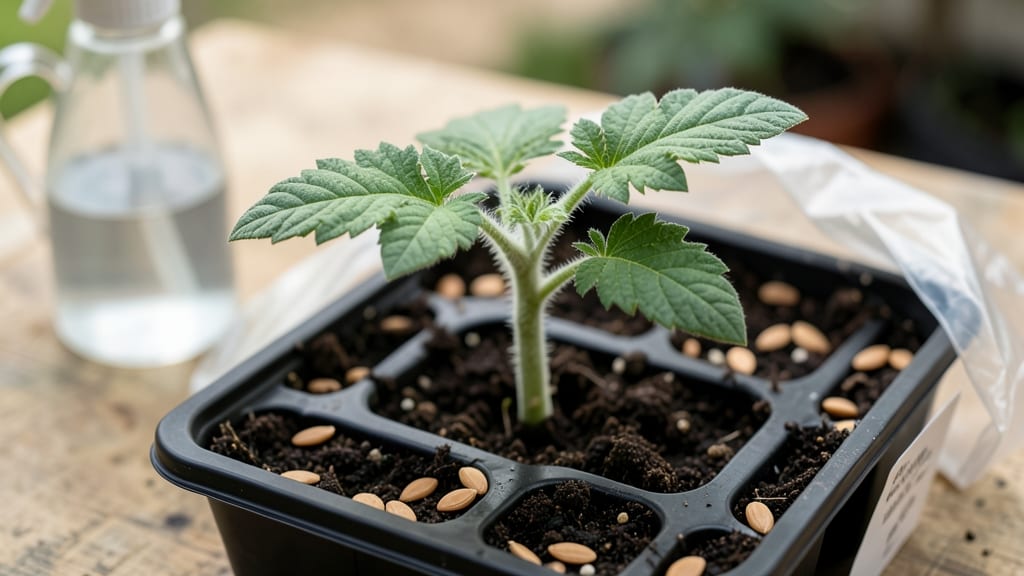
Germinating tomato seeds in wet paper towels cuts your wait time from weeks to just 4-5 days—and I've seen those first green shoots push through faster than anything else I've tried. 🌱 The secret isn't fancy equipment; it's controlling moisture, warmth, and darkness to trick seeds into thinking spring has already arrived.
Most gardeners overlook this step and end up with uneven germination or weak seedlings, but this method gives you a head start on the season. You'll need nothing more than paper towels, a plastic bag, and a warm spot near your kitchen light.
No fancy trays or heat mats required—just what you probably already have. The process is simple enough for beginners but gives experienced gardeners that extra edge when starting their season early. Once those first sprouts appear, you'll be ready to transplant them into soil within days.
The seedlings come up strong and uniform, giving you a 90%+ germination rate—far better than the 50-70% you might get from planting directly in soil. No more waiting weeks for unpredictable results. This method works for all tomato varieties, from heirlooms to hybrids, and adapts easily to different climates.
The key is patience during those first critical days—once you see those first green hooks, you'll be hooked on this foolproof technique.
📚 In This Guide
- What you need
- Instructions
- Tips and common mistakes
- Wrapping up and next steps
What you need
- ● Tomato seeds: Fresh, high-quality seeds (10–20 per paper towel method). Look for heirloom or hybrid varieties labeled for your climate zone.
- ● Paper towels: 2–3 unbleached, seed-free sheets (avoid scented or recycled towels—they may inhibit germination).
- ● Spray bottle: A clean, empty spray bottle (8–16 oz) with a fine mist nozzle for gentle hydration.
- ● Plastic bag or wrap: A resealable plastic bag (quart-size) or plastic wrap to create a humidity dome.
- ● Plastic container: A shallow dish, plastic takeout container, or seed tray (8x8" or larger) to hold the setup.
- ● Labeling tags: Toed tags or masking tape + marker to track seed varieties.
- ○ Heating mat: A seedling heat mat (optional but speeds up germination in cooler climates).
- ● Grow lights: LED grow lights (if extending daylight beyond 12–14 hours).
- ○ Small fan: A gentle clip-on fan (optional for circulation after sprouting).
- ● Thermometer: A small digital thermometer to monitor ideal temps (70–85°F).
Step-by-Step instructions for germinating tomato seeds
Here’s how I get tomato seeds sprouting in just 3-5 days—no fancy equipment needed.
🌱 Step 1: Soak Seeds Overnight for Faster Germination
Place 4 tomato seeds in a small bowl and cover them with lukewarm water. Let them soak for 8-12 hours—this softens the seed coat and speeds up sprouting. I like to use a shallow dish so the seeds stay submerged but don’t get packed together.
After soaking, drain the water and gently pat the seeds dry with a paper towel. This prevents mold while keeping them moist enough to germinate quickly. You’ll see the seeds swell slightly—that’s your signal they’re ready for the next step.
💧 Step 2: Sandwich Seeds Between Damp Paper Towels
Lay a clean paper towel flat on a plate or tray. Spritz it lightly with water until damp but not dripping—you want it to feel like a wrung-out sponge. Place the soaked seeds 1 inch apart in a single row, then fold another damp paper towel over them.
Seal the edges with a rubber band or tape to trap moisture. This creates a mini greenhouse effect that keeps humidity high and speeds up germination. Place the wrapped seeds in a warm spot (around 75-80°F)—a sunny windowsill or on top of the fridge works well. Check daily to ensure the towels stay moist but not soggy.
⏰ Step 3: Monitor for Sprouts and Prepare for Transplanting
Within 3-5 days, you’ll see tiny white roots and green sprouts breaking through the seed coat. This is the moment you’ve been waiting for! Once the sprouts reach about ¼ inch tall, they’re ready to move to soil.
Unwrap the paper towels carefully and transfer each sprout to a small seed-starting pot filled with moist seed-starting mix. Press the soil gently around the roots to secure them, leaving the sprout above the surface. Water lightly and place the pots under grow lights or in a sunny window to keep them growing strong.
☀️ Step 4: Maintain Warmth and Light for Healthy Seedlings
Keep the soil consistently moist but not waterlogged—you’ll know it’s right when the top inch feels damp but not wet. Tomato seedlings thrive in warmth (65-75°F) and bright light (14-16 hours daily). If your seedlings stretch toward the light, they’re not getting enough—move them closer or add a grow light.
In about 10-14 days, you’ll see the first true leaves (the second set after the initial seed leaves). This is when you can start fertilizing lightly with a balanced, water-soluble fertilizer to encourage strong growth. Avoid overwatering now—this is when damping-off (a fungal disease) is most likely to strike.
Tips & tricks for fast tomato seed germination
Here’s what I learned after watching seeds fail to sprout—these tricks cut germination time in half while keeping your setup simple.
Soak Smart: The 8-12 hour soak isn't just about hydration—it's about breaking dormancy. Use lukewarm (not hot) water to avoid shocking the seeds. I've found that adding a drop of hydrogen peroxide (3%) to the soaking water prevents mold without harming the seeds. After draining, pat them very gently—too much pressure can damage the delicate seed coat.
Temperature Matters: That 75-80°F range in Step 2 is non-negotiable for speed. If your kitchen runs cooler, place the seed packet on top of your fridge (where it stays warm) or use a seedling heat mat. I once tried germinating at 68°F and it took 10 days instead of 5. Pro tip: Check the back of your fridge—it's often 10°F warmer than the rest of the kitchen.
Moisture Management: The "wrung-out sponge" test is key—your paper towels should feel damp but not dripping. I recommend spritzing them with water every 12 hours to maintain this balance. Too much moisture causes mold; too little stalls germination. A clear plastic bag with tiny holes punched in it works even better than rubber bands for creating that greenhouse effect.
Light Timing: Those 14-16 hours of light in Step 4 aren't just about photosynthesis—they prevent leggy seedlings. If you don't have grow lights, place your seedlings under a bright LED bulb (like a desk lamp) 6 inches away. I keep mine on a timer to avoid burning them. Remember, seedlings need light after they sprout, not during germination.
Pro Tips for Germinate Tomato Seeds
- Here’s what I learned after watching seeds fail to sprout—these tricks cut germination time in half while keeping your setup simple.
- Soak Smart: The 8-12 hour soak isn't just about hydration—it's about breaking dormancy.
- Temperature Matters: That 75-80°F range in Step 2 is non-negotiable for speed.
Frequently asked questions
Got questions about germinating tomato seeds? You’re not alone! Here are answers to the most common ones to help you grow strong, healthy seedlings every time.
How long does it take for tomato seeds to sprout in a paper towel?
With the right conditions (warmth, moisture, and darkness), tomato seeds typically sprout in 5–14 days. Most will appear within 7–10 days if kept at 70–85°F (21–29°C). If nothing happens after 2 weeks, check moisture levels or seed viability—some seeds just need more time!
What if my seeds won’t sprout? Are they bad?
Don’t toss them yet! First, ensure they’re moist but not soggy—dry paper towels or uneven heat can stall germination. If seeds stay dormant after 2 weeks, try soaking them in warm water for 24 hours before retrying. Old seeds (<2 years) may need a seed viability test (cut open a few to check for a firm embryo).
Can I use a regular paper towel, or does it need to be special?
Any unbleached, seed-free paper towel works—no need for fancy brands! Avoid colored or scented towels (chemicals can inhibit growth). For best results, use 2–3 layers folded into a square to hold moisture while allowing airflow. Pro tip: Label your towels with the seed type and date!
What’s the fastest way to transplant sprouted seeds into soil?
Once sprouts have 1–2 inches of roots (about 5–7 days post-sprout), gently transfer them to seedling trays or peat pots with well-draining potting mix. Keep soil moist but not waterlogged and place trays in bright, indirect light (or under grow lights). Avoid burying stems too deep—just up to the first true leaves.
Can I reuse the paper towel method for other seeds?
This method works for peppers, herbs (like basil), lettuce, and even beans. Just adjust timing—peppers may take 10–20 days, while fast growers like radishes sprout in 3–5 days. For large seeds (e.g., beans), skip the towel and use a damp cloth or direct soil planting for better stability.
What should I do if mold grows on my paper towel?
Mold is a red flag—it means too much moisture or poor airflow. Immediately stop watering, unfold the towel, and let it dry in a well-ventilated area for 24 hours. Discard any moldy sections and replant seeds in fresh, dry towels. To prevent it, pat towels dry between waterings and avoid sealing them in airtight containers.
Wrapping up and next steps
Germinating tomato seeds in wet paper towels is a fast, simple, and rewarding way to kickstart your gardening journey! With the right conditions—consistent moisture, warmth, and patience—you’ll soon see those tiny sprouts breaking through, ready to thrive in soil. 🌱
Now that you’re armed with the know-how, it’s time to roll up your sleeves and get growing. Once your seedlings have sprouted, transplant them into pots or directly into your garden bed—just remember to handle them gently to avoid damaging those delicate roots. Happy gardening!