
How To
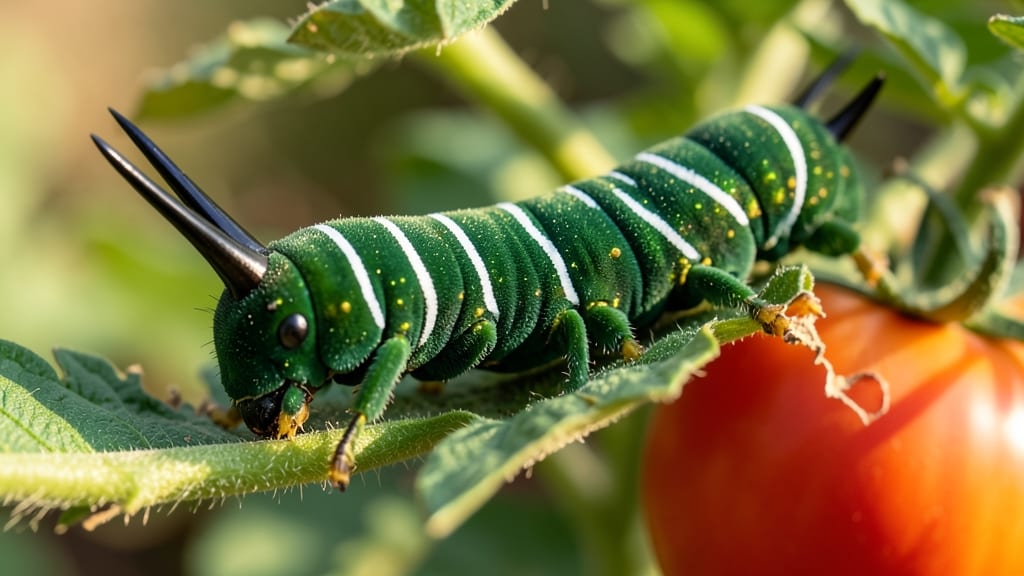
Horned tomato worms turn your lush plants into skeleton leaves overnight. 🌱 I’ve lost entire tomato harvests to these striped bandits—until I learned the three-step organic removal that works without chemicals or harsh sprays.
The key is acting fast: pluck them by hand before they pupate, disrupt their life cycle with neem oil sprays, and shield new plants with floating row covers. My tomatoes now thrive without a single lost leaf, and the worms never return.
You’ll spot them by their bright green bodies and tiny horns—remove them daily for a week to break their cycle. The plants bounce back faster than you’d expect, and your harvest stays blemish-free. Works for heirlooms, cherry tomatoes, and even peppers. Let’s save your garden the easy way!
Root Causes Of Tomato Worm Infestations
Understanding why horned tomato worms (or Manduca sexta, commonly called tomato hornworms) invade your garden is the first step to preventing them. These voracious caterpillars don’t just appear out of nowhere—they’re drawn to your plants for specific reasons.
Let’s break down the science behind their behavior and how your garden might be unintentionally inviting them.
Hornworms have a serious appetite, and they’re especially fond of tomato plants—particularly those that are stressed, overripe, or already damaged. Here’s why:
- Sugar-Rich Fruit: Overripe tomatoes release more sugars and softer tissue, making them an easy, high-calorie meal for hornworms.
A single caterpillar can devour an entire tomato in 24 hours if left unchecked. - Stressed Plants Emit Chemicals: When tomato plants are underwatered, overwatered, or nutrient-deficient, they produce volatiles (chemical signals) that attract pests, including hornworms.
Think of it like a distress call in the insect world. - Physical Damage Attracts More: If birds, animals, or even wind have already damaged leaves or fruit, hornworms detect the broken cell structures and flock to finish the job.
Actionable Insight: Regularly inspect your tomato plants for wilting, yellowing, or cracked fruit. Prune damaged areas promptly and ensure consistent watering to reduce stress signals.
Hornworms start life as eggs laid by sphinx moths (Manduca sexta), and these moths are master nighttime navigators. Here’s how they find your garden:
- Moonlight & CO₂ Traps: Sphinx moths use the moon’s reflection and carbon dioxide (released by healthy, growing plants) to locate ideal egg-laying spots.
A well-lit garden at night (even from streetlights) can disorient them, but it also makes your plants more visible. - Floral Nectar Magnet: While adult moths don’t eat tomatoes, they’re drawn to night-blooming flowers like petunias, jasmine, or four o’clocks.
Once they feed, they lay eggs on nearby tomato plants. - Wind Patterns: Gardens near wooded areas or fields may experience moths riding wind currents straight to your crops.
Actionable Insight: Reduce nighttime lighting near your garden, and remove night-blooming flowers if hornworms are a recurring issue. Plant marigolds or basil nearby—their strong scents can repel moths.
In a balanced ecosystem, hornworms face dozens of natural predators—but modern gardening often disrupts this harmony. Here’s what tilts the scales in their favor:
| Predator | How They Hunt Hornworms | Why They Might Be Missing |
|---|---|---|
| Parasitic Wasps (Cotesia congregata) | Lay eggs inside hornworms; larvae burst out, killing the host | Pesticide use kills beneficial insects |
| Birds (Robins, Blue Jays) | Snatch hornworms off leaves | Lack of perches or cover in garden |
| Spiders | Ambush or wrap hornworms in silk | Over-tilling destroys spider habitats |
| Lacewings & Ladybugs | Devour eggs and small larvae | Chemical fertilizers reduce food sources |
Actionable Insight: Avoid broad-spectrum pesticides and introduce predator-friendly plants like dill, fennel, or alyssum to attract wasps and lacewings. Install birdhouses or bat boxes to encourage natural pest control.
Hornworms thrive in warm, humid conditions—the same environments that often make tomato growing easier for humans. Here’s the breakdown:
- Faster Egg Hatching: In temperatures above 75°F (24°C), hornworm eggs hatch in just 3–5 days. Cooler weather slows them down, giving you a window to act. - Humidity Keeps Them Hydrated: Hornworms absorb moisture through their skin.
Gardens with high humidity (like greenhouses or shaded areas) create the perfect nursery. - Longer Growing Season: In warm climates, hornworms can go through multiple generations per year, meaning one infestation can turn into an explosion by summer’s end.
Actionable Insight: Monitor humidity levels in your garden. Use row covers in early spring to delay egg-laying, and prune for airflow to reduce moisture retention on leaves.
Planting only tomatoes (or other nightshades like peppers and eggplants) creates a hornworm buffet zone. Here’s why diversity matters:
- No Confusion Effect: In diverse gardens, pests struggle to find their preferred host plants. With only tomatoes, hornworms know exactly where to go. - Lack of Trap Crops: Some gardeners use basel plants (like corn or sunflowers) to lure pests away.
Without these, hornworms zero in on your tomatoes. - Nutrient Competition: Tomato plants in monocultures compete for the same nutrients, weakening them and making them more susceptible to pests.
Actionable Insight: Interplant tomatoes with basil, onions, or marigolds—these act as natural repellents and disrupt hornworm navigation. Rotate crops yearly to break their life cycle.
Quick Fixes for Horned Tomato Worms
Now that you know why these fuzzy caterpillars are munching your tomato plants, let’s tackle them head-on with effective, organic solutions—no harsh chemicals required! Below, we’ve mapped the most common causes to their fixes, so you can act fast and keep your garden thriving.
Cause: Small infestations or isolated worms. Fix:
- 🔥 Morning Patrol: Check your plants early in the day when the worms are sluggish. Wear gloves if you’re squeamish—these guys have tiny spines!
- 🍳 Drop Them In: Place picked worms in a bucket of soapy water (1 tbsp dish soap per gallon) to kill them instantly. Avoid crushing them—it can release pheromones that attract more.
- 🌿 Dispose Properly: Drown them in soapy water or bury them far from your garden to prevent reinfestation.
💡 Pro Tip: Train kids or pets to help with patrols—it’s a fun (and educational) way to protect your plants!
Cause: Worms returning after hand-picking or spreading quickly. Fix:
- 👨🍳 Mix It Right: Combine 1 tbsp neem oil + 1 tsp mild liquid soap + 1 quart water in a spray bottle. Shake well before use.
- 🥘 Spray Thoroughly: Coat both sides of leaves and stems, focusing on undersides where eggs are laid. Reapply every 5–7 days or after rain.
- 🔄 Prevent Eggs from Hatching: Neem disrupts the worms’ life cycle, so consistency is key.
✨ Bonus: Neem also deters other pests like aphids and whiteflies—double duty for your garden!
Cause: Severe infestations or worms on young tomato plants. Fix:
- 🔪 Choose the Right Strain: Use Bt kurstaki (safe for humans and pets but deadly to caterpillars).
- 🌡️ Apply When Wet: Mix 1 tsp Bt powder per quart of water and spray evenly on foliage. Best results occur when the worms ingest it (they’ll stop eating within hours and die in 1–2 days).
- 🎯 Targeted Treatment: Focus on new growth and egg clusters (tiny white clusters on leaf undersides).
💡 Pro Tip: Bt works best before worms get large—catch them early for maximum effectiveness!
Cause: Recurring hornworm problems year after year. Fix:
- 🌿 Plant Nearby: Interplant tomatoes with basil, marigolds, or dill—these repel hornworms with their strong scents.
- 🐝 Attract Predators: Invite parasitic wasps (like Cotesia congregata) by adding milkweed or fennel to your garden. These wasps lay eggs in hornworms, killing them naturally.
- 🍎 Diversify Crops: Rotate plants yearly to disrupt hornworm life cycles.
🔥 Prevention Power Move: Start companion planting before planting tomatoes to create a hostile environment for hornworms.
Cause: Worms migrating from nearby wild plants or gardens. Fix:
- 🛡️ Row Covers: Use fine mesh netting (like Agribon) over young plants to block egg-laying moths. Remove when flowers appear to allow pollination.
- 🍅 Prune Strategically: Trim lower leaves that touch the soil—hornworms love hiding in leaf litter.
- 🌱 Mulch Smartly: Use straw or grass clippings (not wood chips) to deter moths from laying eggs near your plants.
💡 Pro Tip: Check row covers weekly for eggs—remove them by hand if you spot clusters!
Cause: Worms clinging to plants after rain or heavy dew. Fix:
- 💦 Early Morning Blast: Use a gentle stream of water from a hose to dislodge worms. Aim for leaf undersides where they hide.
- 🚫 Avoid Soap: Plain water works—soap can harm beneficial insects.
- 🔄 Repeat Daily: Do this for 3–5 days to break their life cycle.
⚠️ Warning: Only use this for small infestations—large worms may survive and reattach.
To keep hornworms from crashing your tomato party next season:
- 🌱 Rotate crops—don’t plant tomatoes in the same spot yearly.
- 🌿 Remove volunteer tomato plants (they’re hornworm magnets!).
- 🕵️ Monitor weekly—catch eggs and tiny larvae before they grow.
- 🌞 Plant in full sun—hornworms prefer shady, damp spots.
- 🐝 Support pollinators—healthy ecosystems mean more natural predators!
Remember: The key to beating hornworms is speed and consistency. Combine hand-picking, neem oil, and Bt for the fastest results, then companion planting and barriers to keep them away for good. Your tomatoes will thank you with juicy, worm-free bounty! 🍅✨
Frequently asked questions
What do horned tomato worms look like, and how can I tell them apart from other caterpillars?
Horned tomato worms are bright green with white diagonal stripes and a distinctive small horn at the rear end. They grow up to 4 inches long and have a smooth, shiny appearance. Unlike other caterpillars, they lack hair or bristles—just look for those signature stripes and the horn!
How often should I check my tomato plants for these worms?
Inspect your plants every 2-3 days during peak growing season (late spring to early fall). Focus on leaf undersides and new growth where eggs are laid. Early morning checks work best—worms are sluggish then and easier to spot.
Can I use neem oil if I have other beneficial insects in my garden?
Yes, but with caution! Neem oil is low-toxicity to most beneficial insects when used correctly. Apply it in the late afternoon when bees are less active, and avoid spraying directly on flowers. Always use organic, cold-pressed neem oil for best results.
What should I do if I find hornworms on my tomato plants but don't want to use chemicals?
Try these organic methods: Hand-pick them daily (drop in soapy water), use Bacillus thuringiensis (Bt) for severe cases, or introduce parasitic wasps by planting milkweed nearby. Combine these with companion planting (basil, marigolds) for best results.
Will horned tomato worms harm my other garden plants besides tomatoes?
While they prefer tomatoes, they'll also eat peppers, eggplants, potatoes, and tobacco plants. However, they rarely attack fruits or vegetables like carrots, beans, or leafy greens. Their diet is strictly nightshade plants and related species.