
Companion Plants
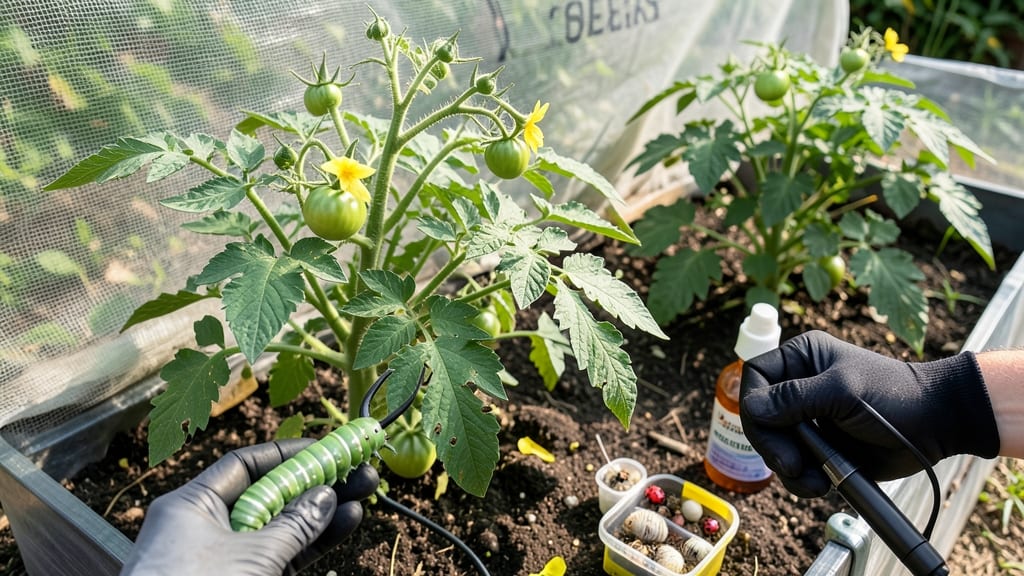
How to keep hornworms off tomato plants—before they turn your lush leaves into green skeletons. 🌱 I’ve lost entire plants to these striped munchers, but I’ve also learned how to stop them before they strike—without chemicals or drama. The key is acting fast and using the right mix of barriers, predators, and manual removal.
Start by checking your plants twice a week for those telltale green caterpillars with white stripes. If you spot them early, handpick them (yes, it’s gross but effective) and drop them in soapy water.
For bigger infestations, introduce praying mantises or parasitic wasps—nature’s cleanup crew. A row cover or floating row fabric also works wonders as a physical barrier.
Neem oil or Bacillus thuringiensis (Bt) spray can deter hornworms without harming your plants, but they’re most effective as preventative measures. The best defense? Healthy plants—strong tomatoes resist pests better, and companion plants like basil or marigolds can mask the scent of your tomatoes, making them less appealing.
This method works whether you’re growing in containers or a full garden bed. The goal is to catch hornworms before they become a full-blown problem—so keep an eye out, stay proactive, and your tomatoes will thank you with juicy, unblemished fruit all season long.
📚 In This Guide
- What you need
- Instructions
- Tips and common mistakes
- Wrapping up and next steps
What you need
- ● Gloves (1 pair): Heavy-duty gardening gloves (nitrile or leather) to protect your hands from prickly plants and pests.
- ● Pruning shears or sharp scissors (1 pair): For cleanly cutting hornworms off plants—look for bypass pruners (sharp, smooth blades) to avoid crushing the worms.
- ● Bucket or jar (1): A 1–2 gallon bucket or a wide-mouth mason jar to collect hornworms (add a lid if you’re relocating them!).
- ○ Garden twine or rubber bands (optional): To tie up plants or secure companion plants like basil or marigolds near tomatoes.
- ○ Neem oil (1–2 oz): Organic pesticide (optional but effective). Mix 1 tsp neem oil + 1 tsp mild soap + 1 quart water in a spray bottle.
- ○ Companion plants (optional): Basil (3–5 plants)
- ● Marigolds (5–10 plants)
- ● Dill or fennel (2–3 plants)
- ● Row covers (1–2): Lightweight fabric (e.g., floating row covers) to shield young tomato plants from hornworm eggs (10x10 ft or larger).
- ○ Sticky traps (optional): Yellow or blue sticky traps (2–4) to catch hornworm moths before they lay eggs.
- ○ Garden journal (optional): To track hornworm sightings and plant health—helps plan future defenses!
Step-by-Step instructions for removing hornworms from tomato plants
Here’s my foolproof method for spotting and removing these striped pests before they skeletonize your plants.
🌿 Step 1: Scout for Hornworms at Strategic Times
Check your tomato plants early morning or evening when hornworms are most visible and sluggish. These caterpillars blend into foliage, so focus on the undersides of leaves and the main stems—their favorite hiding spots. I always start at the base of the plant and work upward, since they tend to cluster near the soil.
Look for green, 3-4 inch caterpillars with white diagonal stripes and a horn-like projection at the rear. If you spot chewed leaves with only veins intact, you’re too late—remove the damaged foliage immediately and search for the culprit. A magnifying glass helps, but I’ve found my eyes work just fine with practice.
✂️ Step 2: Remove Hornworms by Hand with Precision
Grab a pair of gardening gloves and a small container (like a mason jar) with a lid. Approach the plant calmly—hornworms are slow-moving but will drop if startled. I like to use a damp paper towel or my fingers to gently coax them into the container without crushing them. Place them in a shaded outdoor location far from your garden to release them unharmed.
Don’t squish them unless absolutely necessary—hornworms are beneficial predators of other pests like aphids, and releasing them alive keeps your ecosystem balanced. If you must dispose of them, drop them in soapy water to prevent them from re-infesting nearby plants. Always check the entire plant, including the undersides of leaves and the stems, as they often hide in plain sight.
💧 Step 3: Prevent Future Infestations with Natural Deterrents
After removal, apply a neem oil spray (1 tablespoon neem oil + 1 teaspoon mild soap per quart of water) to the foliage to deter egg-laying moths. Spray early morning or late evening to avoid harming beneficial insects. I also sprinkle dried diatomaceous earth around the base of the plant—it’s non-toxic to humans but deadly to soft-bodied pests like hornworm eggs.
Encourage natural predators by planting marigolds, dill, or fennel nearby, as they attract parasitic wasps that lay eggs inside hornworms. Avoid overwatering, as damp foliage attracts the moths that lay eggs on your plants. A 1-inch layer of mulch around the base also helps by reducing soil moisture and making the environment less inviting for moths.
☀️ Step 4: Monitor and Maintain Vigilance
Inspect your tomato plants every 2-3 days during peak growing season (late spring to early summer). Hornworms grow rapidly, so early detection is key. I keep a small notebook near my garden to log sightings and treatment dates—this helps track patterns and adjust prevention methods. If you notice new damage after removal, check the plant again immediately, as moths can lay up to 2,000 eggs in a season.
Rotate your prevention methods to avoid resistance. For example, alternate between neem oil sprays and BT (Bacillus thuringiensis) spray, a natural bacteria that targets caterpillars but is harmless to humans and other wildlife. Always follow the instructions on the label for proper dilution and application timing. Consistency is key—hornworms won’t stand a chance if you stay one step ahead.
Tips & tricks for humane hornworm management
Here's what nobody tells you about making this method work smoothly—and how to avoid common pitfalls that turn your garden into a caterpillar buffet.
Timing Secret: Early morning or evening inspections are non-negotiable because that's when hornworms are sluggish and most visible. I learned this the hard way after missing a full-grown caterpillar hiding in plain sight during midday—by then, it had already skeletonized half my tomato plant. The 3-4 inch size range mentioned in Step 1 is critical: smaller ones are harder to spot, but they multiply faster. If you see any chewed leaves with just veins remaining, you've already lost that battle—act fast to salvage the rest.
Ecosystem Strategy: Remember that hornworms aren't all bad—they eat aphids! When you remove them in Step 2, consider releasing them in a different part of your garden where aphids are more problematic. I keep a small mesh bag in my garden shed for this purpose. The damp paper towel trick works wonders for gently transferring them without causing stress to the caterpillars. And if you must dispose of them, that soapy water method is actually more humane than squishing—it prevents them from re-infesting while minimizing suffering.
Prevention Upgrade: The neem oil spray in Step 3 deserves special attention—mix it fresh each time you use it. Neem oil loses effectiveness after about 24 hours, so don't make a big batch to store. For even better results, add a few drops of garlic oil to your neem mixture (this is optional but works like a charm). When sprinkling diatomaceous earth, focus on the soil surface around the base of the plant—this is where hornworm eggs are most likely to be laid. The 1-inch mulch layer acts as a double deterrent by reducing soil moisture (which moths prefer) and creating a physical barrier.
Pro Tips for Keep Hornworms Off Tomato Plants
- Here's what nobody tells you about making this method work smoothly—and how to avoid common pitfalls that turn your garden into a caterpillar buffet.
- Timing Secret: Early morning or evening inspections are non-negotiable because that's when hornworms are sluggish and most visible.
- Ecosystem Strategy: Remember that hornworms aren't all bad—they eat aphids!
Frequently asked questions
Got questions about keeping hornworms at bay? Here are some common ones—and their answers—to help you protect your tomato plants without harming the ecosystem.
What’s the best time of day to check for hornworms?
Early morning (before 9 AM) or late afternoon (after 4 PM) are ideal. Hornworms are most active during cooler temperatures and hide in foliage when it’s hot. A quick scan then ensures you spot them before they munch away!
How often should I remove hornworms from my tomato plants?
Check your plants every 2–3 days during peak hornworm season (late spring to early summer). If you’re using companion plants like basil or marigolds, you may need to monitor less frequently—but don’t skip weekly inspections if you see damage.
Will handpicking hornworms harm my garden’s balance?
Not at all! Hornworms are not essential pollinators, and removing them by hand is the most humane and eco-friendly method. Just avoid crushing them—drop them far from your garden or release them in a wooded area to let nature take its course.
Can I use neem oil or other sprays to deter hornworms?
Neem oil can help, but it’s not as effective as handpicking for hornworms. Sprays may repel them temporarily, but hornworms often return. For best results, combine neem oil with regular inspections and companion planting for a layered defense.
What if I miss a few hornworms and my tomatoes get damaged?
Don’t panic! Minor damage won’t ruin your harvest. Focus on removing any remaining hornworms and boosting plant health with balanced fertilizer. If fruit is already chewed, pick it early—it won’t improve, but your other tomatoes will thrive with better protection.
Do hornworms come back year after year?
Yes, but their numbers fluctuate. Adult moths (tomato hornworm parents) lay eggs in spring, so consistent monitoring is key. Companion plants like dill, fennel, or basil can deter moths from laying eggs in the first place—reducing next year’s infestation.
Wrapping up and next steps
Keeping hornworms at bay doesn’t have to be a battle—just a few simple, humane steps can save your tomato plants! 🌱 From handpicking to companion planting, these methods work fast and protect your harvest without harm.
Remember, consistency is key, so check your plants regularly and act quickly when you spot trouble.
You’ve got this! Now that you’re armed with the right tools and tricks, take action today—your tomatoes (and your future salsa!) will thank you. Happy gardening! 🍅✨