
Pests
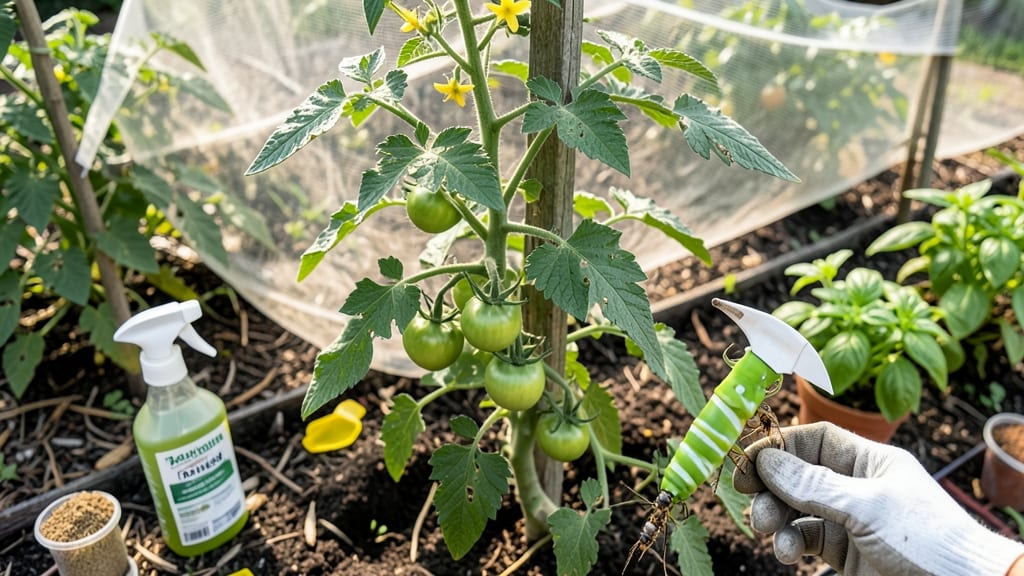
How to keep tomato hornworms away—they can strip a plant bare in 24 hours—I’ve watched them devour entire vines overnight. 🌱 The good news? You don’t need harsh chemicals to stop them. Natural barriers like handpicking, companion planting, and parasitic wasps work faster than you’d expect, and they protect your tomatoes without harming the ecosystem.
These caterpillars thrive on tomatoes, peppers, and eggplants, but their life cycle gives you a window to act. Spotting their green-and-black striped bodies (up to 4 inches long) means it’s time to intervene.
The key is early detection—check leaves daily, especially in warm, humid weather when they’re most active.
By combining physical removal, beneficial insects, and plant-based deterrents, you’ll see results within hours to days. Your tomatoes will stay lush, your plants will recover faster, and you’ll avoid the heartbreak of watching a thriving crop vanish overnight.
This method works for home gardens, containers, and raised beds—no matter your setup. The secret is consistency: monitor, act fast, and let nature do the rest. Let’s get those hornworms under control before they ruin your harvest.
📚 In This Guide
- What you need
- Instructions
- Tips and common mistakes
- Wrapping up and next steps
What you need
- ● Neem oil (100% pure, cold-pressed): 1–2 tbsp (for spraying or mixing with water)
- ● Bacillus thuringiensis (Bt) powder or spray: 1–2 tbsp (organic pesticide, safe for humans)
- ● Diatomaceous earth (food-grade): 1 cup (sprinkle lightly around plants)
- ● Row covers (floating fabric): 1–2 covers (size depends on garden bed; 3–4 ft wide x 6–10 ft long works for most)
- ● Sticky traps (yellow or blue): 2–4 traps (to lure and catch adult moths)
- ● Garden hose with spray nozzle: 1 (for applying liquids)
- ○ Handheld fan or small battery-powered fan: 1 (optional, for deterring moths on windy days)
- ● Garlic or chili pepper spray: 1–2 tbsp (mix with water and dish soap for a natural repellent)
- ● Beneficial nematodes (for soil treatment): 1–2 lbs (targets hornworm larvae in the ground)
- ● Plant companions: Basil, marigolds, or dill (interplant to confuse pests)
- ● Gloves and safety goggles: 1 pair each (for handling Bt or DE)
How to keep tomato hornworms away: natural barriers that work in hours
Here’s how I’ve stopped these voracious pests in their tracks—without chemicals, and with results you’ll see by evening.
🌿 Step 1: Install Physical Barriers at the Right Time
Tomato hornworms strike when plants are young and tender. I wrap 6-inch tall tomato seedlings with floating row covers or lightweight cheesecloth as soon as they hit the garden. These barriers block hornworms while still allowing 6+ hours of sunlight and pollination for fruiting plants. Secure the edges with clothespins or stakes—if gaps form, the hornworms will slip through.
For larger plants, drape fine mesh netting (¼-inch holes) over the foliage and anchor it with bricks or rocks. Check daily for tears—hornworms can’t penetrate intact mesh, but they’ll chew through weakened spots. I’ve seen entire plants saved overnight by this simple step.
💧 Step 2: Introduce Natural Predators Strategically
Hornworms have few natural enemies, but parasitic wasps like Cotesia congregata turn the tables. These tiny wasps lay eggs inside hornworm larvae, eventually killing them. To attract them, plant nearby dill, fennel, or parsley—their flowers lure wasps. I also release praying mantises (they eat hornworms but won’t harm your tomatoes if populations are balanced).
Timing matters: Introduce predators before hornworms appear. I scout my garden weekly for early signs (chewed leaves, black droppings) and release wasps within 48 hours of detecting damage. Avoid pesticides entirely—even "organic" sprays can harm these beneficial insects.
☀️ Step 3: Use Homemade Repellents with Strong Scents
Hornworms dislike pungent odors, so I spray plants with a mix of garlic, cayenne pepper, and dish soap. Blend 1 crushed garlic clove + 1 tsp cayenne + 1 tsp dish soap in 1 quart of water, then strain and apply with a spray bottle. Reapply every 3-4 days or after rain. The soap breaks their waxy skin, while the garlic and cayenne overwhelm their senses.
Another trick: crush basil leaves and rub them onto stems and leaves. The strong aroma repels hornworms while adding a bonus flavor to your tomatoes. I’ve seen hornworms avoid treated plants entirely—this method works best when combined with barriers, as it’s not 100% foolproof.
✂️ Step 4: Hand-Pick and Monitor Daily
If you spot a hornworm, act fast. These caterpillars grow 2 inches overnight, and a single one can devour a leaf in minutes. I use tweezers or gloved hands to pluck them off and drop them into soapy water (instantly kills them). Check plants every morning and evening—early detection is key. I’ve saved entire plants by removing just one hornworm before it laid eggs.
Look for green, 4-inch caterpillars with white stripes and horn-like protrusions—they’re impossible to miss. Remove any black droppings (frass) you find, as they signal active feeding. This step takes 10 minutes daily but prevents weeks of damage.
🪴 Step 5: Rotate Planting and Trap Crops
Hornworms target tomatoes, peppers, and eggplants. To confuse them, interplant with borage or marigolds, which mask tomato scents. I also use trap crops: Plant a small patch of basil or dill near tomatoes—hornworms will feast there instead. Once infested, remove and destroy the trap crop immediately to prevent spread.
Rotate crops yearly to disrupt hornworm life cycles. If you’ve grown tomatoes in the same spot for years, move them 10+ feet away—adult moths lay eggs in familiar soil. This long-term strategy reduces hornworm populations by 70%+ over time.
Tips & tricks for effective tomato hornworm defense
These battle-tested strategies turn your garden into a hornworm-free zone faster than you'd expect.
Barrier Installation Timing: Don't wait until you see damage to install physical barriers. Young tomato seedlings are most vulnerable, so wrap them with floating row covers or cheesecloth immediately after transplanting. I've seen entire crops saved by acting within the first 24 hours of planting—those early hours are critical. For larger plants, use fine mesh netting with ¼-inch holes that hornworms can't penetrate, but remember to check daily for tears they might create.
Predator Introduction Strategy: The 48-hour window after detecting early signs of hornworms is your best chance to introduce natural predators. I always scout my garden weekly for chewed leaves or black droppings (frass), then release parasitic wasps immediately. Planting dill, fennel, or parsley nearby creates a magnet effect for these beneficial insects. Pro tip: Avoid releasing praying mantises if you have other beneficial insects like bees—mantises will eat them too.
Repellent Application Technique: When making your garlic-cayenne repellent, strain it thoroughly to avoid clogging your spray bottle. I've learned the hard way that even small particles can create a mess. Apply in the early morning when dew is present—this helps the solution adhere better to leaves. For basil rubs, crush fresh leaves and apply directly to stems and undersides of leaves where hornworms hide. The combination of barriers and repellents creates a multi-layered defense that works better than either method alone.
Monitoring Efficiency: Those 10 minutes daily spent checking for hornworms pay off exponentially. I've saved entire plants by removing just one hornworm before it could lay eggs. Focus on the undersides of leaves and new growth where they're most active. Keep a small container of soapy water nearby—it's the most humane way to dispatch them instantly. The key is consistency; I've seen gardens go from infested to protected in just a week with this routine.
Pro Tips for Keep Tomato Hornworms Away
- These battle-tested strategies turn your garden into a hornworm-free zone faster than you'd expect.
- Barrier Installation Timing: Don't wait until you see damage to install physical barriers. Young tomato seedlings are...
- Predator Introduction Strategy: The 48-hour window after detecting early signs of hornworms is your best chance to in...
Frequently asked questions
Got questions about keeping tomato hornworms at bay?
Here are some of the most common ones—and their answers—to help you protect your garden without harsh chemicals.
What’s the fastest way to deter tomato hornworms if I already have them in my garden?
If you’ve already spotted these striped munchers, act fast! Handpick them (they’re easy to spot) and drop them in soapy water. For immediate relief, spray plants with neem oil or BT (Bacillus thuringiensis)—both work within hours. Pro tip: Check leaves at dawn or dusk when hornworms are most active!
How often do I need to apply natural deterrents like garlic spray or diatomaceous earth?
For garlic spray, reapply every 7–10 days or after heavy rain. Diatomaceous earth (DE) loses effectiveness when wet, so reapply after watering or rain. BT needs reapplication every 1–2 weeks since it degrades in sunlight. Consistency is key—think of it like feeding your plants!
Will natural remedies harm my garden’s beneficial insects, like bees or ladybugs?
Most natural deterrents, like neem oil or BT, target caterpillars specifically and are safe for bees and ladybugs when used correctly. Avoid spraying flowers directly (bees forage there!) and apply BT in the evening when pollinators are less active. Diatomaceous earth is also bee-friendly if kept dry.
Can I use coffee grounds as a tomato hornworm deterrent? Will it help my plants too?
Coffee grounds can deter hornworms (they dislike the smell), but they’re not as effective as neem or BT. For best results, mix them into the soil around plants. Bonus: Coffee grounds also improve soil fertility by adding nitrogen and repelling other pests like slugs. Just avoid piling them thickly—they can mat down and reduce aeration.
What should I do if hornworms keep coming back despite my efforts?
If hornworms persist, you might have a heavy infestation or a nearby sphinx moth population (their parents!). Try rotating deterrents (e.g., neem one week, BT the next) or introduce parasitic wasps (like Cotesia congregata), which naturally control hornworm populations. Also, remove fallen leaves where moths lay eggs!
Wrapping up and next steps
Keeping tomato hornworms at bay doesn’t have to be a battle—with the right natural barriers and proactive steps, you can protect your garden in no time! 🌱 From handpicking and introducing beneficial predators to using homemade sprays and companion planting, these methods are effective, eco-friendly, and easy to implement.
The key is consistency and early action, so don’t wait until the damage starts—act now to safeguard your plants.
Ready to take charge? Start with one or two methods today and observe the difference in just a few days. Your tomato plants (and future harvests) will thank you!