
Size
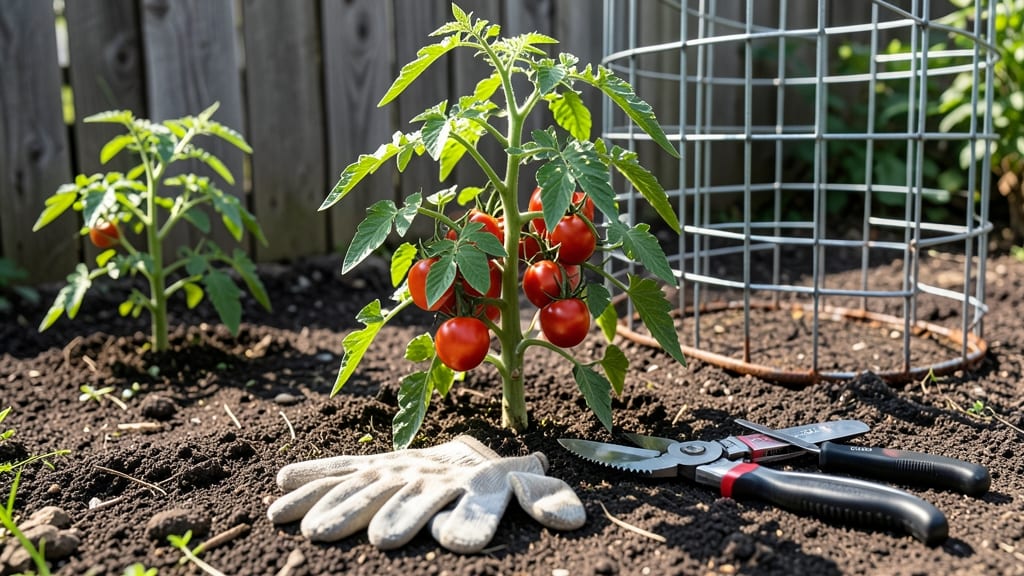
How to keep tomato plants from getting too tall—it starts with a few simple pruning tricks that transform leggy stems into bushier, more productive plants. 🌱 The secret isn’t just cutting branches; it’s knowing when and where to prune for stronger growth, not just shorter plants. I went from struggling with floppy vines to compact, fruit-loaded bushes in just one season.
Most gardeners focus on height control but miss the real goal: encouraging the plant to put energy into fruit production instead of endless vertical growth. You’ll need sharp pruners, a sturdy stake or trellis, and about 10 minutes every few weeks—that’s all.
The key moves? Pinching suckers early and strategically trimming side shoots to keep the plant balanced. It’s simpler than it sounds, and the results speak for themselves.
By summer’s end, you’ll have plants that stay manageable in containers or small spaces while still producing heavy harvests. The leaves stay lush, the stems stay sturdy, and you avoid the heartbreak of snapped vines in wind or rain.
Plus, proper pruning makes harvesting easier—no more bending over or wrestling with towering plants. This is how you grow tomatoes that work with your space, not against it.
Works for both determinate (bush) and indeterminate (vining) varieties, and adapts to containers, raised beds, or in-ground gardens. Whether you’re dealing with a single plant or a full garden row, these tricks keep things under control without sacrificing yield. Let’s get those plants shaped just right!
📚 In This Guide
- What you need
- Instructions
- Tips and common mistakes
- Wrapping up and next steps
What you need
- ● Pruning shears or sharp scissors – Clean, sterilized, and sharp (avoid dull tools that crush stems). (1 pair)
- ● Garden gloves – Durable and protective (to avoid thorns and dirt). (1 pair)
- ● Disinfectant (rubbing alcohol or bleach solution) – 1 part bleach to 9 parts water (for sterilizing tools between cuts). (small bottle)
- ○ Support structure (optional but helpful) – Tall stakes, cages, or trellises (if you want to guide growth upward instead of pruning heavily). (1-2 per plant, depending on size)
- ● Mulch (straw, grass clippings, or wood chips) – 2-3 inches thick (to retain moisture and suppress weeds). (as needed)
- ● Plant ties or soft twine – For securing vines to stakes (if using a support system). (small roll)
- ● Garden twine or string – For creating a makeshift trellis (if no cage/stakes are available). (10-20 ft)
- ● Compost or fertilizer – Balanced 10-10-10 or tomato-specific feed (to encourage bushier growth post-pruning). (small bag)
- ● Spray bottle with water – For rinsing tools between plants (keeps them clean and bacteria-free). (1 bottle)
Step-by-Step pruning tricks to keep tomato plants compact
Here's how I keep my tomato plants strong and manageable—no more towering giants that topple over.
🌱 Step 1: Identify the Right Time to Prune
Wait until your tomato plants have at least 3-4 true leaves and are 4-6 inches tall before pruning. This ensures they've established a sturdy root system to support new growth. I always check for healthy, dark green leaves—if they're pale or leggy, hold off until they're stronger.
Pruning too early stresses young plants. Instead, focus on removing only the lower leaves that brush against the soil. These leaves create a damp environment that invites disease, and they won’t contribute much to photosynthesis anyway. Use clean, sharp pruners to avoid tearing the stems.
✂️ Step 2: Remove Suckers for Bushier Growth
Suckers are the small shoots that grow in the V-shaped junction between the main stem and a branch. These are the secret to controlling height—removing them redirects energy to thicker, stronger stems and more fruit production. Pinch off suckers when they're less than 2 inches long to avoid creating new growth points.
I use my thumb and forefinger to gently squeeze the sucker at its base—no need for pruners here. If a sucker is larger, cut it just above the leaf it grows from. Never leave a stub, or it’ll regrow. Focus on the lower half of the plant first, then work your way up as the plant grows.
☀️ Step 3: Prune for Better Airflow and Light
After removing suckers, thin out crowded branches to improve airflow and sunlight penetration. Look for leaves that overlap or block light from reaching the center of the plant. These shaded leaves drain energy without producing much in return. Trim them back to expose the inner stem and encourage even growth.
I also cut back any damaged or yellowing leaves—they’re more likely to harbor pests or diseases. Always prune just above a leaf node (where leaves grow out) to promote new growth. If you’re growing indeterminate tomatoes (the vining types), limit the main stem to 3-4 feet tall by pinching the top when it reaches your desired height.
🌿 Step 4: Support and Train for Compact Growth
Even with pruning, tomato plants need support to stay upright. I use sturdy cages or stakes to guide their growth. For indeterminate varieties, tie the main stem to the stake or cage every 12 inches as it grows. This prevents bending and keeps the plant from becoming top-heavy.
For determinate (bush) tomatoes, prune only the suckers and avoid cutting the main stem. These varieties naturally stay compact, but removing suckers still helps focus energy on fruit production. Water at the base after pruning to reduce stress, and avoid wetting the leaves—this helps prevent fungal diseases.
⏰ Step 5: Monitor and Adjust as the Plant Grows
Check your tomato plants weekly for new suckers or overcrowded branches. Indeterminate varieties need ongoing pruning throughout the season, while determinate types only need occasional sucker removal. If you see leggy growth (long, weak stems with small leaves), it’s a sign the plant needs more light or has been over-fertilized with nitrogen.
Adjust your pruning as needed—if the plant is flowering heavily, reduce pruning to let it focus on fruit production. I always save healthy pruned leaves for compost or mulch, turning what could be waste into nutrients for the garden. With consistent care, your tomato plants will stay strong, bushy, and productive all season long.
Tips & tricks for compact tomato growth
Here's what nobody tells you about keeping your tomato plants manageable—these tricks have saved my garden from flopping disasters.
Timing is Everything: The 3-4 true leaves and 4-6 inch height markers in Step 1 are non-negotiable. I learned this the hard way after pruning seedlings too early—young plants can't handle the stress. Wait until you see those dark green leaves with sturdy stems before touching your pruners. This gives roots time to establish and support new growth.
Sucker Strategy: When removing those less than 2-inch suckers in Step 2, focus on the lower half first. I make it a habit to work my way up the plant as it grows—this prevents sudden height spikes. The key is consistency: check for new suckers weekly (as mentioned in Step 5) and pinch them immediately. This redirection of energy creates thicker stems that support more fruit without toppling.
Light and Airflow Secret: The leaf node rule in Step 3 is your friend—always cut just above where leaves grow out. This simple technique ensures new growth emerges at the perfect spot. For indeterminate varieties, I use a 3-4 foot height limit by pinching the top growth. This creates a bushier shape that's easier to support and produces fruit closer to the ground where it's easier to harvest.
Support System: Don't skip the every 12 inches tying rule for indeterminate tomatoes in Step 4. I've seen plants snap in half when this step is overlooked. Use soft plant ties or old fabric strips—they're gentle on stems and adjust as the plant grows. For determinate types, focus solely on sucker removal and let their natural bushiness do the work. The after pruning watering tip is crucial too—it helps the plant recover from the stress of trimming.
Pro Tips for Keep Tomato Plants From Getting Too Tall
- Here's what nobody tells you about keeping your tomato plants manageable—these tricks have saved my garden from flopping disasters.
- Timing is Everything: The 3-4 true leaves and 4-6 inch height markers in Step 1 are non-negotiable.
- Sucker Strategy: When removing those less than 2-inch suckers in Step 2, focus on the lower half first.
Frequently asked questions
Got questions about managing your tomato plant’s height? You’re not alone! Here are some of the most common concerns—and straightforward answers—to help you keep those plants in check without sacrificing yield.
When should I start pruning my tomato plants to control height?
Begin pruning once your plants reach 12–18 inches tall and have a few sets of true leaves (usually 4–6 weeks after transplanting). For indeterminate varieties (like cherry tomatoes), prune regularly throughout the growing season. For determinate (bush) types, minimal pruning is needed—just remove suckers to improve airflow. Pro tip: Wait until morning when plants are turgid (full of water) for cleaner cuts!
How much can I prune without hurting the plant?
Remove no more than 1/3 of the plant’s foliage at a time to avoid shocking it. Focus on suckers (shoots between stems and branches) and lower leaves touching the soil. For tall indeterminate varieties, aim to prune 1–2 feet of growth per week in hot climates to prevent stress. Warning: Over-pruning can reduce fruit production, so balance height control with plant health!
Does pruning tomato plants affect fruit production?
Pruning correctly actually boosts fruit quality and quantity by redirecting energy to existing flowers/fruits. However, prune too aggressively (especially late in the season), and you’ll stunt growth. Key rule: Never remove more than 50% of the plant’s leaves—focus on suckers and diseased/dying foliage. Bushy plants with good airflow produce larger, healthier tomatoes!
What’s the best alternative if I don’t want to prune?
If pruning feels like too much work, try these low-maintenance alternatives:
- Choose dwarf or determinate varieties (e.g., ‘Tiny Tim’ or ‘Patio Princess’)—they stay compact naturally.
- Use cage or stake support early to guide vertical growth without pruning.
- Plant in containers with limited space to restrict root/shoot expansion.
- Apply a balanced fertilizer (10-10-10) to encourage bushier, stockier growth.
Why does my tomato plant keep growing tall even after pruning?
If your plant keeps reaching for the sky, check these common culprits:
- Over-fertilizing with nitrogen (promotes leafy growth over fruit). Switch to a phosphorus-rich fertilizer (e.g., 5-10-10) to encourage flowering.
- Poor sunlight—tomatoes stretch toward light. Ensure 6–8 hours of direct sun daily.
- Root-bound plants in small pots. Upgrade to a 5-gallon container minimum for indeterminate varieties.
- Pests or disease weakening the plant. Inspect for aphids, whiteflies, or fungal spots.
Wrapping up and next steps
Keeping your tomato plants at a manageable height isn’t just about aesthetics—it’s about healthier plants, better yields, and easier care! 🌱 By mastering simple pruning techniques, providing support, and staying consistent, you’ll enjoy a thriving garden with compact yet productive tomato plants.
Remember, every snip is a step toward bushier growth and happier harvests.
Now that you’re armed with these tips, roll up your sleeves and give it a try! Start with one plant, practice your pruning skills, and watch your garden transform. Before you know it, you’ll be the proud grower of perfectly sized, flourishing tomatoes—one trim at a time.