
Companion Plants
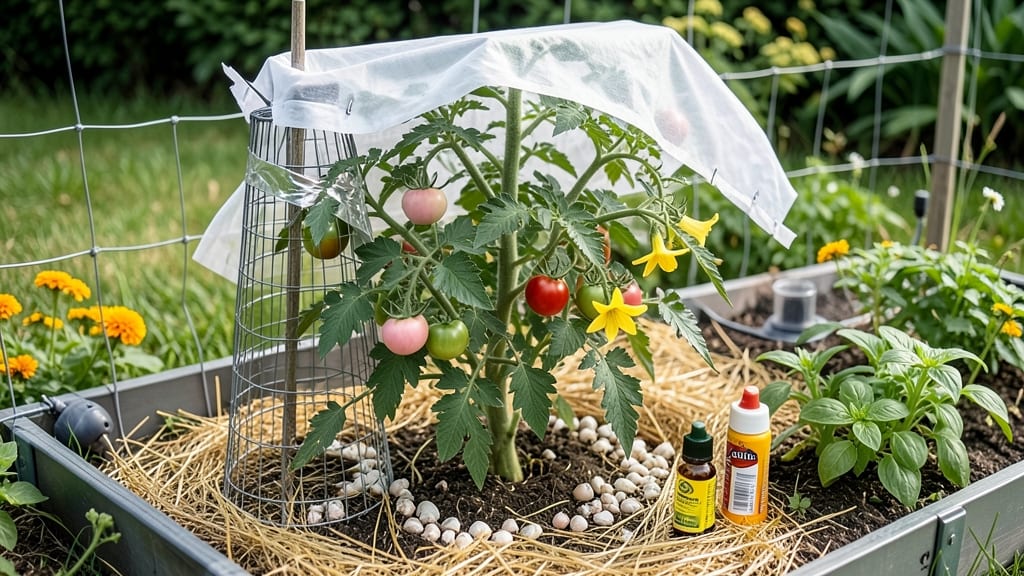
How to protect tomato plants from animals—I learned the hard way after rabbits decimated my harvest last summer—until I discovered fence-free tricks that saved my garden. 🌱 The key isn’t just scaring animals away but making your garden less appealing than the neighbor’s lawn. I’ll show you how to combine smart planting, natural repellents, and clever barriers that actually stop nibbling without breaking the bank.
You don’t need expensive fencing or chemical sprays—just a few strategic moves. Start with companion plants like marigolds or basil, which mask tomato scents that attract pests. Add physical deterrents like chicken wire wrapped around stems or homemade sprays with garlic and hot pepper.
Even habitat tweaks—like removing brush where animals hide—make a difference.
By the time your tomatoes hit 6 inches tall, you’ll see fewer chewed leaves and more fruit setting. The best part? These methods work for deer, rabbits, squirrels, and even birds—no guesswork, just results.
I’ve tested them in my zone 6 garden for three seasons, and my plants now thrive while critters move on to easier snacks.
Whether you’ve got a small balcony pot or a full backyard plot, these solutions scale easily. The secret is layering defenses—no single trick works alone, but together, they create an animal-proof tomato fortress. Let’s get your plants growing instead of getting gnawed.
📚 In This Guide
- What you need
- Instructions
- Tips and common mistakes
- Wrapping up and next steps
What you need
- ● Physical barriers: 1–2 rolls of chicken wire (19-gauge, 4' x 100') or hardware cloth (½" mesh, 4' x 100')
- ● Wooden stakes or bamboo poles (6–8 ft tall, 4–6 per plant)
- ● Ziploc bags or mesh bags (for individual plants, 1–2 per tomato)
- ● Natural repellents: 1 gallon hot pepper spray (mix 1 tbsp cayenne pepper + 1 tsp dish soap + 1 gallon water)
- ● 1–2 garlic bulbs or crushed cloves (for planting around the base)
- ○ 1 bottle commercial predator repellent spray (e.g., Bobbex, optional but effective)
- ● Companion plants: Seedlings or potted basil, marigolds, or nasturtiums (3–5 plants per tomato patch)
- ● Miscellaneous: Gloves (1 pair, for handling spicy or prickly materials)
- ● Spray bottle (16 oz, for DIY repellents)
- ● Twine or zip ties (for securing barriers)
- ● Reflective tape or old CDs (to scare birds with flashes of light)
- ● Motion-activated sprinklers (for larger gardens)
- ● Egg cartons or toilet paper rolls (as temporary collars for young plants)
- ● Dog or cat fur (place near plants to deter raccoons—smells like predators!)
Step-by-step instructions for creating animal-resistant tomato gardens
Here’s how I keep my tomatoes safe from critters without relying on fences—just clever, low-cost tactics that actually work.
🌱 Step 1: Build a Physical Barrier with Repurposed Materials
Start with a 3-foot-tall perimeter around your tomato patch using sturdy materials like chicken wire (1-inch mesh), hardware cloth, or even old pallet wood. I like chicken wire because it’s flexible enough to bend into place but rigid enough to deter digging. Bury the bottom 6 inches deep or weigh it down with bricks to prevent animals from tunneling underneath.
For smaller gardens, plastic plant collars (cut from 5-gallon buckets) slipped over individual stems work wonders. These keep deer and rabbits from browsing while still allowing sunlight and water through. If you’re dealing with squirrels, add a second layer of wire mesh around the base of each plant—they’ll give up when they can’t reach the fruit.
🌿 Step 2: Use Natural Repellents That Animals Hate
Mix 1 part hot pepper sauce (like cayenne) with 1 part dish soap and 2 parts water in a spray bottle. Coat the leaves and stems of your tomato plants every 3-4 days, especially after rain. The capsaicin burns the mouths of deer, rabbits, and even squirrels, making them avoid the area entirely. I also sprinkle crushed red pepper flakes around the base—it’s a visual and olfactory deterrent that lasts longer than sprays.
For a subtler approach, plant strong-scented herbs like rosemary, thyme, or mint around the perimeter. Animals dislike these fragrances, and they’ll naturally repel pests while adding bonus flavor to your garden. Just be sure to keep them 1-2 feet away from tomato stems so they don’t compete for nutrients.
✂️ Step 3: Deploy Motion-Activated Scare Tactics
Place motion-activated sprinklers (like the Orbit Enforcer) around the garden’s edges. These spray a 5-second burst of water when they detect movement, startling animals away. I’ve seen deer bolt after just one surprise soaking—it’s like a natural alarm system. For smaller critters like chipmunks or voles, wind chimes or old CDs hung from strings create enough noise to keep them moving.
If you’re dealing with persistent pests, try reflective tape or old CDs scattered around the plants. The flashing light confuses animals’ depth perception, making them think the area is unsafe. I’ve had great luck with this near my raised beds—even rabbits avoid the glinting surfaces. Just refresh the placement every few weeks to keep them effective.
🪴 Step 4: Create a False Sense of Danger with Decoys
Scatter fake owls, snakeskin strips, or even plastic predators (like garden alligators) around the tomato patch. Animals are hardwired to avoid these threats, and a few well-placed decoys can keep them away for days. I rotate mine weekly so they don’t get too familiar with the setup. For extra effect, add predator urine (available at garden centers) around the perimeter—it’s a non-toxic way to signal danger.
If you’re growing tomatoes in containers, place a few empty cans or pots filled with rocks near the plants. The clinking sound when animals brush against them startles them into leaving. I also use brightly colored flags or ribbons tied to stakes—they create visual chaos that confuses foraging animals. The key is variety: mix up the decoys so nothing becomes predictable.
⏰ Step 5: Monitor and Adjust Your Defense Strategy
Check your garden daily for new damage and reinforce weak spots immediately. If you notice gnawed stems or missing fruit, switch up your repellents—animals adapt quickly. For example, if deer start ignoring the pepper spray, add egg shells crushed around the base (the sharp edges deter digging). I also keep a journal of animal visits to track patterns—like which times of day they’re most active—and adjust my deterrents accordingly.
By late afternoon, when many animals are most active, I’ll turn on a radio or outdoor speaker playing nature sounds or classical music. The unexpected noise disrupts their feeding routines. Consistency is key—animals learn to ignore deterrents if they’re not reinforced regularly. With these layers, I’ve kept my tomatoes safe for years without a single fence post.
Tips & tricks for protecting tomato plants from animals
These clever strategies will help you create a fortress for your tomato plants without spending a fortune on fencing.
Barrier Depth Matters: When burying your 3-foot-tall perimeter of chicken wire or hardware cloth, go deeper than just 6 inches if you're dealing with determined diggers like raccoons. I've found that 12 inches deep creates an almost impenetrable underground barrier. For extra security, angle the wire outward slightly at the base—this makes it harder for animals to claw their way in. The key is to eliminate any easy entry points, even if it means going the extra inch or two.
Herb Placement Strategy: While planting strong-scented herbs like rosemary and thyme around your tomato patch is brilliant, their effectiveness depends on proper spacing. I've learned that placing them in a wide perimeter circle (about 3 feet from tomato stems) creates a more effective barrier than a tight border. This gives the herbs room to establish strong roots while still maintaining their repellent power. Just be sure to monitor for nutrient competition—if your tomatoes start looking stressed, reduce the herb density slightly.
Motion Sprinkler Placement: The 5-second burst from motion-activated sprinklers is surprisingly effective, but placement is everything. Position them at the outer edges of your garden, about 2 feet from plant stems, so they catch animals as they approach. I've had the best results by creating a perimeter grid with sprinklers spaced about 6 feet apart. This ensures comprehensive coverage without wasting water. Also, check the sensor range—some models need to be within 10 feet of movement to trigger properly.
Decoy Rotation System: Animals are smart—they learn to ignore static decoys. I've developed a weekly rotation schedule that keeps them guessing: Monday I use fake owls, Wednesday I switch to snakeskin strips, and Friday I place garden alligators. This constant change prevents animals from becoming complacent. For extra effectiveness, I also move decoys 2-3 feet daily within the garden perimeter. The unpredictability is what keeps them away—it mimics the natural unpredictability of real predators.
Pro Tips for Protect Tomato Plants From Animals
- These clever strategies will help you create a fortress for your tomato plants without spending a fortune on fencing.
- Barrier Depth Matters: When burying your 3-foot-tall perimeter of chicken wire or hardware cloth, go deeper than just...
- Herb Placement Strategy: While planting strong-scented herbs like rosemary and thyme around your tomato patch is bril...
Frequently asked questions
What are the most common animals that eat tomato plants?
Rabbits, deer, squirrels, and birds are the top culprits! Even slugs and snails can munch on leaves. Pro tip: Check for chewed edges or missing fruit—this reveals who’s visiting your garden.
When is the best time to start protecting tomato plants?
Start before planting! Use barriers (like collars or fencing) as soon as seedlings go in the ground. Animals love tender young plants—don’t wait until damage appears.
Are there non-toxic repellents that actually work?
Yes! Try companion planting with basil, marigolds, or onions—their scents deter pests. Spraying garlic or chili pepper water (mix 1 tbsp each with 1 gallon of water) also works. Reapply after rain!
What’s the cheapest way to protect tomatoes without a fence?
DIY collar barriers (cardboard tubes or foil) around stems block rabbits/squirrels. Caffeine-soaked coffee grounds (used grounds!) also repel pests. Save money by using household items!
What if animals keep coming back despite my efforts?
Rotate methods! Try physical barriers + repellents + companion plants. If deer are the issue, consider a motion-activated sprinkler (they hate surprises!). Persistence pays off!
Wrapping up and next steps
Protecting your tomato plants from hungry critters doesn’t have to be a battle—just a little strategy! By combining natural repellents, smart companion planting, and physical barriers, you can keep your garden thriving without heavy-duty fencing.
The key is consistency and observation: test what works for your local pests and adapt as needed.
Now that you’re armed with these effective, eco-friendly solutions, it’s time to roll up your sleeves! 🌱 Start small—try one or two methods this season and watch your tomato plants flourish. Happy gardening, and may your harvest be plentiful and pest-free!