
Companion Plants
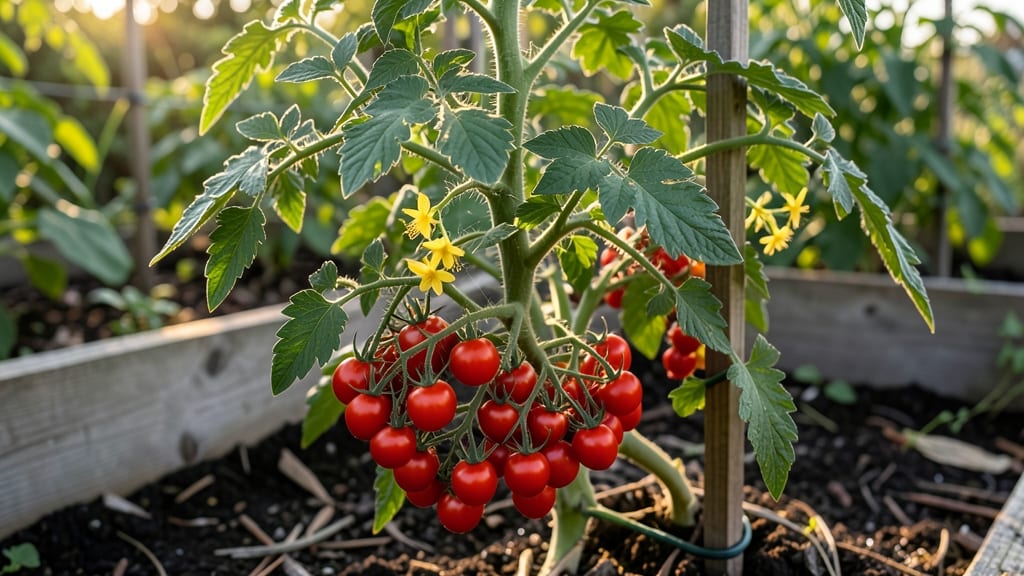
These indeterminate cherry tomato plants keep producing until frost—if you train them right. 🌱 I’ve watched these vines climb my trellis like jungle vines, bursting with sweet fruit from June until the first hard freeze, and I’m sharing the exact techniques that turn a handful of plants into a never-ending harvest. The secret isn’t just in the soil or water—it’s in how you prune and support them. Most gardeners stop at a basic cage, but indeterminate varieties need vertical space to thrive. A sturdy trellis or tomato tower keeps fruits off the ground, prevents disease, and encourages the plant to focus energy on producing more clusters instead of sprawling. Even in small spaces, you can fit 3-4 plants where others would struggle with just one. By mid-summer, you’ll be picking pints of sun-ripened cherries every few days, and the flavor? Unmatched—sweeter, juicier, and packed with that garden-fresh burst that store-bought can’t touch. The key is consistent care: watering at the base (not the leaves), pruning suckers regularly, and feeding with a balanced fertilizer every 2-3 weeks. This method works for balconies, greenhouses, or backyard gardens—just adjust your trellis height. Let’s get those vines climbing!
📚 In This Guide
- What you need
- Instructions
- Tips and common mistakes
- Wrapping up and next steps
What you need
- ● Indeterminate cherry tomato seeds or seedlings: Choose varieties like 'Sweet 100,' 'Sun Gold,' or 'Tiny Tim' (3–5 plants per vertical setup).
- ● Vertical support structure: Trellis (6–8 ft tall, metal or sturdy wood)
- ● Cage (5–7 ft tall, galvanized wire or plastic)
- ● Tower garden (fabric or mesh pockets)
- ● PVC pipe frame (DIY-friendly, 1–2 inch diameter)
- ● Potting mix: High-quality, well-draining mix (10–15 gallons per plant). Add compost or worm castings for nutrients.
- ● Containers or raised beds: Fabric grow bags (5–7 gallons)
- ● Wooden planters (12–18 inches deep)
- ● Hanging pots (5+ gallons, with drainage)
- ● Fertilizer: Balanced 10-10-10 or organic options (follow package rates).
- ● Pruning shears: Bypass-style, sharp and clean for trimming.
- ● Twine or soft plant ties: Jute or Velcro strips (10–20 ft per plant).
- ● Watering can or drip irrigation: Consistent moisture is key!
- ● Mulch: Straw or shredded leaves to retain moisture.
- ○ Support stakes (optional): Bamboo or wooden for extra stability.
- ○ Shade cloth (optional): 30–50% coverage for hot climates.
- ○ Companion plants (optional): Basil (repels pests)
- ● Marigolds (deters insects)
- ● Nasturtiums (traps aphids)
Step-by-Step guide to training indeterminate cherry tomatoes vertically
Here's how I turn sprawling vines into productive vertical towers—no wasted space, just endless fruit.
🪴 Step 1: Install Sturdy Support Structures
Indeterminate cherry tomatoes need strong vertical support—they'll grow 8-12 feet tall if left unchecked. I use 5-foot bamboo stakes for single plants or T-post trellises for multiple plants. Drive stakes 6 inches deep into moist soil for stability. For heavier varieties, add zip ties or soft plant clips every 12 inches up the stake to secure main stems.
If using cages, choose 8-foot tall with 14-gauge wire—standard cages often collapse under the weight. Position supports within 24 hours of transplanting so roots establish around them. The key is prevention: Waiting until vines are heavy risks snapping stems or damaging roots when you rush to install supports later.
☀️ Step 2: Prune for Airflow and Fruit Production
Remove suckers (the small shoots between main stem and branches) weekly—they drain energy from fruit production. Use your thumb and forefinger to pinch them off cleanly at the base. Keep only the strongest upward-growing suckers that form at 45-degree angles from the main stem. This creates a bushier, more productive plant with better air circulation.
Prune lower leaves (within 12 inches of the soil) to improve airflow and prevent disease. I stop pruning 3 weeks before first frost—the plant needs all its energy to ripen existing fruit. Watch for yellowing leaves on lower branches; these are natural signs the plant is redirecting nutrients upward. Never remove more than 25% of foliage at once—this stresses the plant unnecessarily.
✂️ Step 3: Train Vines Along Support System
Gently weave main vines through trellis openings or tie to stakes with soft plant ties (never wire—it cuts into stems). For heavy fruit loads, add secondary support at 3-foot intervals using horizontal wires or twine. The goal is to distribute weight evenly so no single branch bears too much load.
When vines reach the top of supports, stop pruning upward growth—this encourages lateral branching where more fruit will develop. You'll see small clusters of flowers forming along these new side shoots. If a vine grows too long between supports, it'll sag and break under fruit weight. I check supports every 3 days during peak production to adjust ties before they become too tight.
💧 Step 4: Water and Feed for Continuous Production
Water deeply 2-3 times per week—indeterminate varieties produce all season and need consistent moisture. I water at soil level (not overhead) to prevent disease on leaves. The top 2 inches of soil should feel dry to touch before watering again. Mulch with 2 inches of straw to retain moisture and prevent soil-borne diseases from splashing onto leaves.
Feed with balanced 10-10-10 fertilizer every 2 weeks once flowers appear. Switch to low-nitrogen, high-phosphorus (5-10-10) when fruit sets to encourage ripening. I mix fertilizer with water and apply at soil level—never on leaves. Watch for blossom end rot (black spots on fruit); this means calcium deficiency—add crushed eggshells to the soil surface monthly to prevent it.
🍅 Step 5: Harvest and Maintain Through the Season
Harvest every 2-3 days during peak production—cherry tomatoes ripen fast and turn mealy if left too long. Gently twist clusters at the stem (don't pull) to avoid damaging the plant. You'll know it's time to harvest when 75% of tomatoes in a cluster turn their mature color. Regular harvesting stimulates more flowering and prolongs the season.
As fall approaches, protect plants with row covers if frost threatens. Many indeterminate varieties will keep producing until 20°F—just cover them at night and remove during the day. When frost finally comes, cut the plant at ground level, compost healthy stems (diseases may be present), and save seeds from your best-tasting tomatoes for next year.
Tips & tricks for training indeterminate cherry tomatoes vertically
Here's what I learned after years of turning chaotic vines into organized, high-yielding vertical gardens.
Support System Strategy: In Step 1, don't just install supports—think about future weight distribution. For varieties like 'Sungold' or 'Sweet Million', consider adding secondary stakes at 3-foot intervals during peak production (around mid-summer). These heavy fruit clusters can create dangerous leverage points. I use soft plant ties every 12 inches—never wire—because wire cuts into stems and creates entry points for disease. The 24-hour window for installing supports after transplanting is critical: roots need time to establish before bearing the plant's weight.
Pruning Precision: When removing suckers in Step 2, focus on the 45-degree angle upward-growing ones—these become your future fruit-bearing branches. I've found that keeping just 2-3 strong suckers per main stem maximizes airflow while maintaining production. The 12-inch lower leaf removal creates a natural funnel that directs water and nutrients upward. Here's the thing: if you see yellowing leaves within 12 inches of the soil, that's not a problem—it's the plant's way of redirecting energy to the fruit. But if you see yellowing higher up, that's a sign of nutrient deficiency or over-pruning.
Vine Training Tactics: In Step 3, the key to preventing sagging is even weight distribution. When vines reach the top of supports, stop pruning upward growth to encourage lateral branching—this is where your fruit clusters will form. I check my supports every 3 days during peak production to ensure no single branch is bearing too much weight. If you notice a vine growing too long between supports, gently weave it through the trellis or add a temporary twine support. The goal is to create a basketweave pattern that spreads the load across multiple points.
Seasonal Adjustments: The 3-week pruning pause before first frost is non-negotiable—your plant needs all its energy to ripen existing fruit. But here's what nobody tells you: if you're in a region with mild winters, you can extend production until 20°F by using row covers. I've had plants keep producing until late November with this protection. When frost finally arrives, don't just cut the plant—take a moment to examine the stems. Healthy stems can be composted, but diseased ones should be bagged and discarded to prevent next year's problems.
Pro Tips for Indeterminate Cherry Tomato Plants
- Here's what I learned after years of turning chaotic vines into organized, high-yielding vertical gardens.
- Support System Strategy: In Step 1, don't just install supports—think about future weight distribution.
- Pruning Precision: When removing suckers in Step 2, focus on the 45-degree angle upward-growing ones—these become your future fruit-bearing branches.
Frequently asked questions
Got questions about indeterminate cherry tomato plants? You’re not alone!
Here are answers to the most common queries—from pruning to pests and everything in between. Let’s dig in!
What’s the best way to prune indeterminate cherry tomato plants for maximum yield?
Prune suckers (the small shoots in the leaf axils) regularly to encourage vertical growth and airflow. Focus on removing suckers below the first flower cluster, but leave 3-4 leaves per stem. Pro tip: Use sharp shears to avoid damaging the main stem. Prune in the morning to let wounds heal faster!
How long does it take for indeterminate cherry tomatoes to start producing fruit?
With proper care, indeterminate cherry tomatoes typically start bearing fruit 60-70 days after transplanting. However, warm climates or early starts may see harvests as soon as 50 days. Patience pays off—once they begin, the harvest can last all season (or until frost)!
What are the most common pests for indeterminate cherry tomatoes, and how do I prevent them?
Watch for hornworms, aphids, and whiteflies. Prevent pests by:
- Using row covers early in the season.
- Introducing beneficial insects like ladybugs or lacewings.
- Spraying neem oil or insecticidal soap at the first sign of trouble.
Can indeterminate cherry tomatoes survive a light frost?
Nope! These tender plants cannot tolerate frost—even a light freeze will kill them. If frost is forecasted, harvest all ripe fruit immediately and protect remaining plants with row covers or blankets. For extended cold snaps, consider bringing potted plants indoors (though they won’t recover well).
Are there any great companion plants for indeterminate cherry tomatoes?
Plant these near your tomatoes to boost growth and deter pests:
- Basil – Repels pests and enhances flavor.
- Marigolds – Deter nematodes and attract pollinators.
- Onions or garlic – Naturally repel aphids and spider mites.
- Avoid planting with brassicas (like cabbage)—they compete for nutrients.
Wrapping up and next steps
Growing indeterminate cherry tomato plants is a rewarding journey that turns your garden into a lush, vertical treasure trove! 🌱 With the right companion plants, support structures, and care, you’ll enjoy endless harvests of sweet, juicy tomatoes all season long.
Whether you’re a beginner or a seasoned gardener, these tips and tricks make it easier than ever to maximize your space and yield.
Ready to dive in? Start by sketching your garden layout—pick your favorite companions, set up trellises or cages, and plant with confidence. Soon, you’ll be savoring homegrown tomatoes straight from the vine! 🍅✨