
Planting
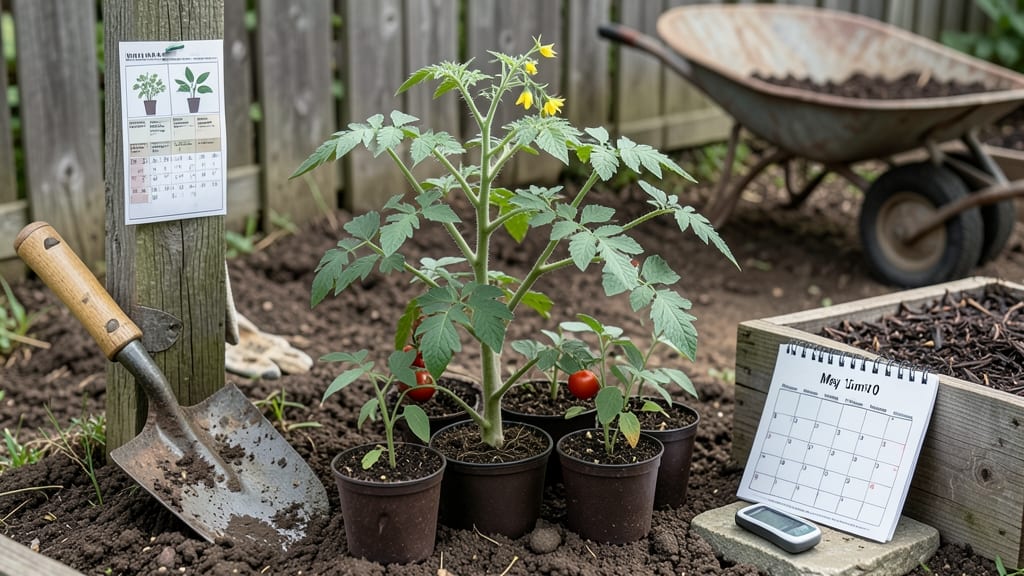
Planting tomato seeds late still works if you pick the right varieties and tricks for your zone — even when the calendar says "too late."
Panicking over missed seed-starting deadlines? Even late-season gardeners can still grow thriving tomato plants if you know the right last-minute strategies for your climate zone. The key is matching your region’s frost dates with fast-maturing varieties and quick-start techniques.
In USDA Zone 6a, where last frosts linger into April, you’ve got a narrow window to direct-sow seeds or transplant seedlings before summer heat arrives. But with the right prep, you can still harvest ripe 🍅 by October.
Below, I’ll break down the exact last-minute dates for your zone, plus hacks to jumpstart germination and protect young plants from unexpected cold snaps.
Ready to salvage your season? You’ll learn how to calculate your local frost-free days, which tomato varieties mature in 60 days or less, and when to switch from seeds to transplants for a guaranteed harvest.
Last-minute planting Zones for tomato seeds (and when to stop trying)
If you missed the ideal tomato seed-starting window, don't toss those seeds just yet! With the right timing and fast-maturing varieties, you can still grow tomatoes in nearly every USDA zone—even as late as mid-to-late summer.
The key lies in knowing your last frost date and selecting varieties with 60-70 day harvest times. In cooler zones, this might mean starting seeds indoors or using season-extending tools.
For gardeners in USDA Zones 3-5, the window for direct sowing narrows dramatically after early June, but transplanting young seedlings can push your harvest into early fall. Meanwhile, zones 6-10 offer more flexibility, with some regions allowing July or even August plantings of heat-tolerant varieties.
Let's break down your exact last-minute options by zone, including the fastest varieties that can still produce fruit before frost.
⚠️ Critical Note: Always check your local frost dates—they can vary by 1-3 weeks even within the same zone. Use the National Weather Service or local agricultural extension for precise data. For example, Zone 5a might have a last frost in June 15, while Zone 5b could extend it to June 25.
| USDA Zone | Last Direct Sow Date | Last Transplant Date | Fastest Varieties (Days to Harvest) | Season Extender Needed? |
|---|---|---|---|---|
| 3-4 | Early June (or skip) | Mid-July (with row covers) | 'Early Girl' (60 days), 'Stupice' (55 days) | ✅ Yes (cold frames or tunnels) |
| 5 | Late June | Early August | 'Patio' (55 days), 'Tiny Tim' (60 days) | ⚠️ Maybe (row covers for frost) |
| 6 | Early July | Mid-August | 'Solar Fire' (65 days), 'Jetsetter' (60 days) | ❌ No (unless late frost risk) |
| 7-8 | Mid-July | Late August | 'Celebrity' (70 days), 'Better Boy' (75 days) | ❌ No (unless extreme heat) |
| 9-10 | Early August | Mid-September | 'Heatmaster' (70 days), 'Solar Fire' (65 days) | ❌ No (heat-tolerant varieties) |
In USDA Zones 3-4, your last chance for direct-sown tomatoes is typically early June, but if you're willing to use row covers or cold frames, you can extend this by 2-3 weeks.
For example, in Zone 4, planting 'Stupice' tomatoes (which mature in just 55 days) on June 10 could yield fruit by late July—perfect for canning or fresh eating before the first frost.
Gardeners in Zone 5 have slightly more flexibility, with late June being the cutoff for direct sowing. However, if you're using transplants (even small 4-inch seedlings), you can push this to early August.
The trick is choosing determinate varieties like 'Patio', which stay compact and produce fruit quickly. These are ideal for container gardening on patios or balconies.
For Zones 6-8, the real advantage is extended growing seasons. In Zone 6, you can direct-sow tomatoes until early July and still harvest before frost. Meanwhile, Zone 7-8 gardeners might even try August plantings of heat-tolerant varieties like 'Solar Fire', which thrive in 90°F+ temperatures.
Just be prepared to provide extra shade cloth during heatwaves to prevent sunscald.
If you're in Zones 9-10, you're in luck—these areas often have year-round growing potential. Here, you can plant tomatoes as late as early August and still enjoy harvests through fall and winter in some microclimates.
Varieties like 'Heatmaster' are specifically bred to handle high temperatures and humidity, making them perfect for these regions.
One critical mistake late-season gardeners make is overestimating soil warmth. Even in Zone 8, soil temperatures can drop below 60°F in August, slowing germination. To test, use a soil thermometer
5 Fast-germination hacks to beat the clock with tomato seeds
Late-season planting doesn't mean you're out of luck for tomatoes! When tomato seeds sit too long, they can develop dampening off or simply take forever to sprout. But with these science-backed germination hacks, you can shave days—or even weeks—off the process.
The key? Mimicking ideal germination conditions while avoiding common pitfalls like overwatering or poor soil contact.
Tomato seeds thrive at 70-85°F (21-29°C), but most homes hover around 65°F (18°C) or cooler. Without intervention, seeds may take 7-14 days to sprout—too slow for late plantings.
The good news? With targeted techniques, you can trigger germination in just 3-5 days. Start by choosing the right soil mix (sterile, seed-starting blend) and these proven shortcuts.
Pro tip: Combine hack #1 (heat) with hack #2 (hydro priming) for the fastest results. I’ve seen seeds sprout in 24 hours using this combo! Just be patient—once the first sprout appears, keep the soil consistently moist (not drenched) and provide bright light to prevent etiolation (those sad, stretched seedlings).
Watch for false starts, where seeds sprout but then die. This happens when soil temps drop or moisture fluctuates. If this occurs, try replanting primed seeds in fresh, warm soil. For extra insurance, use a seedling heat mat under your entire tray—it’s a game-changer for late plantings.
Remember, fast germination is just the first step. Once your tomato seedlings emerge, they’ll need 12+ hours of light daily and thinning to avoid competition. But with these hacks, you’ll be harvesting homegrown tomatoes before you know it—even if you’re playing catch-up! 🌱