
Pests and Diseases
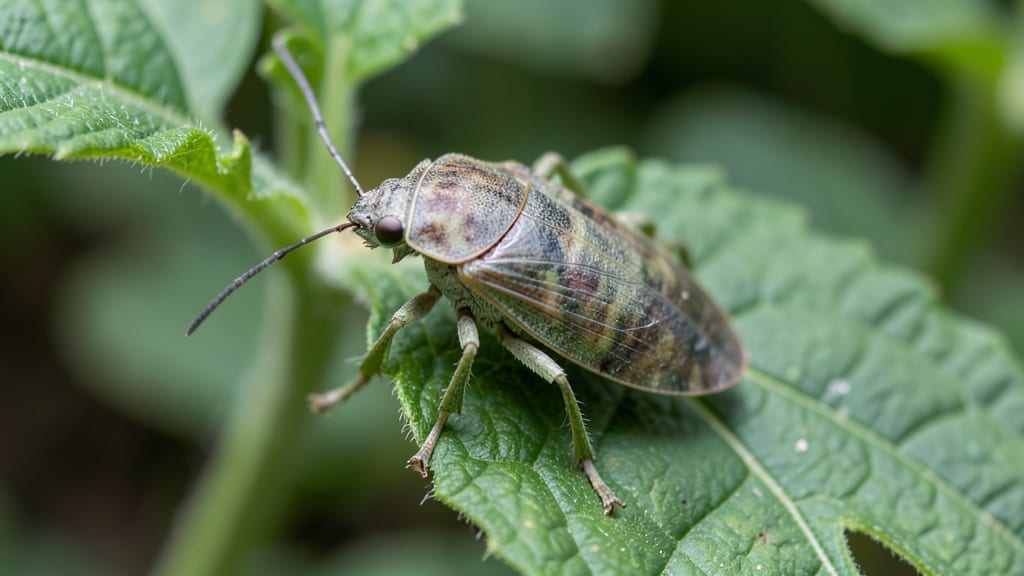
Leaf-footed bug tomato damage turns your plants into Swiss cheese overnight. 🌿 I’ve lost entire harvests to these sneaky pests, but I’ve also learned how to stop them before they ruin your season—without harsh chemicals.
The damage looks like tiny, irregular holes along the edges of leaves and fruit, often with black fecal spots. These bugs hide under leaves during the day and strike at dawn/dusk, making them hard to spot until it’s too late.
The good news? Organic fixes work—neem oil sprays, row covers, and even introducing beneficial wasps can turn the tide. You’ll see fewer holes within 3-5 days of treatment, and your plants will start recovering their vigor.
The key is acting fast and staying consistent, especially during peak tomato season when these pests are most active. This works for backyard gardens, containers, and even greenhouse tomatoes. Let’s get those plants back on track!
📚 In This Guide
- What you need
- Instructions
- Tips and common mistakes
- Wrapping up and next steps
What you need
- ● Garden gloves (1 pair) – Heavy-duty, chemical-resistant gloves (e.g., nitrile-coated) to protect your hands from pests and irritants.
- ○ Handheld magnifying glass (optional but helpful) – A 2x–4x magnifier to inspect tomato leaves and stems for early signs of damage.
- ● Neem oil (16–32 oz bottle) – A natural insecticide/deterrent. Look for 100% cold-pressed, organic neem oil (e.g., Bonide or Garden Safe).
- ● Insecticidal soap (16 oz spray bottle) – A mild, organic solution (e.g., Safer Brand or Dr. Bronner’s).
- ● Diatomaceous earth (DE) (1–5 lb bag) – Food-grade DE (e.g., Safer Brand) to create a physical barrier. Apply on a dry, calm day.
- ● Yellow sticky traps (5–10 traps) – Cardboard or plastic traps coated with a sticky adhesive to catch adult bugs.
- ● Fine-mesh row covers (enough to cover tomato plants) – Lightweight fabric (e.g., Agribon) to physically block bugs during outbreaks.
- ● Garden spray bottle (1–2 bottles, 16 oz) – For diluting neem oil or insecticidal soap.
- ● Pruning shears – Sharp, clean shears to trim heavily damaged leaves or stems.
- ● Watering can or hose with a gentle spray nozzle – For rinsing plants after treatments.
- ● Kaolin clay (1–2 lb bag) – A natural repellent that creates a protective film on leaves (e.g., Surround WP).
- ● Beneficial nematodes (e.g., Steinernema carpocapsae) – Targets larvae in the soil (apply in early evening).
- ● Pyrethrin-based spray (last-resort organic option) – Derived from chrysanthemums (e.g., PyGanic).
- ● Garden journal – To track pest activity and treatment effectiveness.
Swift organic fixes for leaf footed bug tomato damage
Here’s how I stop these sneaky pests from turning your tomatoes into Swiss cheese—naturally and fast.
🌿 Step 1: Identify and Confirm Leaf Footed Bug Damage
First, check your tomatoes for the telltale signs: small, irregular holes along the edges of leaves or fruit, and tiny black droppings nearby. Leaf footed bugs (LFB) leave behind a distinct ragged pattern—unlike clean cuts from other pests. I always inspect the undersides of leaves first, where they hide during the day.
If you spot these bugs (they’re about ¼ inch long, flat, and pale green or brown), don’t panic. The key is acting quickly before they multiply. Grab a magnifying glass—you’ll see their signature spiny legs and shield-shaped bodies that help them cling to plants. This is your cue to start the organic offense.
💧 Step 2: Remove Existing Bugs and Eggs Manually
Start by shaking plants gently over a bucket of soapy water to dislodge adults and nymphs. I like to use a neem oil solution (1 tablespoon per quart of water) in a spray bottle—it suffocates them on contact while being safe for plants. Spray the undersides of leaves thoroughly, where eggs are often hidden.
Check stems and leaf veins for clusters of tiny, oval eggs (they look like tiny white grains). Scrape them off with your fingernail or a soft brush into the soapy water. This step takes patience, but removing eggs prevents the next generation from hatching. I do this twice a week until no more eggs appear.
☀️ Step 3: Deploy Organic Barriers and Traps
Cover young tomato plants with floating row covers (made of lightweight fabric) to block adults from reaching them. Secure the edges tightly—LFBs can squeeze through gaps. For established plants, wrap the lower stems with cardboard collars (cut from egg cartons) to deter crawling bugs. Replace these every 3-4 days or when they degrade.
Set out yellow sticky traps near the plants to catch flying adults. Place them at plant height where bugs are most active. Check traps daily and replace them every 5-7 days. This reduces the population fast, but it’s just one part of the defense—combine it with other methods for best results.
✂️ Step 4: Strengthen Plants and Monitor Daily
Healthy tomatoes resist pests better. Water deeply at the base early in the morning to avoid wetting leaves (which attracts LFB). Use a drip irrigation system if possible—it keeps foliage dry while delivering moisture directly to roots. I also fertilize with compost tea every 2 weeks to boost plant resilience.
Inspect plants every 2-3 days, focusing on new growth and fruit. Look for fresh holes or bugs hiding in leaf axils. If damage persists, rotate to a pyrethrin-based spray (derived from chrysanthemums) as a last resort—it’s organic but use it only when necessary, following label instructions precisely.
🌱 Step 5: Introduce Beneficial Predators Long-Term
To break the LFB cycle, introduce assassin bugs or spider mites (their natural predators). Order them from a reputable supplier and release them in the evening when temperatures are cooler. I’ve found that assassin bugs are especially effective—they hunt LFB nymphs and adults alike.
Plant basil, marigolds, or dill nearby to attract these predators and disrupt LFB’s feeding patterns. These companion plants also mask tomato scents, making it harder for bugs to locate your crop. Over time, a balanced ecosystem will keep LFB populations in check with minimal intervention.
Tips & tricks for swift organic tomato pest control
Here's what nobody tells you about keeping your tomato plants safe from leaf footed bugs—these tricks make all the difference.
Timing is Everything: In Step 2, when you're removing eggs twice a week, focus on the morning hours when bugs are less active. This gives you the best chance to catch them off guard. I've found that early morning inspections reveal more eggs because the bugs haven't had time to hide them yet. The key is consistency—don't skip those twice-weekly checks, even if you don't see any bugs immediately.
Barrier Reinforcement: For Step 3, when using floating row covers, make sure they're secured with clips or weights rather than just tying them loosely. I learned this the hard way after seeing LFB squeeze through gaps in my first attempt. Also, if you're using cardboard collars, cut them slightly larger than your stems—this creates a better seal against crawling pests. Replace them every 3-4 days as instructed, but check them daily for tears or moisture buildup that could attract other pests.
Predator Placement: When introducing beneficial predators in Step 5, release assassin bugs or spider mites in the evening when temperatures drop. This gives them time to establish themselves before daytime heat stress. I've noticed they're most active during the cooler parts of the day, so evening releases give them the best head start. Also, place them near the undersides of leaves where LFB hide—this increases their hunting efficiency dramatically.
Monitoring Shortcuts: For Step 4's daily inspections, use a handheld magnifying glass with a light> to make spotting fresh damage easier. I keep mine attached to my gardening belt for quick access. This helps you catch new holes or bugs before they become a bigger problem. The light feature is especially helpful for inspecting leaf undersides in shady areas where bugs love to hide.
Pro Tips for Leaf Footed Bug Tomato Damage
- Here's what nobody tells you about keeping your tomato plants safe from leaf footed bugs—these tricks make all the difference.
- Timing is Everything: In Step 2, when you're removing eggs twice a week, focus on the morning hours when bugs are less active.
- Barrier Reinforcement: For Step 3, when using floating row covers, make sure they're secured with clips or weights rather than just tying them loosely.
Frequently asked questions
about leaf-footed bug tomato damage—because even the savviest gardeners need a little help sometimes!What do leaf-footed bug holes on tomatoes look like?
Leaf-footed bug damage is unmistakable—tiny, irregular holes (like a shotgun blast ) with a distinctive "footprint" where the bug’s legs punctured the skin. Unlike other pests, these holes often have small, clear droplets (their saliva) around the edges. Check the undersides of leaves too—they’re a favorite hiding spot!
How quickly do leaf-footed bugs destroy a tomato plant?
Speed depends on the infestation size, but these bugs are relentless. A single adult can skeletonize a leaf in 24–48 hours . If left unchecked, they’ll move to fruits, causing cosmetic (but not always structural) damage. Early intervention (like neem oil or row covers) can save your harvest—act before you see holes!
Are there organic sprays that actually work against leaf-footed bugs?
Yes! Kaolin clay (like Surround WP) creates a physical barrier they hate. Insecticidal soap or neem oil (spray directly on bugs, not just leaves) can kill them on contact. For heavy infestations, pyrethrin-based sprays (derived from chrysanthemums) are effective but use at dusk to protect bees. Rotate methods to avoid resistance!
Can I still eat tomatoes with leaf-footed bug holes?
While the holes are unsightly, leaf-footed bugs don’t inject toxins like some pests (looking at you, stink bugs ). The damage is mostly aesthetic. Cut out heavily punctured areas before eating, and wash tomatoes thoroughly. The flesh beneath the skin remains safe—just sadly marred!
What’s the best long-term prevention for leaf-footed bugs in my garden?
Combine physical + cultural controls:
- Row covers (early in the season) block adults from laying eggs.
- Diatomaceous earth around plant bases (reapply after rain).
- Attract predators: Ladybugs, lacewings, and parasitic wasps love leaf-footed bugs!
- Remove debris (they overwinter in leaf litter).
- Interplant with basil or marigolds—their scents repel the bugs.
Consistency is key—these pests are annual visitors in many regions!
Wrapping up and next steps
Don’t let leaf-footed bugs steal your tomato harvest! With the right organic strategies—like neem oil sprays, row covers, and companion planting—you can protect your plants and enjoy hole-free, thriving tomatoes this season. 🌱🍅
Ready to take action? Start by inspecting your garden weekly and implementing just one fix today—your future harvest will thank you! For more tips, explore our organic pest control guide.