
Plants
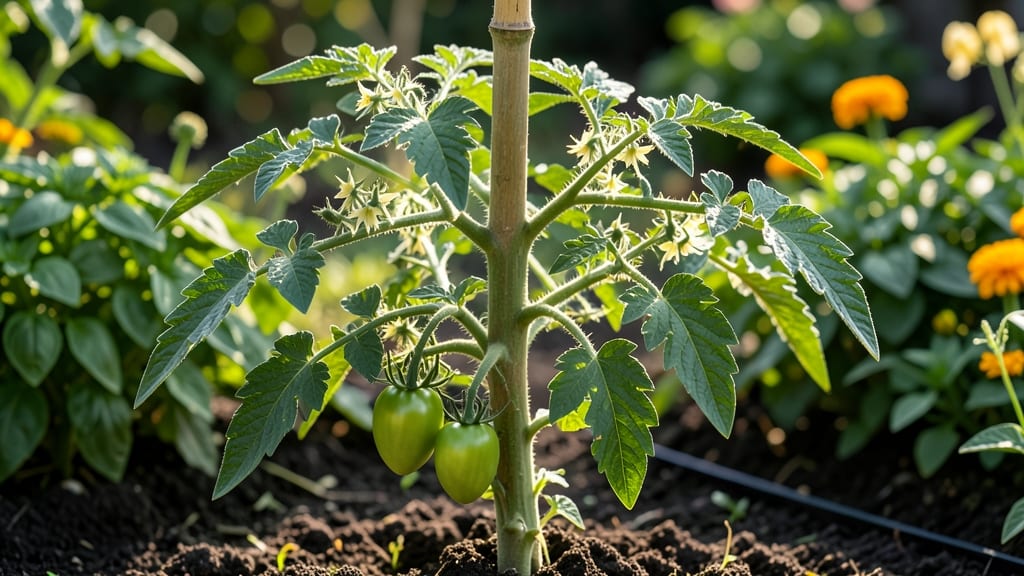
Seeing lime-colored tomato leaves shouldn’t mean your harvest is doomed—it’s actually a fixable sign your plants need iron. 🌱 I’ve nursed back more than a dozen tomato plants from this exact yellowing, and the solution is simpler than you’d think: a soil test, a few targeted amendments, and consistent care.
The right varieties (like ‘Mountain Merit’ or ‘Better Boy’) also naturally resist the stress that causes this issue.
Most lime leaves appear because high soil pH blocks iron uptake, even when the nutrient is present.
A quick test kit (under $15) tells you if your soil’s pH is too alkaline—then it’s just a matter of adding sulfur to lower it or chelated iron to make what’s already there available.
Organic options like composted manure or fish emulsion work too, though they take a little longer to show results.
What you’ll end up with is deep green foliage and fruit that ripens evenly—no more patchy yellowing or stunted growth. The first harvest after fixing the issue is always the sweetest, and your plants will stay strong through heat waves and heavy fruiting.
This isn’t just about saving a plant; it’s about growing tomatoes that thrive, not just survive.
Works for container gardens, raised beds, or in-ground plots—just adjust the amendment amounts based on your soil volume. The key is acting fast: lime leaves left unchecked can spread to other plants or weaken the whole harvest. Let’s get those tomatoes back to their vibrant best.
Root Causes Behind Plant Struggles
Even the hardiest lime tomato plants can face challenges that stunt growth, wilt leaves, or reduce fruit quality. Understanding the why behind these issues is the first step to prevention and recovery. Below, we break down the most common culprits—backed by science—and explain how they disrupt your plants' health.
Lime tomatoes thrive in slightly acidic to neutral soil (pH 6.0–6.8). When soil pH strays too far from this range—whether too alkaline (high pH) or too acidic (low pH)—nutrient availability plummets. Here’s how it happens:
- Alkaline Soil (pH > 7.0):
- Calcium and magnesium bind tightly to soil particles, making them unavailable to roots.
- Iron, manganese, and zinc become locked up, leading to yellowing leaves (chlorosis) even if soil is fertile.
- Lime buildup (from over-amending or naturally high calcium) raises pH further, worsening the problem.
- Acidic Soil (pH < 5.5):
- Aluminum and manganese become toxic to roots, causing stunted growth or blackened stems.
- Phosphorus and molybdenum become unusable, slowing flowering and fruiting.
Actionable Fix: Test your soil with a home pH kit or send a sample to a lab. Adjust with:
- To lower pH: Elemental sulfur (1–2 lbs per 100 sq ft) or peat moss.
- To raise pH: Pulverized limestone (apply in fall for gradual changes).
Fungal diseases like early blight (Alternaria solani), late blight (Phytophthora infestans), and powdery mildew (Oidium neolycopersici) thrive in warm, humid conditions and attack lime tomatoes with precision. Here’s their modus operandi:
| Disease | How It Starts | Tell-Tale Signs |
|---|---|---|
| Early Blight | Spores survive in soil or plant debris. Warm days (75–85°F) + wet nights trigger germination. | Brown, "target-like" spots on lower leaves; stems develop dark lesions. |
| Late Blight | Spreads via wind, water, or infected plants. Thrives in temps >50°F with high humidity. | Greasy, dark spots on leaves (undersides first); fruits rot rapidly. |
| Powdery Mildew | Fungal spores spread in dry, dusty conditions (60–80°F). Crowded plants accelerate outbreaks. | White, powdery coating on leaves; yellowing and curling. |
Why It’s Worse for Lime Tomatoes: Their thin leaves and high moisture retention make them prime targets for fungal spores. Actionable Fix:
- ✅ Prevent: Space plants 18–24" apart for airflow; water at soil level (avoid overhead).
- ✅ Treat: Copper fungicide (for early/late blight) or neem oil (for mildew). Remove infected leaves immediately.
- 💡 Pro Tip: Interplant with marigolds—their scent repels fungal spores!
Lime tomatoes are drought-tolerant but hate inconsistent moisture. Here’s how water stress derails their growth:
- Underwatering:
- Roots shrink and pull away from soil, reducing nutrient uptake.
- Leaves wilt (even at night) and develop crispy edges.
- Fruits crack or stay small due to poor cell development.
- Overwatering:
- Oxygen is crowded out of soil, suffocating roots (leading to root rot from Pythium or Phytophthora).
- Nutrients leach away, causing yellowing between leaf veins.
- Fungal diseases spread faster in soggy soil.
Actionable Fix:
- 🌱 Water deeply 1–2x/week (1–1.5 inches total). Use drip irrigation to keep foliage dry.
- 🔥 Check soil moisture: Stick your finger 2" deep—water only if dry.
- 🌡️ Mulch heavily (straw or wood chips) to retain moisture and regulate temperature.
Lime tomatoes are heavy feeders and demand a balanced diet. When one nutrient is missing, plants send distress signals:
| Deficiency | Symptoms | Why It Happens |
|---|---|---|
| Nitrogen (N) | Pale green/yellow leaves (starting with older ones); stunted growth. | Soil is depleted (common in sandy soils) or pH is too high (locks out N). |
| Potassium (K) | Brown scorch on leaf edges; weak stems; poor fruit quality. | Leached away by overwatering or heavy rainfall; competitive uptake with magnesium. |
| Calcium (Ca) | Blossom-end rot (dark, sunken spots on fruits); new leaves cupped or deformed. | Inconsistent watering (Ca moves with water) or high pH (binds Ca in soil). |
| Magnesium (Mg) | Yellow stripes between leaf veins (older leaves first). | Soil is sandy or acidic; over-fertilizing with N/K without Mg. |
Actionable Fix:
- 📊 Test soil and amend with balanced fertilizer (e.g.,
Quick Fixes for Common Tomato Troubles
Tomato plants—especially lime varieties—can face a range of issues, from fungal infections to nutrient deficiencies. But don’t worry! With the right approach, you can revive your plants and keep them thriving.
Below, we’ve mapped out practical solutions for the most common problems, along with prevention tips to stop them from recurring.
Cause: Overwatering, poor airflow, or contaminated soil. Fix:
- 🔥 Remove Infected Leaves: Snip off yellow or spotted leaves with clean pruners.
- 🍳 Apply Fungicide: Use a copper-based spray or neem oil solution (1 tbsp neem oil + 1 tsp dish soap per quart of water). Spray early in the morning to avoid burning leaves.
- 🌡️ Improve Airflow: Prune dense foliage and space plants 18–24 inches apart.
- ✨ Prevention: Water at the base (not overhead), and rotate crops yearly to avoid soil-borne pathogens.
Cause: Lack of nitrogen, potassium, or magnesium. Fix:
- 📊 Soil Test First: Check pH (ideal: 6.0–6.8) and nutrient levels.
- 💪 Fertilize Smartly:
- Nitrogen (Yellow Lower Leaves): Use fish emulsion or compost tea.
- Potassium (Weak Stems): Add banana peel tea or potassium sulfate.
- Magnesium (Yellow Between Veins): Sprinkle Epsom salt (1 tbsp per gallon of water) every 2 weeks.
- 🌱 Prevention: Mulch heavily (straw or grass clippings) to retain moisture and nutrients.
Cause: Weak plants attract pests; overcrowding worsens the problem. Fix:
- 👨🍳 Handpick Large Pests: Remove tomato hornworms (they’re sneaky—check leaves daily!).
- 🔪 Spray Natural Repellents:
- Soapy Water: Mix 1 tsp mild soap + 1 quart water for aphids.
- Garlic Spray: Blend garlic + water, strain, and spray to deter pests.
- 🎯 Prevention: Encourage beneficial insects (ladybugs, lacewings) with dill or marigolds nearby.
Cause: Inconsistent moisture or poor drainage. Fix:
- 💧 Check Soil Moisture: Stick your finger 1–2 inches deep—water when dry.
- 🌱 Fix Drainage: Amend soil with perlite or compost if water pools.
- 🔥 Adjust Watering: Deep water 1–2 times weekly (early morning) instead of daily light sprinkles.
- ✨ Prevention: Use drip irrigation or self-watering containers for consistency.
Cause: Calcium deficiency from uneven watering. Fix:
- 🥗 Calcium Boost: Sprinkle crushed eggshells or gypsum around plants.
- 💧 Water Evenly: Keep soil consistently moist (not soggy).
- 🎯 Prevention: Mulch well to stabilize moisture and add calcium-rich compost.
Cause: Too much shade, extreme heat, or transplant shock. Fix:
- ☀️ Optimize Sunlight: Ensure 6–8 hours of direct sun (lime tomatoes need warmth!).
- 🌡️ Shield from Heat: Use shade cloth (30%) if temps exceed 90°F (32°C).
- 🌱 Transplant Care: Water deeply after planting and avoid fertilizing for 2 weeks to reduce shock.
Rotate crops every 3 years to prevent soil depletion and disease buildup. Keep a planting journal to track what works best for your lime tomatoes!
With these fixes, your tomato plants should bounce back—and you’ll be on your way to a juicy, disease-free harvest! 🍅✨
Frequently asked questions
Why do my lime tomato plants have yellow leaves?
Yellowing leaves (chlorosis) usually mean iron deficiency caused by high soil pH. Lime tomatoes need slightly acidic soil (pH 6.0–6.8). Test your soil—if pH is above 7.0, add elemental sulfur or chelated iron to restore nutrient availability. Organic options like composted manure also help over time.
Are lime tomato plants disease-resistant?
Yes! Varieties like 'Mountain Merit' and 'Better Boy' are bred for disease resistance. They handle early blight and late blight better than heirlooms, but prevention matters. Space plants 18–24 inches apart for airflow, avoid overhead watering, and use copper fungicide if needed. Marigolds planted nearby also repel fungal spores naturally.
How often should I fertilize lime tomato plants?
Feed every 2–3 weeks with a balanced fertilizer (10-10-10 or 5-5-5). Use fish emulsion for nitrogen (if leaves yellow) or Epsom salt (1 tbsp/gallon) for magnesium (if veins stay green while leaves yellow). Stop fertilizing 2 weeks before harvest to avoid bitter fruit. Mulch with straw to retain moisture and nutrients.
Can I grow lime tomatoes in containers?
Choose a pot at least 18 inches deep with drainage holes. Use a lightweight potting mix with compost, and fertilize weekly with diluted liquid fertilizer. Container-grown lime tomatoes need more frequent watering (check soil daily) and may need staking or cages for support. Move pots to full sun (6–8 hours) and protect from strong winds.
What’s the best way to prune lime tomato plants?
Prune to improve airflow and direct energy to fruit production. Remove suckers (shoots between main stem and branches) when they’re smaller than a pencil. Trim yellow or diseased leaves immediately. For indeterminate varieties, prune 1/3 of lower leaves at planting to encourage root growth. Avoid over-pruning—leave enough leaves to photosynthesize for fruit development.