
Companion Plants
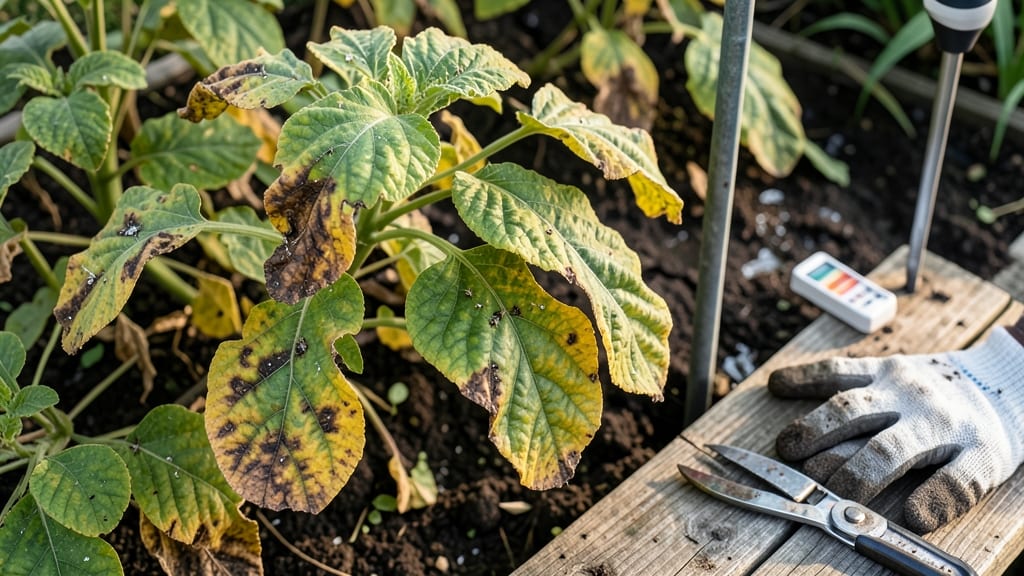
Limp tomato plants aren’t always a death sentence—often, they’re screaming for calcium. 🌱 I’ve nursed back dozens of floppy plants by addressing the root cause, whether it’s overwatering, nutrient imbalance, or environmental stress, and I’ll show you exactly how to diagnose and fix it.
The first step is identifying the problem: check the soil moisture, leaf discoloration (yellowing or browning edges), and stem firmness. Overwatering causes mushy stems, while calcium deficiency (blossom-end rot) creates dark, sunken spots on fruit.
Once you pinpoint the issue, targeted fixes—like adjusting watering, adding lime, or pruning damaged foliage—can revive plants in 7-10 days. You’ll end up with sturdy, upright plants producing heavier, healthier fruit—no more sad, drooping vines.
The key is acting fast and addressing the specific stressor, whether it’s too much water, not enough nutrients, or pest pressure. This method works for container-grown tomatoes, raised beds, and in-ground plants alike. Let’s get those plants standing tall again!
Root Causes Behind Weak Tomato Stems
When your tomato plants start looking like they’ve had one too many late-night parties, the culprit is often lurking beneath the soil—or even in the air. Understanding why your plants are going limp is the first step to bringing them back to their vibrant, productive selves.
Here’s a breakdown of the most common reasons, backed by science and ready for action.
Tomatoes are thirsty, but too much water can drown their roots—literally. When soil stays soggy, oxygen can’t reach the roots, leading to root rot (often caused by Phytophthora or Pythium fungi). This weakens the plant’s structure, making stems floppy and leaves wilt.
Why it happens:
- Waterlogged soil suffocates roots, cutting off their ability to absorb nutrients.
- Compacted or clay-heavy soil traps excess moisture, worsening the problem.
- Overhead watering keeps leaves damp, inviting fungal infections that spread to stems.
Actionable fix: Let the top 1–2 inches of soil dry out between waterings. Amend heavy soil with compost or perlite to improve drainage. Water at the base (not the leaves) to keep foliage dry.
Tomatoes are tropical plants at heart—they hate sudden temperature swings. Heatwaves or late frosts can cause physiological wilting, where plants temporarily lose turgor (the rigid structure of cells) due to stress.
Why it happens:
- Heat stress (above 90°F/32°C) causes stomata (leaf pores) to close, reducing water uptake and making stems sag.
- Cold snaps (below 50°F/10°C) disrupt cellular function, leading to limp, discolored leaves.
- Sunburn on young plants weakens cell walls, making them prone to wilting.
Actionable fix:
- Provide afternoon shade during heatwaves with row covers or shade cloth.
- Mulch heavily (3–4 inches) to regulate soil temperature and retain moisture.
- Use black plastic mulch in cold climates to warm the soil gradually.
Limp stems are often a cry for help—specifically, a lack of calcium. This essential mineral strengthens cell walls, and without it, tomatoes develop blossom-end rot (in fruits) and blossom-end rot’s evil twin: weak, mushy stems.
Why it happens:
- Calcium deficiency (often due to uneven watering or high nitrogen) causes cavity spot or blossom-end rot, but it also weakens structural integrity.
- Potassium deficiency leads to poor water regulation, making stems flaccid.
- Magnesium deficiency (yellowing between leaf veins) can also cause wilting.
Actionable fix:
- Apply calcium-rich amendments like crushed eggshells, gypsum, or a balanced fertilizer (10-10-10) with micronutrients.
- Water consistently to avoid calcium uptake issues (dry-wet cycles block calcium absorption).
- Side-dress with banana peels (potassium) or Epsom salt (magnesium) if needed.
Hidden invaders like aphids, spider mites, or fungal pathogens (e.g., Fusarium wilt) can sap a plant’s strength, leading to limpness. Even root-knot nematodes (microscopic worms) gnaw on roots, disrupting water and nutrient flow.
Why it happens:
- Sap-sucking pests (aphids, whiteflies) inject toxins that weaken vascular tissue.
- Fungal wilt diseases (e.g., Verticillium) clog xylem vessels, cutting off water transport.
- Nematodes create galls on roots, reducing surface area for absorption.
Actionable fix:
- Inspect leaves/stems for pests—blast off aphids with water or use neem oil.
- Rotate crops annually to prevent soil-borne diseases.
- Test soil for nematodes and treat with beneficial nematodes (Steinernema species) if needed.
Even well-cared-for seedlings can go limp after transplanting. Root disturbance or root-bound plants (grown too long in small pots) struggle to establish, leading to temporary wilting.
Why it happens:
- Root pruning during transplanting creates stress as new roots regrow.
- Circling roots from pot-bound plants strangle themselves, limiting nutrient uptake.
- Improper hardening off (sudden exposure to sun/wind) shocks the plant.
Actionable fix:
- Gently tease out roots before transplanting to encourage outward growth.
- Harden off seedlings gradually (5–7 days) by exposing them to outdoor conditions.
- Use mycorrhizal fungi (available as powders) to boost root health post-transplant.
Reviving Weak Tomato Plants Fast
If your tomato plants are drooping like overcooked spaghetti, don’t toss them yet! With the right care, you can nurse them back to health—and even boost future harvests. Below are targeted fixes for the most common causes of limp tomato plants, along with prevention tips to keep your garden thriving.
Signs: Wilting leaves that don’t perk up after watering, yellowing lower leaves, or soil that’s either bone-dry or soggy.
🔥 Step 1: Check the Soil Moisture
Stick your finger 1–2 inches deep into the soil. If it’s dry, it’s time to water. If it’s muddy, hold off and let it dry slightly.
🍳 Step 2: Water Deeply (But Smartly)
- Underwatered? Water slowly and deeply at the base of the plant (not the leaves) to avoid fungal issues. Use drip irrigation or a soaker hose for best results.
- Overwatered? Stop watering immediately and improve drainage.
Mix compost or perlite into the soil to help it dry faster. If planted in containers, ensure pots have drainage holes.
👨🍳 Step 3: Adjust Your Watering Routine
Tomatoes need 1–2 inches of water per week, but consistency is key. Water in the early morning to reduce evaporation and fungal risks.
💡 Prevention Tip: Mulch around plants with straw or wood chips to retain moisture and regulate soil temperature.
Signs: Dark, sunken spots on the bottom of fruits, crispy or leathery texture, and limp, yellowing leaves.
🔥 Step 1: Boost Calcium Immediately
Tomatoes need calcium to stay strong. Mix 1 tablespoon of crushed eggshells or calcium-rich fertilizer (like gypsum or lime) into the soil around the plant. For container-grown tomatoes, add 1 teaspoon of eggshell powder to the water when watering.
🍳 Step 2: Use Foliar Spray for Fast Relief
Mix 1 tablespoon of calcium nitrate in a gallon of water and spray it directly on leaves (early morning or evening). This helps calcium absorb quickly.
👨🍳 Step 3: Prevent Future Deficiencies
- Avoid over-fertilizing with nitrogen (too much = calcium starvation).
- Test your soil (pH should be 6.0–6.8 for best calcium uptake).
- Compost regularly—healthy soil = happy tomatoes!
💡 Prevention Tip: If your soil is sandy or acidic, amend it with composted manure or crushed oyster shell before planting.
Signs: Yellow or brown spots on leaves, mushy stems, or white/powdery growth (like mold).
🔥 Step 1: Prune Affected Areas
Use sterilized pruners to remove and destroy (don’t compost!) infected leaves or stems. This stops the spread.
🍳 Step 2: Apply Fungicide or Baking Soda Spray - For early-stage issues: Mix 1 teaspoon of baking soda + 1 tablespoon of vegetable oil + 1 teaspoon of dish soap in a gallon of water.
Spray every 7–10 days. - For severe infections: Use a copper-based fungicide (follow label instructions).
👨🍳 Step 3: Improve Airflow & Sanitize Tools
- Space plants at least 18–24 inches apart for better airflow.
- Water at the base (not overhead) to keep leaves dry.
- Sterilize pruners with rubbing alcohol between uses.
💡 Prevention Tip: Rotate crops—never plant tomatoes in the same spot year after year to prevent soil-borne diseases.
Signs: Drooping leaves (even when soil is moist), bleached or scorched leaf edges, or slow growth in extreme temps.
🔥 Step 1: Provide Shade (If Too Hot)
If temps hit above 90°F (32°C), use shade cloth (30–50%) or row covers to protect plants. Morning sun is best—afternoon shade helps in scorching climates.
🍳 Step 2: Mulch & Water Deeply
- Heat stress? Mulch with straw or grass clippings to keep roots cool.
- Cold stress? Use black plastic mulch to absorb heat or row covers for frost protection.
👨🍳 Step 3: Adjust Planting Times
- Hot climates? Start seeds early (winter/spring) or choose heat-tolerant varieties (like ‘Heatmaster’ or ‘Solar Fire’).
- Cold climates? Plant after the last frost and use cold frames for early starts.
💡 Prevention Tip: Drip irrigation keeps soil temps stable—avoid overhead sprinklers that cool leaves too much.
Signs: Floppy stems, roots pulling away from soil, or plants toppling over.
🔥 Step 1: Stake or Cage Immediately
If stems are too weak to support fruit, install tomato cages or stakes now. Gently tie vines with soft plant ties (not wire—it can cut stems).
🍳 Step 2: Fertilize for Strong Growth
Use a balanced fertilizer (10-10-10 or 5-5-5) to encourage root and stem development. Avoid high-nitrogen fertilizers—they promote leaves over structure.
👨🍳 Step 3: Improve Soil Structure
If roots are struggling, amend soil with:
- Compost (for nutrients)
- Perlite or vermiculite (for aeration)
- Worm castings (for microbial boost)
💡 Prevention Tip: Prune suckers (side shoots) to direct energy into main stems and fruit rather than extra foliage.
Final Thought: Most limp tomato plants can bounce back with the right care—just diagnose the issue, act fast, and prevent future problems. Your garden (and future sauces!) will thank you. 🍅✨
Frequently asked questions
Why do my tomato plants suddenly droop even when the soil feels moist?
This often signals heat stress or fungal wilt. Tomatoes close their stomata (leaf pores) when temps exceed 90°F (32°C), causing wilting even with moist soil. Check for yellowing leaves or mushy stems—these indicate Verticillium wilt. Provide afternoon shade and water deeply at soil level to revive them.
How can I tell if my limp tomato plants need calcium or just water?
Look for dark sunken spots on fruit (blossom-end rot) or brown edges on leaves—these are classic calcium deficiency signs. If leaves are uniformly yellow (not just edges), it’s likely overwatering or nutrient imbalance. Test soil moisture first: if top 2 inches are dry, water. If soggy, boost calcium with crushed eggshells or gypsum.
Will pruning help limp tomato plants recover?
Yes, but only if done correctly! Remove yellowed lower leaves (they compete for nutrients) and any diseased foliage. Avoid heavy pruning—focus on 10-20% of the plant to reduce stress. Sterilize pruners with rubbing alcohol to prevent spreading infections. For severe cases, prune back to healthy green growth to redirect energy.
Can I save tomato plants with mushy stems?
Mushy stems usually mean root rot from overwatering. If caught early, you can try saving them by reducing water immediately and improving drainage. Mix compost and perlite into soil and stake the plant to support weak stems. However, if stems are black or hollow, the plant is likely beyond saving—remove it to prevent spreading to others.
How long does it take for tomato plants to perk up after fixes?
With proper care, you’ll often see improvement in 3-5 days for water/calcium issues. For fungal diseases or heat stress, recovery may take 7-10 days. Monitor soil moisture daily and provide consistent care—tomatoes are resilient but need patience and consistency to bounce back. Track progress by checking leaf turgor (firmness) in the morning.