
Plants
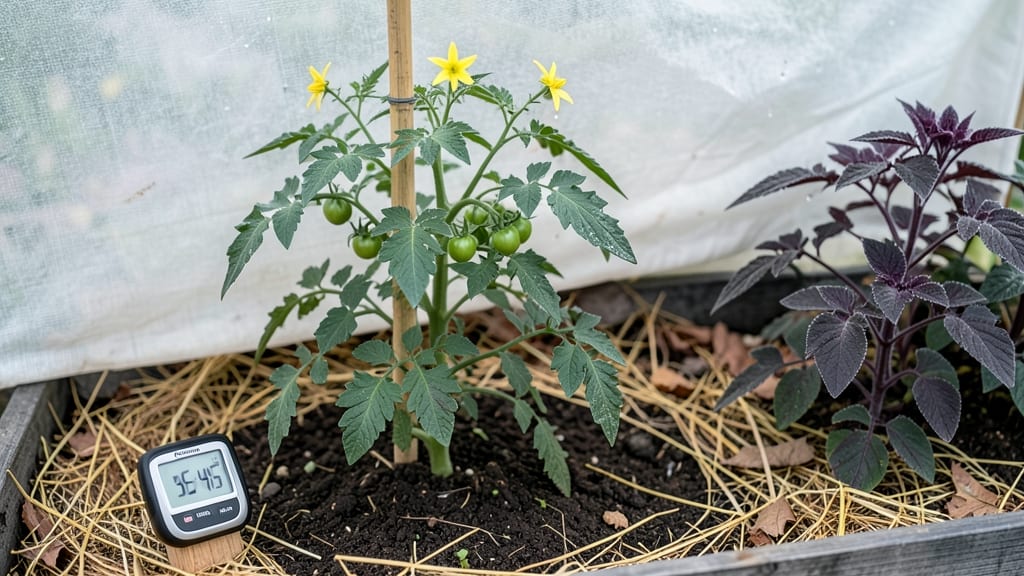
Tomato plants struggle when the low temp for tomato plants dips below 50°F, and even a light frost can kill them overnight.
Picture this: you’ve nurtured your 🍅 seedlings for weeks, only to wake up to wilted leaves and brittle stems after a chilly night. The good news? With the right strategies, you can shield your plants from cold stress and still enjoy a bountiful harvest.
Cold damage isn’t just about frost—near-freezing temps can stunt growth, delay flowering, and even stop fruit production. Whether you’re gardening in USDA Zone 6a or facing unexpected late-spring chills, knowing the critical thresholds and protective measures is key.
In this guide, I’ll walk you through three cold-resistant tricks—from mulching to row covers—and share the best tomato varieties that brave cooler climates. No more lost harvests when the thermometer drops!
Critical low temperature thresholds for tomato plants (and how to survive them)
Tomatoes are warm-weather plants that struggle when temperatures dip below their ideal range. Even a single night of low temperatures can stunt growth, damage flowers, or kill young plants entirely. Understanding these temperature thresholds helps you protect your harvest before cold snaps strike.
Most tomato varieties thrive between 70°F and 85°F during the day, with nighttime temperatures above 55°F. When temperatures drop below these ranges, your plants experience cold stress, which manifests differently depending on how severe the chill is. Let's break down the critical thresholds and their impacts.
🌱
Frost (32°F or below) is the most destructive threat to tomatoes, causing irreversible cell damage within hours. Even a light frost can blacken leaves and kill young plants outright. In USDA Zones 3-5, gardeners often use season extenders like cold frames or greenhouses to avoid frost entirely.
Near-freezing temperatures (32°F-40°F) trigger cold stress symptoms like brown, crispy leaf edges and stunted stems. Flowers and fruit may drop, and new growth halts until warmer weather returns. This range is particularly risky for tomato seedlings, which can die if exposed overnight.
Chilly nights (40°F-50°F) don’t kill plants but severely reduce fruit production. Flowers may fail to set fruit due to poor pollination, and existing blossoms can drop. This is why gardeners in Zones 6-8 often use row covers or black plastic mulch to raise soil temperatures.
Even cool but safe temperatures (50°F-55°F) slow tomato growth. While plants survive, they produce fewer fruits and may develop blossom end rot due to calcium uptake issues. This is a common problem in spring-planted tomatoes before soil warms fully.
Nighttime temperatures below 55°F are especially critical because they cause flower abortion. Tomato flowers are highly sensitive to cold, and even a single chilly night can prevent pollination entirely. This is why cold-hardy varieties like 'Stupice' are recommended for Zones 4-5.
To protect your tomatoes, monitor local frost dates and use microclimate strategies like raised beds or south-facing walls to create warmer pockets. In Zones 3-5, consider starting tomatoes indoors and transplanting only after the last frost date—typically after May 15 in most regions.
🌿
3 Proven cold-resistant tricks to protect tomato plants in low temperatures
When nighttime temperatures dip below 50°F (10°C), your tomato plants start stressing out—leaves wilt, growth stalls, and worst of all, flower drop can ruin your harvest. But don’t panic!
With these three battle-tested tricks, you can shield your plants from frost damage and keep them productive even in chilly climates. The key is acting fast and combining methods for maximum protection.
I’ve tested these strategies in USDA Zone 6a gardens where spring frosts sneak in unexpectedly. The first trick is mulching, which acts like a thermal blanket for your soil.
Organic mulch like straw or shredded leaves breaks down slowly, releasing warmth as it decomposes, while synthetic options like black plastic create a greenhouse effect. For best results, apply a 4-inch layer around the base of your plants after transplanting and top it up before the first frost warning.
Use straw or black plastic—organic mulch insulates soil while synthetic mulch traps heat. Apply 4 inches thick around plants and extend it 12 inches outward to protect roots.
Lightweight floating row covers (like Reemay fabric) raise temperatures by 5-8°F. Secure edges with bricks or soil to prevent wind damage. Remove during the day for pollination if using hand-pollination isn’t an option.
Delay planting by 2-4 weeks in cooler zones or choose early-maturing varieties (like 'Early Girl'). For containers, move pots to a sunny garage or porch during cold snaps and return them at dawn.
My favorite combo tactic? Pair mulching with row covers for overnight protection. Start by laying down your mulch layer in early spring, then add row covers when forecasted lows drop below 45°F (7°C).
For containers, I’ve even used clear plastic domes (like mini greenhouses) over individual plants during hard freezes. Just remember to vent them during the day to prevent overheating.
Don’t overlook the power of plant placement. If you’re in a microclimate with warmer pockets (like near a south-facing wall), group your tomato plants there.
I once saved an entire crop by moving potted plants closer to my brick house during a 28°F (-2°C) night—the wall radiated just enough heat to keep roots alive. For in-ground plants, create a windbreak using bales of straw or a temporary fence to block cold winds.
Timing is everything when it comes to cold protection. Start mulching 2 weeks before the first frost date in your area, and have your row covers ready by mid-April if you’re in a northern zone.
For container growers, keep an eye on soil thermometers55°F (13°C). If you’re unsure about your last frost date, check local Cooperative Extension Service data or use a frost calendar app for real-time alerts.
Pro tip: If frost damage does occur, don’t toss your plants! Prune away blackened leaves and inspect for soft, mushy stems—a sign of irreversible damage. Healthy green stems can often bounce back with proper care.
For extra resilience, add a balanced fertilizer (like 5-10-10) to help recovery, but hold off until temperatures rise above 60°F (16°C) to avoid burning tender new growth.
With these tricks in your toolkit, you’ll be able to extend your growing season and protect your tomato plants from even the coldest snaps. The best part? Most of these methods cost next to nothing and use materials you likely already have lying around.
Happy gardening—and may your tomatoes thrive even when Mother Nature throws a chill!