
Plants
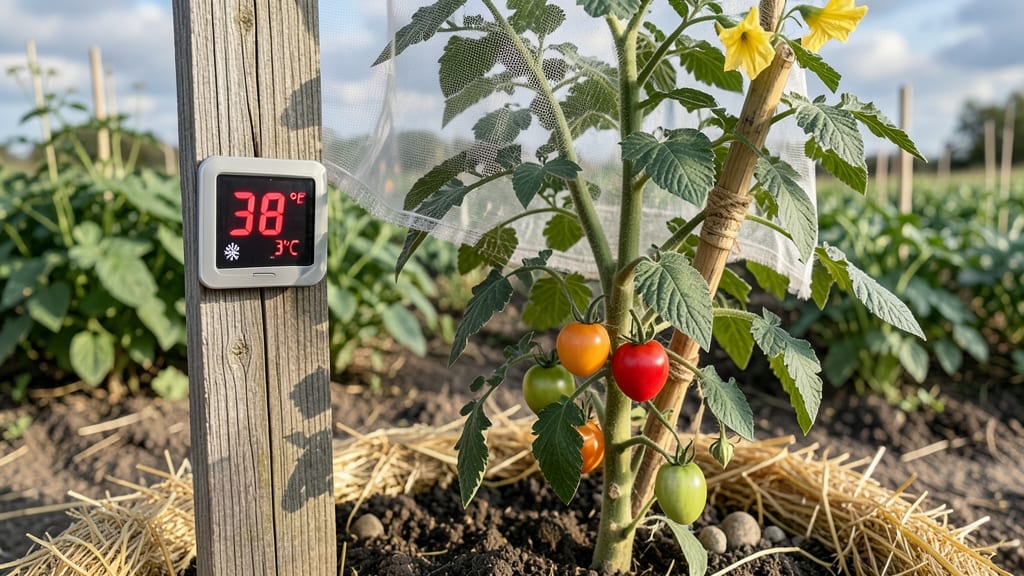
The lowest temperature tomato plants can handle depends on the variety, but most struggle below 50°F (10°C)—unless you’re growing cold-hardy types like 'Stupice' or 'Mountain Merit'.
Tomato plants are famously heat-lovers, but did you know some varieties can survive—and even thrive—in surprisingly chilly temperatures? Understanding the lowest safe temperature for tomato plants could save your harvest from early frost damage and extend your growing season dramatically.
Even the hardiest tomatoes will show signs of stress when temps dip below 45°F (7°C), like blackened leaves or stunted growth. The good news? With the right tricks—like row covers, mulching, or selecting frost-tolerant seeds—you can push those limits and enjoy tomatoes well into fall.
Below, I’ll break down the cold thresholds for popular varieties, share 5 science-backed frost tricks, and show you how to revive plants after a cold snap. No more lost harvests to early chills!
Cold-hardy tomato varieties: which survive below 50°F (10°C)?
Most gardeners assume tomatoes need warmth to thrive, but some varieties defy expectations by surviving—and even producing—when temperatures dip below 50°F (10°C). These cold-hardy tomatoes are bred to withstand light frosts and cooler climates, making them ideal for early spring or late fall planting in USDA Zones 3-6.
The key difference lies in their genetic makeup: hybrids often outperform heirlooms in cold tolerance due to selective breeding for resilience.
If you live in a short-season climate, prioritizing cold-hardy varieties can mean the difference between a bountiful harvest and wasted effort.
For example, the 'Stupice' tomato, a Czech heirloom, can tolerate temperatures as low as 32°F (0°C) for brief periods, while hybrids like 'Mountain Merit' handle 40°F (4°C) without major damage. Understanding these thresholds helps you plan your planting schedule and protect your investment from unexpected cold snaps.
🌱 Cold-Hardy Tomato Varieties Comparison
| Variety | Type | Lowest Safe Temp (°F/°C) | Days to Maturity | Cold Tolerance Notes |
|---|---|---|---|---|
| Stupice | Heirloom | 32°F (0°C) | 85-90 days | Survives brief frosts; slows growth below 40°F (4°C) |
| Mountain Merit | Hybrid | 40°F (4°C) | 70-75 days | Resistant to cracking; thrives in cool climates |
| Glacier | Hybrid | 45°F (7°C) | 60-65 days | Early producer; ideal for short seasons |
| Iron Lady | Heirloom | 42°F (6°C) | 75-80 days | Disease-resistant; tolerates humidity and cool nights |
| Siberian | Hybrid | 36°F (2°C) | 70-75 days | Coldest-tolerant hybrid; compact growth |
The table above highlights the top cold-hardy varieties, but how do you know which to choose? Heirlooms like 'Stupice' and 'Iron Lady' offer unique flavors but may require extra protection in prolonged cold.
Hybrids like 'Mountain Merit' and 'Glacier' prioritize yield and resilience, making them better for commercial growers or short-season gardens. Always check seed packets for USDA Zone recommendations—this ensures you’re selecting a variety suited to your local climate.
Identifying cold-hardy tomatoes at the nursery can be tricky, as labels often focus on color or size rather than temperature tolerance. Look for keywords like "early maturing", "cold-resistant", or "short-season" on seed packets.
Avoid varieties marketed as "heat-loving" or "tropical", as these will struggle in cooler conditions. If you're unsure, ask the nursery staff about local success stories—they often know which varieties thrive in your area.
Cold-hardy tomatoes also excel in container gardening, where you can move pots to protected locations during cold snaps. Varieties like 'Glacier' and 'Siberian' are compact, making them perfect for balconies or patios in cooler climates.
Just ensure your containers have drainage holes and use insulating materials like mulch or bubble wrap around the pots to retain heat. This extra layer of protection can raise the root-zone temperature by several degrees, giving your plants a better chance to survive chilly nights.
One common misconception is that all cold-hardy tomatoes perform poorly in heat. While they may not match the vigorous growth of tropical varieties, most handle summer temperatures just fine once established.
The real advantage is their ability to start producing earlier in the season, often yielding fruit weeks before traditional varieties. For example, 'Glacier' can begin ripening as early as 60 days, giving you a head start on the growing season and a longer harvest window.
If you're experimenting with cold-hardy tomatoes for the first time, start with 2-3 varieties to compare their performance. Plant them in similar conditions (same soil, sunlight, and watering) to isolate their cold tolerance. Keep a growth journal noting temperature fluctuations, flowering times, and fruit production.
This data will help you refine your choices for future seasons. For instance, you might discover that 'Mountain Merit' thrives in your cool mornings but struggles with late-season humidity, while
Protecting tomato plants from frost: 5 science-backed tricks
When nighttime temperatures drop below 50°F (10°C), your tomato plants can suffer irreversible damage—blackened leaves, stunted growth, or even death. But don’t panic! With the right strategies, you can shield your plants from frost and even extend your growing season.
The key lies in understanding how cold affects tomato plants and implementing protective measures before temperatures plummet.
Most tomato varieties thrive in warmth (70-85°F), but some cold-hardy types can tolerate brief dips into the 40s°F (4-9°C). Even for sensitive varieties, temporary protection can make all the difference.
Whether you’re using commercial products or DIY solutions, these five science-backed tricks will help you safeguard your harvest against frost.
- 🌡️ Tomatoes tolerate 45-50°F (7-10°C) for short periods, but below 32°F (0°C) causes irreversible damage.
- 🌱 Cold-hardy varieties like 'Stupice' or 'Mountain Merit' survive 32-36°F (0-2°C) briefly, but most hybrids fail below 40°F (4°C).
- 💧 Soil temperature matters more than air temp—keep it above 50°F (10°C) for root health.
- ❄️ Frost damage starts at 32°F (0°C) for most varieties, but light frost (28-32°F / -2 to 0°C) can be managed with protection.
- ☀️ Sun exposure after frost stress helps recovery—avoid pruning damaged leaves immediately.
One of the most effective ways to protect your tomato plants is by using row covers. These lightweight fabrics trap heat and create a microclimate that can raise temperatures by 5-10°F (3-6°C).
For a budget-friendly option, try floating row covers made from spun-bonded polyester, which allow sunlight and water to penetrate while blocking cold winds. Commercial covers like Agribon cost around $15-$30 per 3x50ft roll, but DIY versions using old bedsheets or even clear plastic sheeting can work in a pinch.
Another game-changer is mulching. A thick layer of straw or shredded leaves (3-4 inches) insulates the soil, keeping roots warm and preventing temperature fluctuations. Organic mulches also break down slowly, adding nutrients to the soil.
For extra protection, combine mulching with black plastic mulch, which absorbs heat during the day and radiates it back at night. This combo can raise soil temperatures by 5-8°F (3-4°C), giving your plants a critical advantage.
If you’re dealing with unpredictable frost warnings, consider using cloches or cold frames. These portable glass or plastic domes create a greenhouse effect, shielding plants from frost while still allowing sunlight.
For a low-cost solution, repurpose large plastic bottles or milk jugs as mini cloches—just cut off the top, remove the cap, and place them over individual plants. Commercial cloches cost $20-$50 each, but DIY versions can be made for under $5 per plant using materials you already have.
Don’t underestimate the power of strategic watering. During the day, watering your tomato plants can help them absorb and retain heat, but avoid overdoing it at night. Instead, focus on deep watering in the morning to keep the soil moist and the roots insulated.
A well-watered plant is more resilient to cold snaps, and the extra moisture in the soil acts as a natural insulator. For added protection, use drip irrigation to keep foliage dry, reducing the risk of frost-related diseases like early blight.
Finally, if frost is imminent and you’re caught off guard, emergency measures can save your plants. Drape blankets or old towels over your tomato plants and secure them with bricks or stakes. This creates a temporary barrier against the cold.
For a more permanent fix, consider moving potted tomatoes to a garage or sheltered area during the night and bringing them back outside in the morning. With these tricks, you’ll give your tomato plants the best chance to survive—and even thrive—when temperatures drop.