
Planting
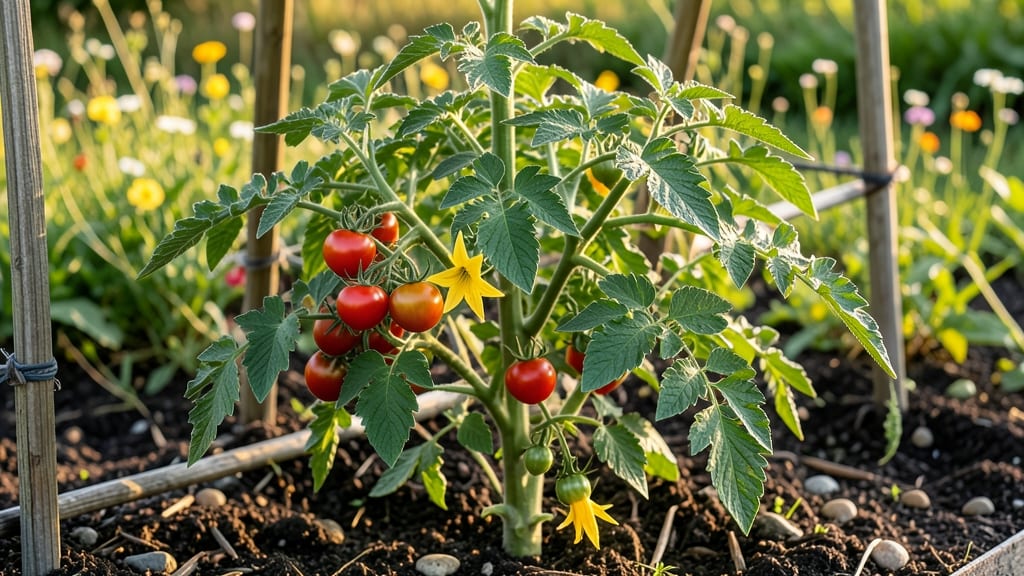
A mature tomato plant 🍅 is the backbone of a productive garden, but its heavy fruit load can quickly turn into a flopping disaster if you don’t support it right.
Picture this: your vines are sagging under the weight of ripening tomatoes, and every breeze threatens to dump them onto the soil. That’s not just a lost harvest—it’s a missed opportunity to maximize the yield you’ve worked so hard to grow.
In this guide, I’ll walk you through the key pruning techniques and trellising methods that keep your plants upright, healthy, and producing until the first frost.
You’ll discover how to balance growth and fruit load, avoid common mistakes that cause plants to collapse, and even troubleshoot issues before they derail your harvest.


When and how to prune mature tomato plants for maximum fruit production
Pruning your mature tomato plant isn’t just about keeping vines tidy—it’s a game-changer for fruit production. When done right, pruning directs energy to fruit development instead of excessive foliage, preventing plant stress and disease.
The key is timing and technique, especially as your plants reach peak maturity with heavy fruit loads.
I’ve learned the hard way that over-pruning can weaken your tomatoes, while under-pruning leads to tangled vines and lost harvests. The solution? A balanced approach tailored to your tomato variety—whether it’s indeterminate (vining) or determinate (bush). Let’s break it down step by step to keep your plants thriving.
Step-by-Step Pruning Guide for Mature Tomatoes
- 1 Identify Suckers: Look for suckers (small shoots) in the leaf axils (where leaves meet stems). These compete with fruit for energy.
- 2 Prune at the Right Time: Pinch or cut suckers when they’re 1-3 inches long (smaller = less stress). Do this in the morning to allow wounds to heal by evening.
- 3 Use Clean Tools: Sterilize pruners with rubbing alcohol to prevent disease spread. Cut at a 45-degree angle just above a leaf node.
-
4
Adjust for Variety:
- Indeterminate: Prune aggressively to 1-2 main stems, removing suckers below the first flower cluster.
- Determinate: Minimal pruning—just remove yellow leaves and damaged foliage to improve airflow.
- 5 Balance Growth and Fruit: Leave 3-4 leaves above each fruit cluster to ensure photosynthesis fuels ripening.
- 6 Avoid Late-Season Pruning: Stop pruning 4-6 weeks before frost to let the plant harden off and ripen remaining fruit.
For indeterminate varieties like Sungold or Brandywine, I prune weekly during peak growth to maintain a single main stem. This might seem extreme, but it’s what keeps those vines from toppling over under the weight of 50+ tomatoes.
The goal is to create a strong framework that supports fruit without overloading the plant.
On the other hand, determinate tomatoes (like Roma or Celebrity) need far less pruning. These bush-type plants produce all their fruit at once, so I focus on removing dead leaves and thinning crowded clusters to prevent blossom end rot.
Think of it as light editing—just enough to keep airflow moving.
Timing your prunes is just as critical as the technique. I always prune in the early morning when the plant is firm and hydrated. This gives wounds time to callus over before the heat of the day, reducing the risk of pests and diseases like early blight.
Avoid pruning in the evening, as lingering moisture can invite fungal infections.
One mistake I see often is pruning too late in the season. If you cut back mature tomato plants after they’ve set fruit, you’re essentially telling them to stop producing.
Save heavy pruning for the early growing season and switch to maintenance pruning once flowers appear. This keeps the plant focused on fruit ripening rather than regrowing leaves.
Pro tip: Pair your pruning with trellising to support those
Best trellising methods for heavy-fruited tomato plants (with pros and cons)
When your mature tomato plant starts sagging under the weight of its fruit, trellising becomes essential. The right support system prevents fruit rot and plant stress, while also improving airflow and sunlight exposure.
With so many options available, choosing the best method depends on your garden space, plant variety, and maintenance preferences.
Indeterminate varieties like Sungold cherry tomatoes or Brandywine heirlooms need robust support, while determinate types such as Roma tomatoes benefit from simpler structures. Let’s break down four popular trellising methods—cages, stakes, Florida weave, and A-frame trellises—so you can decide which fits your garden best.
Trellising Method Comparison
Tomato Cages
- Easy to install
- Good airflow
- Supports indeterminate varieties
- Limited height options
- Can get crowded
- Harder to harvest
Stakes (Single or Tiers)
- Simple and affordable
- Great for small spaces
- Easy fruit access
- Less stable for heavy fruit
- Requires frequent tying
- Limited vertical growth
Florida Weave Trellis
- Excellent airflow
- Supports tall growth
- Easy to expand
- Requires more space
- Initial setup time
- Needs sturdy posts
A-Frame Trellis
- Sturdy for heavy loads
- Vertical and horizontal growth
- Easy to harvest from
- More complex to build
- Takes up garden space
- Requires strong materials
For indeterminate varieties, I recommend either a Florida weave trellis or an A-frame trellis because they provide the most support and airflow. These methods allow vines to grow vertically while keeping fruit off the ground and reducing disease risk.
If you’re working with limited space, tomato cages are a great low-maintenance option, though they may not support the heaviest fruit loads.
On the other hand, determinate tomatoes like Roma or Celebrity varieties can thrive on single stakes or even tiered cages. These plants naturally bush out, so they don’t need the same level of vertical support.
Just ensure the stake is at least 4-5 feet tall to accommodate their mature height and fruit weight.
When setting up any trellis, use soft plant ties or velcro strips to secure vines without