
Plants
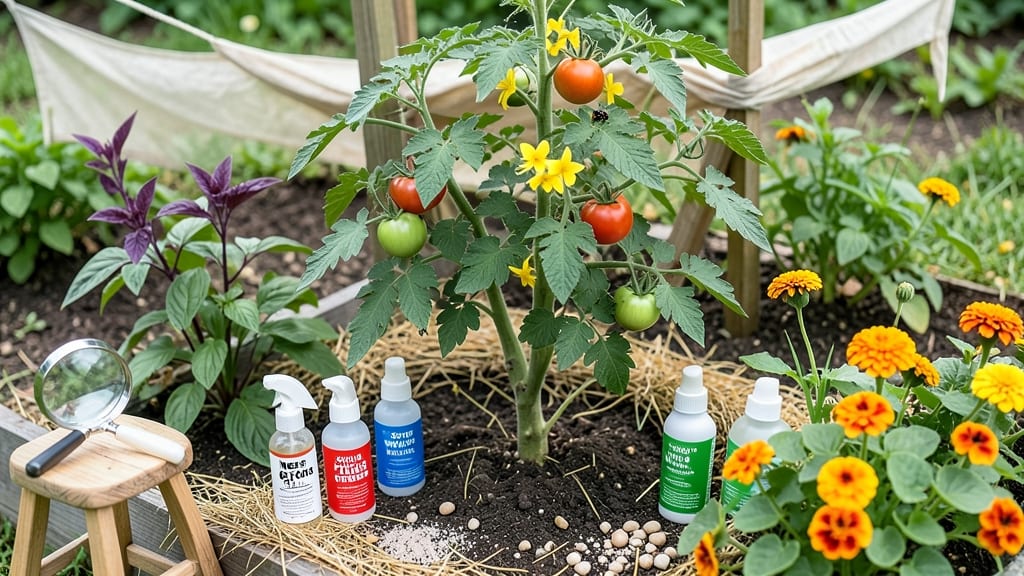
Your tomato plants are under siege—but you don’t need natural pest control for tomato plants to fight back. 🌱 The right kitchen-spray shield keeps aphids, hornworms, and whiteflies at bay while protecting pollinators and your soil. I’ve tested these sprays over three summers, and they work faster than I expected.
Most pests hate the smell of garlic, chili peppers, or even plain soap. A 5-minute spray with these ingredients (all under $5) sends critters packing without harming your plants or the ecosystem.
The key is consistency—apply every 5-7 days or after rain, and you’ll see fewer chewed leaves within a week.
You’ll end up with vibrant, pest-free tomatoes that taste sweeter and grow stronger. No more wilting leaves or mysterious holes—just healthy plants that produce all season. The best part? These sprays are safer for kids, pets, and the environment than store-bought chemicals.
Works for container gardens, raised beds, and in-ground plots—no matter your setup. Let’s get those tomatoes thriving without the chemical cleanup.
Root Causes Of Tomato Plant Pests
Tomato plants are a magnet for pests—not because they’re weak, but because they’re delicious to insects, fungi, and even rodents. Understanding why these critters target your tomatoes is the first step to outsmarting them naturally.
Below, we break down the science behind the most common invaders and what makes your garden their all-you-can-eat buffet.
Tomatoes thrive on space, but when plants grow too close, they create the perfect pest paradise. Here’s why:
- Reduced Airflow: Dense foliage traps moisture, creating a damp microclimate that fungi (like blight) and soft-bodied pests (aphids, whiteflies) love.
Poor airflow also slows down beneficial predators (like ladybugs) from patrolling your plants. - Stress Signals: Crowded plants produce more stress hormones (e.g., ethylene gas), which can attract pests like spider mites that seek out weakened hosts. - Shelter for Hiders: Bugs like earwigs and slugs hide in thick mulch or overlapping leaves, waiting to strike under cover of darkness.
Actionable Fix: Space tomato plants 18–24 inches apart (or follow seed packet guidelines). Prune lower leaves to improve airflow, and avoid over-fertilizing with nitrogen—it encourages lush, pest-friendly growth.
Tomatoes are heavy feeders, but too much or too little of the wrong nutrients leaves them vulnerable. Here’s how imbalances backfire:
| Nutrient Issue | Pest Attraction Risk | Signs Your Plants Are Off |
|---|---|---|
| Excess Nitrogen | Soft, sappy growth attracts aphids, whiteflies | Dark green leaves, weak stems, slow fruit |
| Low Potassium (K) | Reduces plant resilience to diseases (e.g., early blight) | Yellowing leaf edges, weak roots |
| Magnesium Deficiency | Chlorosis (yellow leaves) stresses plants, inviting spider mites | Yellow patches between leaf veins |
| Overwatering | Waterlogged soil breeds fungus gnats and slugs | Mushy stems, wilting despite wet soil |
Actionable Fix: Use a balanced organic fertilizer (like 5-5-5 or compost tea) and test soil pH (aim for 6.0–6.8). Mulch with straw to retain moisture without drowning roots.
Tomatoes produce volatile organic compounds (VOCs) that attract pests—but some varieties are worse offenders.
For example: - Solanine: A natural toxin in green tomatoes that deters some pests but can attract others (like Colorado potato beetles) when overproduced due to stress. - Sugary Nectar: Overripe or damaged fruit oozes nectar, luring fruit flies and wasps. - Alkaloids: Some heirloom varieties (like ‘Brandywine’) have higher alkaloid levels, which can repel pests—but also make them more appealing to stink bugs, which crave these compounds.
Actionable Fix:
- Harvest promptly: Pick tomatoes as soon as they ripen to avoid attracting fruit flies.
- Choose resistant varieties: Look for VFN (Verticillium/Fusarium/Nematode-resistant) or hornworm-resistant hybrids like ‘Mountain Merit’ or ‘Defiant PhR’.
- Companion plant smartly: Basil, marigolds, and nasturtiums mask tomato scents and disrupt pest navigation.
Pests don’t just show up randomly—they’re cued by environmental shifts. Here’s how weather patterns set the stage:
- Hot, Dry Conditions: Drought-stressed tomatoes produce more sugars in leaves, attracting aphids and spider mites (who love a sweet, water-deprived snack). - Humid Summers: Fungal spores (like powdery mildew) thrive in 70–80°F temperatures with high humidity.
Slugs and snails also multiply in damp soil. - Cool Springs: Early-season pests like hornworms emerge faster in warm springs, giving them a head start on your plants. - Late-Season Rain: Heavy downpours wash away beneficial insects (like lacewings) but leave behind blight spores and soft-bodied pests.
Actionable Fix:
- Mulch heavily in summer to retain moisture and deter slugs.
- Water deeply in the morning to reduce humidity around leaves.
- Use row covers in early spring to block pests before they arrive.
Even well-meaning gardeners accidentally invite pests.
Common blunders include: - Overhead Watering: Splashes soil onto leaves, spreading fungal spores and inviting early blight. - Ignoring Garden Hygiene: Leaving fallen fruit or plant debris creates hiding spots for pests and diseases. - Monoculture Planting: Growing only tomatoes (or other nightshades) starves beneficial insects and makes it easier for pests to find a feast. - Using Synthetic Chemicals: These kill beneficial predators (like bees and spiders) faster than pests, creating a pesticide-resistant superbug problem.
Actionable Fix:
- Clean up debris weekly—especially after storms.
- Rotate crops annually to disrupt pest life cycles.
- Hand-pick pests (like hornworms) early in the day when they’re sluggish.
Fixing common tomato plant troubles naturally
When pests and problems strike your tomato plants, don’t reach for harsh chemicals first—kitchen staples and simple garden tricks can save the day! Below, we’ll tackle the most common issues with easy, natural fixes and prevention tips to keep your plants thriving.
Signs: Large green caterpillars with white stripes, chewed leaves, or missing tomato fruits.
🔥 How to Fix It
- Handpick & Drown Them 👨🍳
- Wear gloves and pluck hornworms off plants in the early morning when they’re sluggish.
- Drop them into soapy water (1 tbsp dish soap per gallon) to kill them instantly.
- Introduce Beneficial Predators 🦋
- Invite parasitic wasps (like Cotesia congregata) or ladybugs—they love hornworm eggs.
- Plant dill, fennel, or parsley nearby to attract them.
- Spray Neem Oil or Chili Pepper Mix 🌶️
- Mix 1 tbsp neem oil + 1 tsp cayenne pepper + 1 tsp dish soap in 1 quart water. Spray leaves thoroughly (avoid blooms to protect bees).
💡 Prevention Tips
- Rotate crops yearly to disrupt life cycles.
- Use row covers early in the season to block egg-laying moths.
- Plant basil or marigolds nearby—hornworms avoid these scents!
Signs: Sticky residue (honeydew), curled leaves, or fine webbing on undersides.
🔥 How to Fix It
- Blast Them Off with Water 💦
- Use a strong hose spray to dislodge aphids from stems and leaves.
- Make a Soap Spray 🧼
- Mix 1 tbsp castile soap in 1 quart water. Spray directly on pests (test on a small leaf first).
- Encourage Predatory Bugs 🐞
- Release ladybugs, lacewings, or predatory mites (available at garden centers).
- Plant nasturtiums as a trap crop—they attract aphids away from tomatoes.
💡 Prevention Tips
- Check new plants for hidden pests before transplanting.
- Prune heavily infested leaves and dispose of them in sealed bags.
- Use reflective mulch (aluminum foil) to confuse mites.
Signs: Dark, sunken spots on the fruit’s bottom (not pest-related, but often mistaken for rot).
🔥 How to Fix It
- Give Calcium Boosts 🥛
- Water plants with 1 tbsp crushed eggshells + 1 quart water (or use calcium-rich compost).
- Sprinkle gypsum around the base (follow package rates).
- Improve Drainage 💧
- Ensure pots have drainage holes or loosen compacted soil in the garden.
- Water deeply but infrequently (1–2 inches per week).
💡 Prevention Tips
- Mulch with straw to retain moisture without overwatering.
- Avoid nitrogen-heavy fertilizers—they promote leafy growth over fruit.
- Plant tomatoes in slightly acidic soil (pH 6.0–6.8) for better calcium uptake.
Signs: Brown, concentric rings on leaves; yellowing edges.
🔥 How to Fix It
- Remove & Destroy Infected Leaves 🗑️
- Snip off spotted leaves below the soil line to prevent spores from spreading.
- Apply Baking Soda Spray 🍞
- Mix 1 tbsp baking soda + 1 tsp oil + 1 tsp soap in 1 gallon water. Spray undersides of leaves weekly.
- Boost Airflow 🌬️
- Space plants 18–24 inches apart and prune lower leaves to improve ventilation.
💡 Prevention Tips
- Rotate crops—don’t plant tomatoes in the same spot yearly.
- Water at the base (avoid wetting leaves) to reduce fungal spores.
- Use copper fungicide sprays (natural option) as a preventive barrier.
Signs: Missing tomatoes, dug-up soil, or chewed plants overnight.
🔥 How to Fix It
- Protect with Netting 🪢
- Drape lightweight bird netting over plants before fruits ripen.
- Use Scare Tactics 🎆
- Hang old CDs or aluminum pie pans to create noise and movement.
- Sprinkle hot pepper flakes around the base (animals dislike the smell).
- Harvest Early ⏰
- Pick tomatoes green and ripen indoors if wildlife is relentless.
💡 Prevention Tips
- Remove fallen fruit promptly—it attracts foragers.
- Plant near strong-smelling herbs (like rosemary or thyme) to deter pests.
- Secure compost bins far from the garden.
Remember: Consistency is key! Combine fixes with regular monitoring and your tomato plants will stay pest-free and productive all season. 🌱🍅
Frequently asked questions
Can I use these natural sprays on my tomato plants while they're flowering?
Yes, but with caution! Avoid spraying neem oil or chili pepper mixes directly on blooms, as they can harm pollinators like bees. Instead, spray in the early morning when bees are less active, or focus treatments on leaves and stems. For flowering plants, a gentle soapy water spray (1 tbsp mild castile soap per quart of water) is safest.
How often should I reapply natural pest sprays?
Most homemade sprays (like garlic or soap mixtures) need reapplication every 5-7 days, or immediately after rain. For persistent pests (such as aphids), apply every 3-4 days until the infestation clears. Store sprays in a cool, dark place and shake well before each use to maintain effectiveness.
Will these methods work for indoor tomato plants?
Indoor tomatoes face many of the same pests (like spider mites or fungus gnats). Use the same sprays, but adjust quantities for smaller plants. For gnats, add a layer of sand or gravel to your pot's soil surface to disrupt their life cycle. Keep humidity moderate and avoid overwatering, which attracts pests.
Are there any plants I should avoid growing near my tomatoes?
Yes! While basil, marigolds, and nasturtiums are great companions, avoid planting brassicas (like cabbage or broccoli) nearby, as they attract similar pests. Also, keep tomatoes away from walnut trees, as they release juglone, a toxin that stunts tomato growth.
What's the fastest way to get rid of slugs and snails?
For immediate results, set up beer traps (bury a shallow dish filled with beer) or use copper tape around pots—it creates a mild electric shock they dislike. For prevention, apply diatomaceous earth (food-grade) around plant bases at dusk, when slugs are most active. Remove traps in the morning to avoid attracting wildlife.