
Pests and Diseases
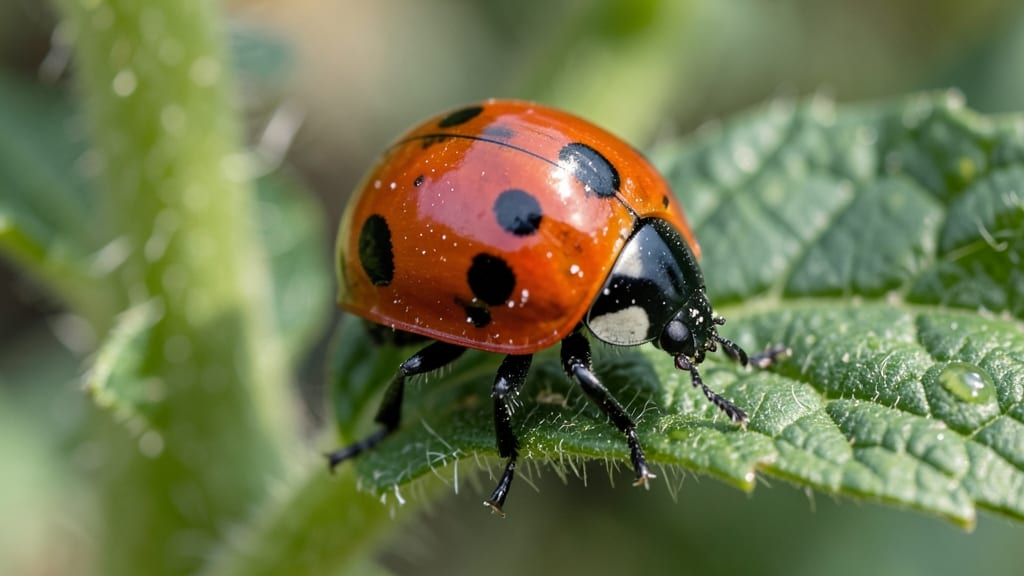
Your tomato plants can achieve organic tomato insect control without toxic sprays—neem oil is the secret weapon that works in 24 hours. 🌱 I’ve battled hornworms, aphids, and whiteflies for years, and this simple spray stops them dead in their tracks while keeping your plants thriving.
The magic isn’t just in the spray—it’s in the timing and technique. Apply neem oil at dusk when pests are active but before bees wake up, and pair it with companion planting (like basil or marigolds) to create a pest-proof barrier. No more lost harvests to hungry bugs.
You’ll see results fast: fewer holes in leaves, no sticky residue from aphids, and plants that keep growing strong. The best part? This method protects pollinators while keeping your tomatoes safe to eat straight off the vine. Works for backyard gardens, containers, or even raised beds.
Here’s how to make it foolproof—no chemicals required.
Why it happens
When it comes to organic tomato gardens, pests aren’t just a nuisance—they’re a sign of imbalance. Understanding why they show up in the first place is the first step to stopping them naturally.
Below, we break down the real reasons behind common tomato insect invasions, from environmental triggers to plant vulnerabilities.
🌱 Poor Plant Health Weakens Defenses
Tomatoes, like all plants, rely on a strong immune system to fend off pests. When they’re stressed or malnourished, they become easy targets. Here’s why:
- Nutrient Deficiencies: Lack of nitrogen, phosphorus, or potassium weakens cell walls, making plants more attractive to sap-sucking insects like aphids and whiteflies. Example: Yellowing leaves (chlorosis) often signal nitrogen deficiency, which also signals to pests, “Eat me!”
- Overwatering or Underwatering:
- Overwatering creates soggy soil, inviting fungus gnats and slugs while suffocating roots.
- Underwatering stresses plants, reducing their ability to produce defensive compounds like alkaloids (natural insect repellents).
- Compacted or Poor Soil: Roots struggle to absorb nutrients in dense soil, leading to stunted growth. Weak plants can’t support robust foliage, making them less resilient to chewing pests like hornworms or Colorado potato beetles.
Actionable Fix: Test your soil’s pH (aim for 6.0–6.8) and amend with compost or organic matter to boost microbial activity, which strengthens plant immunity.
🌞 Environmental Conditions Invite Pests
Pests thrive in specific conditions, and tomatoes often become collateral damage when the environment shifts in their favor. Key triggers include:
| Factor | How It Attracts Pests | Common Culprits |
|---|---|---|
| High Humidity | Moisture-loving insects and fungi spread faster. Stagnant air also traps pests near plants. | Whiteflies, spider mites, early blight fungus |
| Warm Nights | Accelerates insect reproduction cycles (e.g., aphids can multiply 10x faster in warm conditions). | Aphids, tomato hornworms, stink bugs |
| Drought Stress | Plants produce more sugars to survive, which attracts nectar-feeding insects. | Whiteflies, leafhoppers, beetles |
| Monoculture Planting | Large patches of tomatoes offer pests a buffet effect—easy access to food and shelter. | Colorado potato beetles, cutworms, flea beetles |
Actionable Fix: Improve airflow with pruning (remove crowded leaves) and mulch (straw or grass clippings) to regulate moisture and temperature. Interplant tomatoes with basil, marigolds, or onions to disrupt pest patterns.
🐛 Natural Tomato Attractants
Tomatoes aren’t just food—they’re chemical magnets for certain insects. Their scent, color, and even the juices they produce can lure pests like a dinner bell. Here’s the science:
- Volatile Organic Compounds (VOCs):
Tomato leaves emit green leaf volatiles (GLVs) when damaged, which attract parasitic wasps (good!) but also aphids and whiteflies (bad!). These pests are drawn to the smell of distress.
- Sweet Nectar and Pollen:
Tomato flowers produce nectar to attract pollinators, but they also lure sap-sucking insects like aphids and thrips. Once established, these pests excrete honeydew, which further attracts ants and sooty mold.
- Soft, Tender Fruit:
Ripe tomatoes are a protein and water-rich feast for chewing insects. Hornworms, for example, can devour a whole tomato in 24 hours because the flesh is easy to digest.
Actionable Fix:
- Remove overripe or damaged fruit immediately to eliminate attractants.
- Use yellow sticky traps near plants to intercept whiteflies and aphids before they feed.
- Apply neem oil or kaolin clay as a barrier to disrupt pests’ ability to detect tomato VOCs.
🌿 Lack of Beneficial Predators
In a balanced ecosystem, predatory insects and microbes keep tomato pests in check. But when these natural allies are missing, pests take over. Common reasons include:
- Pesticide Use (Even Organic Ones):
Some organic sprays (like pyrethrin-based products) can kill beneficial insects like ladybugs, lacewings, and parasitic wasps faster than pests. Result: A vacuum effect where pests reproduce unchecked.
- Habitat Loss:
Monoculture gardens lack diverse plantings that provide shelter and food for predator insects. For example, dill and fennel attract parasitic wasps, but if they’re absent, pests like hornworms go unchecked.
- Seasonal Timing:
Some predators (like ground beetles) emerge after early-season pests (e.g., flea beetles). Without intervention, the first wave of pests can wipe out seedlings before predators arrive.
Actionable Fix:
- Plant companion plants like alyssum, cosmos, or sweet alyssum to attract hoverflies and ladybugs.
- Avoid broad-spectrum sprays; opt for targeted solutions like handpicking or neem oil.
- Introduce beneficial nematodes (like Steinernema carpocapsae) to control soil-dwelling pests organically.
Natural Fixes For Tomato Pests
Now that you know what’s munching on your tomatoes, let’s tackle those pests organically—without harsh chemicals. Below are targeted solutions for common tomato invaders, paired with prevention tips to keep your plants thriving long-term.
Cause: These striped caterpillars can strip a plant bare overnight. Fix:
- Handpick & Drop: 🔥 Spot them? Squish or drop them into soapy water (they’re easy to spot—big and green!).
- Neem Oil Spray: 🍳 Mix 1 tsp neem oil + 1 tsp mild soap + 1 quart water, spray top & undersides of leaves at dusk (avoids harming bees).
- Parasitic Wasps: 👨🍳 Introduce braconid wasps (they lay eggs in hornworms—nature’s pest control!).
Prevent: ✨ Plant basil nearby—its scent repels hornworms. ✨ Rotate crops yearly to disrupt their life cycle.
Cause: These sap-suckers cluster on new growth, leaving sticky honeydew (which attracts mold). Fix:
- Blast Them Off: 💦 Use a strong stream of water to knock them loose (do this in the early morning).
- Soap Spray: 🧼 Mix 1 tbsp castile soap + 1 quart water, spray directly on aphids (reapply every 3–4 days).
- Ladybugs: 🐞 Release beneficial ladybugs—they eat hundreds of aphids daily!
Prevent: 🌡️ Encourage airflow—aphids love crowded, damp plants. 🎯 Interplant with garlic or chives—their strong scent deters them.
Cause: These white, moth-like bugs flutter when disturbed and weaken plants with their saliva. Fix:
- Yellow Sticky Traps: 🎯 Hang yellow cards coated in petroleum jelly near plants—they get stuck fast.
- Kaolin Clay Spray: 🏖️ Mix 1 cup kaolin clay + 1 gallon water, spray leaves thoroughly (creates a barrier they hate).
- Diatomaceous Earth (DE): ⏰ Sprinkle food-grade DE around the base (reapply after rain).
Prevent: 💡 Check new plants before bringing them indoors—whiteflies hitchhike! 🔥 Remove yellowing leaves (they’re a breeding ground).
Cause: These jumping black beetles create shotgun-like holes in leaves. Fix:
- Row Covers: 🛡️ Use floating fabric row covers (even lightweight ones work).
- Dust with DE: 🌡️ Lightly dust soil and leaves with diatomaceous earth (reapply after watering).
- Copper Tape: 🔪 Wrap copper tape around pots—the mild electric shock repels them.
Prevent: 🌱 Plant early—flea beetles prefer young seedlings. ✨ Mulch heavily to deter them from jumping onto plants.
Cause: These green or brown caterpillars chew stems at soil level, toppling plants. Fix:
- Collar Barrier: 🛡️ Wrap cardboard or aluminum foil collars around stems (3 inches deep).
- Beer Trap: 🍺 Bury a small cup filled with beer near plants—cutworms crawl in and drown.
- Handpick at Night: 🌙 They’re most active after dark (flashlight helps!).
Prevent: 💡 Avoid overhead watering—keeps soil dry (they hate it). 🎯 Plant marigolds nearby—their scent confuses them.
- Healthy Soil = Strong Plants: 🌱 Use compost and worm castings to boost plant resilience.
- Crop Rotation: 🔄 Switch tomato families yearly to starve soil-borne pests.
- Inspect Daily: 👀 Check undersides of leaves and new growth every morning.
- Encourage Predators: 🐝 Plant dill, fennel, or marigolds to attract ladybugs, lacewings, and birds.
Pro Tip: 🌿 Rotate your organic sprays (neem, soap, DE) to prevent pests from building resistance!
With these simple, chemical-free fixes, your tomato plants will stay pest-free, lush, and productive—no fancy gear required. 🍅💪
Frequently asked questions
How often should I apply neem oil spray for tomato pest control?
Apply neem oil every 7-10 days during active growing seasons (spring-fall) or when you first spot pests. For severe infestations, use it weekly until pests disappear. Always apply at dusk to protect pollinators while pests are active. Stop spraying 2 weeks before harvest to ensure residue-free tomatoes.
Can I use neem oil on tomato flowers or fruit?
Yes, but with caution! Neem oil is safe for flowers and fruit when used correctly. Avoid spraying directly on blooms during peak bee activity (10am-4pm). For fruit, apply neem oil only to leaves - never spray directly on tomatoes within 72 hours of harvest. The oil breaks down quickly in sunlight.
What's the best companion plant to pair with tomatoes for natural pest control?
Basil is the top choice - it repels thrips, whiteflies, and hornworms while improving tomato flavor. Other excellent companions include marigolds (deter beetles), garlic (keeps aphids away), and nasturtiums (trap aphids). Plant these around your tomato patch rather than directly next to them for best results.
Why are my tomato pests coming back after I used organic sprays?
Pests often return due to resistance buildup from repeated use of the same spray. Rotate methods: use neem oil one week, soapy water the next, then kaolin clay after that. Also check for hidden breeding sites (like undersides of leaves) and remove them. Healthy plants with proper spacing resist pests better too!
Is diatomaceous earth safe for my tomato plants?
Yes, but use food-grade DE only and apply carefully. Lightly dust soil around plants (not directly on leaves) to avoid damaging foliage. Reapply after rain or watering. DE works by dehydrating pests like flea beetles and cutworms, but it's harmless to plants and beneficial insects once settled. Always wear a mask when applying.