
Companion Plants
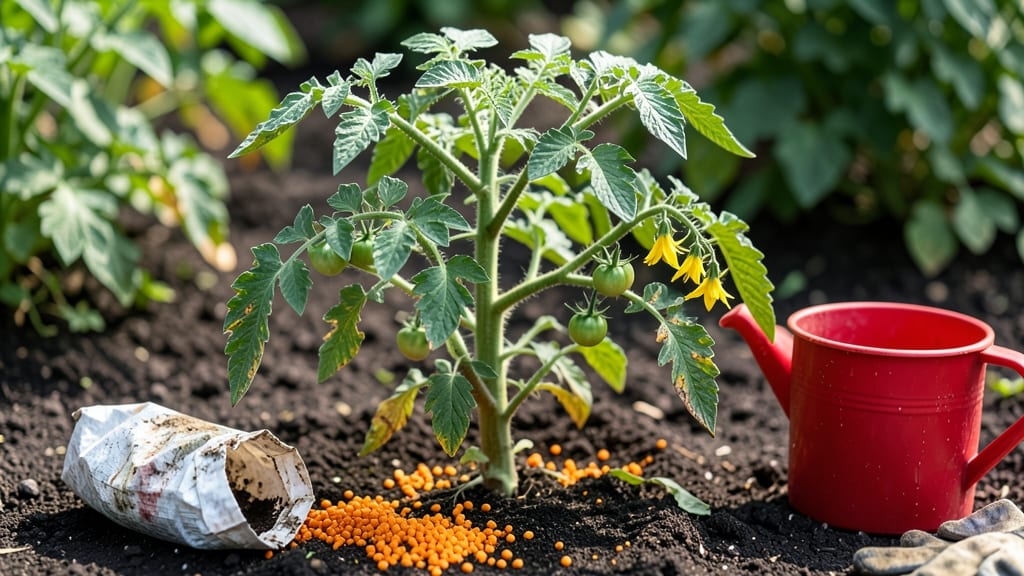
Your tomato plants might be begging for help—leaf burn, stunted growth, and blossom end rot are classic signs of overfeeding. 🌱 I’ve seen this happen more than once, and the fix isn’t as complicated as it seems.
The key is balancing nutrients, especially calcium, to save those blossoms and keep your plants thriving.
Overfeeding usually means too much nitrogen or synthetic fertilizers, which throw off the plant’s nutrient balance. The result? Weak stems, yellowing leaves, and—worst of all—blossom drop before fruit even forms. The good news? You can flush the soil, switch to organic amendments, and add calcium to prevent further damage.
Within weeks, you’ll see stronger stems, healthier foliage, and blossoms that stay put. The secret is consistency—test your soil, adjust feeding schedules, and use compost or crushed eggshells for that calcium boost. Your tomatoes will thank you with bigger, tastier harvests.
This works for both container and in-ground plants, so no matter your setup, you can fix the problem. Let’s get those plants back on track!
Root Causes Of Overfeeding Tomatoes
Overfeeding tomato plants—whether with too much nitrogen, synthetic fertilizers, or even organic amendments—can send your garden’s hard work down the drain. 🌱💥 Understanding why this happens is the first step to fixing it.
Below, we break down the key culprits, backed by science, so you can diagnose and correct the issue before your plants throw in the towel.
Nitrogen is the MVP of early plant growth, fueling lush foliage and vigorous stems. But when it’s too abundant, tomatoes go into overdrive mode—prioritizing leaves over fruit production. Here’s how it plays out:
- Unbalanced Nutrient Ratios: Most synthetic fertilizers (like 10-10-10 or 20-20-20) are heavy on nitrogen (the first number).
When you apply them without testing soil first, nitrogen floods the roots, starving other essential nutrients—especially calcium, potassium, and magnesium—that tomatoes desperately need for fruit development. - Root Stress from Salt Buildup: Excess synthetic fertilizers (especially urea or ammonium-based ones) can burn roots by increasing soil salinity.
Damaged roots struggle to absorb water and nutrients, leading to blossom end rot (a classic overfeeding symptom) and dropped flowers. - Hormonal Imbalance: High nitrogen triggers the plant to produce auxin, a growth hormone that delays flowering and fruit set.
Think of it like a teenager binge-eating pizza instead of studying for exams—all energy goes to growth, not results.
💡 Pro Tip: If your fertilizer label starts with a number higher than 10 (e.g., 20-10-10), dilute it by half or switch to a balanced organic option (like compost or fish emulsion) to avoid nitrogen shock.
Tomatoes hate soggy feet—and soggy soil. When fertilizer sits in waterlogged conditions, it leaches out of reach or concentrates in toxic levels. Here’s the science:
- Leaching Losses: Water-soluble fertilizers (like most synthetics) wash away in heavy rain or overwatering.
This leaves roots starved for nutrients mid-season, causing nutrient deficiencies that mimic overfeeding symptoms (yellow leaves, stunted growth). - Anaerobic Soil = Root Suffocation: Compacted or clay-heavy soil blocks oxygen, forcing roots to compete for nutrients in a fertilizer-rich but oxygen-poor zone.
This triggers osmotic stress, where roots can’t absorb water or minerals efficiently—even if they’re bathed in fertilizer. - Fungal Feasts: Over-fertilized, wet soil becomes a buffet for pathogens like Phytophthora (a water mold).
Weakened roots can’t fight off infections, leading to wilting, yellowing, or sudden collapse—often misdiagnosed as overfeeding.
✨ Fix It: Amend soil with perlite, vermiculite, or compost to improve drainage. Mulch heavily (straw or wood chips) to prevent water evaporation and fertilizer runoff.
Not all fertilizers are created equal—and organic doesn’t always mean gentle. Overdoing compost, manure, or even worm castings can backfire:
- Slow-Release Chaos: Organic matter breaks down into available nutrients over time. If you pile it on too thick (e.g., a 6-inch layer of compost), the sudden nutrient surge overwhelms the plant’s ability to absorb it efficiently.
Roots get nutrient burn, similar to synthetic overload. - pH Imbalances: Fresh manure (especially chicken or cow) is high in ammonia, which can temporarily spike soil pH.
Tomatoes prefer 6.0–6.8 pH—any higher, and they can’t access calcium or phosphorus, leading to blossom drop and poor fruit set. - Microbe Madness: Over-fertilized soil booms with microbes, which compete with tomato roots for nutrients.
This creates a nutrient traffic jam, where your plants starve while sitting in a soup of food.
🔥 Action Step: Aged compost (6+ months) is safest. For manure, compost it for 6–12 months before using. Test soil pH with a kit—if it’s above 7.0, add sulfur or peat moss to lower it.
Even the right fertilizer can become a problem if applied at the wrong life stage:
- Early-Season Nitrogen Binge: Seedlings and young plants need nitrogen for leaves, but too much too soon delays flowering.
By the time they do bloom, they’re energy-depleted and drop flowers. - Mid-Season Fertilizer Feasts: When tomatoes are already fruiting, extra nitrogen diverts energy away from flowers/fruit toward new leaves.
This is why you might see lush vines but no tomatoes—the plant is growing itself instead of bearing fruit. - Late-Season Overload: Fertilizing after July (in temperate climates) is a waste of money.
Plants shift focus to survival, not production, and excess nutrients won’t be used—just leached or burned.
🎯 Golden Rule: Stop fertilizing 4–6 weeks before harvest (or when fruit starts ripening). Switch to calcium-rich amendments (like crushed eggshells or gypsum) to prevent blossom end rot.
Believe it or not, **what you plant near tomatoes can contribute to overfeeding—or nutrient theft:
- Heavy Feeders Stealing Resources: Plants like corn, potatoes, or squash compete aggressively for nitrogen.
If they’re too close to tomatoes, your tomatoes get shortchanged mid-season, leading to false deficiency symptoms (yellow leaves, weak stems). - Legumes Overpromising: While beans and peas fix nitrogen in the soil, over-relying on them can create hot spots where nitrogen is too abundant in one area but lacking elsewhere.
This uneven distribution stresses tomato roots. - Weeds as Fertilizer Thieves: Uncontrolled weeds soak up nutrients before tomatoes can access them. If you’re heavily fertilizing but still see stunted growth, check for weed competition—your tomatoes might be hungry, not overfed.
🌱 Smart Pairing: Plant basil, marigolds, or onions near tomatoes—they repel pests and improve nutrient uptake without stealing resources. Avoid corn and cabbage family plants** in the same bed.
Fixing Overfed Tomato Plants Fast
Overfeeding your tomato plants can feel like a gardening disaster—🌱💥—but don’t panic! The good news is that most issues caused by excess fertilizer (like blossom drop, leaf burn, or stunted growth) can be reversed with the right steps.
Below, we’ll map the most common symptoms to targeted fixes, plus prevention tips to keep your plants thriving.
Cause: Too much nitrogen or salt buildup from synthetic fertilizers.
How to Fix It:
- Flush the Soil 💦
- Water the plant deeply for 10–15 minutes to leach out excess salts. Repeat 2–3 times over a week.
- For potted tomatoes, place the pot in a sink or bucket and run water through the drainage holes.
- Adjust Your Fertilizer 🧪
- Switch to a balanced, organic fertilizer (like compost or worm castings) with a lower nitrogen (N) ratio (e.g., 5-5-5 or 3-4-6).
- Avoid synthetic fertilizers like urea or ammonium sulfate until the plant recovers.
- Boost Calcium 🥛
- Mix 1 tablespoon of crushed eggshells or gypsum into the top 2 inches of soil, or spray calcium-rich compost tea on the leaves.
Prevention Tip: 💡
- Test your soil before fertilizing (home kits cost $10 and save headaches).
- Water before fertilizing to dilute salts and prevent root burn.
Cause: Overfeeding disrupts calcium uptake, leading to weak cell walls in flowers/fruit.
How to Fix It:
- Calcium Rescue 🧂
- Spray leaves with a homemade calcium solution:
- 1 gallon water + 1 tbsp calcium chloride (or 2 tbsp crushed eggshells).
- Add a drop of dish soap as a surfactant for better absorption.
- Repeat every 3–5 days until blossoms set.
- Spray leaves with a homemade calcium solution:
- Reduce Nitrogen, Increase Potassium 💪
- Feed with a low-N, high-K fertilizer (like 0-10-10 or banana peel tea) to support flowering.
- Avoid high-nitrogen fertilizers (like blood meal) for 4–6 weeks.
- Support Pollination 🐝
- Gently shake plants or use a small brush to transfer pollen if bees are scarce.
- Prune suckers to reduce competition for nutrients.
Prevention Tip: ✨
- Side-dress with compost instead of top-dressing—it releases nutrients slowly.
- Use mycorrhizal fungi (available as powder) to improve root calcium absorption.
Cause: Overfeeding stresses roots, diverting energy away from structural growth.
How to Fix It:
- Prune Aggressively ⏰
- Cut back overly leggy growth to redirect energy to roots.
- Remove lower leaves touching the soil to prevent disease.
- Soil Detox 🌿
- Mix 2 inches of organic matter (compost, coconut coir) into the topsoil to dilute salts.
- Add perlite or vermiculite (10%) to improve drainage if soil is compacted.
- Hydrate & Rebalance 💧
- Water deeply but less frequently to encourage deep root growth.
- Use a seaweed extract (like Maxicrop) to reduce stress hormones.
Prevention Tip: 🎯
- Fertilize in stages: Split doses every 2–3 weeks instead of one big feed.
- Mulch heavily (3–4 inches of straw) to slow nutrient release and retain moisture.
Cause: Fertilizer salts draw moisture from roots, causing dehydration.
How to Fix It:
- Emergency Watering 🚰
- Soak the soil until water runs out the bottom (for pots) or seeps 6+ inches deep (for ground plants).
- Repeat daily for 3 days to flush salts.
- Root Recovery Boost 🌱
- Add hydrogel crystals or sphagnum moss to retain moisture while roots heal.
- Avoid fertilizing for at least 2 weeks.
- Transplant if Necessary 🏡
- If roots are severely damaged, move the plant to fresh, amended soil (50% native soil + 50% compost).
Prevention Tip: 🔥
- Never fertilize dry soil—always water first!
- Use slow-release fertilizers (like Osmocote) to prevent spikes in salt levels.
| Action | How Often | Why It Works |
|---|---|---|
| Soil test | Every 2–3 years | Avoids over/under-fertilizing |
| Compost top-dressing | Monthly | Balances nutrients naturally |
| Drip irrigation | Daily (5–10 min) | Prevents salt buildup at roots |
| Prune suckers | Weekly | Reduces nutrient demand |
| Mulch with straw | Seasonal | Regulates moisture & temp |
Final Pro Tip: 💡 If your tomatoes are already overfed but still producing, focus on harvesting existing fruit and cutting back on fertilizers—the plant will prioritize saving its energy for what’s left on the vine. Patience pays off! 🍅✨
Frequently asked questions
How do I know if my tomato plants are overfed?
Watch for these red flags: yellowing leaves (especially older ones), leaf burn (brown edges), stunted growth, blossom drop, or blossom end rot. Overfed plants also develop weak stems that can't support heavy fruit. Check soil moisture—if it's dry at the surface but wet below, excess salts may be blocking water absorption.
Can I still save my tomatoes if I've overfed them?
Yes! Start by flushing the soil with 10-15 minutes of deep watering daily for 3 days. Switch to a low-nitrogen fertilizer (like 5-5-5) and add crushed eggshells or gypsum for calcium. Prune leggy growth to redirect energy. Most plants recover within 2-4 weeks if you act quickly.
What's the safest fertilizer to use after overfeeding?
Organic options like compost, worm castings, or fish emulsion (diluted to half-strength) are ideal. Avoid synthetic fertilizers with high nitrogen (like urea) for at least 4-6 weeks. For immediate calcium boost, use banana peel tea or kelp meal—both provide potassium and micronutrients without overloading.
Will overfeeding kill my tomato plants?
Not usually, but severe cases can cause root burn or fungal infections. The biggest risk is blossom drop, which wastes your harvest. If you see sudden wilting or blackened stems, the damage is critical—flush the soil immediately and reduce fertilizer. With proper care, most plants bounce back, though they may need 2-3 weeks to recover.
How often should I fertilize tomatoes to avoid overfeeding?
Feed every 2-3 weeks with a balanced organic fertilizer (like 5-5-5) during the growing season. Stop 4-6 weeks before harvest. For containers, use half the recommended dose since nutrients concentrate faster. Always water before fertilizing to prevent root burn.