
Pests
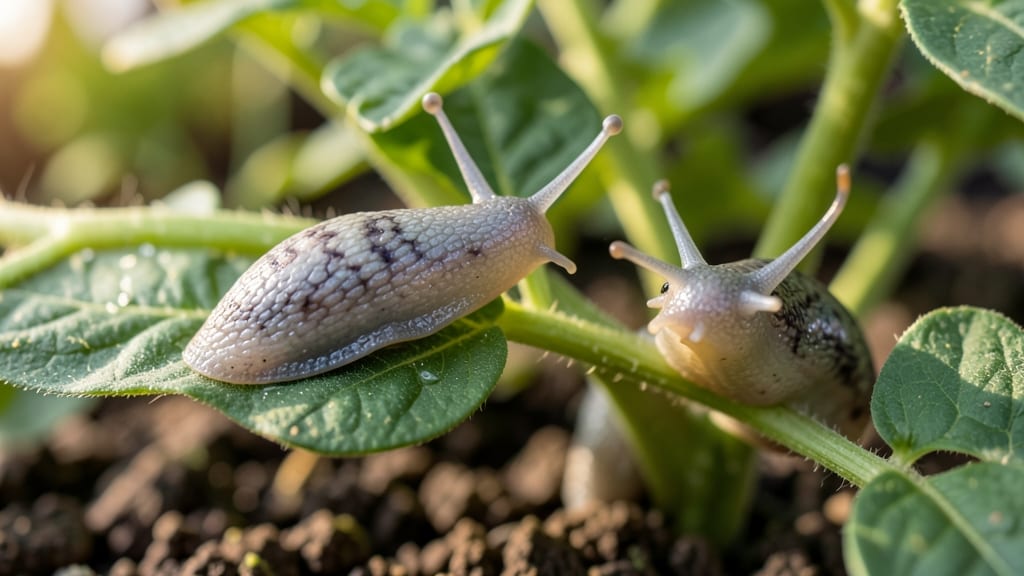
Neem oil is the slug-killing secret weapon I wish I'd known years ago. 🌱 Those slimy invaders can strip a tomato plant bare overnight, but this natural barrier works in hours—not days.
The key is timing and technique, and I’ve tested it on my own plants after losing entire harvests to slugs.
Slugs love damp, shady spots where tomatoes often thrive, and they leave behind telltale slime trails and ragged holes in leaves. Neem oil disrupts their feeding habits by coating their bodies, while also repelling them with its bitter taste.
You’ll need just a few simple supplies: pure neem oil, water, a spray bottle, and a little patience.
Within hours of applying the mix, you’ll see slugs retreat from your plants. The leaves stay intact, and your tomatoes grow stronger without the stress of constant damage. This method is safe for beneficial insects, unlike harsh chemicals, and it keeps working as long as you reapply after rain.
Works for container gardens, raised beds, and in-ground plots alike. Once you try it, you’ll never reach for slug bait again—the results are that foolproof. Here’s exactly how to make the barrier and keep your tomato plants thriving all season.
The Hidden Lures Drawing Slugs
Slugs aren’t random visitors—they’re drawn to your tomato plants by a mix of environmental cues, plant chemistry, and even human habits. Understanding these triggers is the first step to outsmarting them. Let’s break down the key reasons these slimy invaders target your prized tomatoes.
Slugs thrive in damp conditions, and tomato plants—especially those grown in well-watered or mulched beds—create the perfect slug hotel. Here’s why:
- Overwatering or Poor Drainage: Slugs need moisture to survive, and soggy soil (especially after rain or overwatering) signals an ideal breeding ground. Their slimy trails leave a telltale sign: they’re always migrating toward the dampest spots in your garden.
- Organic Mulch as a Buffet: Straw, wood chips, or grass clippings mulched around tomato plants retain moisture and provide shelter. Slugs hide beneath during the day and emerge at night to feast on tender leaves and fruits.
- Early Morning Dew: Tomato leaves glistening with dew? Slugs see this as an all-you-can-eat breakfast. They’re most active during cool, humid mornings, when moisture lingers longest.
💡 Pro Tip: Water tomato plants at the base (not overhead) and avoid mulching too close to stems. If you must mulch, use gravel or diatomaceous earth—slugs avoid these gritty barriers.
Tomato plants are slug magnets because they’re soft, juicy, and packed with nutrients—especially when young or stressed. Here’s what makes them irresistible:
- High Water Content: Slugs prefer plants with succulent leaves and fruits. Tomatoes fit the bill perfectly, offering easy access to hydration and nutrients.
- Young, Vulnerable Growth: Seedlings and new leaves are thinner and more delicate, making them an easy snack. Once tomatoes mature with thicker skins, slugs may still target overripe or damaged fruit.
- Nighttime Feasting: Slugs are nocturnal and avoid sunlight. They wait until after dark to chow down on tomato leaves, leaving behind ragged, notched edges (a classic slug signature).
🌡️ Science Note: Slugs use their eyestalks to detect calcium-rich plants (like tomatoes). They’re also drawn to fermenting or rotting organic matter, so remove fallen fruit promptly!
Your garden’s design might be unintentionally inviting slugs. Dense foliage, ground cover, and even nearby debris create hiding spots and highways for these pests:
- Shady or Low-Lying Areas: Slugs avoid direct sunlight. If your tomato plants are in partial shade or tucked under taller plants, they’ll linger longer, feeding undisturbed.
- Rocks, Boards, or Debris: Flat surfaces (like garden stones or wooden planks) provide daytime shelters. Slugs retreat here to stay hydrated and emerge at night.
- Weedy Borders: Weeds act as slug superhighways, connecting their hiding spots to your tomato plants. A weedy garden = more slug traffic.
✨ Strategic Fix: Create open spaces around tomato plants (at least 12 inches of bare soil) to discourage slug movement. Use copper tape barriers—slugs dislike the mild electric shock it creates!
Slug populations explode under specific weather conditions, making some seasons (and even times of day) high-risk for tomato damage:
| Season/Time | Why Slugs Strike | Tomato Vulnerability |
|---|---|---|
| Spring (after rain) | Warm, damp soil triggers egg hatching. Slugs emerge hungry. | New seedlings are tender and unprotected. |
| Fall (cool nights, humid days) | Ideal slug breeding conditions. They seek food before winter. | Ripe tomatoes are soft and nutrient-dense. |
| Nighttime (after sunset) | Low light + high humidity = perfect feeding time. | Slugs target leaves and fruit with no predators around. |
🔥 Hot Tip: Monitor slug activity during new moon phases—studies show slugs are more active during low moonlight, as they rely on scent trails over vision.
Quick Fixes for Tomato Plant Slugs
Slugs on your tomato plants can feel like a nightmare—one night of feasting, and your hard work is gone! But don’t worry—there are effective, easy-to-implement solutions to protect your plants and keep those slimy pests away.
Below, we’ve matched common causes to the best fixes, plus prevention tips to stop future invasions.
If you wake up to chewed leaves, stems, or even fruit, slugs are likely the culprits. They’re most active after rain or at night when the garden is damp.
How to Fix It:
- 🔥 Set Up Beer Traps – Bury a shallow container (like a yogurt cup) filled with beer near your plants. Slugs are drawn to the yeast and drown. Refresh every few days.
- 🍳 DIY Copper Barrier – Slugs hate copper because it gives them a mild electric shock. Wrap copper tape around pots or create a ring around plant bases. (Pro tip: 💡 Use old pennies or copper wire if you don’t have tape!)
- 👨🍳 Handpick at Night – Grab a flashlight and gloves, then gently scoop slugs into a bucket of soapy water. Do this after dark when they’re most active.
Slugs thrive in moist, shaded areas with organic matter like mulch or decaying leaves. If your garden stays damp, they’ll stick around.
How to Fix It:
- 🌡️ Reduce Moisture – Water tomato plants early in the day so soil dries before evening. Avoid overhead watering, which keeps leaves wet.
- ✨ Remove Hiding Spots – Clear away thick mulch, boards, or debris near plants. Slugs love to hide under these—keep the area tidy!
- 🎯 Use Diatomaceous Earth (DE) – Sprinkle food-grade DE around the base of plants. It’s a natural, non-toxic powder that dehydrates slugs. (Reapply after rain.)
Slugs prefer tender, young tomato plants or those weakened by disease, overwatering, or poor soil. A healthy plant is less appealing!
How to Fix It:
- 💪 Strengthen Your Plants – Ensure tomatoes get full sun (6+ hours/day), well-draining soil, and balanced fertilizer. Stronger plants repel pests naturally.
- 🥗 Use Slug-Resistant Varieties – Some tomato types (like ‘Cherokee Purple’ or ‘Solar Fire’) are less attractive to slugs. Check seed packets for pest-resistant labels.
- 🔪 Create Physical Barriers – Wrap the bottom 6 inches of young plants in cardboard collars or crushed eggshells to block slug access.
Slugs are nocturnal, so by morning, you might not see them—but the damage is clear. If you suspect nighttime visitors, act fast!
How to Fix It:
- 🕯️ Use Glow Sticks or LED Lights – Place a battery-powered glow stick near plants at dusk. Slugs avoid bright light. (Bonus: It deters other pests too!)
- 🍎 Set Up a Slug Hotel (Then Trap Them) – Lay down wet newspaper or cardboard near plants. Slugs will gather underneath—collect and dispose of them in the morning.
- 🌿 Plant Slug-Repelling Companions – Interplant tomatoes with garlic, thyme, or marigolds. Slugs dislike their strong scents.
Once you’ve dealt with an infestation, prevent future attacks with these habits: - 🔥 Prune Regularly – Remove fallen leaves and fruit to eliminate slug food sources. - 🌡️ Improve Drainage – Raised beds or sandy soil reduce slug-friendly moisture. - ⏰ Rotate Planting Locations – Slugs return to familiar spots, so move tomato plants yearly if possible. - 🎯 Introduce Natural Predators – Birds, frogs, and ground beetles love eating slugs.
Encourage them with a small pond or birdhouse.
Final Thought: Slugs may be sneaky, but with the right mix of barriers, traps, and plant care, you can outsmart them and protect your tomato harvest. Try one or two methods tonight—your plants will thank you! 🍅✨
Frequently asked questions
How do I tell if slugs are eating my tomato plants?
Look for ragged, irregular holes in leaves (not clean cuts like insects make) and silver slime trails on stems or soil. Slugs also target young leaves and fruit, leaving behind shiny, wet damage. Check plants at dawn—they’re most active overnight.
Will coffee grounds really keep slugs away from tomatoes?
Yes! Sprinkle used coffee grounds around plant bases—they create a gritty barrier slugs dislike. The caffeine also repels them naturally. Refresh every few days after rain, as grounds break down quickly. Bonus: It adds nitrogen to your soil!
Can I use neem oil on tomato plants if I have slugs?
Mix 1 tablespoon neem oil with 1 quart water and spray on leaves/stems. It disrupts slugs’ feeding while protecting plants. Reapply after rain. For extra defense, combine with copper tape barriers—neem oil repels, copper deters.
Why do slugs suddenly appear after I water my tomatoes?
Slugs are drawn to moisture—overwatering creates their perfect environment. Water deeply but less frequently (early morning) to let soil dry between waterings. Avoid mulching too close to stems, and use gravel barriers to keep slugs away from damp zones.
Are there any tomato varieties slugs avoid?
Some varieties are less appealing, like ‘Solar Fire’ or ‘Mountain Merit’. Slugs prefer tender, water-rich plants—so keep tomatoes healthy with full sun and balanced fertilizer. Even resistant varieties need protection if your garden is slug-heavy!