
Companion Plants
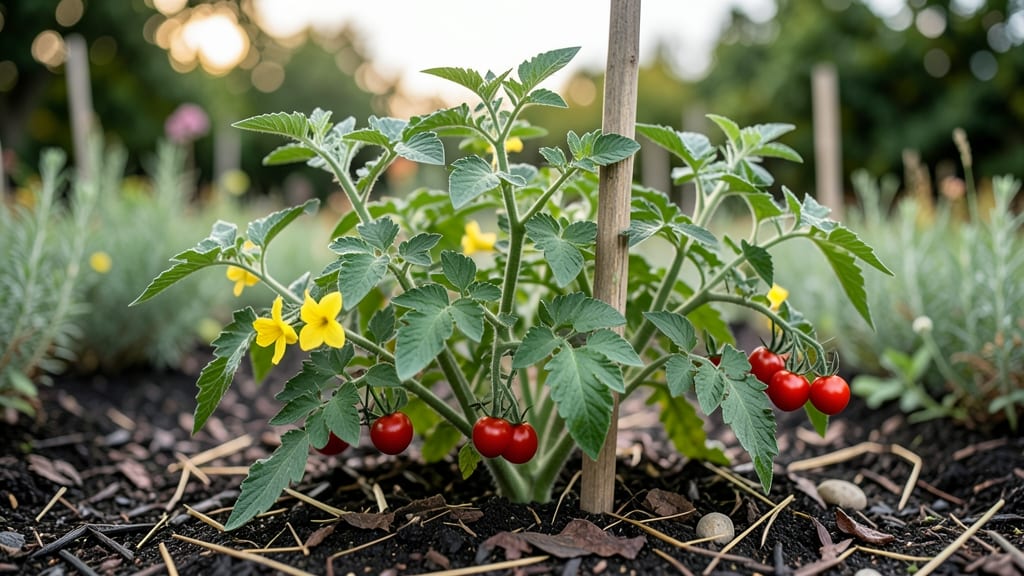
Growing small cherry tomato plants in containers means you can grow tomatoes anywhere—balcony, patio, or windowsill—without needing a yard. 🌱 The key is choosing the right compact varieties like 'Tiny Tim' or 'Patio Princess' and giving them the right conditions from day one.
Start with well-draining soil mixed with compost, and plant in containers at least 5 gallons per plant. Place them in a spot with 6-8 hours of direct sunlight daily, and water consistently—keeping the soil moist but not soggy.
These little powerhouses thrive when treated like their full-size cousins, just in a smaller package. By midsummer, your plants will be bushy and loaded with tomatoes, producing fruit for weeks. The secret? Regular pruning to encourage airflow and remove suckers, plus a balanced fertilizer every 2-3 weeks.
You'll be harvesting pints of sweet, bite-sized tomatoes all season long. Works for beginners and small spaces—no garden needed. Here's how to get started without the guesswork!
📚 In This Guide
- What you need
- Instructions
- Tips and common mistakes
- Wrapping up and next steps
What you need
- ● Container: At least 5-gallon size (bigger is better for bush varieties). Ensure it has drainage holes and is made of lightweight material (fabric grow bags, plastic, or ceramic work well).
- ● Potting Mix: 1 bag (1-2 cubic feet) of high-quality, well-draining potting soil (avoid garden soil—it compacts and holds too much moisture). Look for a mix labeled for vegetables or tomatoes.
- ● Small Cherry Tomato Seeds or Seedlings: Seedlings: 1-2 healthy plants (check for sturdy stems and green leaves). Popular varieties: ‘Tiny Tim,’ ‘Sweet 100,’ or ‘Micro Tom.’
- ● Seeds: 3-5 seeds (germination rate varies; plant extra!). Start 6-8 weeks before last frost indoors.
- ● Fertilizer: Balanced, slow-release fertilizer (e.g., 10-10-10 or 5-5-5) or organic options like compost or worm castings. Follow package instructions for application rates.
- ● Hand Trowel: For planting and transplanting (a small, ergonomic design is ideal).
- ○ Watering Can or Hose with Nozzle: A gentle spray prevents soil erosion. Optional: Add a moisture meter to track soil hydration.
- ● Support Structure: Cages or Stakes: 3-4 ft tall (bamboo or metal).
- ● Trellis: For indeterminate varieties (if growing vertically).
- ● Mulch: Straw or shredded leaves (1-2 inches) to retain moisture and suppress weeds.
- ● Pruning Shears: For trimming suckers and shaping plants.
- ● Gloves: Protect your hands from thorns (some varieties have them!).
- ● Sunlight: 6-8+ hours of full sun daily (south-facing spot or balcony is perfect).
- ● Temperature: Ideal range: 70-85°F (21-29°C) during the day. Avoid frost (below 50°F/10°C stunts growth).
- ● Water Access: Consistent watering (containers dry out faster than ground soil!).
- ● Patience: Cherry tomatoes take 60-70 days to fruit from transplanting (longer from seed).
Step-by-step guide to growing compact cherry tomatoes in containers
Here’s how to coax those sweet, bite-sized tomatoes from tiny plants into productive, space-saving vines.
🪴 Step 1: Select the Right Containers and Soil Mix
Cherry tomato vines need 5-gallon containers minimum—anything smaller restricts roots and limits fruit production. I use fabric grow bags because they prevent soil compaction and allow roots to breathe. Fill each container with a lightweight potting mix blended with 20% perlite or vermiculite for drainage. Avoid garden soil—it’s too dense and can suffocate roots.
Add a slow-release fertilizer (like 10-10-10) at planting time, mixing it into the bottom 2 inches of soil. This gives roots a steady nutrient supply without burning tender growth. Press the mix down gently to remove air pockets, then water until moisture runs freely from the drainage holes. Let it drain completely before planting—soggy soil invites rot.
🌱 Step 2: Plant and Stake for Support
Dig a hole deep enough to bury the plant up to its first set of true leaves—this encourages stronger root growth. Place a 3-foot bamboo stake or tomato cage in the hole before setting the plant, so it doesn’t disturb roots later. Gently tease out any circling roots and position the plant so it stands upright against the support.
Fill the hole with soil, pressing lightly to eliminate air gaps. Water immediately to settle the roots, then add a mulch layer (like straw or shredded leaves) to retain moisture and suppress weeds. The mulch should cover the soil surface but leave the stem exposed—this prevents disease while keeping roots cool.
☀️ Step 3: Provide Consistent Light and Water
Cherry tomatoes thrive in full sun (6+ hours daily), but they’ll still produce in partial shade (4-6 hours)—just expect smaller yields. If growing indoors, position plants within 12 inches of a south-facing window or use a grow light for 14-16 hours daily. You’ll know light is insufficient when leaves yellow between veins or stems stretch excessively.
Water deeply 2-3 times per week, ensuring the top 3 inches of soil dry out between waterings. Check by sticking your finger in—the soil should feel slightly damp but not wet. Overwatering causes blossom-end rot, while underwatering stresses plants and reduces fruit set. Use a drip irrigation system or water at the base to keep leaves dry and prevent fungal diseases.
✂️ Step 4: Prune and Train for Bushier Growth
Pinch off the first flower cluster when the plant is 6-8 inches tall—this redirects energy into leaf and root growth instead of early fruiting. Once the plant reaches 18 inches, prune suckers (the small shoots growing between the stem and branches) to encourage bushier growth. Remove any leaves touching the soil to improve airflow and reduce disease risk.
For indeterminate varieties, let the main stem grow 3-4 feet tall before pruning side branches to manage size. If using a cage, gently weave vines through the wires as they grow—this prevents breakage during harvest. You’ll see stronger stems and more compact growth within 2-3 weeks of consistent pruning.
🍅 Step 5: Harvest and Extend the Season
Pick cherries when they’re fully colored and slightly soft to the touch—waiting too long makes them mealy. Harvest every 2-3 days to encourage more production. Use scissors or pruning shears to avoid damaging the stem, and twist gently if you must pull by hand. A single healthy plant yields 20-30 pounds over the season if pruned and fed correctly.
To extend harvests, mulch heavily in fall and protect plants with row covers if frost threatens. Bring containers indoors before the first frost, placing them in a bright, cool (50-60°F) spot and reducing water slightly. With proper care, you can coax a second flush of fruit before winter ends.
Tips & tricks for compact cherry tomato success
These small but mighty plants pack a flavor punch when given the right care—here’s how to maximize their potential without the space of a full garden.
Container Size Matters: That 5-gallon minimum isn’t arbitrary—it’s the sweet spot where roots have room to spread while staying contained. I’ve seen compact varieties like 'Tiny Tim' thrive in 7-gallon pots, but never go smaller than 5 gallons unless you’re happy with stunted growth and fewer tomatoes. The extra space prevents roots from circling and becoming root-bound, which directly impacts fruit production. If you’re using fabric grow bags, choose ones with breathable material to prevent overheating in summer.
Light is Non-Negotiable: Those 6+ hours of full sun aren’t just ideal—they’re essential for heavy fruit set. If your space only gets 4-6 hours of partial shade, supplement with a grow light for 2-3 hours daily during the plant’s peak fruiting months (late spring to early fall). I’ve noticed a dramatic difference in yield when plants get their full light requirement—leaves stay dark green, stems stay sturdy, and flowers set fruit consistently. For indoor growers, position lights 6-12 inches above the plants and adjust height as they grow to maintain consistent light exposure.
Pruning Timing is Critical: The 6-8 inch mark for pinching that first flower cluster isn’t just a suggestion—it’s when the plant has established enough leaf canopy to support future growth. I learned this the hard way by removing flowers too early, which led to leggy plants that produced fewer tomatoes. Once you reach 18 inches, prune suckers weekly to maintain that bushy shape. For indeterminate varieties, let the main stem reach 3-4 feet before pruning side branches—this gives the plant time to develop a strong framework that can support heavy fruit loads without snapping.
Watering Wisdom: That 2-3 times per week schedule works best when you check soil moisture daily. The top 3 inches should dry out between waterings, but don’t let the soil become bone-dry—this causes blossom-end rot. I’ve found that watering deeply in the morning gives roots time to absorb moisture before evening heat causes evaporation. For container growers, water until it runs freely from drainage holes—this ensures even moisture distribution throughout the root zone. Mulching with straw helps maintain consistent soil moisture while preventing weeds that compete for nutrients.
Pro Tips for Small Cherry Tomato Plants
- These small but mighty plants pack a flavor punch when given the right care—here’s how to maximize their potential without the space of a full garden.
- Container Size Matters: That 5-gallon minimum isn’t arbitrary—it’s the sweet spot where roots have room to spread while staying contained.
- Light is Non-Negotiable: Those 6+ hours of full sun aren’t just ideal—they’re essential for heavy fruit set.
Frequently asked questions
Got questions about growing small cherry tomato plants?
You’re not alone! Here are answers to the most common queries to help you cultivate thriving vines and enjoy a bountiful harvest.
How close together can I plant small cherry tomato plants in containers?
Space them 12–18 inches apart in containers to allow airflow and prevent disease. If using bush varieties, you can plant them closer (10–12 inches), but avoid overcrowding—root competition reduces yield. Larger containers (5+ gallons per plant) give them more room to thrive!
When is the best time to transplant small cherry tomato seedlings outdoors?
Wait until after the last frost and soil temps reach 55–65°F. Seedlings need 4–6 weeks of warm weather to establish roots. Harden them off (acclimate to sun) for 7–10 days before transplanting—especially in containers where temperature swings matter more.
Can I grow small cherry tomatoes in hanging baskets, and what’s the best variety?
Absolutely!
Try ‘Tiny Tim,’ ‘Micro Tom,’ or ‘Balcony Red’—they’re compact and perfect for hanging baskets (5+ gallons). Use a lightweight potting mix and drip irrigation to avoid root stress. Prune suckers (side shoots) to encourage upward growth and fruit production.
Why are my small cherry tomato leaves turning yellow, and how do I fix it?
Yellow leaves often signal overwatering, nutrient deficiency (like nitrogen), or pests (aphids/spider mites). Check soil moisture—containers dry out fast! Amend soil with compost or balanced fertilizer (10-10-10). Inspect undersides of leaves for pests and spray with neem oil if needed.
Do small cherry tomato plants need full sun, or can they tolerate partial shade?
They thrive in 6–8 hours of direct sun daily, but 4–6 hours works in cooler climates. Partial shade (especially afternoon shade) helps in hot zones (above 90°F) to prevent sunscald. If growing in containers, rotate them weekly for even sun exposure.
Wrapping up and next steps
Growing small cherry tomato plants in containers is a rewarding way to enjoy fresh, flavorful harvests—even in limited spaces! 🌱 With the right companion plants, proper care, and a dash of patience, you’ll soon be savoring sweet, bite-sized tomatoes straight from your balcony or patio.
Whether you’re a beginner or a seasoned gardener, these bushy vines prove that big flavors don’t need big gardens.
Ready to take the next step? Start by planting your seeds or seedlings this season, and don’t forget to share your progress—tag us in your container garden pics! Happy growing! 🌿