
Companion Plants
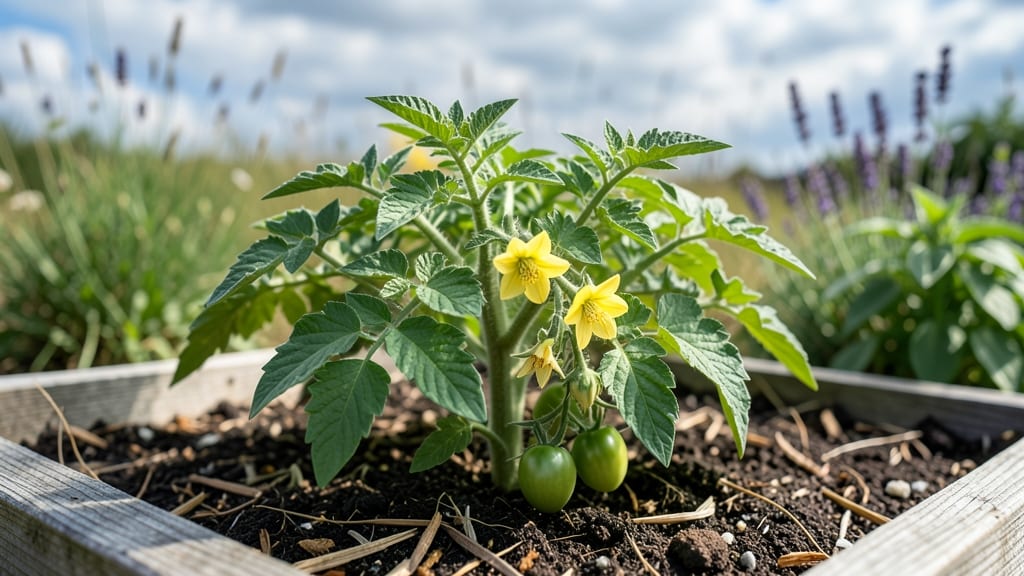
Your small tomato plants are flowering but not setting fruit? 🌱 That’s the moment where patience meets precision—and I’ve got the exact techniques to turn those blooms into a bountiful harvest.
The key lies in mimicking nature’s pollination cues while giving your plants the right support to hold onto those blossoms instead of dropping them.
Most blossom drop happens when plants feel stressed—whether from inconsistent watering, nutrient imbalances, or sudden temperature swings. I learned this the hard way after my first year of gardening, when half my cherry tomatoes vanished before ripening.
The fix? A consistent routine of watering at the base (not the leaves), a balanced fertilizer with extra phosphorus and potassium, and gentle morning shakes to help pollination when bees aren’t around.
Within 10-14 days, you’ll see tiny fruit forming where there were once just flowers. The plants will look stronger, the blossoms will stay put, and you’ll avoid the heartbreak of watching them fall like rain.
This isn’t just about saving blooms—it’s about setting your tomatoes up for juicier, sweeter fruit later in the season.
Works for both indoor and outdoor plants, whether you’re growing in containers or garden beds. The same principles apply whether you’re dealing with cherry, beefsteak, or heirloom varieties. Let’s get those tomatoes fruiting!
Root Causes Of Stunted Blooms
Understanding why your small tomato plants are flowering but not producing fruit—or producing tiny, underdeveloped ones—starts with the science behind their growth cycles. Here’s a breakdown of the most common reasons, backed by plant biology and actionable insights to help you troubleshoot.
🌞 The Problem: Tomato plants (Solanum lycopersicum) are photoperiod-sensitive, meaning they rely on 12–16 hours of sunlight daily to trigger proper flowering and fruit set.
When light is limited—whether due to shade, cloudy weather, or indoor growing—plants prioritize vegetative growth (leaves and stems) over reproductive growth (flowers and fruit).
- Why it stunts fruit: Low light reduces photosynthesis efficiency, limiting the plant’s ability to produce carbohydrates and sugars needed for flower and fruit development.
This leads to small, weak blooms or flowers that drop before setting fruit. - Actionable fix: Move plants to a south-facing window (or use grow lights for indoor setups). Ensure they receive at least 6–8 hours of direct sunlight daily.
For greenhouse growers, reflective surfaces (like white walls) can boost light penetration by up to 30%.
🌱 The Problem: Over-fertilizing with nitrogen (N)—the first number in NPK ratios—promotes leafy growth at the expense of flowers and fruit. While nitrogen is essential for foliage, an excess delays flowering and weakens existing blooms.
- Why it stunts fruit: Nitrogen-heavy fertilizers (like blood meal or high-N synthetics) suppress the plant’s natural hormonal shift from vegetative to reproductive growth.
This leads to lush but barren plants with tiny, underdeveloped flowers. - Actionable fix: Switch to a balanced or low-nitrogen fertilizer (e.g., 5-10-10 or 3-4-6) once plants are 6–8 inches tall.
Add phosphorus (P)—the middle number in NPK—to encourage flowering. Compost or bone meal are great organic sources. - Pro tip: 💡 Flush the soil with water every 4–6 weeks to prevent nitrogen buildup, especially in containers.
🌡️ The Problem: Tomatoes thrive in daytime temps of 70–85°F (21–29°C) and nighttime temps above 55°F (13°C). Extreme heat or cold disrupts pollination and fruit set, leading to small, deformed flowers or blossom drop.
- Why it stunts fruit: - Cold stress (<55°F): Slows enzyme activity, preventing pollen from forming or flowers from opening properly. - Heat stress (>90°F): Causes male sterility in pollen, making it unable to fertilize ovules.
This results in small, seedless fruit or flowers that abort. - Actionable fix: - For cold snaps: Use row covers or black plastic mulch to warm soil. - For heatwaves: Provide afternoon shade (e.g., shade cloth) and mulch to keep roots cool. Drip irrigation (not overhead) prevents heat stress from water evaporation.
💧 The Problem: Tomatoes are sensitive to moisture fluctuations, and inconsistent watering leads to aborted flowers and poor fruit development.
- Why it stunts fruit: - Underwatering: Causes stress hormones (abscisic acid) to trigger blossom drop (flowers fall off before setting fruit). - Overwatering: Leads to root rot, which starves the plant of nutrients and weakens flower and fruit growth. - Inconsistent watering: Creates sugar imbalances, leading to small, misshapen fruit. - Actionable fix: Water deeply 1–2 times per week (1–1.5 inches per week), always at the base.
Use drip irrigation or soaker hoses to maintain consistent soil moisture. Mulch (straw or grass clippings) helps retain moisture and regulate temperature.
🐝 The Problem: Tomatoes are self-pollinating, but wind, bees, or gentle shaking help transfer pollen from male to female flowers. Without proper pollination, flowers may form but fail to set fruit or produce small, seedless tomatoes.
- Why it stunts fruit: In greenhouses, indoor setups, or windless conditions, pollen may not reach the stigma (female part) of the flower, leading to failed fertilization. - Actionable fix: - Outdoor gardens: Attract pollinators with bee-friendly plants (basil, marigolds, borage). - Indoor/greenhouse: Gently shake plants daily during flowering (morning is best).
Or, use a small paintbrush to transfer pollen manually. - Pro tip: 🌡️ Avoid over-fertilizing with phosphorus—while it helps flowering, too much can reduce pollen viability.
🐛 The Problem: Pathogens (fungi, bacteria) and pests (aphids, whiteflies, spider mites) stress plants, diverting energy away from flower and fruit development.
- Why it stunts fruit: - Pests (like aphids) suck sap, weakening the plant’s ability to produce hormones (like gibberellins) needed for fruit growth. - Diseases (early blight, fusarium wilt) clog vascular systems, reducing nutrient flow to developing flowers and fruit. - Actionable fix: - Prevent pests: Use neem oil or insecticidal soap for soft-bodied pests.
Introduce beneficial insects (ladybugs, lacewings). - Prevent disease: Rotate crops, sanitize tools, and remove infected leaves immediately. Copper fungicides can help with fungal issues. - Pro tip: ✨ Healthy soil = healthy plants. Amend soil with compost and mycorrhizal fungi to boost immunity.
Revitalize Your Tomato Plants Now
When your small tomato plants are flowering but struggling to set fruit, the good news is that most issues have quick, practical fixes. Below, we’ve mapped out the most common causes—from environmental stress to nutrient gaps—and paired them with step-by-step solutions to get your plants back on track.
Prevention tips are included so you can avoid future headaches (and underwhelming harvests).
Signs: Flowers drop before fruiting, or blooms appear but don’t develop. This is often due to temperature stress—tomatoes thrive between 55–85°F (13–29°C). Outside this range, pollen won’t transfer properly, or flowers may abort.
How to Fix It ✅ For Heat Stress (Above 90°F/32°C):
- 🌿 Provide Shade: Use shade cloth (30–50%) or temporary row covers during peak afternoon sun. Focus on southern or western exposures.
- 💦 Increase Watering: Keep soil consistently moist (not soggy) to reduce heat buildup.
Water deeply in the morning to cool roots. - 🍃 Mulch Heavily: Apply 3–4 inches of straw or wood chips to insulate roots and retain moisture. - 🌱 Prune Strategically: Remove lower leaves to improve airflow and reduce heat trapped near the fruit.
❄️ For Cold Stress (Below 55°F/13°C): - 🔥 Use Row Covers: Lightweight frost blankets can add 5–10°F (3–5°C) of protection.
Remove during the day if temps rise. - 🏡 Move Potted Plants: Bring containers indoors or to a sunny garage at night if frost is forecasted. - 🌱 Extend the Season: Plant early-maturing varieties (like ‘Early Girl’ or ‘Stupice’) or use black plastic mulch to warm soil faster.
💡 Prevention Tip: Monitor your microclimate—even a small garden can have hot spots. Use a soil thermometer to track temps and adjust care accordingly.
Signs: Flowers form but drop off quickly, or fruit is small and deformed. Tomatoes need consistent moisture—fluctuations cause blossom end rot or poor pollination.
How to Fix It 💧 Water Deeply and Infrequently: - 👨🍳 Water at the Base: Avoid wetting leaves (especially in the evening) to prevent disease.
Use drip irrigation or a soaker hose for precision. - 📊 Stick to a Schedule: Aim for 1–1.5 inches of water per week (more in heatwaves). Morning watering reduces evaporation. - 🌱 Check Soil Moisture: Stick your finger 2 inches deep—if dry, it’s time to water. Clay pots dry out slower than plastic.
⚠️ Avoid Overwatering: Soggy soil leads to root rot. Ensure pots have drainage holes, and raised beds dry faster than in-ground plots.
💡 Pro Tip: If your plants are wilting slightly in the afternoon, they’re thirsty. Tomatoes prefer slight stress over drowning—just don’t let them crisp up!
Signs: Yellowing leaves, weak stems, or tiny flowers that fall off. Tomatoes are heavy feeders, especially during flowering/fruiting.
How to Fix It 🥬 Boost Phosphorus (For Flowers): - 🍳 Use a Balanced Fertilizer: Switch to a 5-10-10 or 10-20-20 formula (high in phosphorus).
Follow package rates—too much nitrogen = more leaves, fewer fruits! - 🌿 Try Organic Options: - Bone meal (3 tbsp per plant, worked into soil) - Compost tea (brewed from well-aged compost) - Fish emulsion (diluted to 1 tbsp per gallon of water)
💪 Add Potassium (For Fruit Development):
- 🥔 Use Wood Ash: Sprinkle 1 cup per plant (test soil pH first—ash raises alkalinity).
- 🍠 Banana Peel Tea: Soak peels in water for a week, then use as a foliar spray (rich in potassium).
⚠️ Watch Out for Over-Fertilizing: Burnt leaf edges or stunted growth mean you’re overdoing it. Flush soil with water if you suspect excess salts.
💡 Prevention Tip: Side-dress with compost or worm castings every 3–4 weeks to maintain steady nutrients without shocking the plant.
Signs: Flowers appear but no fruit forms, or fruit is small and seedy. Tomatoes are self-pollinating, but wind, bees, or even gentle shakes can help.
How to Fix It
🐝 Encourage Pollinators:
- 🌼 Plant Companion Flowers: Basil, marigolds, or borage attract bees. Place them near your tomato plants.
- 🍃 Avoid Pesticides: Neonicotinoids kill bees—opt for neem oil or insecticidal soap instead.
👨🍳 Do It Yourself:
- 🔥 Gently Shake Plants: On dry, sunny mornings, give stems a light shake to dislodge pollen.
- 🎨 Use a Paintbrush: For greenhouse or indoor tomatoes, lightly brush flowers with a soft brush to transfer pollen.
⏰ Timing Matters: Pollinate early in the day when flowers are open and pollen is fresh.
💡 Pro Tip: Cherry tomatoes and smaller varieties often need extra help—don’t skip this step!
Signs: Stunted growth, fewer flowers, or leggy stems. Tomatoes need room to breathe—both above and below ground.
How to Fix It
📏 Thin or Transplant:
- 🌿 For Seedlings: Space determinate varieties 18–24 inches apart and indeterminate 24–36 inches.
- 🏡 Repot if Root-Bound: If growing in containers, upgrade to a 5-gallon pot (minimum) and prune crowded roots before transplanting.
🌿 Prune for Airflow:
- 🔪 Remove Suckers: These shoot-like growths between stems and branches steal energy from fruit production. Pinch them off early.
- 🌱 Trim Lower Leaves: Up to 12 inches from the ground to improve airflow and reduce humidity (which fights disease).
💡 Prevention Tip: Start with the right pot size—smaller containers = more frequent transplanting = stress. Bigger upfront = happier plants!
Final Reminder: Most tomato troubles are fixable with small adjustments—don’t wait until it’s too late! Check your plants daily during flowering for these signs, and your harvest will thank you. 🍅✨
Frequently asked questions about small tomato plants flowering
Why are my small tomato plants flowering but not setting fruit?
This usually happens due to environmental stress—like inconsistent watering, extreme temperatures (below 55°F or above 90°F), or poor pollination. Tomatoes also need balanced nutrients (especially phosphorus and potassium) to develop fruit after flowering. Check for consistent moisture, proper sunlight (6-8 hours daily), and gentle shaking to help pollination.
How can I tell if my tomato flowers need help pollinating?
Look for drooping or unopened flowers that don't develop into fruit, or flowers that fall off quickly. If you're growing indoors or in a greenhouse, shake the plants gently in the morning or use a soft paintbrush to transfer pollen between flowers. Outdoor plants often need bee-friendly companions like basil or marigolds to attract pollinators.
What's the best fertilizer ratio for flowering tomato plants?
Switch to a balanced or low-nitrogen fertilizer (like 5-10-10 or 3-4-6) once plants reach 6-8 inches tall. The key is phosphorus (middle number) to encourage flowering, followed by potassium (last number) for fruit development. Organic options like bone meal or compost tea work well too—just avoid high-nitrogen fertilizers that promote leafy growth at the expense of flowers.
Can I save my tomato flowers from dropping?
Yes! First, ensure consistent watering (1-1.5 inches per week) at the soil base. Reduce stress by providing afternoon shade in heatwaves or row covers for cold snaps. For existing flowers, try a light spray of diluted honey water (1 tsp honey per quart of water) to attract pollinators. Prune lower leaves to improve airflow and reduce disease risk.
How long does it take for tomato flowers to turn into fruit?
After successful pollination, it typically takes 10-14 days for flowers to develop into small green tomatoes. The time varies slightly by variety—cherry tomatoes may fruit faster (7-10 days) while larger varieties can take up to 3 weeks. If flowers persist without fruit development after 2 weeks, check for pollination issues or environmental stress factors.