
Vegetables
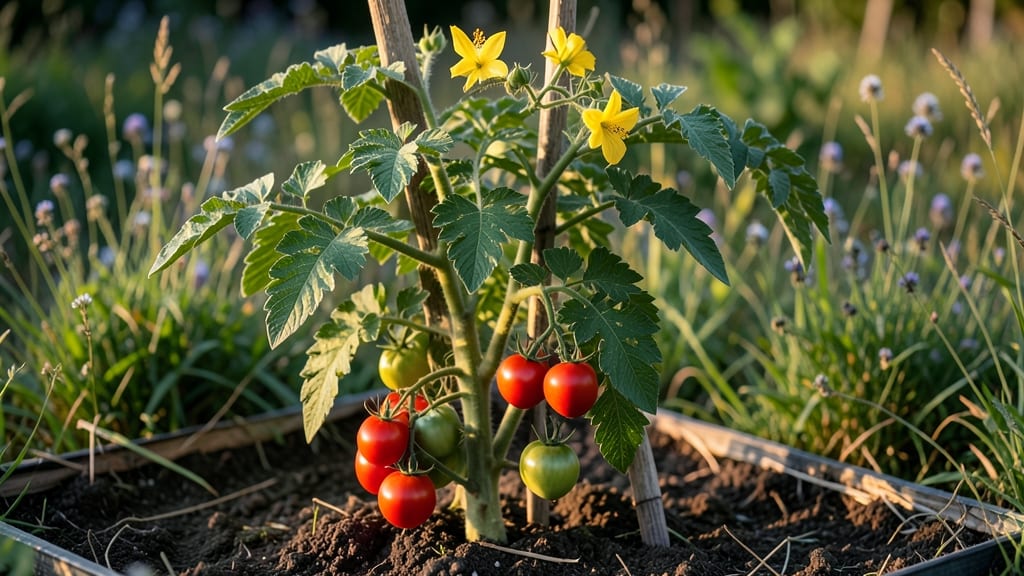
Sun Gold tomatoes are the golden ticket to summer salads—but their growth habit makes all the difference. 🌱 Determinate varieties grow compact (4–5 feet tall) and produce fruit in one massive flush, while indeterminate types sprawl (6+ feet) and keep yielding until frost.
My first year growing Sun Golds, I picked the wrong type for my small balcony and ended up with a tangled mess instead of a steady harvest.
The key difference? Determinate plants stop growing once they fruit, making them perfect for containers or tight spaces. Indeterminate vines climb and spread, needing trellises or cages to support their weight.
I now grow determinate Sun Golds in 5-gallon pots on my deck and indeterminate types in my raised beds—each gives me exactly what I need: quick, abundant harvests from the compact version and a long, slow bounty from the sprawling one.
You’ll harvest determinate Sun Golds all at once (great for canning or freezing), while indeterminate plants reward you with golden cherry tomatoes for weeks. The indeterminate types also handle heat better, making them ideal for hotter climates. For containers, stick with determinate—indeterminate vines need more space to thrive.
Fair warning: indeterminate Sun Golds need regular pruning to focus energy on fruit production, while determinate types rarely need any. If you’re short on time, determinate is your best bet—but if you love the idea of fresh tomatoes all summer, indeterminate vines are worth the extra care.
Either way, you’re getting sweet, sun-kissed flavor that beats store-bought any day.
📚 In This Guide
- What you need
- Instructions
- Tips and common mistakes
- Wrapping up and next steps
What you need
- ● Sun Gold tomato seeds or seedlings: 1-2 plants (determinate for bushier growth, indeterminate for vining).
- ● High-quality potting mix: 5-10 gallons (sterilized, well-draining, and rich in organic matter).
- ● Containers or garden bed: Determinate: 5-gallon pots or raised beds (18"+ deep).
- ● Indeterminate: 5-gallon pots or tall cages (6-8 ft) + trellis for vertical growth.
- ● Fertilizer: Balanced 10-10-10 or tomato-specific fertilizer (follow package rates).
- ● Mulch: Straw or shredded leaves (2-3 inches) to retain moisture.
- ○ Support structures (optional but recommended): Determinate: Stakes (5-6 ft) or tomato cages (2-3 ft).
- ● Indeterminate: Heavy-duty cages (6-8 ft) or bamboo stakes + twine.
- ● Pruning shears: Sharp, clean pair for trimming suckers and dead leaves.
- ● Drip irrigation or watering can: For consistent moisture (1-2 inches/week).
- ● Garden gloves & sun protection: To keep hands happy while working!
- ● Mycorrhizal fungi: Boosts root health for bigger yields.
- ● Fish emulsion or compost tea: Organic nutrient boost mid-season.
- ● Row covers: Protects young plants from pests and cold snaps.
- ● pH test kit: Ensures soil pH is 6.0-6.8 (ideal for tomatoes).
- ● Grow lights (indoor starts): 12-16 hours/day for seedlings.
How to choose and grow Sun Gold tomatoes for maximum yield
Sun Gold tomatoes are a gardener's dream—sweet, golden, and prolific—but their growth habits depend entirely on whether you grow determinate or indeterminate varieties.
🌱 Step 1: Understand the Growth Habits of Each Type
Determinate Sun Gold tomatoes grow in a compact bush shape, reaching about 3-4 feet tall and producing fruit all at once over 2-3 weeks. This makes them perfect for canning or heavy harvests in a short window. Indeterminate varieties, however, keep growing until frost, producing fruit continuously on vines that can reach 6-10 feet tall or more.
Determinate plants need less support—a sturdy cage or small trellis works—but indeterminate vines require strong stakes or trellises to handle their weight. The key difference? Determinate plants stop growing when fruit sets, while indeterminate ones keep producing as long as conditions are right.
☀️ Step 2: Pick the Right Variety for Your Goals
If you want quick, heavy harvests for sauces or preserves, go determinate. These plants focus all their energy on fruit at once, so you’ll get hundreds of tomatoes in a short time. Indeterminate varieties, though, give you a steady supply all season—ideal for fresh eating or selling at markets.
Sun Gold is available in both forms, so check the seed packet or plant tag. I always choose indeterminate for my garden because I love fresh tomatoes all summer, but determinate is the way to go if you’re canning or need a fast harvest.
🪴 Step 3: Plant for Optimal Vine Support and Space
Determinate Sun Gold needs 18-24 inches of space between plants, while indeterminate varieties require 24-36 inches—their vines spread wide. Plant determinate types in cages or low trellises to keep them contained, but indeterminate vines need strong stakes or heavy-duty trellises to support their weight.
I bury 5-foot bamboo stakes at planting time and weave vines through them as they grow. For determinate plants, a 4-foot tomato cage works perfectly. The goal is to keep the fruit off the ground and improve airflow, which prevents disease.
✂️ Step 4: Prune and Train for Maximum Fruit Production
Determinate plants need minimal pruning—just remove suckers (the small shoots in the leaf axils) if they appear, but don’t overdo it. Indeterminate varieties, however, benefit from regular pruning to focus energy on fruit production. Pinch off suckers larger than 6 inches and trim lower leaves to improve airflow.
For indeterminate vines, I also weave new growth upward along the trellis, tying stems loosely with soft twine. This keeps the plant upright and prevents breakage. Watch for yellowing leaves—a sign of overcrowding or disease—and adjust pruning as needed.
💧 Step 5: Water and Feed for Continuous Harvests
Both types need consistent moisture, but indeterminate vines require more frequent watering because they’re producing fruit all season. Water deeply once a week (or more in hot weather) and avoid wetting the leaves to prevent disease. Mulch around the base to retain moisture and keep roots cool.
Feed indeterminate plants with a balanced fertilizer (10-10-10) every 3-4 weeks to support their long growing season. Determinate plants need less fertilizer since their growth cycle is shorter. Watch for blossom end rot (dark spots on fruit) and adjust calcium if needed.
Tips & tricks for perfect Sun Gold tomato vine growth
Here's what nobody tells you about getting the most from your Sun Gold tomato plants—whether you're growing the compact determinate types or the sprawling indeterminate varieties.
Support System Matters: For indeterminate vines, I've learned the hard way that flimsy stakes won't cut it. Use 5-foot bamboo stakes buried deep at planting time—these need to handle the weight of vines that can reach 10 feet or more. For determinate plants, a 4-foot tomato cage is perfect, but don't skimp on quality. I've seen cheap cages collapse under the weight of ripe fruit. The goal is to keep vines upright and fruit off the ground, which prevents rot and makes harvesting easier.
Pruning for Productivity: Indeterminate varieties need regular pruning to focus energy on fruit production. Pinch off suckers (those little shoots in the leaf axils) that are larger than 6 inches—this might sound counterintuitive, but it actually increases fruit size and yield. For determinate plants, minimal pruning is key—just remove any suckers that appear and trim lower leaves to improve airflow. I always prune in the morning when plants are dry, which helps prevent disease spread.
Watering Wisdom: Both types need consistent moisture, but indeterminate vines require more frequent watering because they're producing fruit continuously. Water deeply once a week (or more in hot weather) and always water at the base of the plant—never the leaves. This prevents fungal diseases like early blight. I've found that mulching around the base with straw or grass clippings helps retain moisture and keeps roots cool, which is especially important during heatwaves. The key is to keep soil consistently moist but not waterlogged.
Fertilizer Strategy: Indeterminate plants need a boost every 3-4 weeks with a balanced fertilizer (10-10-10) to support their long growing season. Determinate plants, however, need less fertilizer since their growth cycle is shorter. I've noticed that over-fertilizing can lead to excessive leaf growth at the expense of fruit production. Always follow the package instructions and watch for signs of over-fertilization like yellowing leaves or excessive vine growth without fruit set.
Pro Tips for Sun Gold Tomato Determinate Or Indeterminate
- Here's what nobody tells you about getting the most from your Sun Gold tomato plants—whether you're growing the compact determinate types or the sprawling indeterminate varieties.
- Support System Matters: For indeterminate vines, I've learned the hard way that flimsy stakes won't cut it.
- Pruning for Productivity: Indeterminate varieties need regular pruning to focus energy on fruit production.
Frequently asked questions
Is the Sun Gold tomato determinate or indeterminate?
The Sun Gold tomato is indeterminate, meaning it grows continuously until frost and produces fruit all season long. Unlike determinate varieties, it won’t stop growing or set fruit all at once—perfect for a steady harvest!
When should I expect Sun Gold tomatoes to ripen?
With proper care, Sun Gold tomatoes typically ripen 50–65 days after transplanting. Indeterminate vines may keep producing fruit well into fall, especially in warm climates. Patience pays off—those golden orbs are worth the wait!
Can I grow Sun Gold tomatoes in containers?
Since they’re indeterminate, use a large container (at least 5 gallons) with drainage and support (like a trellis or cage). Just ensure it gets 6–8 hours of sunlight daily and prune suckers to encourage bigger fruit. Container gardening works great for small spaces!
Why aren’t my Sun Gold tomatoes ripening?
Common culprits include underwatering, poor sunlight, or temperature swings (below 55°F or above 90°F). Check for pests (like aphids or hornworms) and ensure consistent moisture. If blooms drop, it might be a calcium deficiency—try a foliar spray of calcium nitrate.
Are Sun Gold tomatoes better than other cherry tomatoes?
Sun Golds are sweeter, juicier, and more flavorful than many red cherry tomatoes due to their high sugar content (thanks to their orange hue!). They’re also less acidic, making them a crowd-pleaser. Try them in salads, skewers, or fresh off the vine!
Wrapping up and next steps
Choosing between Sun Gold tomato determinate or indeterminate varieties comes down to your garden space, time, and harvest goals! 🌱 Whether you prefer the compact, bushy growth of determinate types or the sprawling, continuous fruit of indeterminate ones, both can yield delicious, sweet Sun Gold tomatoes with the right care.
Ready to grow? Start by selecting seeds or seedlings, then give your plants the love they need—soil, sun, and support—to thrive!
Next step: Grab your gardening gloves and review the tools you’ll need to get started today! 🌞