
How To
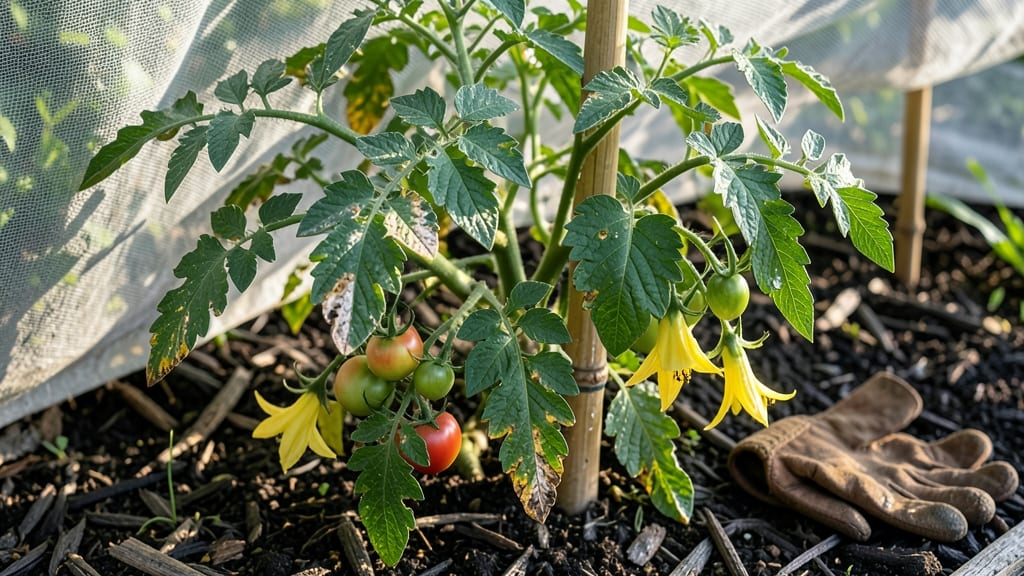
Your tomato plants are telling you they need shade—those sunburned leaves with crispy edges are sunburn, not disease. 🌞 I’ve nursed back plants with this exact problem, and the key is acting fast before the damage spreads.
The first step is identifying whether it’s heat stress or too much direct sun, because the fixes differ slightly. White or yellow patches on leaves? That’s your plant’s way of saying “too much of a good thing.”
Prune the damaged foliage immediately to help the plant focus energy on recovery, then move it to partial shade for a few days. You’ll see new growth within 10-14 days if you catch it early.
The real secret is prevention: use shade cloth (30-50%) during peak afternoon sun, water deeply in the morning, and avoid transplanting seedlings into full sun until they’ve hardened off. Your tomatoes will bounce back stronger than ever, and you’ll avoid this crispy mess next season.
This works for container-grown plants too—just move the pot to a shadier spot. The goal is to mimic natural shade patterns, like dappled sunlight under a tree. Trust me, your plants will thank you with bigger, healthier fruit.
Root Causes Of Leaf Damage
When your tomato plants sport crispy, brown-edged leaves that look like they’ve been kissed by the sun, the culprit is almost always excessive light exposure—but not in the way you might think.
Sunburn on tomato leaves isn’t just about scorching heat; it’s a mix of environmental stress, plant physiology, and even cultural mistakes. Let’s break down the real reasons behind those unsightly (and often harmful) leaf edges.
Tomatoes are sun-loving plants, but their leaves aren’t built to handle direct, midday sunlight without protection. When UV rays and high temperatures exceed what the plant can tolerate—especially in hot, dry climates—the leaves’ cuticle (a waxy outer layer) breaks down. This causes:
- Photoxidative stress: Excess light energy damages chloroplasts (the plant’s solar panels), leading to cell death.
- Transpiration overload: Hot air dries out leaf edges faster than roots can supply water, creating crispy, papery margins.
- Anthocyanin buildup: Some tomatoes produce red/purple pigments as a sunscreen—this is your plant’s last-ditch effort to shield itself.
Actionable fix: Provide afternoon shade (especially in zones 8–11) using shade cloth (30–50% coverage) or strategic planting near taller crops (like corn or sunflowers).
Sunburned leaves often mimic drought stress, but the connection runs deeper. When soil moisture drops, tomatoes close stomata (pores) to conserve water—trapping heat inside leaf tissues. This creates a double whammy:
- Heat buildup: Closed stomata prevent cooling, raising internal leaf temps by 10–15°F.
- Osmotic damage: Cells lose turgor pressure, causing edges to curl and crisp like overcooked pasta.
Key signs: Leaves feel leathery or dry to the touch (vs. soft and pliable when hydrated).
Actionable fix:
- Water deeply 1–2x/week (1–1.5 inches per session) at soil level (avoid wetting leaves to prevent fungal issues).
- Use mulch (straw or grass clippings) to retain moisture and cool roots.
- For container tomatoes, self-watering pots or drip irrigation prevent surface drying.
Tomatoes thrive in 60–85°F days, but sudden jumps—like 90°F+ afternoons followed by cool nights—disrupt their metabolic balance. The issue isn’t just heat; it’s the thermal shock that occurs when:
- Hot days denature enzymes in leaves, halting photosynthesis.
- Cool nights slow transpiration, leaving excess salts/minerals that crystallize on leaf edges.
Pro tip: Monitor your microclimate. Urban areas or black plastic mulch can raise soil temps by 20°F+—opt for silver or white mulch to reflect heat.
Sunburn-like symptoms can also stem from mineral deficiencies, particularly:
| Nutrient | Deficiency Signs | Why It Causes "Burn" |
|---|---|---|
| Calcium (Ca) | Crispy young leaves, browning at edges (blossom-end rot’s cousin). | Ca strengthens cell walls; without it, edges collapse under heat stress. |
| Magnesium (Mg) | Yellowing between veins (interveinal chlorosis), then crispy edges. | Mg is central to chlorophyll—without it, leaves can’t process light efficiently. |
| Potassium (K) | Scorched-looking leaf margins, especially on older leaves. | K regulates water balance; low levels = cells plasma membrane breakdown. |
Actionable fix: Test soil pH (ideal: 6.0–6.8) and amend with:
- Crushed eggshells (Ca),
- Epsom salt (Mg), or
- Banana peel tea (K).
⚠️ Warning: Over-fertilizing with nitrogen (N) can worsen sunburn by promoting lush, heat-sensitive growth.
Stagnant air traps heat and humidity, creating a greenhouse effect that cooks leaves from the inside out. Overcrowded plants or dense foliage block airflow, leading to:
- High humidity + heat = fungal pressure (e.g., early blight), which mimics sunburn with brown, crispy spots.
- Ethylene gas buildup from stressed plants accelerates cell senescence (aging).
Actionable fix:
- Space plants 18–24 inches apart.
- Prune suckers and lower leaves to improve airflow.
- Use a fan (on low) to circulate air without damaging leaves.
Sometimes, the "sunburn" is self-inflicted. Overzealous gardeners can cause damage with:
- Salt buildup: From tap water, synthetic fertilizers, or compost tea. Salts draw moisture out of cells, causing edges to crisp.
- Herbicide drift: Glyphosate or pre-emergent herbicides can mimic sunburn with brown, papery leaf margins.
- Over-salting soil: Too much potassium chloride or sodium-based fertilizers disrupts cellular function.
Actionable fix:
- Flush soil with rainwater or distilled H₂O to leach salts.
- Switch to organic fertilizers (fish emulsion, worm castings).
- Test water for sodium content (ideal: <50 ppm).
Revive Your Tomatoes Now
Sunburned tomato leaves can look like a lost cause—crispy, yellowed, or even blackened—but with the right care, your plants can bounce back. The key is acting fast and addressing the root cause (literally and figuratively).
Below, we break down practical solutions for each type of damage, along with prevention tips to keep your tomatoes thriving.
If your leaves show yellowing or white, papery edges (early-stage sunburn), they’re still salvageable with gentle care.
💧 Hydrate & Soothe the Plant
- Water deeply in the early morning or late afternoon to reduce stress. Avoid overhead watering, as wet leaves can worsen sun damage.
- Mulch around the base with straw or shredded leaves to retain moisture and cool the roots.
🌿 Trim & Protect
- Prune damaged leaves (but don’t overdo it—remove only the most severely affected ones). This helps the plant redirect energy to healthy growth.
- Provide afternoon shade using a lightweight shade cloth (30-50%) or a breathable row cover if temperatures exceed 90°F (32°C).
💡 Pro Tip:
If your tomatoes are in containers, move them to a spot with morning sun and afternoon shade for a few days to recover.
When leaves turn black, leathery, or crispy, the damage is deeper, but you can still prevent further spread and encourage new growth.
🚰 Flush the Soil & Boost Recovery
- Fertilize lightly with a balanced, water-soluble fertilizer (10-10-10) to support recovery. Avoid high-nitrogen feeds, which can stress the plant further.
- Add compost or worm castings to the soil to improve moisture retention and nutrient uptake.
🍅 Encourage New Growth
- Pinch off any blighted flowers or fruit—the plant’s energy should go toward regrowing leaves, not maturing damaged produce.
- Use a fan for 1-2 hours daily to improve air circulation, reducing humidity around the plant (which can lead to fungal issues).
🌡️ Adjust Growing Conditions
- Avoid hot afternoon sun—relocate pots or use reflective mulch (white gravel or aluminum foil) to bounce sunlight away from the plant.
- Mist leaves lightly in the evening (but avoid doing this in direct sun, which can cause spotting).
✨ Emergency Fix for Containers:
If your potted tomato is severely scorched, submerge the entire pot in a bucket of water for 10-15 minutes to rehydrate the roots.
Once your tomatoes recover, keep them safe with these long-term strategies:
🌿 Choose the Right Variety
- Heat-tolerant tomatoes like ‘Solar Fire,’ ‘Heatmaster,’ or ‘Cherokee Purple’ handle sun better than delicate heirlooms.
- Grafted tomatoes (with disease-resistant roots) often recover faster from stress.
🌞 Optimize Sun Exposure
- Plant in partial shade if your climate has intense afternoon sun (e.g., Southern U.S. or Mediterranean regions).
- Use trellises to elevate plants—higher = cooler leaves and better air flow.
💧 Water Wisely
- Water at the base, not the leaves, to prevent sun scald (when water droplets act like magnifying glasses).
- Deep water 1-2 times per week (depending on heat) rather than shallow daily watering.
🎯 Soil & Mulch Hacks
- Amend soil with compost before planting to improve moisture retention.
- Use black plastic mulch in hot climates—it warms the soil but can overheat leaves, so pair it with shade cloth if needed.
If more than 50% of the plant’s leaves are severely burned, it may be better to replace it and focus energy on saving other tomatoes. However, if new green leaves start emerging, your plant is on the mend!
With these steps, your tomatoes can recover, rebound, and even produce a second flush of fruit—proving that even the crispiest leaves can make a comeback! 🍅💚
Frequently asked questions
Why do my tomato leaves look crispy around the edges but still green in the middle?
This classic "sunburn" pattern happens when your plant gets too much direct sunlight, especially during hot afternoons. The leaf edges dry out faster than the center because they have fewer protective cells. Think of it like how your skin burns more easily on exposed areas. The good news? It's rarely fatal—just prune the damaged edges and provide afternoon shade to help recovery.
Can I save my tomato plant if most leaves are completely brown and crispy?
If only the older leaves are affected, your plant can often recover by focusing energy on new growth. Remove the most damaged leaves and give it partial shade for 5-7 days. If more than 50% of the foliage is dead or the stems are mushy, it's better to replace it—tomatoes are resilient but won't recover from severe whole-plant damage.
Will sunburned tomato leaves affect my fruit production?
Mild sunburn won't stop fruit production, but severe damage can reduce yields by 20-30% as the plant diverts energy to recovery. The biggest risk is if the damage spreads to younger leaves or the main stem. Focus on protecting new growth to maintain your harvest. The good news is tomatoes often produce a second flush of fruit after recovery!
How can I tell if my tomato leaves are sunburned vs. diseased?
Sunburn shows as crispy, dry edges with no visible spots or mold, while diseases like early blight cause concentrated brown spots with yellow halos. Sunburned leaves stay attached (though brittle), while diseased leaves often develop blackened veins or powdery mildew. Check the undersides of leaves—disease leaves often have fuzzy growth or spots there.
Is there anything I can spray on my tomato plants to prevent sunburn?
While no spray can fully prevent sunburn, you can create a protective barrier using a light application of kaolin clay (like Surround WP) mixed with water. This reflects sunlight and provides a thin protective layer. For better results, combine it with proper shading and watering. Avoid petroleum-based sprays—they can clog leaf pores and worsen heat stress.