
Planting
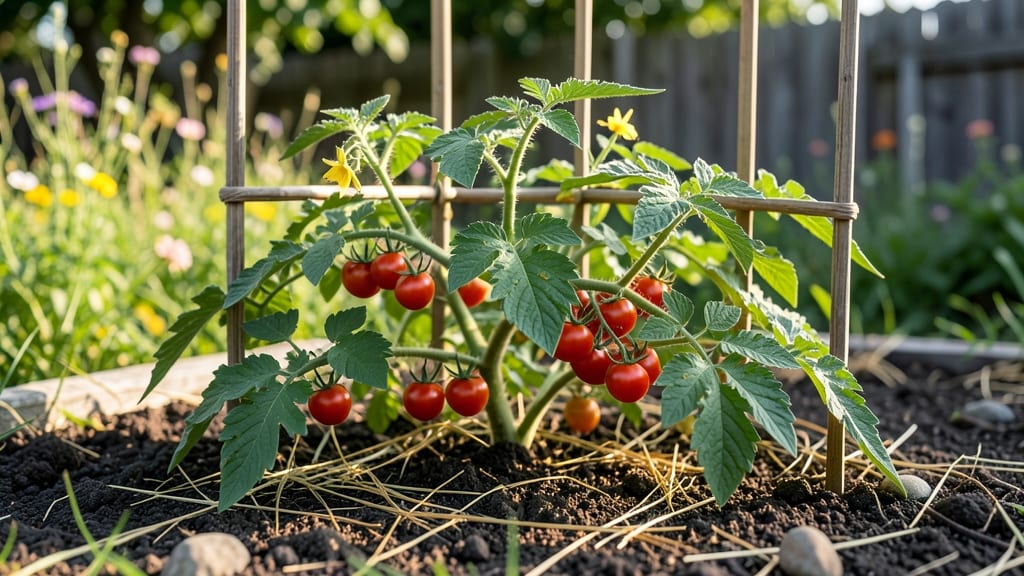
Growing a Sweet 100 tomato plant proves you don’t need a sprawling garden for a jaw-dropping harvest. 🌱 This compact, indeterminate cherry tomato thrives in pots, small plots, or even hanging baskets, producing sweet, 1-inch fruits all season long.
I’ve grown them in my city balcony garden for three years, and they’ve never disappointed—even when my other plants struggle. The secret lies in their adaptability: they tolerate partial shade better than most tomatoes, need less pruning than vining varieties, and produce fruit continuously until frost.
You’ll start with a sturdy 18-inch plant that stretches to 4-6 feet if supported, but the real magic happens when you see clusters of bright red tomatoes ripening weeks before store-bought varieties.
What makes this variety special is its fail-safe nature—it handles heat, humidity, and even occasional neglect better than fussy heirlooms. With proper support and consistent watering, you’ll harvest pounds of tomatoes from a single plant, perfect for snacking, salads, or preserving. The flavor?
Sweet, tangy, and addictive—nothing like the bland supermarket cherries. Here’s the best part: you can grow them in 5-gallon containers or raised beds, making them ideal for apartments, patios, or small backyards. Let’s get those seeds in the ground—or those plants in pots—so you can enjoy your own homegrown bounty.
📚 In This Guide
- What you need
- Instructions
- Tips and common mistakes
- Wrapping up and next steps
What you need
- ● Seeds or seedlings: 1–3 Sweet 100 tomato seeds (or 1–2 seedlings if starting with transplants). Look for heirloom or hybrid varieties labeled for small spaces.
- ● Containers: 1–3 5-gallon pots (or larger) with drainage holes, or a raised bed (at least 12" deep) if gardening in-ground.
- ● Potting mix: 1 bag of high-quality, well-draining potting soil (avoid garden soil—it compacts too easily!).
- ● Fertilizer: Balanced fertilizer: 1 (10-10-10) or (5-5-5) granular fertilizer for planting.
- ○ Tomato-specific fertilizer: 1 (optional) slow-release or liquid fertilizer (e.g., fish emulsion or compost tea) for mid-season feeding.
- ● Support: 1 cage (5–6 ft tall) or trellis per plant to keep vines upright.
- ● Basic gardening tools: 1 trowel (for transplanting).
- ● 1 pruners (for trimming suckers and dead leaves).
- ● 1 watering can or hose with a gentle nozzle (avoid overhead watering to prevent disease).
- ● Sunlight access: A spot with 6–8 hours of direct sunlight daily (south-facing windowsills or balconies work for containers!).
- ● Watering schedule: Consistent moisture (check soil daily—top 1–2 inches should stay slightly damp).
- ○ Optional (but helpful!): 1 mulch (straw or shredded leaves) to retain moisture.
- ● 1 pH test kit (ideal soil pH: 6.0–6.8).
- ● 1 plant tie (soft fabric strips to secure vines to supports).
Step-by-step guide to growing Sweet 100 tomatoes in limited space
This cherry tomato variety thrives in containers and small gardens—here's how to maximize your harvest.
🌱 Step 1: Select the Perfect Container and Prepare Soil
Sweet 100 tomatoes need at least a 5-gallon container per plant—larger is better for root growth. I use fabric grow bags because they prevent root circling and allow excess moisture to evaporate. Drill drainage holes if your container doesn't have them, and place a 2-inch layer of gravel at the bottom to improve aeration.
Fill the container with a sterile potting mix blended with 20% perlite or vermiculite for drainage. Avoid garden soil—it compacts too easily and suffocates roots. Press the mix down gently so it's firm but still loose enough for roots to penetrate. The soil should hold moisture but not feel soggy when squeezed.
☀️ Step 2: Plant and Provide Support Early
Dig a hole deep enough to bury the first set of leaves (about 6 inches) but no deeper—this encourages strong root development. Place your seedling gently and firm the soil around the stem. Sweet 100s grow 4-6 feet tall, so install a sturdy cage or trellis immediately—waiting until later risks breaking stems.
I like to use 5-foot bamboo stakes tied with soft twine to avoid damaging the stems. Position the support in the hole before planting so you don't disturb the roots later. Water thoroughly after planting to settle the soil and remove any air pockets around the roots.
💧 Step 3: Water Deeply and Maintain Consistent Moisture
Sweet 100s need 1-1.5 inches of water per week, delivered at the base rather than overhead. Water deeply every 2-3 days until the top 2 inches of soil feel dry—this encourages deep root growth. I use a soaker hose for even moisture distribution, which also reduces disease risk from wet foliage.
Here's the thing—overwatering is worse than underwatering for tomatoes. You'll know you've got it right when the soil stays consistently moist but never soggy. Yellowing leaves often signal overwatering, while wilting in the afternoon means you need to water more frequently.
✂️ Step 4: Prune and Harvest for Maximum Production
Pinch off suckers (the small shoots that form in the leaf axils) when they're less than 2 inches long—this redirects energy to fruit production. I prune every 2 weeks during peak growth. Also, remove any leaves touching the soil to prevent disease. Sweet 100s produce best with good airflow around the fruit.
Harvest when tomatoes are fully colored and slightly soft to touch—usually 45-55 days after flowering. Pick consistently to encourage more blooms. I use small kitchen scissors to snip stems cleanly without damaging the plant. Store harvested tomatoes at room temperature for best flavor, but never refrigerate until fully ripe.
🌿 Step 5: Extend the Season with Simple Care
Sweet 100s produce until frost. To prolong harvest, apply a 2-inch layer of mulch around the base to retain moisture and regulate soil temperature. I use straw mulch because it breaks down slowly and adds organic matter. Fertilize every 3 weeks with a balanced 10-10-10 formula after the first flush of fruit sets.
Watch for hornworms—these green caterpillars can defoliate a plant overnight. I handpick them in the morning when they're sluggish. If you see blossom end rot (dark spots on fruit), increase calcium by adding crushed eggshells to the soil or use a calcium supplement. This variety is disease-resistant but still benefits from preventive care.
Tips & tricks for perfect Sweet 100 tomato plants
These insider secrets will help you coax the most vibrant, productive harvest from your compact Sweet 100 tomato plants.
Container Selection: While the instructions specify a 5-gallon minimum, I've found that upgrading to 7-gallon containers makes a noticeable difference in yield and plant longevity. The extra space gives roots room to explore without becoming root-bound. For urban balconies, consider stackable fabric grow bags—they're lightweight and prevent root circling naturally. Just ensure your container has drainage holes or you'll risk waterlogged soil that invites fungal diseases.
Soil Preparation: The 20% perlite recommendation is spot-on, but I take it a step further by adding a handful of worm castings to the potting mix. This boosts microbial activity without overwhelming the plant. When pressing down the soil mix, aim for firmness similar to a well-worn sponge—it should support the plant but still allow roots to penetrate easily. Pro tip: Mix in a slow-release fertilizer (like osmocote) during planting to give your tomatoes a nutrient head start.
Support System: While bamboo stakes work beautifully, I've discovered that using a combination of a sturdy stake and a spiral tomato cage provides the best support without restricting growth. The cage prevents the plant from leaning too heavily on the stake, which can cause stem breakage. Install supports at planting time—trust me, trying to add them later risks damaging the delicate root system you've just established.
Pruning Strategy: The instructions mention pinching suckers less than 2 inches long, but I've learned to be even more aggressive during the first few weeks. Remove any suckers that appear below the first flower cluster—they'll only compete with fruit production. For the first harvest, focus on removing all suckers to encourage strong primary stems. Once your plant establishes 3-4 main stems, you can be more selective with pruning.
Pro Tips for Sweet 100 Tomato Plant
- These insider secrets will help you coax the most vibrant, productive harvest from your compact Sweet 100 tomato plants.
- Container Selection: While the instructions specify a 5-gallon minimum, I've found that upgrading to 7-gallon containers makes a noticeable difference in yield and plant longevity.
- Soil Preparation: The 20% perlite recommendation is spot-on, but I take it a step further by adding a handful of worm castings to the potting mix.
Frequently asked questions
Got questions about growing Sweet 100 tomato plants? You’re not alone! This compact, high-yielding variety is perfect for small gardens, but it’s natural to have a few doubts before diving in. Below, we’ve answered the most common questions to help you grow like a pro—and troubleshoot any hiccups along the way.
How long does it take for Sweet 100 tomato plants to produce fruit?
The Sweet 100 tomato plant typically starts flowering 50–60 days after transplanting (or 60–70 days from seed). You can expect your first ripe tomatoes 60–70 days after flowering, so plan for a total of 110–130 days from seed to harvest. For faster results, opt for transplants from a nursery!
Can I grow Sweet 100 tomatoes in containers? If so, what size pot do I need?
This variety is perfect for containers—just choose a pot at least 12–18 inches deep and wide to accommodate its compact roots and support a small cage or stake. Ensure the container has drainage holes and use a high-quality potting mix. Pro tip: Rotate the pot occasionally to prevent leaning!
What’s the best temperature range for Sweet 100 tomato plants?
Sweet 100 tomatoes thrive in warm weather but can handle a wide temperature range:
- Daytime: 70–85°F (21–29°C) (ideal for flowering/fruiting)
- Nighttime: Above 55°F (13°C) (below this, growth slows)
- Avoid: Extreme heat (above 90°F/32°C) or frost (these plants are not cold-hardy).
If you’re in a cooler climate, start seeds indoors 6–8 weeks before the last frost and use row covers for early protection.
Why aren’t my Sweet 100 tomatoes ripening? What’s wrong?
If your tomatoes stay green or fail to ripen, it’s usually due to one of these issues:
- Insufficient sunlight: These plants need 6–8+ hours of direct sun daily. Move them to a sunnier spot or supplement with grow lights.
- Cool temperatures: Tomatoes won’t ripen below 55°F (13°C). Use a black plastic mulch or row covers to warm the soil.
- Overwatering or poor drainage: Too much moisture can cause blossom end rot or split fruits. Water deeply 1–1.5 inches per week and ensure pots/containers drain well.
- Nutrient deficiency: Yellow leaves? Add a balanced fertilizer (10-10-10) or compost mid-season.
If the problem persists, pick green tomatoes and ripen them indoors with a paper bag + banana (ethylene gas speeds ripening!).
Are there any alternatives to Sweet 100 for small spaces?
If you love the compact, prolific nature of Sweet 100 but want to try something different, consider these small-space tomato varieties:
- Tiny Tim: Even smaller (18 inches tall), great for 5-gallon buckets.
- Patio Princess: Determinate, bushy, and disease-resistant—perfect for hanging baskets.
- Balcony Red: Cherry tomatoes that thrive in 10–12 inch pots.
- Micro Tom: The world’s smallest tomato (harvest in 60 days!), ideal for window boxes.
All of these are determinate (bush-type), so they won’t sprawl like indeterminate varieties.
Wrapping up and next steps
Growing a Sweet 100 tomato plant is a rewarding way to bring fresh, flavorful tomatoes to your table—even in small spaces! Whether you’re a beginner or a seasoned gardener, this compact variety proves that big harvests don’t require big yards.
With the right care, you’ll enjoy juicy, sweet tomatoes perfect for salads, sauces, or snacking straight from the vine.
Ready to take the next step? Start with a single plant—or share the love by gifting seedlings to fellow green thumbs! 🌱🍅 And don’t forget to save seeds from your best tomatoes for next year’s garden. Happy growing!