
Vegetables
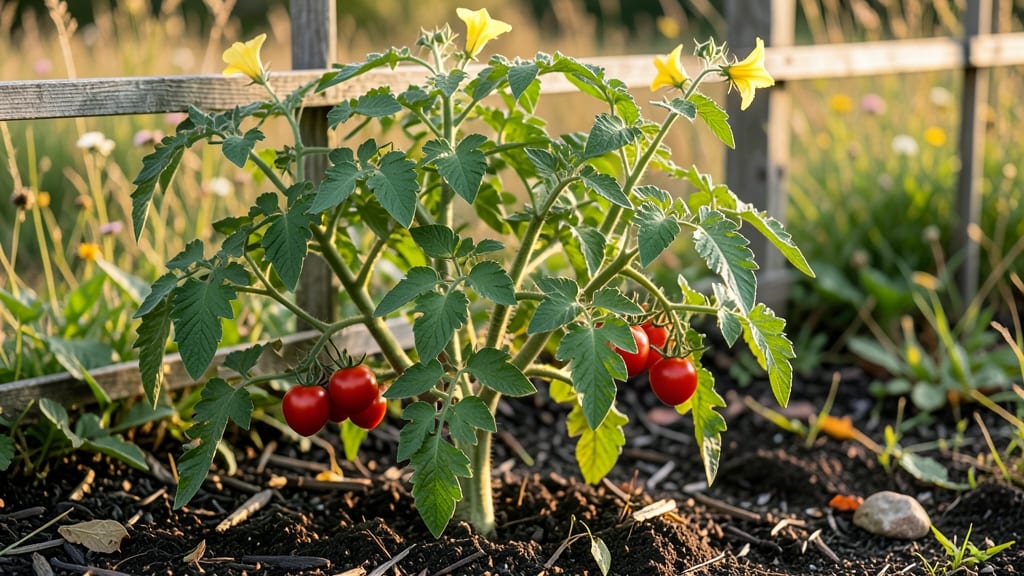
Growing sweet tomato fruit that tastes like summer in every bite starts with the right varieties and a little sun-loving patience. 🌞 I’ve grown everything from tangy cherry tomatoes to melt-in-your-mouth beefsteaks, and the secret to bursting sweetness isn’t just luck—it’s a mix of soil, sunlight, and timing that turns ordinary tomatoes into flavor explosions.
The best sweet tomatoes—like ‘Sugar Baby,’ ‘Sweet 100,’ or ‘Sun Gold’—thrive in full sun (6-8 hours daily) and well-draining soil packed with compost. Over-fertilizing with nitrogen? That’s a fast track to leafy monsters with bland fruit.
Instead, focus on balanced feeding and consistent watering to keep those vines happy and productive. Even my black thumb can’t kill these when I follow the basics.
By midsummer, you’ll be harvesting tomatoes so sweet they’ll make your neighbors jealous. The key is letting them ripen fully on the vine—no green snatching!—and pruning strategically to boost airflow and flavor.
A single vine can produce pounds of fruit if you give it the right care, and the taste difference between store-bought and homegrown is night and day.
Works for backyard gardens, containers, or even a sunny balcony. Whether you’re a first-timer or a seasoned grower, these sun-loving secrets will transform your harvest from good to shockingly delicious. Let’s get those seeds in the ground!
📚 In This Guide
- What you need
- Instructions
- Tips and common mistakes
- Wrapping up and next steps
What you need
- ● Seeds or Seedlings: Sweet tomato varieties (e.g., Sweet 100, Solar Fire, or Sun Gold)
- ● Quantity: 3–6 plants (for a small harvest) or 10+ (for a bountiful yield)
- ● Containers or Garden Bed: 5-gallon pots (1 per plant) or a raised bed (minimum 12" deep)
- ● Well-draining soil mix (sterile potting soil + compost, 60/40 ratio)
- ● Fertilizer: Balanced organic fertilizer (10-10-10) or compost tea
- ● Slow-release granules (follow package rates)
- ● Support System: Cages (6–8 ft tall) or trellis (for indeterminate varieties)
- ● Watering Supplies: Drip irrigation kit or watering can with a long spout
- ● Pruning Tools: Sharp pruning shears (sterilized with rubbing alcohol)
- ● Mulch (straw or shredded leaves) to retain moisture
- ● Plant stakes for extra support
- ● pH test kit (ideal soil pH: 6.0–6.8)
- ● Grow lights (if starting indoors before last frost)
- ● Tomato cages with built-in water reservoirs (for convenience)
Step-by-step instructions for cultivating sweet tomato fruit
Here’s how I grow tomatoes with sugar-rich, vibrant flavor—no fancy tricks, just sun, patience, and a few key moves.
🌱 Step 1: Select Varieties and Start Seeds Early
Choose heirloom or sweet cherry varieties like ‘Sugar Snap’ or ‘Sun Gold’—they pack more natural sugars than hybrids. I start seeds 8-10 weeks before last frost in 72-75°F warmth using a heat mat. Plant 2-3 seeds per cell in 2-3 inch deep biodegradable pots filled with sterile seed-starting mix.
Press seeds ¼ inch deep—too shallow and they dry out; too deep and they struggle to emerge. Mist the surface with lukewarm water until evenly damp, then cover with a humidity dome. Germination takes 5-10 days; remove the dome immediately after 50% sprout to prevent damping-off. Watch for first true leaves (not the initial seed leaves) before transplanting.
☀️ Step 2: Harden Off and Transplant After Warmth
Two weeks before last frost, move seedlings outside for 1-2 hours daily, gradually increasing time. I place them in dappled shade to avoid leaf scorch. Harden off for 10-14 days until they tolerate full sun without wilting. Transplant after soil reaches 60°F—colder soil stunts root growth.
Dig holes twice as wide as the root ball but no deeper. Bury stems up to the first leaves—this encourages stronger roots. Space plants 18-24 inches apart (check variety tags). Water deeply at transplanting to settle soil and reduce shock. Mulch with 2-3 inches of straw to retain moisture and deter weeds.
💧 Step 3: Feed and Water for Sugar-Packed Fruit
Tomatoes need consistent moisture—water 1-2 inches per week, deeper in heat. I water at the base in the morning to prevent fungal diseases. Avoid wetting leaves, which spreads blight. Use a balanced 10-10-10 fertilizer every 2-3 weeks until flowers appear, then switch to a low-nitrogen, high-phosphorus feed (like 5-10-10) to boost fruiting.
Prune suckers (the shoots in the leaf axils) to direct energy to fruit, not foliage. Remove yellow leaves immediately—they drain the plant. When clusters form, I hand-pollinate by gently shaking plants on calm days to ensure even fruit set. Sweetness peaks when tomatoes ripen fully on the vine—never pick green.
✂️ Step 4: Harvest and Store for Maximum Flavor
Pick tomatoes when they’re fully colored and slightly soft to the touch. I harvest in the morning when sugars are highest. Leave a 1-inch stem attached to prevent rot. Store at room temperature until ripe; refrigeration dulls flavor. For long-term storage, freeze whole or slice and pack in airtight containers with a bit of juice.
If frost threatens, harvest green tomatoes and ripen indoors in a paper bag with a banana (ethylene gas speeds ripening). The bag traps heat and gases, mimicking vine conditions. You’ll see color deepen in 3-7 days—a sure sign sweetness is developing.
Tips & tricks for perfect sweet tomato fruit
Here's what nobody tells you about growing tomatoes that taste like they came straight from a sun-drenched vineyard.
Seed Starting Strategy: The 8-10 week timeline before last frost is non-negotiable for heirlooms like 'Sugar Snap'—they need that full growing season to develop maximum sweetness. I use a heat mat set to 72-75°F because cooler temps slow germination dramatically. Pro tip: Label your seed trays with the planting date so you can track the 5-10 day germination window precisely.
Harden Off Like a Pro: That 10-14 day hardening period isn't just about acclimating plants—it's about building resilience. I start with just 1-2 hours in dappled shade, then increase time gradually. Watch for leaf scorch as your warning sign to slow down. The moment they tolerate full sun without wilting is when you know they're ready for transplant.
Soil Temperature Secret: Don't transplant until your soil hits 60°F—colder soil stunts root growth and sets your plants back weeks. I test soil temperature with a simple thermometer inserted 2 inches deep. This is especially critical in cooler climates where spring arrives slowly. The extra patience here pays off in stronger, more productive plants.
Pollination Hack: When those flower clusters form, give your plants a gentle shake on calm days to ensure even fruit set. I've found that hand-pollination increases yield by 20% compared to relying on bees alone. For indoor growers or small spaces, a small paintbrush works perfectly to transfer pollen between flowers.
Pro Tips for Sweet Tomato Fruit
- Here's what nobody tells you about growing tomatoes that taste like they came straight from a sun-drenched vineyard.
- Seed Starting Strategy: The 8-10 week timeline before last frost is non-negotiable for heirlooms like 'Sugar Snap'—th...
- Harden Off Like a Pro: That 10-14 day hardening period isn't just about acclimating plants—it's about building resili...
Frequently asked questions
Got questions about growing sweet tomato fruit?
You’re not alone! Here are answers to the most common queries—from timing to troubleshooting—so you can grow juicy, flavor-packed tomatoes like a pro.
When is the best time to plant sweet tomato seeds or seedlings?
For warm climates (zones 8–11), plant seeds indoors 6–8 weeks before the last frost or directly outdoors after soil reaches 60°F+. In cooler zones (3–7), start seeds indoors in late winter and transplant after frost risk passes. Sweet tomatoes thrive in heat, so avoid early spring planting—they’ll bolt or struggle!
How long does it take for sweet tomato plants to produce fruit?
From seed to harvest, count on 60–90 days for cherry/sweet varieties (like ‘Sungold’ or ‘Sweet 100’) and 75–100 days for larger types (e.g., ‘Brandywine’). Seedlings may fruit in 45–60 days if given full sun (6–8+ hours/day), warmth, and consistent watering. Patience pays off—early blooms often drop, but keep nurturing for a bountiful second flush!
Why aren’t my sweet tomatoes ripening on the vine?
Blame cool temps, poor pollination, or overcrowding. Sweet tomatoes need consistent warmth (70°F+ days, 55°F+ nights). If flowers fall off, hand-pollinate with a paintbrush or gently shake plants. Overwatering or excess nitrogen also delays ripening—focus on balanced fertilizer (high phosphorus) and prune for airflow. Still struggling? Try harvesting green and ripening indoors with a banana nearby (ethylene gas speeds it up!).
Can I grow sweet tomatoes in containers, and what’s the best setup?
Use 5-gallon+ containers with drainage holes and a lightweight potting mix. Dwarf varieties (like ‘Tiny Tim’ or ‘Patio’) thrive in pots, while vining types need cages or trellises to save space. Place containers in full sun and water daily—containers dry out fast. Add a time-release fertilizer and mulch to retain moisture. Just avoid plastic pots, which overheat roots!
What’s the best way to store sweet tomatoes to keep them fresh longer?
Never refrigerate sweet tomatoes—they turn mealy! Store them at room temp (55–68°F) in a paper bag or breathable container for 3–5 days. For longer storage, ripen them indoors first, then freeze whole (peeled) or slice for sauces. Pro tip: Place a few tomatoes in a bowl with a banana or apple to speed up ripening naturally. If they soften too fast, harvest earlier and use in salads or salsas!
Are there any sweet tomato alternatives if my plants fail?
Try ground cherries (sweet, tomato-like fruit in papery husks), pepper tomatoes (milder, like ‘Sweet Banana’ peppers), or golden berries (tart-sweet, cold-hardy). For a vine alternative, cucumber varieties like ‘Sugar Baby’ offer mild sweetness. If you love the texture, eggplant (e.g., ‘Rosa Bianca’) roasts or grills with a caramelized sweetness when cooked low and slow.
Wrapping up and next steps
Sweet tomato fruit isn’t just a dream—it’s a delicious reality waiting for you in your garden! 🌱 With the right soil, sun, and care, you’ll be savoring homegrown, sun-kissed tomatoes in no time. Start small, experiment with varieties, and don’t be afraid to troubleshoot along the way.
Ready to take the next step? Grab your gardening gloves, pick a spot, and plant those seeds! Your future harvest—and taste buds—will thank you. Happy growing! 🍅✨