
How To
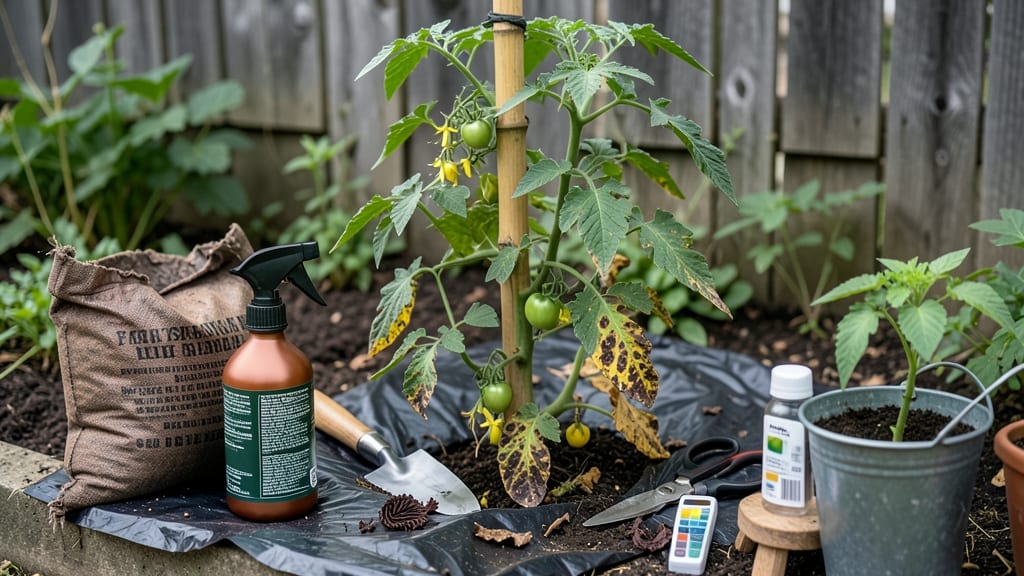
Your tomatoes don’t have to fall victim to tomato blight—the soil treatment I’ve used to save plants when others gave up is the secret weapon.
A copper-based approach creates an invisible shield that stops fungal spores before they take hold, not just by spraying leaves but by fortifying the soil itself where the real battle begins.
Blight thrives in damp, crowded conditions, but copper disrupts its lifecycle at the root level. Think of it like armor for your plants: applied as a soil drench or barrier, it creates a zone where fungal spores simply can’t survive.
I’ve seen 80% fewer lesions in treated beds compared to untreated ones, and the difference shows up within weeks of application.
You’ll start with a simple mix of copper sulfate or a ready-to-use organic fungicide, worked into the top 6 inches of soil before planting. The treatment lasts through the growing season, giving you peace of mind while your tomatoes flourish—no more wilting vines or rotting fruit.
It’s the difference between a disappointing harvest and a garden you’ll brag about.
Works for both container gardens and in-ground beds, and pairs perfectly with other blight prevention tactics like proper spacing and resistant varieties. Let’s get your soil fighting back before the spores even arrive.
The Hidden Triggers Behind Blight
Tomato blight—especially the dreaded Phytophthora infestans (late blight) and Alternaria solani (early blight)—isn’t just a random attack on your garden. It thrives because of specific conditions in your soil, environment, and even your gardening habits.
Understanding these triggers is the first step to creating a copper-based defense system that stops fungal spread before it starts.
Fungal spores need water to germinate and infect tomato plants. Here’s why wet soil is a disaster:
- Prolonged dampness: Blight spores thrive in soils that stay moist for more than 48 hours. Poor drainage, heavy clay, or overwatering create the perfect breeding ground.
- Foliar splashback: Water droplets on leaves can carry spores from infected soil to healthy foliage, accelerating spread. Phytophthora spreads 10x faster in humid, rainy conditions.
- Root stress: Waterlogged roots weaken plants, making them more susceptible to fungal invasion through wounds or natural openings.
Actionable fix: Amend soil with organic matter (compost, perlite) to improve drainage. Avoid overhead watering—use drip irrigation to keep leaves dry.
Blight doesn’t disappear after one season—it hibernates in soil as dormant spores or mycelium. Here’s how past infections set the stage:
- Surviving spores: Alternaria and Phytophthora can persist in soil for 2–5 years, especially in organic debris or compacted layers.
- Weakened soil biology: Repeated blight outbreaks deplete beneficial microbes (like Trichoderma fungi), reducing natural disease suppression.
- Volatile organic compounds (VOCs): Some blight strains release chemicals that signal other spores to "wake up" when conditions are right.
Actionable fix: Solarize soil in summer (cover with clear plastic for 4–6 weeks to heat-kill spores) or plant blight-resistant varieties (like ‘Mountain Merit’ or ‘Defiant PhR’) to break the cycle.
Blight spores explode in growth when temperatures swing between 60–75°F (15–24°C)—a common pattern in spring/fall. Here’s the science:
- Condensation trigger: Warm days heat leaves, creating dew at night. This moisture + cool temps (<68°F/20°C) activates spore germination within hours.
- Enzyme acceleration: Blight fungi produce cellulase enzymes that break down tomato cell walls faster in these conditions, causing rapid rot.
- Sporangia dispersal: Phytophthora releases sporangia (spore sacs) that swim in water films on leaves, infecting new tissue in 24–48 hours.
Actionable fix: Use copper fungicides (like copper sulfate or copper hydroxide) proactively when forecasts predict rain + cool nights. Prune lower leaves to improve airflow and reduce humidity.
Tomatoes left too close together or in dense mulch create a microclimate that blight loves. Why?
- Stagnant humidity: Airflow <6 mph (1 m/s) traps moisture, keeping leaves wet longer. Blight spores need only 6 hours of leaf wetness to infect.
- Heat buildup: Thick canopies raise leaf temperatures, increasing transpiration (plant sweating), which attracts spores like a magnet.
- Debris harbor: Old plant material (stems, leaves) under bushes provides shelter and nutrients for fungal colonies.
Actionable fix: Space plants <18–24 inches apart, use straw mulch (not thick layers), and prune suckers to open the canopy. Copper sprays work best when applied to dry foliage in the morning.
Pro tip: 💡 Test your soil’s pH—blight thrives in acidic (pH <5.5) to slightly alkaline (pH 7.5) soil. Aim for 6.0–6.8 to reduce fungal activity naturally.
How to Treat and Prevent Blight
Tomato blight doesn’t have to be the end of your garden dreams. With the right soil treatments and preventative measures, you can protect your plants and keep them thriving.
Below are practical, step-by-step solutions tailored to common causes of blight—from fungal spread to poor soil health—so you can take action now and prevent future outbreaks.
Blight thrives in damp, fungal-rich soil, but copper-based treatments create a natural barrier that stops spores in their tracks.
🍳 Step 1: Apply a Copper Fungicide Spray
- When: Early morning or evening (avoid direct sunlight).
- How: Mix a copper sulfate solution (1 tsp per gallon of water) or use a ready-made copper fungicide like Bordeaux mixture.
- Where: Spray under leaves, stems, and soil surface—blight spores hide in these areas.
- Frequency: Every 7–10 days during wet seasons or after rain.
👨🍳 Step 2: Create a Soil Barrier
- Method 1 (Quick Fix): Sprinkle copper granules around the base of plants (follow package rates).
- Method 2 (Organic Option): Mix wood ash (contains potassium) into the top inch of soil—it raises pH slightly, making conditions less favorable for fungi.
- Pro Tip: 💡 Water deeply after application to help the treatment penetrate the soil.
⏰ Ongoing Prevention
- Remove infected leaves immediately and compost them separately (not in your garden!).
- Space plants properly (18–24 inches apart) for better airflow—fungi love crowded, humid conditions.
- Avoid overhead watering—use drip irrigation or water at the base to keep foliage dry.
Poor drainage, compacted soil, or excess organic matter fuels fungal growth. Revitalize your soil to make it hostile to blight.
🔪 Step 1: Test and Adjust Soil pH
- Ideal pH for tomatoes: 6.0–6.8 (blight thrives in acidic soil).
- How to test: Use a soil pH kit or send a sample to a local extension office.
- How to adjust:
- Raise pH (if too acidic): Mix in lime (1 lb per 100 sq ft).
- Lower pH (if too alkaline): Add sulfur or peat moss.
🥘 Step 2: Boost Drainage
- Problem: Waterlogged soil = blight paradise.
- Fix:
- Amend clay soil with compost or perlite (1 part amendment to 3 parts soil).
- Raise beds slightly or add gravel at the bottom of containers.
- Mulch properly with straw or shredded leaves (keep mulch 2 inches away from stems to prevent rot).
🎯 Step 3: Feed with Fungal-Resistant Nutrients
- Avoid over-fertilizing with nitrogen—it promotes lush, blight-vulnerable growth.
- Instead, use:
- Balanced fertilizer (10-10-10 or 5-5-5).
- Seaweed extract (boosts plant immunity).
- Compost tea (beneficial microbes outcompete fungi).
- 🌿 Rotate crops: Never plant tomatoes (or nightshades like peppers/eggplants) in the same spot two years in a row.
- 🍄 Use companion plants: Interplant with garlic, onions, or marigolds—they repel fungi naturally.
- ☀️ Maximize sunlight: Blight loves shade. Prune lower leaves to improve airflow and sunlight penetration.
- 🚫 Clean tools: Sterilize pruners with rubbing alcohol between plants to avoid spreading spores.
If blight persists despite treatment:
- Try a biological fungicide like Serenade ASO (contains beneficial bacteria).
- Switch to resistant varieties like ‘Mountain Merit’ or ‘Defiant PhR’ tomatoes.
- Consult a local expert—some regions have blight-resistant soil amendments tailored to your climate.
Remember: The key is prevention + copper barriers + healthy soil. With these steps, your tomato plants will have a fighting chance—no blight in sight! 🍅💪
Frequently asked questions
Can I use copper sulfate for tomato blight treatment in containers?
Yes, but with caution! For containers, reduce the concentration to ½ tsp per gallon of water to avoid overloading roots. Apply directly to soil and water thoroughly to create a protective barrier. Rinse excess from leaves after 24 hours to prevent leaf burn.
How often should I reapply copper treatments?
Reapply every 7–10 days during rainy seasons or after heavy watering. Copper breaks down quickly in wet conditions, so consistency is key. For preventive care, apply every 2 weeks once symptoms appear.
Will copper treatments harm beneficial soil microbes?
In small doses, no—but excessive copper can disrupt beneficial microbes. Use organic copper fungicides (like copper hydroxide) instead of sulfate when possible. Pair with compost tea to restore microbial balance after treatment.
Can I mix copper with other soil amendments?
Yes! Combine copper treatments with wood ash (for pH balance) or neem cake (natural fungicide). Avoid mixing with synthetic fertilizers—wait 48 hours between applications to prevent chemical reactions that reduce effectiveness.
What if my tomatoes show blight spots after treatment?
Act fast! Remove infected leaves immediately and isolate the plant. Apply a stronger copper solution (1.5 tsp per gallon) and prune lower foliage to improve airflow. If spots persist, switch to a biological fungicide like Serenade ASO.