
Plants
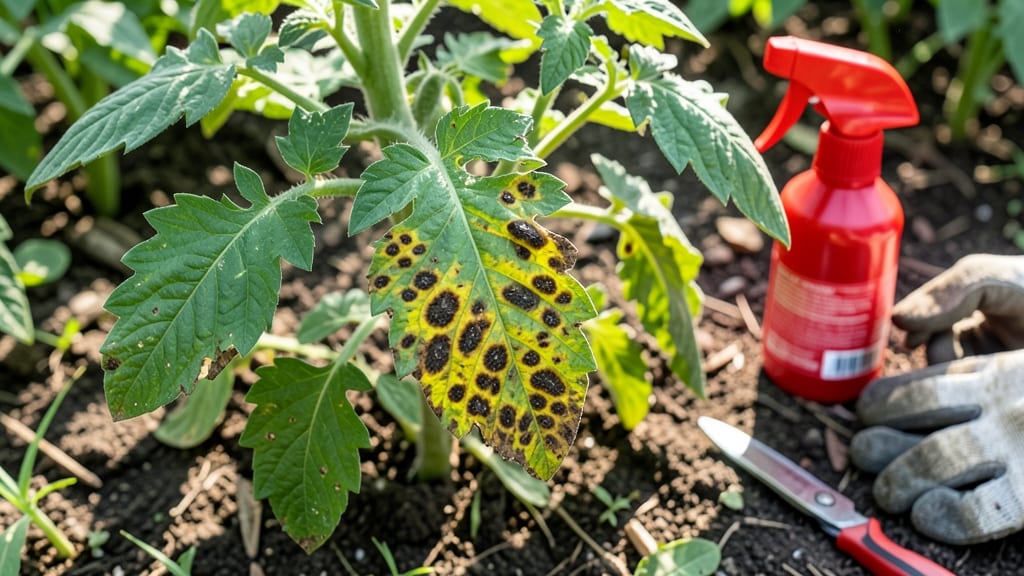
Leaf spot disease on tomato plants can turn your lush green foliage into a sad, spotted mess in days—unless you act fast. 🌱 I’ve seen this fungal nightmare ruin entire harvests, but neem oil stops the spread in 48 hours if you catch it early.
The key? Spotting those dark, circular lesions before they multiply and drop leaves entirely.
This disease thrives in warm, humid conditions, so it’s not just about spraying something—it’s about timing, airflow, and sanitation. I’ve learned the hard way that pruning crowded foliage and removing infected leaves (with gloves!) cuts the infection cycle.
Neem oil isn’t just a bandage; it disrupts the fungus’s life cycle while being safe for bees and edible plants.
Within two days of treatment, new spots stop appearing, and existing ones fade. Your plants will keep producing fruit like nothing happened—no bitter taste, no stunted growth. The secret? Apply neem oil at dusk when humidity is high, and repeat every 7–10 days until the season ends.
Prevention is easier than cleanup: space plants 18–24 inches apart, water at the base (never overhead), and rotate crops yearly. Resistant varieties like ‘Mountain Merit’ or ‘Defiant PhR’ also help—but if spots appear, neem oil is your first line of defense.
Root Causes of Tomato Leaf Spots
Leaf spot disease on tomato plants isn’t just a random nuisance—it’s a perfect storm of environmental stress, fungal invaders, and poor plant hygiene. Understanding the why behind these unsightly spots is the first step to stopping them in their tracks.
Let’s break down the top culprits and how they team up to turn your lush tomato leaves into a polka-dot disaster.
Tomato leaf spots thrive in sticky, sweaty conditions—think of a greenhouse left to simmer or a garden bed where plants are packed too tightly. Here’s the science:
- Fungal spores love moisture 💦: Pathogens like Alternaria and Septoria (common leaf spot culprits) germinate and spread rapidly when humidity stays above 75% for prolonged periods.
Even morning dew can create the perfect breeding ground if leaves stay wet too long. - Stagnant air = fungal buffet 🍽️: Poor airflow traps humidity near leaves, giving fungi a 24/7 all-you-can-eat buffet.
Without circulation, spores hitchhike on water droplets and infect new leaves effortlessly. - Overhead watering = disease delivery system 🚀: Splashing water onto leaves (especially in the evening) splashes spores directly onto fresh tissue, accelerating infection.
Actionable fix: Space plants 18–24 inches apart, prune for airflow, and water at the base (not overhead) before 10 AM to let leaves dry quickly.
Leaf spot diseases are primarily fungal, and these microbes are opportunistic little vampires waiting for weak spots to strike. The two most notorious offenders:
| Fungus | How It Attacks | Tell-Tale Signs |
|---|---|---|
| Alternaria | Spores land on leaves, then germinate in 24–48 hours under wet conditions. | Dark, concentric rings with yellow halos; spots may merge into large lesions. |
| Septoria | Overwinters in debris or old leaves, then releases spores when conditions warm. | Tiny, grayish-brown spots with dark edges; often appear on lower leaves first. |
Why they win:
- Old plant debris (like last year’s fallen leaves) harbors spores and acts as a fungal seed bank.
- Stressed plants (from drought, nutrient deficiencies, or pests) have weaker cell walls, making them easy targets.
Actionable fix: Remove and destroy infected leaves/debris immediately (don’t compost them!). Rotate crops yearly to starve soil-borne fungi.
A tomato plant that’s starving, thirsty, or exhausted is like a person with a weakened immune system—fungi walk right in. Key deficiencies that invite leaf spots:
- Low nitrogen (N) 🚨: Leads to weak, sparse foliage with poor disease resistance.
Fungi latch onto soft, new growth like a buffet. - Calcium deficiency 🧀: Causes blossom-end rot (in fruits) but also weak cell walls in leaves, making them more susceptible to fungal penetration. - Over-fertilization with phosphorus (P) 💥: Too much P burns roots, reducing water uptake and stressing the plant—stress = open invitation for fungi.
Actionable fix:
- Test soil (pH should be 6.0–6.8 for tomatoes).
- Side-dress with compost (rich in nitrogen) early in the season.
- Avoid high-P fertilizers; opt for balanced (e.g., 5-5-5) or low-P (e.g., 3-4-6) blends.
Leaf spots love drama—specifically, sudden shifts in weather that confuse your plants’ defenses. Here’s how:
- Heavy rain + warm nights 🌧️🌤️: Spores hitch rides on raindrops and germinate faster when temps hover around 75–85°F (24–29°C).
- Cool, damp mornings 🌬️: Slow evaporation means leaves stay wet longer, giving fungi extra time to colonize.
- Frost or heat stress ❄️🔥: Damaged leaves lose integrity, creating entry points for pathogens.
Actionable fix:
- Mulch heavily (2–3 inches of straw or wood chips) to moderate soil temps and reduce splashback.
- Use row covers during prolonged rain to keep leaves dry.
- Avoid planting tomatoes in low-lying areas where cold air pools (fungi love the chill).
Sometimes, leaf spots are teamwork—pests damage leaves first, then fungi move in for the kill. The usual suspects:
- Aphids, spider mites, or whiteflies 🐜: Their saliva weakens plant tissues, creating wounds where fungi like Alternaria can burrow in.
- Tomato hornworms 🐛: Their chewed holes expose fresh, vulnerable tissue to infection.
- Birds or hail damage 🦅⚡: Physical trauma breaks the leaf barrier, giving fungi a direct access pass.
Actionable fix:
- Monitor for pests (check undersides of leaves daily).
- Handpick large pests (like hornworms) early in the day.
- Apply neem oil (as mentioned in your article!) to deter pests and prevent fungal hitchhikers.
Fungi are sneaky stowaways—they hitch rides on pruners, gloves, and even your gardening shoes. Here’s how:
- Dirty pruners 🔪: If you snip an infected leaf, spores cling to the blade and infect the next plant you touch.
- Reused pots or soil 🏺: Fungi overwinter in old potting mix or contaminated containers.
- Cross-contamination 🤝: Moving from an infected plant to a healthy one spreads spores like wildfire.
Actionable fix:
- Sterilize tools with 70% isopropyl alcohol or a 10% bleach solution between uses.
- Disinfect pots with hydrogen peroxide (3%) before reuse.
- Wash hands (or wear gloves) when moving between plants.
How to Fix Leaf Spot Fast
Leaf spot disease on tomato plants can feel like a losing battle—until you know the right moves. The good news? With targeted fixes and smart prevention, you can stop the spread and save your harvest.
Below, we’ve mapped out practical solutions for each common cause, so you can act fast and keep your tomatoes thriving.
Fix it: Adjust your watering habits and improve airflow.
- 🔥 Stop watering from above—use drip irrigation or soaker hoses to keep leaves dry. Wet foliage is an open invitation for spores.
- 👨🍳 Prune for airflow—remove crowded or lower leaves (especially those touching soil) to let air circulate. Aim for 6–12 inches of space between plants.
- ⏰ Water in the morning—this gives leaves time to dry before evening humidity sets in.
- 🪴 Check your soil—if it’s compacted or poorly draining, amend with compost or perlite to improve water flow.
💡 Pro Tip: Mulch with straw or shredded leaves to reduce soil splashing onto leaves during watering.
Fix it: Attack the fungus with natural or chemical defenses.
- 🥘 Neem oil spray (fastest fix!)—Mix 1 tbsp neem oil + 1 tsp mild soap + 1 quart water, spray every 3–5 days until spots stop appearing. Works in 48 hours for early stages.
- 🌡️ Baking soda solution—Combine 1 tbsp baking soda + 1 tsp oil + 1 gallon water, spray weekly to raise leaf pH and inhibit spores.
- ✨ Copper fungicide—For severe cases, use copper-based sprays (like Bordeaux mixture) as a last resort—follow label instructions carefully.
💡 Pro Tip: Rotate treatments to prevent fungus resistance. Alternate neem oil with baking soda every other week.
Fix it: Sanitize everything and break the disease cycle.
- 🔪 Sterilize pruners and tools—Wipe with 70% rubbing alcohol or a 10% bleach solution between uses.
- 🌱 Replace infected mulch/soil—If spots are severe, remove and discard old mulch and top 2–3 inches of soil with fresh, sterile mix.
- 🚫 Avoid compost from diseased plants—If you’re reusing compost, bake it at 180°F for 30 minutes to kill spores.
💡 Pro Tip: Plant resistant varieties like ‘Mountain Merit’ or ‘Defiant PhR’ next season—they’re less prone to leaf spot.
Fix it: Create a microclimate that discourages fungus.
- 🏠 Set up shade cloth (30–50%)—Reduces leaf moisture and slows spore spread during rainy seasons.
- 🌬️ Use a fan—A gentle breeze (even a small USB fan) on infected plants 2–3 hours daily speeds drying and deters fungus.
- 🌅 Move pots to sunnier spots—Tomatoes need 6–8 hours of sun/day; poor light weakens plants and invites disease.
💡 Pro Tip: Harvest early—If spots are spreading fast, pick green tomatoes to ripen indoors and save your main crop.
Once you’ve treated the spots, lock in long-term protection with these habits:
- 🌱 Crop rotation—Don’t plant tomatoes (or nightshades like peppers) in the same spot for 3 years.
- 🧼 Clean up debris—Remove all fallen leaves and stems after harvest to starve the fungus.
- 🍅 Start strong—Use sterile seedling mix and transplant healthy, disease-free starts.
- 📅 Monitor weekly—Check undersides of leaves early in the morning (when dew is present) for tiny spots before they spread.
🚀 Remember: Leaf spot is manageable—don’t let it stress you out. Act fast, stay consistent, and your tomato plants will bounce back stronger than ever. Now go spray that neem oil and watch those spots vanish! 🍅✨
Frequently asked questions
Can I still harvest tomatoes from plants with leaf spot disease?
Yes, but focus on healthy fruit first. The disease primarily affects leaves, not tomatoes directly. Pick ripe fruit immediately, and avoid harvesting from branches with severe leaf damage. Always wash tomatoes thoroughly before eating to remove any potential spores.
How do I know if my tomato spots are leaf spot disease or just sunburn?
Leaf spot spots are dark brown/black with concentric rings, while sunburn appears as bleached, crispy patches on leaf edges. Check the underside of leaves—leaf spot often starts there, while sunburn affects exposed areas first. Also, leaf spot spreads upward, while sunburn stays on sunlit surfaces.
Will neem oil harm beneficial insects like bees or ladybugs?
Neem oil is safe for bees and ladybugs when used correctly. Apply only at dusk when pollinators aren't active, and avoid spraying directly on flowers. The key is timing—wait until flowers are fully open before treating, and always follow the 1:1 ratio (1 tbsp neem oil per quart of water) to minimize any potential impact.
Can I save tomato seeds from plants that had leaf spot disease?
Yes, but sterilize everything first. Clean seeds thoroughly with a 10% bleach solution (1 part bleach to 9 parts water) for 1 minute, then rinse well. The disease doesn't typically affect seeds, but preventing contamination is crucial. Store seeds in a cool, dry place until planting the next season.
How long should I wait to replant tomatoes in the same spot after treating leaf spot?
Wait at least 3 years for proper crop rotation. Even after treatment, fungal spores can linger in the soil. During this time, plant non-nightshade crops (like beans or lettuce) in that spot. For containers, you can replant tomatoes sooner if you replace all soil and sterilize the pot.