
How To
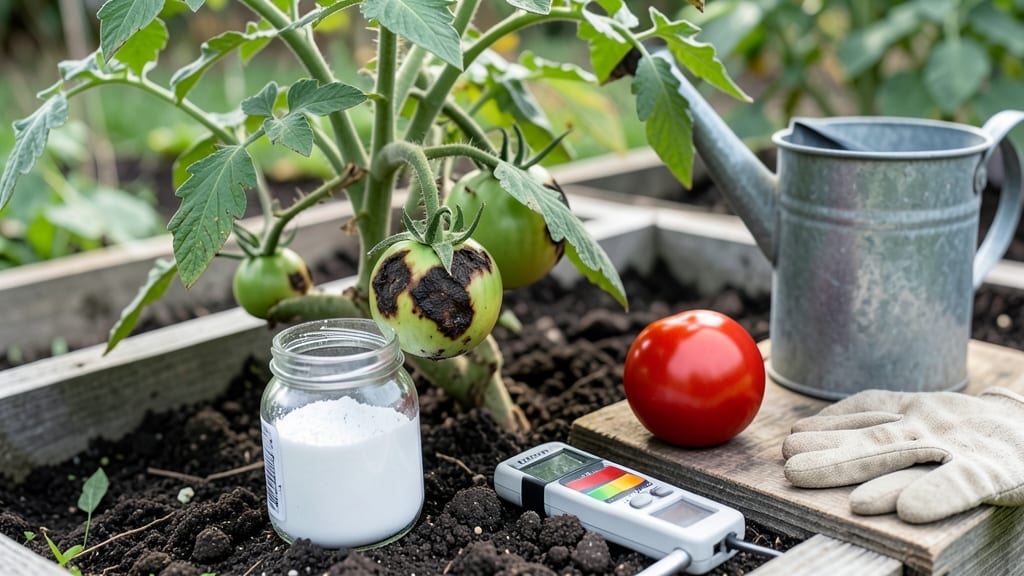
Your tomatoes are developing this tomato blossom end rot home remedy that fixes those ugly, sunken brown spots at the blossom end in minutes. 🌱 The secret isn’t buying expensive supplements; it’s right in your kitchen trash.
This method stops the rot, saves your harvest, and works even on plants already showing symptoms.
Blossom end rot happens when calcium can’t reach the fruit fast enough, usually from uneven watering or poor soil. My first year gardening, I lost half my tomatoes to this—until I discovered crushed eggshells.
The calcium in shells dissolves slowly, giving your plants a steady supply without shocking the roots. You’ll see results within days, not weeks.
By the end of this, you’ll have a foolproof remedy that costs pennies and takes less than 10 minutes to prepare. No more tossing out misshapen tomatoes—just healthy, firm fruit ready to slice onto sandwiches or toss into salads.
The best part? This fix also prevents future rot, so your next harvest stays perfect.
Works for container gardens, raised beds, and in-ground plots alike. Let’s turn those sad-looking tomatoes into the star of your summer harvest—no fancy tools or expensive sprays required.
Root Causes Of Blossom End Rot
Blossom end rot isn’t just a random tomato woe—it’s a cry for help from your plants, signaling that something critical is out of balance. Understanding the real culprits behind this common garden problem is the first step to fixing it for good.
Let’s break down the science and uncover why your tomatoes develop those unsightly, mushy brown spots at the blossom end.
🌱 Why it happens: Calcium is the structural backbone of plant cell walls, especially in fast-growing fruits like tomatoes. When your plant can’t deliver enough calcium to the blossom end (the oldest part of the fruit), the cells break down, leading to rot.
But here’s the catch—calcium deficiency isn’t always about a lack of calcium in the soil. It’s more about availability.
- Poor root uptake: Even if your soil has calcium, your tomato plants might not be absorbing it efficiently due to:
- Competing nutrients (like nitrogen or magnesium) hogging the uptake.
- Dry soil conditions—calcium moves through the plant via water, so drought stress starves the fruit.
- Cold or waterlogged roots, which slow nutrient transport.
- Rapid fruit growth: Tomatoes grow too fast for their calcium supply to keep up. This is why blossom end rot often strikes during hot, dry spells or when plants are heavily fertilized with nitrogen (which fuels leafy growth but drains calcium).
💡 Pro tip: Think of calcium like a delivery service—it’s not just about having enough in the warehouse (soil), but ensuring it gets to the right address (the blossom end) on time.
💧 Why it happens: Water is the vehicle that carries calcium to your tomato’s fruit. But inconsistent watering throws a wrench in the system.
- Fluctuating moisture levels:
- Drought stress causes roots to struggle, reducing calcium uptake.
- Sudden heavy watering after dry spells can flood roots, suffocating them and halting nutrient absorption.
- Uneven water distribution (e.g., drip irrigation on one side of the plant) leads to patchy calcium delivery.
- pH imbalances: - Calcium is most available in slightly acidic to neutral soil (pH 6.0–7.0).
If your soil is too alkaline (high pH), calcium binds tightly to soil particles and becomes unavailable to roots. - Test your soil—if the pH is above 7.0, your plants might be starving for calcium even if it’s present.
🔥 Hot take: Overwatering is just as damaging as underwatering. Consistency is key—aim for 1–1.5 inches of water per week, delivered evenly at the soil level (not the leaves).
🧪 Why it happens: While calcium is essential, other soil factors can sabotage its effectiveness.
- Excessive nitrogen:
- Nitrogen fuels leafy growth but diverts energy away from fruit development. When plants prioritize leaves over fruit, calcium gets sidelined.
- Symptoms: Lush green foliage but small, misshapen tomatoes with blossom end rot.
- Phosphorus or potassium dominance:
- These nutrients can compete with calcium for root uptake. A soil test will reveal if your garden is top-heavy with one nutrient over another.
- Salinity or compacted soil:
- High salt levels (from fertilizers or poor drainage) stress roots, reducing their ability to absorb calcium.
- Compacted soil limits root expansion, so plants can’t forage for nutrients efficiently.
🌡️ Science alert: Tomatoes need a balanced NPK ratio (e.g., 5-10-10 or 3-4-6). If you’re using organic matter like compost, it naturally balances these ratios over time.
🌡️ Why it happens: Your tomatoes aren’t just fighting soil issues—they’re also battling environmental conditions that accelerate rot.
- Extreme heat:
- High temperatures increase transpiration (water loss), but roots can’t keep up with calcium delivery.
- Solution: Provide shade cloth during heatwaves or mulch to retain moisture.
- Poor airflow:
- Crowded plants or dense foliage create humid microclimates, which can worsen rot by promoting fungal or bacterial growth on damaged tissue.
- Fix it: Prune suckers, space plants 18–24 inches apart, and stake or cage them for airflow.
✨ Grower’s secret: Morning watering (before 10 AM) reduces evaporation and gives roots time to absorb calcium during the coolest part of the day.
🍅 Why it happens: Not all tomatoes are equally vulnerable.
- Young fruits:
- Blossom end rot is most common on the first flush of tomatoes because they’re growing rapidly when calcium demand spikes.
- Older fruits (past the 1-inch stage) are less prone because their cell walls have had time to strengthen.
- Over-fertilization:
- Too much phosphorus or potassium (common in synthetic fertilizers) can lock out calcium.
- Solution: Use a low-phosphorus fertilizer (like 0-0-50 potassium sulfate) or switch to calcium-rich amendments (eggshells, crushed oyster shell).
🎯 Precision tip: If you’re using compost tea or fish emulsion, dilute it to half-strength to avoid nutrient overload.
🚨 Why it happens: If roots are injured or diseased, they can’t absorb nutrients—even if they’re right there in the soil.
- Physical damage:
- Cultivating too close to plants, weed whacking roots, or poor transplanting can harm roots.
- Root rot or fungal infections:
- Overwatering or waterlogged soil leads to Phytophthora or Pythium, which rot roots and cut off calcium supply.
- Nematodes:
- These microscopic pests pierce roots, reducing their ability to uptake calcium.
🔪 Emergency fix: If you suspect root damage, reduce watering, improve drainage, and apply mycorrhizal fungi (a natural root booster) to help recovery.
Blossom end rot is never just about calcium—it’s a domino effect of water, soil, nutrients, and environment. The good news? Once you identify the specific triggers in your garden, you can target the fix (and we’ll cover those remedies next!). 🚀
Quick Fixes for Blossom End Rot
Blossom end rot might seem like a hopeless case, but with the right approach, you can save your tomatoes and prevent future damage. The key is addressing the root cause—whether it’s calcium deficiency, watering issues, or soil problems—while using simple, effective home remedies.
Below, we break down the most common causes and how to fix them with practical, garden-tested solutions.
Blossom end rot is often a sign your tomatoes aren’t getting enough calcium, even if your soil looks rich. Since calcium is immobile in plants, the youngest fruit (like blossom ends) suffers first.
How to Fix It:
- 🍳 Eggshell Remedy (Best for Quick Results) Crush 2–3 eggshells into a fine powder and sprinkle it lightly around the base of your tomato plants. Water it in well. Eggshells are packed with calcium carbonate, which dissolves slowly and feeds the roots. For faster absorption, soak the powder in water overnight, strain it, and use the liquid as a foliar spray or soil drench.
- 🥛 Calcium-Rich Fertilizer Use a balanced fertilizer with added calcium (look for labels with "calcium nitrate" or "gypsum"). Apply it every 2–3 weeks during the growing season. Avoid high-nitrogen fertilizers, as they can worsen calcium uptake issues.
- 🌱 Compost Tea or Worm Castings Brew a compost tea (steep compost in water for 24–48 hours, strain, and dilute to 10% strength) and use it as a soil drench. Worm castings are also a natural calcium source and improve soil structure.
Inconsistent watering—especially drought followed by heavy watering—stresses plants and disrupts calcium absorption.
How to Fix It:
- 👨🍳 Mulch Like a Pro Spread 2–3 inches of organic mulch (straw, grass clippings, or wood chips) around the base of your plants. Mulch retains moisture, keeps roots cool, and prevents calcium leaching during watering fluctuations.
- 🔥 Drip Irrigation or Soaker Hoses Water deeply at the base of the plant (not the leaves) 1–2 times per week, depending on your climate. Aim for 1–1.5 inches of water per week. Avoid overhead sprinklers, which can wash away calcium-rich soil.
- 🌡️ Monitor Soil Moisture Stick your finger 1–2 inches into the soil. If it’s dry, water thoroughly. If it’s soggy, hold off until it dries slightly. Tomato roots need consistent moisture, not a rollercoaster.
Compacted or nutrient-poor soil can starve your tomatoes of calcium and other essential minerals.
How to Fix It:
- 💡 Amend the Soil Mix in 1–2 inches of compost or aged manure into the top 6 inches of soil before planting. For clay-heavy soil, add coarse sand or perlite to improve drainage. Gypsum (calcium sulfate) can also help break up compacted soil while adding calcium.
- 🎯 Test Your Soil A simple soil test kit (available at garden centers) can reveal pH and nutrient levels. Tomatoes thrive in slightly acidic soil (pH 6.0–6.8). If your soil is too alkaline, add sulfur to lower the pH.
- 🌿 Rotate Crops Avoid planting tomatoes (or other nightshades like peppers and eggplants) in the same spot year after year. Rotating crops prevents soil depletion and reduces disease risk.
Once you’ve treated existing rot, focus on prevention to keep your tomatoes healthy and blemish-free.
- 🌱 Start with Healthy Transplants Choose disease-resistant tomato varieties and ensure seedlings are strong before transplanting. Weak starts are more prone to stress and calcium deficiencies.
- 🥗 Balance Your Fertilizer Use a fertilizer with a balanced NPK ratio (like 5-5-5 or 10-10-10) and add calcium supplements early in the season. Avoid over-fertilizing with nitrogen, which can lead to lush foliage but poor fruit development.
- 🔥 Prune for Better Airflow Prune suckers (the small shoots in the leaf axils) to improve airflow and reduce humidity around the plant. This minimizes the risk of fungal diseases that can stress tomatoes.
- 🍅 Harvest Early & Often Pick tomatoes as soon as they ripen to encourage continuous production. Overloaded plants struggle to supply calcium to all fruit at once.
Pro Tip: 💡 If you spot blossom end rot early, you can sometimes salvage the tomato by cutting off the affected end (1/4 inch below the rot) and letting the rest ripen. While not ideal, it’s better than losing the whole fruit!
Frequently asked questions
Can I still eat tomatoes with blossom end rot?
Yes, but with caution! Cut off the rotten portion (about ¼ inch below the dark spot) and discard it. The rest of the tomato is safe to eat. For severe cases, remove the entire affected fruit. Always wash tomatoes thoroughly before eating to remove any bacteria that might have entered through the damaged skin.
How quickly will my tomato plants show improvement after using eggshells?
You should see results within 3-7 days if you apply crushed eggshells properly. The calcium starts working immediately, but it takes time for new fruit to develop strong cell walls. For existing rot, improvement may take 1-2 weeks as the plant stabilizes. Consistency is key—reapply every 2-3 weeks during the growing season.
Will mulching really help prevent blossom end rot?
Mulching with 2-3 inches of organic material (straw, grass clippings) keeps soil moisture consistent, which is crucial for calcium uptake. It also prevents soil temperature fluctuations that stress roots. The best mulches are those that break down slowly, like wood chips, which also improve soil structure over time.
Can I use coffee grounds as a calcium source?
No, coffee grounds actually lower calcium availability by making soil more acidic. While they add organic matter, they're not a calcium remedy. Stick to eggshells, crushed oyster shell, or gypsum for calcium. For acidic-loving plants, use coffee grounds elsewhere in your garden where they won't compete with calcium needs.
Why do my cherry tomatoes get rot while beefsteaks stay fine?
Cherry tomatoes are more vulnerable because they grow faster and have thinner skins, making them more prone to calcium deficiency. Beefsteaks develop more slowly, giving them time to strengthen their cell walls. To help cherries, focus on consistent watering and apply calcium supplements more frequently (every 2 weeks instead of monthly).