
Vegetables
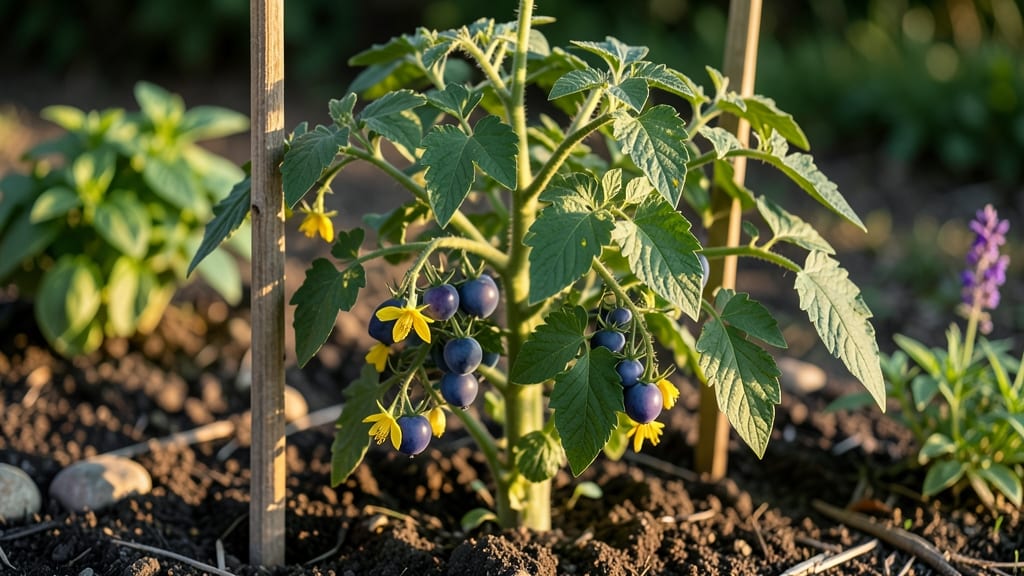
Those tiny blue berries on your tomato plants aren’t fruit—they’re a sign your plant is stressed. 🌱 The good news? This common issue has clear fixes, and understanding why it happens means you can save your harvest before it’s too late.
Blue berries form when tomato flowers fail to pollinate properly, often due to temperature swings, calcium deficiency, or overwatering. The berries themselves are harmless, but they won’t develop into ripe tomatoes, and the plant may struggle to recover without intervention.
The key is acting fast—amending soil, adjusting watering, and protecting plants from pests or extreme heat.
With the right approach, you can restore your tomato plants to full productivity. We’ll cover soil amendments, irrigation tweaks, and cultural fixes that prevent this issue in future seasons. By the end, you’ll know exactly how to diagnose the problem and salvage your plants before they give up.
Whether you’re dealing with a single plant or an entire garden, these solutions work for both container and in-ground tomatoes. Let’s get your plants back on track for a bountiful harvest—no more mystery blue berries in sight.
The Science Behind Tiny Tomatoes
If your tomato plants are producing tiny, blueberry-sized fruits instead of the juicy, plump tomatoes you expected, don’t panic—it’s a common issue with clear causes. Understanding why this happens is the first step to fixing it.
Below, we break down the most likely culprits, backed by science, so you can take action and grow tomatoes the right size.
Tomatoes need space to thrive, both above and below ground. When plants are too close together, their roots compete fiercely for nutrients, water, and sunlight. This competition triggers a survival response: the plant prioritizes producing more fruits (even if small) over fewer, larger ones.
- Root-bound stress: Overcrowded roots can’t absorb enough water or nutrients, leading to stunted growth. The plant shifts energy toward fruit production to maximize reproduction chances—even if the fruits stay tiny.
- Competition for sunlight: Shady conditions from dense foliage reduce photosynthesis, limiting the plant’s ability to produce energy for fruit expansion.
- Actionable fix:
- Space tomato plants 18–24 inches apart (or follow your variety’s specific needs).
- Thin seedlings early to avoid overcrowding.
- Prune lower leaves to improve airflow and sunlight penetration.
Tomatoes are sun-worshippers—they need 6–8 hours of direct sunlight daily to grow properly. Without enough light, the plant can’t photosynthesize efficiently, leading to weak vines and underdeveloped fruits. Tiny, blueberry-sized tomatoes are a red flag (pun intended) that your plants aren’t getting the energy they need to grow larger.
- Photosynthesis slowdown: Less light = less glucose production = less energy for fruit expansion. The plant may still set fruit, but they’ll stay small.
- Weak cell division: Sunlight triggers hormones like auxin, which promote cell growth in fruits. Without it, cells divide slowly, keeping tomatoes tiny.
- Actionable fix:
- Move potted tomatoes to a sunnier spot or use a reflective surface (like white mulch) to bounce light onto leaves.
- If growing in shade, choose determinate varieties (bush tomatoes) that tolerate lower light better.
- Use grow lights (12–16 hours/day) if natural light is lacking.
Tomatoes are thirsty plants, and inconsistent watering—whether too much or too little—can stunt fruit growth. When water levels fluctuate, the plant perceives stress and conserves energy by producing more but smaller fruits instead of fewer, larger ones.
| Issue | Effect on Tomatoes | Fix |
|---|---|---|
| Underwatering | Cells shrink, reducing fruit size. The plant may also abort flowers to conserve water. | Water deeply 1–2 inches per week (check soil moisture before watering). |
| Overwatering | Roots suffocate, limiting nutrient uptake. Fruits stay small due to poor energy production. | Ensure well-draining soil and water only when the top inch is dry. |
| Inconsistent watering | Fluctuating moisture confuses the plant, leading to uneven growth and tiny fruits. | Use drip irrigation or soaker hoses for steady moisture. |
Pro tip: 💡 Mulch around plants to retain moisture and regulate soil temperature, reducing stress.
Tomatoes are sensitive to temperature swings. If daytime highs exceed 90°F (32°C) or nights drop below 55°F (13°C), fruit development can stall, leading to tiny, underdeveloped tomatoes. Heat stress also causes blossom drop, where flowers fall before setting fruit.
- Heat stress: High temperatures reduce pollen viability and disrupt hormone signals (like ethylene and gibberellins) needed for fruit growth.
- Cold stress: Low nighttime temps slow metabolism, halting cell expansion in developing fruits.
- Actionable fix:
- Provide shade cloth (30–50% coverage) during heatwaves.
- Use row covers or cold frames to protect plants in chilly weather.
- Choose heat-tolerant varieties like ‘Solar Fire’ or ‘Heatmaster’ if you live in a hot climate.
- Water deeply in the early morning to cool the soil and roots.
Tomatoes are heavy feeders, and a lack of key nutrients can lead to stunted fruit development. Tiny tomatoes often signal deficiencies in nitrogen, phosphorus, or potassium, which are critical for vine growth, root development, and fruit expansion.
| Nutrient | Deficiency Signs | Solution |
|---|---|---|
| Nitrogen (N) | Yellowing leaves (starting with older ones), weak stems, slow growth. | Apply balanced fertilizer (e.g., 10-10-10) or compost tea. |
| Phosphorus (P) | Purple or dark green leaves, delayed flowering/fruiting, small tomatoes. | Use bone meal or phosphorus-rich fertilizer (e.g., 5-10-10). |
| Potassium (K) | Yellowing leaf edges, weak stems, poor fruit development. | Add wood ash, banana peels (composted), or a potassium sulfate fertilizer. |
| Calcium (Ca) | Blossom-end rot (dark spots on tomatoes) or catfacing (misshapen fruits). | Apply crushed eggshells or calcium nitrate. |
Pro tip: 🌡️ Test your soil with a DIY kit or send a sample to a local extension office for a full analysis. Adjust fertilizers based on results!
Pests like hornworms, aphids, or whiteflies and diseases such as early blight or fusarium wilt can sap a tomato plant’s energy, leading to tiny, underdeveloped fruits. When a plant is fighting for its life, it diverts resources away from fruit expansion.
Fixing Common Jam Mistakes
When your tomato and blueberry jam turns out less than perfect—whether it’s too runny, too thick, or worse, spoiled—don’t toss the pot! Most issues have simple fixes, and with a few tweaks, you’ll turn those mistakes into delicious success.
Below, we’ll tackle the most common problems with practical solutions and prevention tips to keep your next batch flawless.
Cause: Overripe tomatoes, insufficient cooking time, or adding too much fruit juice. Fix It:
- Simmer longer 🔥: Reduce heat to a gentle simmer and cook uncovered for 10–15 minutes to evaporate excess liquid.
- Add a thickener 🍳: Stir in 1–2 tbsp of cornstarch slurry (mix 1 tbsp cornstarch with 2 tbsp cold water) or pectin powder (follow package instructions). Cook for 2–3 minutes until thickened.
- Strain excess liquid 🥄: If the jam is still too runny after cooking, strain it through a fine-mesh sieve to remove excess juice, then return the pulp to the pot and cook further.
Prevent It: ✅ Use firm, ripe tomatoes (not mushy or overripe). ✅ Follow the recipe’s cooking time—don’t rush it! ✅ Balance liquid ratios: For every 4 cups of fruit, use 1 cup of sugar (adjust based on sweetness).
Cause: Undercooking, insufficient sugar, or overmixing. Fix It:
- Dilute with water or juice 💦: Stir in 1–2 tbsp of water, apple juice, or lemon juice and cook for 5–10 minutes to loosen the texture.
- Blend for smoothness 🥣: If grainy, blend the jam briefly with an immersion blender (or transfer to a regular blender) for a silky finish.
- Add a splash of vinegar 🍋: ½ tsp of apple cider vinegar can help break down pectin naturally, making the jam smoother.
Prevent It: ✅ Cook to the right consistency—jam should coat a spoon but still drizzle slightly. ✅ Don’t over-sugar (unless using low-pectin fruit). Aim for 1:1 sugar-to-fruit ratio for balance. ✅ Strain seeds and skins before cooking if you prefer a smoother texture.
Cause: Improper storage, under-processing, or contamination. Fix It:
- Discard immediately ❌: If you see mold, bubbles, or an off smell, throw it out—jam can spoil if not canned or refrigerated properly.
- Re-canon the jam 🔥: If caught early (before mold appears), reheat the jam to a rolling boil for 5–10 minutes to kill bacteria, then re-cann using proper sterilization methods.
Prevent It: 🔥 Sterilize jars and lids before canning (boil for 10 minutes). 🔥 Process jars in a water bath for 10–15 minutes (check USDA guidelines for altitude adjustments). 🔥 Store unopened jars in a cool, dark place and refrigerate after opening.
Cause: Over-sugar, rapid cooling, or high pectin content. Fix It:
- Gently reheat and stir 🔥: Warm the jam in a saucepan over low heat, stirring constantly until smooth. If crystals persist, add 1 tsp of lemon juice to help dissolve them.
- Add a pinch of cream of tartar 🍋: This acidifier prevents crystallization in future batches.
Prevent It: ✨ Dissolve sugar completely before adding to the fruit. ✨ Cook jam to 220°F (104°C) to ensure full pectin activation. ✨ Cool jam slowly—leave it at room temperature for 1–2 hours before refrigerating.
Cause: Undercooking or high pectin in blueberries. Fix It:
- Mash some berries 🍓: Crush ½ cup of blueberries with a fork before adding to the pot to release natural pectin.
- Add a pectin booster 🍊: Stir in 1 tbsp of lemon juice or apple cider vinegar to help break down fruit fibers.
- Simmer longer ⏰: Cook for an extra 10–15 minutes to soften the berries slightly.
Prevent It: ✅ Use slightly underripe blueberries—they hold their shape better when cooked. ✅ Pre-cook blueberries for 5 minutes before adding tomatoes to soften them gradually.
Final Pro Tip: 💡 Always taste as you go! Adjust sweetness, thickness, and acidity during cooking—it’s easier to fix than after the fact. Happy jamming! 🍴✨
Frequently asked questions
Are those tiny blue berries on my tomato plant edible?
Those small blue berries aren't true fruit—they're undeveloped tomatoes caused by stress. While they're not harmful to eat, they're usually bitter and mealy. Focus on fixing the underlying issue (like calcium deficiency or temperature stress) to get proper tomatoes instead.
Why do my tomato plants keep producing blue berries instead of regular tomatoes?
This happens when flowers fail to pollinate properly, often due to extreme heat (90°F+), cold nights (55°F), or calcium deficiency. The plant sets fruit but can't develop it fully. Check your soil pH (should be 6.0-6.8) and provide consistent moisture to prevent this.
Can I still get a good harvest if my tomatoes are producing blue berries?
Yes! Remove the blue berries to redirect the plant's energy. Focus on proper care: water deeply 1-2 inches per week, add crushed eggshells for calcium, and protect from temperature extremes. With consistent care, your plant should produce normal-sized tomatoes within 2-3 weeks.
What's the difference between blue berries and blossom-end rot?
Blue berries are tiny, undeveloped tomatoes caused by pollination failure, while blossom-end rot shows as dark, sunken spots on the blossom end of otherwise normal-sized tomatoes. Both stem from calcium issues, but blue berries affect fruit development while rot damages existing fruit.
Will pruning my tomato plant help stop blue berries?
Pruning alone won't fix blue berries, but it helps by improving air circulation and sunlight exposure. Remove suckers and lower leaves to focus energy on fruit development. Combine pruning with proper watering and calcium amendments for best results.