
Vegetables
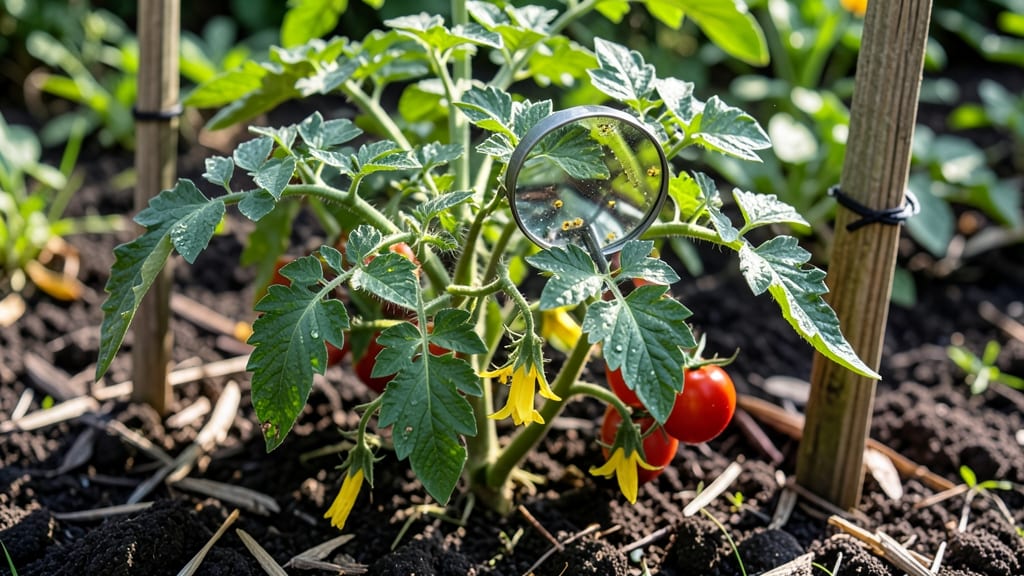
When your tomato branches curl down like sad noodles, it’s usually fungal blight throwing a party on your plants. 🌱 I’ve seen this ruin harvests before—yellowing leaves, stunted growth, and that telltale downward droop—but copper spray can turn things around in just 3 steps.
The key is acting fast before the disease spreads.
Fungal blight thrives in damp conditions, so overwatering or crowded plants often trigger it. Look for dark spots on leaves or stems—those are your first warning signs.
Aphids or spider mites can also cause curling, but they leave behind sticky residue or tiny webs, not the yellowing patches that scream "fungus."
Copper spray works by creating a protective barrier on leaves, stopping spores in their tracks. Mix it up on a dry morning, apply it evenly, and repeat every 7-10 days until new growth appears. The results? Healthier plants, fewer curled branches, and tomatoes that actually ripen instead of withering.
Prevention is easier than cleanup: space plants for airflow, water at the base (not overhead), and remove infected leaves immediately. This method keeps your garden thriving without harsh chemicals—just elbow grease and a little copper magic.
Root Causes Behind Drooping Tomato Vines
When your tomato plants’ branches start curling downward like a sad, wilted noodle, it’s rarely just a sign of old age—it’s a distress signal. Understanding the why behind this behavior is the first step to saving your harvest.
Below, we break down the most common culprits, from environmental stressors to sneaky pests, with the science-backed details you need to diagnose the issue fast.
Tomatoes are tropical plants at heart, but when temperatures soar above 90°F (32°C), their leaves and stems can’t keep up. High heat disrupts the plant’s turgor pressure—the water pressure that keeps stems rigid—causing them to flop like overcooked pasta.
The edges of leaves may also curl downward and turn crispy, a clear sign of dehydration.
🔬 Why it happens:
- Stomatal closure: Under extreme heat, tomato leaves close their stomata (tiny pores) to conserve water, but this also stops gas exchange, leading to wilting.
- Enzyme breakdown: Heat denatures proteins like RuBisCO, which are critical for photosynthesis, further weakening the plant.
- Root struggle: If the soil is dry, roots can’t absorb enough water to compensate, making the stems limp.
💡 Pro Tip: If your tomatoes are drooping in the heat, mulch heavily (straw or grass clippings) to retain moisture, and provide afternoon shade with shade cloth (30-50% coverage). Water deeply at dawn to avoid evaporation.
While underwatering is a common issue, overwatering can also cause tomato branches to curl and droop. When roots sit in soggy soil for too long, they suffocate, starving the plant of oxygen and nutrients.
This leads to root rot, which weakens the plant’s ability to support its own weight.
🔬 Why it happens:
- Oxygen deprivation: Roots need 10-15% oxygen in soil to function. Waterlogged conditions drop this to nearly 0%, triggering anaerobic respiration, which produces toxic ethanol and kills root cells.
- Fungal invasion: Excess moisture invites Phytophthora and Pythium fungi, which attack roots and block water/nutrient uptake.
- Nutrient leaching: Overwatering washes away essential minerals like potassium and calcium, critical for stem strength.
💡 Pro Tip: Check soil moisture by sticking your finger 2 inches deep—if it’s damp, wait. If your pots or garden beds lack drainage, amend soil with perlite or coarse sand, and ensure containers have drainage holes. Drip irrigation (vs. overhead watering) keeps foliage dry and roots happy.
Tiny pests like aphids, spider mites, and whiteflies may be silently draining your tomatoes. These insects pierce plant cells to suck out sap, injecting toxins that cause leaves to curl downward, yellow, or develop sticky honeydew. Severe infestations can stunt growth and lead to stunted, weak branches.
🔬 Why it happens:
- Toxin injection: Aphids and mites inject salivary enzymes that disrupt plant hormones (auxins and cytokinins), causing abnormal growth patterns.
- Nutrient theft: A single aphid can consume up to 50x its body weight in sap daily, starving the plant of energy.
- Secondary infections: Honeydew attracts sooty mold, which blocks sunlight and further stresses the plant.
💡 Pro Tip: Inspect undersides of leaves for pests—use a magnifying glass if needed. Blast them off with a strong spray of water, or introduce beneficial insects like ladybugs. For heavy infestations, neem oil (1 tsp per liter of water) disrupts their life cycle.
Fungal blights like early blight (Alternaria solani) and late blight (Phytophthora infestans) don’t just spot leaves—they invade stems and branches, causing them to curl, blacken, and weaken. These pathogens thrive in humid, wet conditions and can spread rapidly, turning a healthy plant into a floppy mess in days.
🔬 Why it happens:
- Cell wall breakdown: Fungi release enzymes like cellulases that degrade the plant’s structural integrity, making stems mushy and prone to collapse.
- Vascular blockage: Late blight clogs xylem vessels, preventing water transport and causing sudden wilting.
- Energy drain: Fighting infection diverts the plant’s resources from growth, leading to stunted, drooping branches.
💡 Pro Tip: Prevent fungal spread by:
- Removing infected leaves immediately (don’t compost them!).
- Spraying copper fungicide (like the one in this article!) at first sign of spots.
- Avoiding overhead watering—water at the base only.
Next up: How to diagnose which issue is plaguing your plants—and the copper spray fix that can turn things around in 3 steps.
Fixing Drooping Tomato Vines Fast
Now that you know the culprits behind your tomato branches curling down—whether it’s fungal blight, nutrient deficiencies, or environmental stress—let’s roll up our sleeves and get those plants back on track!
Below are practical, step-by-step fixes tailored to each root cause, plus prevention tips to keep your tomatoes thriving all season long.
If your tomato leaves are curling and showing yellow spots, brown patches, or a fuzzy white coating, fungal blight (like early blight or late blight) is likely the villain. Act fast—these diseases spread like wildfire!
🍳 Copper Spray: The Heavy Hitter (3-Step Fix)
- Choose Your Weapon 🛡️ - Grab copper fungicide (like copper sulfate or copper hydroxide).
It’s organic, effective, and safe for edibles once dry. - Pro tip: Avoid spraying when tomatoes are flowering or fruiting—wait until the morning so the spray dries by evening.
- Mix & Apply Like a Pro 👨🍳
- Follow label instructions (typically 1–2 tbsp per gallon of water).
- Spray thoroughly on both sides of leaves, stems, and even the soil around the base (fungus loves hiding there!).
- Bonus: Add a baking soda spray (1 tsp baking soda + 1 tsp oil + 1 tsp soap per quart of water) for extra fungal-fighting power.
- Prevent Recurrence ✨
- Water at the base (not overhead) to keep leaves dry.
- Remove infected leaves immediately—don’t compost them! Toss them in the trash.
- Rotate crops next season—don’t plant tomatoes, peppers, or potatoes in the same spot.
🌡️ Environmental Fixes for Fungal Blight
- Improve airflow by pruning crowded branches (aim for open, airy plants).
- Mulch heavily with straw or grass clippings to prevent soil splashing onto leaves.
- Avoid nighttime watering—fungus thrives in damp, cool conditions.
If your tomato branches are curling without spots but look thin, yellow, or wilted, nutrient deficiencies (or excesses!) are likely to blame. Let’s diagnose and fix:
| Symptom | Likely Cause | Quick Fix |
|---|---|---|
| Yellow lower leaves | Nitrogen deficiency | Side-dress with compost or blood meal (1 tbsp per plant). |
| Purple stems/leaves | Phosphorus deficiency | Mix bone meal into the soil or use a balanced fertilizer (10-10-10). |
| Curling + stunted growth | Potassium deficiency | Feed with wood ash or a potassium-rich fertilizer (like banana peel tea!). |
| Brown leaf edges | Overwatering or magnesium deficiency | Flush soil with water, then add Epsom salt (1 tbsp per gallon). |
🎯 Prevention Tips for Nutrient Balance
- Test your soil (kits are cheap and save guesswork!).
- Fertilize in stages: Start with a balanced fertilizer at planting, then switch to a low-nitrogen, high-potassium feed when fruits set.
- Avoid overwatering—tomatoes hate soggy roots!
Water deeply 1–2x per week (depending on heat).
Heatwaves, pests, or poor support can also make tomato branches curl downward. Here’s how to revive and protect your plants:
🌞 Beat the Heat (And Other Weather Woes)
- Shade cloth (30–50%) during extreme heat (100°F+).
- Mulch with straw to keep roots cool and moist.
- Move containers to a shadier spot if growing in pots.
🐜 Pest Control for Curling Leaves
If tiny holes, webbing, or chewed leaves accompany the curling:
- Handpick tomato hornworms (they’re big and easy to spot!).
- Spray with neem oil (mix 1 tbsp per quart of water) for aphids or spider mites.
- Encourage beneficial insects like ladybugs or lacewings.
🪑 Give Them Support (Literally!)
Weak, heavy branches curl under their own weight. Cage or stake your tomatoes ASAP:
- Staking: Tie main stems to a 6-foot bamboo stake with soft plant ties.
- Caging: Use tomato cages (5+ feet tall) to distribute weight evenly.
- Pro tip: Prune suckers (the little shoots in the leaf axils) to redirect energy to fruit, not foliage.
Want to avoid tomato branches curling down next season?
Check these boxes: - [ ] Rotate crops—don’t plant tomatoes in the same spot yearly. - [ ] Start with disease-resistant varieties (like ‘Mountain Merit’ or ‘Celebrity’). - [ ] Plant at the right time—wait until soil is 60°F+ and night temps stay above 50°F. - [ ] Monitor daily—catch issues early with a weekly leaf inspection. - [ ] Keep tools clean—sterilize pruners with rubbing alcohol between plants.
Remember: Tomatoes are tough! With the right care, your plants will bounce back—and you’ll be feasting on juicy, vine-ripened tomatoes in no time. 🍅🔥 Now go save those branches!
Frequently asked questions
Why do tomato branches curl down suddenly?
Sudden curling often signals fungal blight or heat stress. Check for dark spots (fungus) or crispy leaf edges (heat). Fungal blight thrives in damp conditions, while heat causes stomata to close, disrupting water flow.
Can I use vinegar spray to fix curling tomato leaves?
No—vinegar is too harsh for tomatoes (pH 2.5) and can burn leaves. Instead, use copper fungicide for fungal issues or neem oil for pests. Always test sprays on a small leaf first!
How often should I apply copper spray?
Apply every 7-10 days during outbreaks, then switch to preventative sprays every 2-3 weeks in humid climates. Stop spraying 2 weeks before harvest to avoid residue. Always spray in early morning for best results.
Will pruning help tomato branches stop curling?
Yes! Prune suckers (side shoots) and lower leaves to improve airflow. Remove any yellow/diseased leaves immediately—don’t compost them. Focus on keeping the plant open and supported with stakes or cages.
What's the difference between heat-induced curling and fungal blight?
Heat curling shows crispy edges and happens during hot afternoons, while fungal blight appears as dark spots and worsens in cool, damp mornings. Check leaf undersides for fungal growth or sticky residue (pests).