
Vegetables
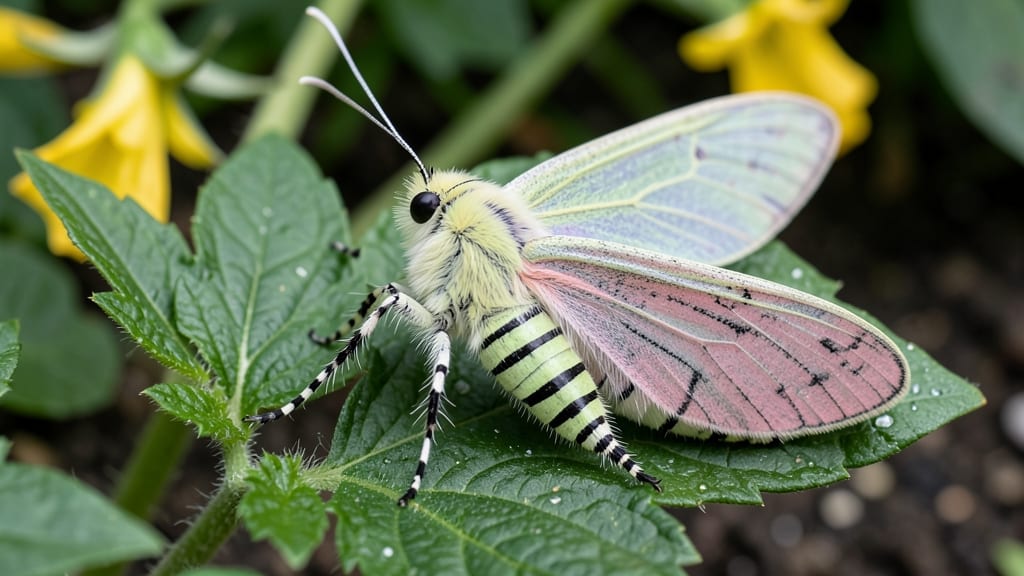
That green-and-black striped caterpillar devouring your tomatoes isn't just a pest—it's the hungry larva of the tomato hornworm moth. 🌱 I've seen entire plants stripped bare in days, but I've also learned how to outsmart them without harming your garden's balance.
The key is understanding their life cycle and using barriers like copper spray that work with nature, not against it.
These caterpillars grow up to 4 inches long and can eat a tomato plant's leaves, stems, and fruit in hours. The moths themselves are beautiful, with pale green wings and a wingspan of 3-4 inches, but their larvae are pure destruction.
The good news? Birds, wasps, and parasitic flies naturally keep their populations in check when given a chance.
A copper spray barrier creates an invisible shield that disrupts their feeding while being completely safe for your plants and beneficial insects. Applied at the base of stems, it creates a mild electrical current that deters feeding without chemicals.
You'll see results within a week—fewer holes in leaves, more fruit setting, and a garden that thrives without constant vigilance.
This method works for both backyard gardens and container-grown tomatoes, making it perfect for any gardener dealing with these voracious pests. The best part? It's a one-time application that lasts through the growing season, giving you peace of mind while keeping your tomato harvest intact.
Nature’s Uninvited Dinner Guests
If your tomato plants look like they’ve been hit by a caterpillar blitzkrieg, you’re likely dealing with the infamous tomato hornworm—the caterpillar stage of the tomato hornworm moth. But why do these striped, voracious pests show up in the first place?
The answer lies in a mix of ecological factors, plant attractants, and even human gardening habits. Let’s break down the science behind their unwelcome visits.
Tomato hornworms are specialists—they’ve evolved to love nightshades, a plant family that includes tomatoes, peppers, eggplants, and potatoes. Here’s why your garden is a five-star buffet for them:
- Volatile Organic Compounds (VOCs): Tomato plants emit chemical signals when stressed (e.g., from damage or drought). These VOCs act like a dinner bell, attracting moths to lay eggs near the most nutritious foliage. Pro tip: Overwatering or under-watering can trigger this stress response—aim for consistent moisture to reduce the “help yourself” signal.
- Foliage Density: Bushy tomato plants provide perfect hiding spots for eggs and caterpillars. Moths prefer to deposit eggs on leaves that are easily accessible and well-shaded (to protect eggs from desiccation). Actionable fix: Prune lower leaves to improve airflow and reduce egg-laying real estate.
- Flowering Tomatoes: While hornworms munch on leaves, the moths are drawn to tomato flowers as a secondary food source. If your plants are blooming heavily, you’re more likely to see moth activity. 💡 Tip: Remove spent flowers (that turn into fruit) if hornworms are rampant—this can deter moths from lingering.
The adult tomato hornworm moth is a nocturnal navigator, using the moon and stars to find your garden. Here’s how they zero in:
- Moonlight Magnetism: Moths rely on the moon’s light to orient themselves during flight. Gardens near open fields or moonlight-exposed areas become high-traffic zones. 🌡️ Science note: Warmer nights (above 70°F/21°C) increase moth activity—cooler climates see fewer invasions.
- Artificial Light Pollution: Surprisingly, outdoor lights (especially mercury vapor or white LEDs) can disorient moths, causing them to spiral toward your garden. ✨ Fix: Use yellow or red bulbs (or motion-activated lights on timers) to reduce moth attraction.
- Wind Patterns: Moths follow prevailing winds to locate host plants. If your garden sits downwind from wild nightshades or neighboring farms, you’re in the moth flight path. 🎯 Pro move: Plant a windbreak of non-nightshade herbs (like basil or oregano) to create a natural barrier.
Hornworms thrive when gardens lack basic pest control and ecological balance. Here’s how neglect invites them:
| Problem | Why It Attracts Hornworms | Quick Fix |
|---|---|---|
| Lack of Beneficial Predators | Hornworms have few natural enemies in early stages. Without parasitic wasps (like Cotesia congregata) or ladybugs, their populations explode. | Plant dill, fennel, or caraway to attract wasps. Avoid broad-spectrum pesticides! |
| Monoculture Planting | Large blocks of tomatoes create a hornworm hotspot. Moths can find one plant and lay hundreds of eggs. | Interplant tomatoes with basil, marigolds, or onions to disrupt their feeding patterns. |
| Weedy Borders | Wild nightshades (e.g., Solanum species) act as moth nurseries, letting populations build before attacking your crops. | Remove weeds in a 50-foot radius of your garden. |
🔥 Key Takeaway: Hornworms don’t invade randomly—they’re drawn by a cocktail of plant chemistry, environmental cues, and garden management oversights. The good news? Understanding these triggers lets you outsmart (not just out-spray) them.
Quick Fixes for Garden Invaders
Discovering tomato hornworms munching on your prized plants can feel like a nightmare—especially when they’re devouring your garden faster than you can say "harvest." But don’t panic! With the right strategies, you can reclaim your garden in no time.
Below, we break down practical solutions tailored to the root causes of these hungry caterpillars, from manual removal to long-term prevention. Let’s turn the tide and protect your tomato plants! 🍅🚫🐛
If you’ve spotted a few hornworms feasting on your tomatoes, the fastest way to stop the damage is to remove them by hand. It’s satisfying, eco-friendly, and requires no chemicals!- 👨🍳 Timing is everything: Early morning or late evening is best—these caterpillars are sluggish and easier to spot when they’re not basking in the sun.
- 🔪 Grab and go: Use gloves or a pair of tongs to pluck them off your plants. Drop them into a bucket of soapy water (a few drops of dish soap in water) to ensure they don’t wriggle free and start munching again.
- 🌿 Check thoroughly: Flip leaves over and inspect the undersides—hornworms love to hide there. Look for their telltale green bodies and white diagonal stripes.
Pro tip: 💡 If you’re squeamish about handling them, wear a mask. Some gardeners swear by wearing a bandana over their nose to avoid inhaling any debris from the plants.
Preventing hornworms from reaching your plants in the first place is the best defense. Here’s how to create a natural barrier:- 🌱 Plant companions: Interplant your tomatoes with basil, marigolds, or dill. These plants repel hornworms with their strong scents and act as a decoy, luring the pests away from your tomatoes.
- 🪲 Row covers: Use lightweight fabric row covers to shield your tomato plants, especially when they’re young. These covers allow sunlight and water to pass through while blocking hornworms and other pests.
- 🍃 Mulch wisely: Apply a thick layer of organic mulch (like straw or grass clippings) around the base of your plants. This disrupts the hornworm’s ability to climb up the stems and makes your garden less inviting to their moth parents.
Pro tip: 🌡️ If you’re using row covers, remove them during pollination season (if your tomatoes need it) to allow bees to do their job. Otherwise, leave them on for maximum protection!
One of the most effective (and non-toxic) ways to deter hornworms is by using a copper spray barrier. Copper disrupts the nervous system of soft-bodied insects like hornworms, making it an excellent organic solution.- 🛒 Gather supplies: You’ll need a copper-based insecticide spray (available at garden centers) or a DIY mixture of 1 tablespoon of copper sulfate per gallon of water. Add a drop of liquid soap to help it stick to the plants.
- 🌧️ Apply evenly: Spray the solution liberally on the leaves, stems, and soil around your plants. Focus on the undersides of leaves, where hornworms like to hide.
- ⏰ Reapply as needed: Copper spray works best when reapplied every 7–10 days or after heavy rain. It’s not a quick kill but prevents hornworms from settling in and causing damage.
Pro tip: ✨ For extra protection, combine copper spray with neem oil. Neem oil disrupts the hornworm’s feeding and growth cycles, making it a powerful two-pronged defense!
Sometimes, the best solution is to let your garden’s natural predators handle the problem. Hornworms have a few enemies in the insect world:- 🐞 Parasitic wasps: Tiny wasps like Cotesia congregata lay their eggs inside hornworms. When the eggs hatch, the larvae consume the hornworm from the inside out. To attract them, avoid using broad-spectrum pesticides and plant a variety of flowers to support their habitat.
- 🦋 Ladybugs and lacewings: These beneficial insects feed on hornworm eggs and young larvae. Introduce them to your garden by purchasing them online or from garden centers, or create a habitat for them with flowering plants.
- 🐸 Birds and frogs: If you have birds or frogs in your garden, they’ll happily snack on hornworms. Install a birdhouse or a small pond to attract these natural pest controllers.
Pro tip: 🎯 Plant dill, fennel, or parsley near your tomatoes to attract parasitic wasps. These herbs are like a five-star hotel for the wasps that keep hornworm populations in check!
The key to a hornworm-free garden is prevention. Here’s how to keep these pests from moving in:- 🌱 Rotate your crops: Avoid planting tomatoes (or other members of the nightshade family) in the same spot year after year. This disrupts the hornworm’s life cycle and reduces their numbers over time.
- 🌿 Keep your garden tidy: Remove plant debris, fallen leaves, and weeds where hornworm eggs or pupae might hide. A clean garden is less appealing to moths looking to lay eggs.
- 🌙 Monitor at night: Hornworm moths are most active at dusk and dawn. Use a flashlight to inspect your plants during these times and remove any eggs you find (they’re tiny and pale green or yellow).
- 🌱 Choose resistant varieties: Some tomato varieties, like ‘Solar Fire’ or ‘Mountain Merit,’ are less appealing to hornworms. Consider planting these if you’re prone to infestations.
Pro tip: 🔥 If you’re growing tomatoes in containers, keep them elevated off the ground. Hornworms are less likely to find and climb up potted plants, giving you an extra layer of protection!
Frequently asked questions
What do tomato hornworm moth eggs look like?
Tomato hornworm eggs are tiny and pale green or yellow, about the size of a pinhead (1/16 inch). They're usually laid singly on the undersides of tomato leaves, often near the veins. Look closely—you'll spot them as small, shiny ovals that blend into the foliage.
How long does it take for a tomato hornworm to grow into a moth?
A tomato hornworm's life cycle is surprisingly fast! From egg to adult moth takes about 4-6 weeks under ideal conditions. Eggs hatch in 3-5 days, caterpillars grow for 2-3 weeks, pupate for 7-10 days, and emerge as moths ready to start the cycle again.
Will copper spray harm my tomato plants?
No, copper spray is completely safe for tomato plants when used correctly. The active ingredient (copper sulfate) creates a mild electrical barrier that only affects soft-bodied insects like hornworms. Just avoid spraying during flowering or fruiting to prevent potential copper residue on your tomatoes.
Can I use BT (Bacillus thuringiensis) on tomato hornworms?
Yes! BT is highly effective against tomato hornworms. The bacteria disrupt their digestive systems, causing them to stop feeding within hours. Use a BT kurstaki strain (safe for humans and pets) and reapply every 3-5 days or after rain. It works best when applied directly to caterpillars.
Why do I keep seeing hornworms even after removing them?
Hornworms reproduce quickly, so seeing them repeatedly means new eggs are hatching daily. The adult moths can lay 1,000+ eggs in their lifetime! Focus on prevention: remove eggs nightly, use row covers, and attract natural predators like parasitic wasps to break their life cycle.