
Pests and Diseases
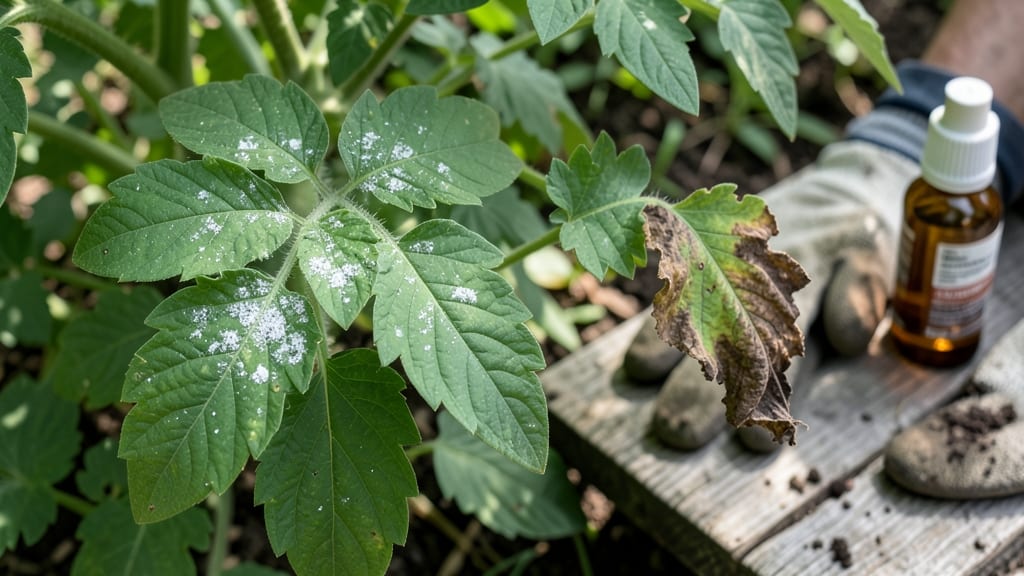
Those white spots on your cherry tomato leaves aren’t just unsightly—they’re a silent harvest thief. 🌱 I’ve seen gardens go from lush and productive to struggling in weeks when this issue gets ignored, and I’ll show you how to stop it before it spreads.
The problem usually starts with aphids, but powdery mildew or bacterial spots can look identical. The key is catching it early: check leaves daily for sticky residue (aphids) or white powder (fungus), and act fast before the plants get overwhelmed.
With the right soap spray, you can clear up an infestation in 3-5 days—no harsh chemicals needed. I’ll walk you through the exact mix that works on my plants, plus how to adjust watering and spacing to prevent it from coming back.
This method keeps your tomatoes thriving and your garden healthy for years. Let’s get those leaves clean and your harvest back on track!
Root Causes Of Leaf Spots
White spots on your cherry tomato leaves aren’t just a random quirk of nature—they’re often a clear signal that something is disrupting your plants’ health. Understanding the why behind these spots is the first step toward fixing the problem.
Below, we break down the most common culprits, from microscopic invaders to environmental stressors, with actionable insights to help you identify the issue fast.
Fungal pathogens are the #1 cause of white spots on tomato leaves, thriving in warm, humid conditions. These spores land on leaves, germinate, and create powdery or downy patches that block sunlight and choke your plants.
Powdery Mildew: The Fluffy White Foe
- What’s happening? Erysiphe cichoracearum or Oidium neolycopersici spores land on leaves, germinate, and form a white, powdery coating (like dusting flour).
Over time, leaves yellow, curl, and drop prematurely. - Why it spreads: High humidity (70%+), poor airflow, and overhead watering create the perfect fungal buffet.
Warm nights (60–80°F) accelerate growth. - Tell-tale signs: - Spots start on older leaves but spread upward. - Undersides of leaves may show fuzzy white growth. - Plants look "dusted" but spots stay dry (unlike bacterial spots, which ooze).
Early Blight: The Dark-Spotted Stalker
- What’s happening? Alternaria solani spores infect leaves, causing concentric white or tan rings with dark borders.
These spots often have a "bullseye" pattern. - Why it spreads: Cool, wet weather (50–85°F) + splashing water (from rain or irrigation) spreads spores from soil or infected debris. - Tell-tale signs: - Spots appear on lower leaves first, then creep upward. - Stems may develop dark lesions (a red flag for plant stress). - Leaves turn yellow and die if untreated.
Downy Mildew: The Shadowy Threat
- What’s happening? Phytophthora infestans thrives in cool, wet conditions (50–77°F), creating white, fuzzy patches on undersides of leaves.
Unlike powdery mildew, these spots are moist and moldy-looking. - Why it spreads: Poor drainage, overhead watering, or nearby infected plants (like basil or peppers) fuel outbreaks. - Tell-tale signs: - Yellow spots on top of leaves with white fuzz underneath. - Leaves crisp and die quickly (unlike powdery mildew’s slower decline).
Not all white spots are fungal—some are pest calling cards. Sap-sucking insects leave behind sticky residues that attract sooty mold (a black fungal hitchhiker), creating a twofer of misery.
Aphids: The Sticky Menace
- What’s happening? These green, black, or white bugs pierce leaves to suck sap, excreting honeydew—a sugary goo that attracts sooty mold (black, velvety spots).
- Why it spreads: Aphids love new growth and cluster on undersides of leaves.
They’re drawn to weak or stressed plants. - Tell-tale signs: - Sticky leaves (like syrup on foliage). - White, waxy trails (aphids’ protective coating). - Curling or distorted leaves (they inject toxins while feeding).
Spider Mites: The Webby Intruders
- What’s happening? These tiny red or yellow pests (visible with a magnifying glass) suck cell sap, causing white stippling (tiny dots) on leaves.
Severe infestations make leaves look bleached or silver. - Why it spreads: Dry, hot conditions (80°F+) weaken plants, making them easier prey.
They thrive in low-humidity greenhouses or drought-stressed gardens. - Tell-tale signs: - Fine webbing on leaf undersides or stems. - Leaves turn bronze or gray as damage worsens. - Plants wilting despite adequate water (mites block water transport).
Sometimes, white spots aren’t caused by pests or fungi—but by environmental factors that stress your plants. These issues are often preventable with simple adjustments.
Sunburn: Too Much of a Good Thing
- What’s happening? Intense sunlight (especially after rain or cold nights) causes white, dry patches on leaves.
Cherry tomatoes are particularly sensitive due to their thin leaves. - Why it happens: - Sudden heat waves after cool weather. - Reflective surfaces (light-colored mulch, metal, or pavement) amplify UV rays. - Overhead irrigation leaves leaves wet, making them more vulnerable. - Tell-tale signs: - Spots are crispy and white (like paper burns). - Edges of leaves are most affected (direct sun exposure). - No fungal growth—just dry, dead tissue.
Water Stress: Too Much or Too Little
- What’s happening? Overwatering or poor drainage leads to white, mushy spots (fungal or bacterial infections thrive in soggy soil). Underwatering causes white, dry patches from leaf scorch.
- Why it happens:
- Compacted or clay soil holds too much moisture.
- Lack of mulch lets soil dry out too fast.
- Inconsistent watering (feast or famine cycles).
- Tell-tale signs:
- Yellowing between leaf veins (overwatering).
- Leaves curling upward (underwatering).
- Root rot (soft, black stems—check soil moisture!).
Sometimes, well-meaning treatments cause white spots. Overuse of certain chemicals or even tap water can trigger stress responses.
Fertilizer Burn: Too Much of a Good Nutrient
- What’s happening? Excess salt, nitrogen, or synthetic fertilizers (like urea) create white, crispy edges on leaves.
This is your plant’s way of saying, "I’m drowning in salts!" - Why it happens: - Over-fertilizing (especially with high-nitrogen blends). - Using tap water high in chlorine/fluoride (builds up in soil). - Poorly composted manure (can contain harmful ammonia levels). - Tell-tale signs: - White or brown tips on leaves. - Stunted growth despite lush foliage. - Soil looks crusty or white (salt buildup).
Pesticide or Herbicide Drift
- What’s happening? Residual chemicals from nearby sprays (even organic ones) can cause white, bleached patches on leaves.
This is common with copper-based fungicides or glyphosate drift. - Why it happens: - Wind carries spray from treated lawns or weeds. - Overapplying fungicides (like copper soap) without rinsing. - Using harsh soaps or oils that damage leaf cuticles. - Tell-tale signs: - Spots appear suddenly after spraying. - No fungal growth—just dry, dead tissue. - Other plants in the area show similar damage.
Not sure which culprit you’re dealing with? Use this table to narrow it down:
| Symptom | Powdery Mildew | Early Blight | Downy Mildew | Aphids | Spider Mites | Sunburn | Fertilizer Burn |
|---|---|---|---|---|---|---|---|
| Spot Color | White, powdery | Tan with dark edges | White, fuzzy (bottom) | Sticky, honeydew | White stippling | White, crispy | White/brown edges |
| Leaf Surface | Top and bottom | Top only | Bottom only | Sticky residue | Fine webbing | Dry, papery | Crispy tips |
| Weather Trigger | Humid, warm | Wet, cool | Cool, wet | Any (weak plants)
Quick Fixes for Tomato Leaf Spots
If you’ve spotted those pesky white spots on your cherry tomato leaves, don’t panic—there are simple, effective ways to tackle the issue and restore your plants to their healthy, thriving selves.
The key is identifying the root cause (whether it’s aphids, powdery mildew, or another culprit) and applying the right remedy. Below, we’ve mapped out practical solutions for each common cause, along with prevention tips to keep your tomatoes spot-free in the future.
Aphids are a top suspect behind white, sticky spots on tomato leaves. These sap-sucking pests leave behind honeydew, which can attract sooty mold and weaken your plants. Here’s how to kick them out for good:
🔥 Step 1: Inspect & Confirm
Before treating, check for:
- Tiny green, black, or white bugs clustered on new growth or undersides of leaves.
- Sticky residue (honeydew) on leaves or nearby surfaces.
- Curled or yellowing leaves (aphids inject toxins as they feed).
🍳 Step 2: Blast Them Off
- Mix a gentle soap spray: Combine 1 tbsp mild dish soap (like Castile soap) with 1 quart of water. Avoid harsh detergents—they can damage plants.
- Spray directly on aphids (focus on undersides of leaves and stems) until thoroughly wet.
- Reapply every 3–5 days until aphids disappear. 🌿
👨🍳 Step 3: Boost Plant Defense
- Introduce natural predators: Ladybugs, lacewings, and parasitic wasps love aphids. Buy them online or attract them with neem oil (spray lightly on plants).
- Prune heavily infested leaves and dispose of them in a sealed bag (not your compost!).
💡 Prevention Tips
- Encourage airflow: Space plants 18–24 inches apart to reduce humidity (aphids thrive in damp, crowded areas).
- Use reflective mulch: Aluminum foil or silver plastic mulch can confuse aphids and deter them.
- Neem oil preventative spray: Apply once a week during growing season to repel pests before they arrive.
If the white spots are powdery, fuzzy, or spread like dust, powdery mildew is likely the culprit. This fungal disease thrives in humid, shady conditions and can stunt your tomatoes’ growth.
🔪 Step 1: Remove Infected Parts
- Snip off severely affected leaves (wear gloves!) and dispose of them in the trash—don’t compost.
- Avoid wetting leaves when watering (focus on the base of the plant).
🌡️ Step 2: Apply Fungicidal Sprays 1. Baking soda spray (mild, organic option):
- Mix 1 tsp baking soda + 1 tsp vegetable oil + 1 quart water.
- Add a dash of dish soap as a surfactant.
- Spray every 7–10 days until new growth is healthy.
- Neem oil or sulfur spray (stronger fungicide): - Follow package instructions (usually 1–2 tbsp per gallon of water). - Apply in the early morning or evening to avoid burning leaves.
✨ Step 3: Adjust Growing Conditions
- Improve airflow: Stake tomatoes or use cages to keep foliage off the ground.
- Water at the base (never overhead) and avoid late-day watering (leaves stay wet overnight = mildew paradise).
- Space plants 18+ inches apart and prune for sunlight exposure.
🎯 Prevention Tips
- Choose resistant varieties: Look for tomatoes labeled "powdery mildew resistant" (e.g., ‘Mountain Merit’ or ‘Defiant PhR’).
- Rotate crops: Don’t plant tomatoes in the same spot yearly—fungi linger in the soil.
- Mulch with straw: Keeps soil moist (reducing stress) but prevents splashing spores onto leaves.
If the spots are tiny, moving, or accompanied by webbing, you might be dealing with spider mites or whiteflies. These pests also cause white, sticky residue and weaken plants.
🕷️ Spider Mites: Oil & Water Blast
- Symptoms: Fine webbing on leaves, bronze or stippled spots, rapid leaf drop.
- Fix:
- Spray with water (miters hate humidity—blast them off with a strong stream).
- Neem oil or horticultural oil: Apply every 5–7 days until mites vanish.
- Release predatory mites (like Phytoseiulus persimilis) for long-term control.
🪰 Whiteflies: Yellow Sticky Traps
- Symptoms: Tiny white moth-like insects flying up when you disturb leaves, sticky honeydew.
- Fix:
- Yellow sticky traps: Hang above plants to catch adults.
- Soap spray (same recipe as for aphids) or kaolin clay (creates a barrier they hate).
- Encourage parasitic wasps (they love whiteflies).
💡 Prevention for Both
- Keep plants healthy: Strong tomatoes resist pests better—fertilize with balanced NPK (10-10-10).
- Avoid over-fertilizing with nitrogen: Too much = soft, pest-magnet leaves.
- Rotate pest control methods to prevent resistance.
No matter the cause, these universal tips will help your cherry tomatoes stay strong and spotless: - Test soil pH: Aim for 6.0–6.8 (use a soil test kit).
Poor pH = weaker plants = more pest/disease stress. - Companion planting: Grow marigolds, basil, or garlic nearby—they repel pests naturally. - Crop rotation: Don’t plant tomatoes (or nightshades like peppers/eggplants) in the same spot for 3+ years. - Harvest regularly: Overripe tomatoes stress the plant, making it more vulnerable to pests.
Final Note: Most white spot issues are easily reversible with early action. Start with inspection, apply the right remedy, and adjust growing conditions to prevent future outbreaks. Your cherry tomatoes will thank you with juicy, blemish-free fruit in no time! 🍅✨
Frequently asked questions
Why do my cherry tomato leaves get white spots even when I water them regularly?
White spots from overwatering or poor drainage often look like fungal infections. Check for soggy soil or yellowing between leaf veins—these mean your plants are drowning. Try watering only at the base in the morning and improving soil with compost to prevent root rot.
Can I still eat tomatoes if the leaves have white spots?
Yes, but only if the spots are from aphids or sunburn (not fungal diseases like powdery mildew). Fungal spores rarely transfer to fruit, but remove heavily infested leaves first. If spots are sticky (honeydew), wash tomatoes thoroughly before eating.
How do I tell if white spots are powdery mildew vs. aphids?
Powdery mildew looks like fluffy white dust on both leaf surfaces, while aphids create sticky residue (like syrup). Check for tiny bugs on undersides—if you see them, it’s aphids. Mildew spots stay dry and spread in humid conditions.
Will neem oil work for all types of white spots?
Neem oil helps with fungal spots (powdery mildew) and pests (aphids/spider mites), but it won’t fix sunburn or fertilizer damage. For sunburn, move plants to partial shade; for fertilizer burn, flush soil with water. Always test neem oil on a small leaf first.
How often should I spray my tomato plants to prevent white spots?
For prevention, spray with neem oil or baking soda mix every 7–10 days during growing season. If you see early signs, increase to weekly sprays until the problem clears. Always spray in the early morning or evening to avoid burning leaves.