
Vegetables
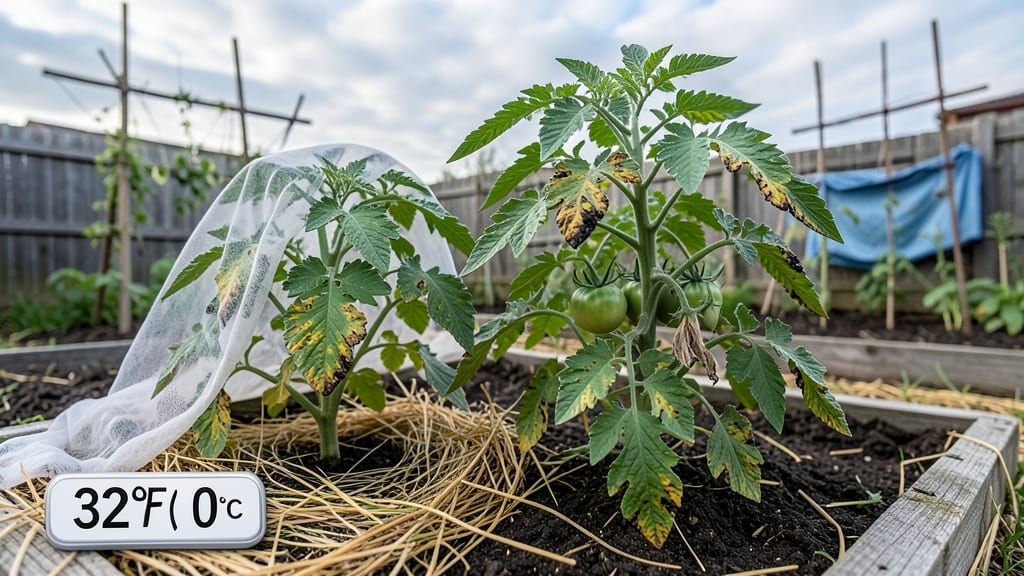
When tomato plants suddenly wilt after a cold snap, it’s not always the end—tomato cold damage can often be reversed with the right steps. 🌱 I’ve nursed back plants that looked completely done for, and the secret lies in understanding how cold stress affects them and what to do immediately after the damage appears.
The first sign is usually limp leaves or a grayish tint, but the real damage happens when cells rupture from ice crystals forming inside stems. Cold-tolerant varieties like ‘Stupice’ or ‘Mountain Merit’ handle brief chills better, but even they need protection when temperatures drop below 32°F.
Mulching with straw or using row covers before frost hits can save your plants from this stress entirely.
If your tomatoes are already struggling, prune any blackened or mushy leaves to prevent rot, then water deeply but carefully—soggy soil after cold snaps worsens root damage.
Over the next few days, gradually reintroduce them to sunlight to avoid shock, and watch for new growth within 7-10 days if the roots are still intact.
This method works in zones 3-10, but timing matters: act within 24 hours of the cold event for the best chance of recovery. Even if your plants don’t bounce back fully, they’ll often produce smaller but still edible fruit once they’ve stabilized.
Root Causes Of Chill Injury
Cold damage in tomatoes isn’t just about frost—it’s a complex reaction triggered by sudden temperature drops, prolonged exposure to chilly air, or even nighttime coolness. Understanding the why behind these issues helps you protect your plants before symptoms appear. Here’s a breakdown of the key culprits:
Tomatoes thrive in warm, stable conditions (ideal daytime temps: 70–85°F / 21–29°C). When temperatures drop below 50°F (10°C)—especially overnight—the plant’s metabolic processes go into overdrive to compensate. Here’s what happens:
- Cell Membrane Disruption: Cold causes tomato cell membranes to stiffen, disrupting the flow of water, nutrients, and energy.
This leads to plasmolysis (when cells shrink away from their walls), causing wilting even if soil moisture is adequate. - Enzyme Inhibition: Enzymes like ATPase (critical for energy production) slow down or malfunction in cold temps, halting photosynthesis and respiration.
The plant can’t sustain growth or repair damage. - Water Stress: Cold air reduces the plant’s ability to absorb water through roots, while transpiration (water loss through leaves) continues. This imbalance forces leaves to wilt as they lose turgor pressure.
Pro Tip: 🌡️ Use row covers or cloche tunnels to buffer temperature swings. Even a 5–10°F (3–5°C) difference can prevent cold shock.
Tomatoes are tropical plants—they’re not adapted to handle extended cold. When temps stay below 59°F (15°C) for more than a few hours, the damage compounds:
- Chilling Injury in Leaves: Below 50°F (10°C), leaf tissues develop brown or blackened patches (necrosis) due to oxidative stress.
Free radicals build up, breaking down chlorophyll and cell structures. - Root System Freeze: Soil temps below 45°F (7°C) can stunt root growth or kill fine root hairs, which are essential for nutrient uptake.
Weak roots = weakened plants vulnerable to disease. - Floral Damage: If temps dip below 55°F (13°C) during flowering, pollen grains fail to germinate, leading to blossom drop or deformed fruit. Even if fruit sets, it may develop poor color, uneven ripening, or internal browning.
Actionable Fix: 🌱 Mulch heavily (straw or black plastic) to insulate roots. Avoid overhead watering at night—wet leaves freeze faster!
Cold winds accelerate moisture loss (wind chill effect) and directly damage plant tissues. Here’s the science:
- Desiccation Stress: Wind removes the boundary layer of warm, humid air around leaves, increasing evaporation rates.
In cold conditions, this dries out cells prematurely, causing crispy, papery leaves. - Physical Abrasion: Strong gusts can bruise or tear leaf surfaces, creating entry points for pathogens like early blight or bacterial spot. - Root Zone Cooling: Wind exposes soil to colder air, lowering root-zone temps faster than sheltered areas.
This disrupts nutrient cycling and weakens the plant’s cold tolerance.
Solution: 🏗️ Windbreaks (tall plants, fences, or mesh screens) reduce exposure by 30–50%. Stake tomatoes early to prevent wind-rocking.
Tomatoes need a 10–15°F (5–8°C) difference between day and night for optimal growth. When nighttime temps stay above 70°F (21°C) but drop too fast, it creates heat stress followed by cold shock:
- Delayed Maturity: Warm nights reduce ethylene production, the hormone that triggers ripening.
Fruit may stay green longer or develop poor flavor. - Blossom End Rot Risk: Cold nights + calcium uptake issues (from stressed roots) lead to calcium deficiency in developing fruit, causing the classic black, sunken spots. - Weakened Immunity: Fluctuating temps suppress the plant’s defenses, making it susceptible to fungal infections like powdery mildew or septoria leaf spot.
Pro Tip: ✨ Use a soil thermometer—ideal nighttime temps should hover around 60–65°F (15–18°C). If nights are too warm, prune lower leaves to improve airflow and reduce heat retention.
Cold soil slows microbial activity, reducing nitrogen availability—critical for tomato growth. Below 60°F (15°C), beneficial bacteria like rhizobia (which fix nitrogen) become inactive, leading to:
- Stunted Growth: Without enough nitrogen, new leaves turn yellow (chlorotic) and stunt.
- Poor Fruit Set: Low soil temps delay pollen tube growth, reducing fertilization success.
- Root Rot Risk: If soil stays too cold and soggy, anaerobic conditions develop, promoting Pythium or Phytophthora fungi.
Fix It: 🔥 Warm soil faster with black plastic mulch or raise beds to absorb sunlight. Avoid planting until soil temps reach at least 60°F (15°C).
Cold damage in tomatoes isn’t just one problem—it’s a cascade of physiological stresses. By targeting temperature stability, wind protection, and root health, you can prevent wilting, blossom drop, and poor yield before they start.
Next up: How to Revive Cold-Stressed Tomatoes—because even damaged plants can bounce back with the right care!
Reviving Chilled Tomatoes: Step-by-Step Fixes
Cold damage can turn your lush tomato plants into sad, wilted relics—but don’t toss them yet! With the right care, you can nurse them back to health and even salvage some fruit.
Below, we’ve mapped out practical solutions based on the root cause of the damage, plus prevention tips to keep future harvests thriving.
If your plants look bruised but the stems are still firm, they’re likely just suffering from cold stress rather than a deadly freeze. Here’s how to revive them:
1. Warm Them Up Gradually 🔥
- Move plants to shelter (like a greenhouse, cold frame, or even a covered patio) for 24–48 hours to prevent further shock.
- Avoid direct sunlight for the first day—use shade cloth if needed.
Cold-stressed leaves are fragile and can sunburn. - Use row covers (lightweight fabric) if moving isn’t an option. Secure them tightly to trap warmth.
2. Trim the Damage ✂️
- Snip off blackened or mushy leaves with clean scissors (sterilize with rubbing alcohol). This prevents rot from spreading.
- Focus on healthy growth: Prune back to green, firm stems—new leaves will sprout from there.
3. Boost Recovery with Fertilizer 💪
- Feed with a balanced fertilizer (10-10-10 or compost tea) to replenish nutrients lost to stress.
- Add calcium (like crushed eggshells or lime) to strengthen cell walls and prevent blossom-end rot later.
4. Monitor for Pests 🐜
- Cold-stressed plants attract aphids and spider mites. Spray with neem oil or insecticidal soap if you spot them.
If stems are soft, black, or oozing, the plant may not recover—but don’t give up yet. Try these last-resort steps:
1. Check for Hidden Life 👀
- Gently tug on the main stem near the base. If it’s still slightly firm (not mushy), bury it deeper in soil or mulch to insulate it.
- Wait 3–5 days before declaring it dead—some plants perk up with warmth.
2.
Propagate from Surviving Stems 🌿 - If the base is alive but leaves are gone, trim back to healthy tissue and cover with a plastic tunnel (like a mini greenhouse) to encourage regrowth. - Save seeds from any remaining tomatoes—some varieties (like cold-hardy ‘Siberian’ or ‘Stupice’) may produce next season.
3. Replace if Necessary 🌱
- If the plant is completely mushy, pull it and plant new seedlings (if your growing season allows). Succession planting can still yield fruit!
An ounce of prevention is worth a pound of sad tomatoes! Use these proactive strategies to protect your plants:
💡 Choose Cold-Tolerant Varieties
- Opt for early-maturing hybrids (like ‘Mountain Merit’ or ‘Better Boy’) or heirlooms bred for cold (e.g., ‘Cherokee Purple’).
- Cherry tomatoes often handle light frosts better than beefsteaks.
🌡️ Extend the Season with Mulch 🌡️
- Apply 2–3 inches of straw or black plastic mulch around the base to insulate roots and keep soil temps stable.
- Avoid wet mulch—it can conduct cold. Use dry, fluffy materials like leaves or grass clippings.
🌡️ Use Row Covers & Cloches 🛡️
- Floating row covers (made of lightweight fabric) can raise temps by 5–8°F and protect against light frosts.
- Individual cloches (glass jars or plastic domes) work for young plants or late-season tomatoes.
⏰ Time Planting for Your Climate 📅
- Start seeds indoors 6–8 weeks before the last frost date in your zone.
- Use black plastic mulch 2–3 weeks before planting to warm the soil faster.
- Avoid transplanting when temps dip below 50°F—roots struggle to establish.
🌡️ Water Strategically 💦
- Water deeply before a freeze—moist soil holds heat better than dry soil.
- Avoid overhead watering before cold snaps (wet leaves freeze faster).
- Use drip irrigation to keep foliage dry and reduce frost risk.
Even if the plant survives, cold-damaged tomatoes (blossom-end rot, cracked skin, or soft spots) may not be ideal for eating fresh.
Try these fixes: - Cook them into sauces or soups—heat masks some imperfections. - Ferment or can them—acidic environments preserve quality. - Use for compost if they’re too far gone—nutrients aren’t wasted!
By acting fast and using these science-backed fixes, you can turn a frosty setback into a comeback story. And with a few preventive tweaks, next season’s tomatoes will be cold-proof! 🍅❄️
Frequently asked questions
What are the first signs of cold damage on tomato plants?
Look for limp, wilted leaves that don’t perk up even after watering, or grayish-black patches on foliage. Young leaves often show stunted growth or yellowing (chlorosis) first, while stems may feel soft or mushy when gently squeezed. Check for blossom drop—flowers falling off without setting fruit.
Can tomato plants recover from a hard freeze?
It depends! If only the leaves are damaged but the stem remains firm, prune back to healthy tissue and protect the plant with a row cover or cloche. If the stem is black, oozing, or completely mushy, the plant is likely dead—though you can try saving seeds from any remaining fruit. Act within 24 hours of the freeze for best results.
Why do some tomato varieties handle cold better than others?
Cold-tolerant varieties like ‘Stupice’ or ‘Mountain Merit’ have thicker cell walls and better enzyme activity in cooler temps. They also produce antifreeze proteins that prevent ice crystal formation in cells. Cherry tomatoes often survive light frosts better than large beefsteaks because their smaller surface area loses heat more slowly.
Will mulching really help prevent cold damage?
A 2–3 inch layer of straw or black plastic mulch can raise soil temps by 5–10°F and insulate roots. It also reduces moisture loss and prevents soil temperature swings. For extra protection, combine mulch with row covers—this combo can extend your growing season by 2–4 weeks in cold climates.
Can I still harvest tomatoes from cold-damaged plants?
Yes, but quality may suffer. Fruit already on the vine can ripen normally if the plant’s core stays alive. However, new fruit may develop blossom-end rot, poor color, or uneven ripening. For best results, harvest green tomatoes and ripen them indoors—cold stress can delay natural ripening hormones.