
How To
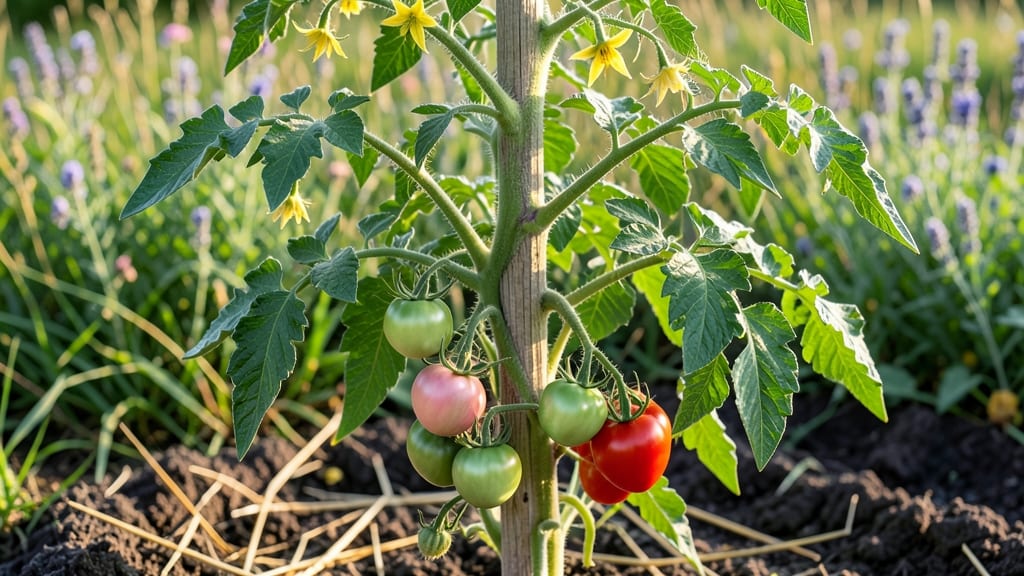
Understanding tomato days to maturity is the key to choosing the right varieties for your garden and timing your plantings perfectly.
Picture this: you’ve spent weeks nurturing seedlings, only to watch them bolt in the heat before producing a single fruit. That’s why knowing the exact timeline—whether it’s 45 days for a quick cherry tomato or 100+ days for a classic heirloom—can make or break your harvest.
In this guide, I’ll break down how to read those numbers on seed packets, match varieties to your growing season, and even adjust planting times to squeeze in extra harvests. No more guesswork—just a perfectly timed garden.
You’ll learn which varieties thrive in short seasons, how to calculate planting dates, and why some tomatoes are worth the wait for that ultimate flavor. Let’s get started!
Tomato days to maturity by variety type: early, mid-season, and late harvest timelines
Understanding tomato days to maturity helps you plan your garden like a pro. This metric tells you how long it takes from planting to harvest, so you can time your plantings perfectly to avoid early frost damage or wasted space.
Whether you're growing cherry tomatoes for snacks or beefsteak varieties for sandwiches, knowing these timelines ensures you'll enjoy fresh tomatoes all season.
Tomatoes fall into three main maturity categories: early (45-60 days), mid-season (60-80 days), and late (80-100+ days). Each category offers different flavors, sizes, and growing challenges.
For example, heirloom tomatoes often take longer to mature but deliver incredible taste, while hybrid varieties might mature faster with better disease resistance. Let's break down what to expect from each group.
Days to maturity is listed on seed packets and plant tags, but it's not just about numbers—it's about matching varieties to your growing zone and last frost date. In Zone 6a, for instance, you'll want to plant early varieties 4-6 weeks before your last frost, while late-season tomatoes need a longer, frost-free window. Let's explore the best options for each category.
Early-maturing tomatoes (45-60 days) are perfect for short seasons or container gardening. These varieties often produce smaller fruits but deliver quick rewards. Examples include 'Early Girl' (50 days) and 'Stupice' (55 days), both of which are great for northern climates or urban gardeners with limited space. They're also ideal for succession planting to stretch your harvest.
Mid-season tomatoes (60-80 days) strike a balance between speed and flavor. These are the workhorses of the garden, offering reliable yields and versatile fruits. Popular choices like 'Better Boy' (70 days) and 'Sweet 100' (65 days) are favorites for their balance of disease resistance and productivity. They're also great for greenhouse growing or extending the season with row covers.
Late-season tomatoes (80-100+ days) are where you'll find many heirloom varieties and large-fruited types. While they require more time, the payoff is often worth it. Varieties like 'Brandywine' (85 days) and 'Cherokee Purple' (80 days) develop deep, complex flavors that early varieties can't match. These are best suited for longer growing seasons or greenhouse cultivation.
Cherry tomatoes come in all maturity ranges, from early 'Tiny Tim' (50 days) to late 'Sun Gold' (65 days). Their small size means they mature faster than larger varieties, making them ideal for container growing or vertical gardening. Many cherry tomatoes are also disease-resistant, which is a huge plus for humid climates.
Beefsteak tomatoes typically fall into the mid-to-late season categories. Varieties like 'Big Beef' (70 days) and 'Brandywine' (85 days) produce massive fruits perfect for slicing. These tomatoes need sturdy supports and consistent care, but their high yield makes them worth the effort for serious gardeners.
Hybrid tomatoes often outperform heirlooms in terms of speed and disease resistance. For example, 'Celebrity' (65 days) is a classic hybrid that matures quickly and resists common diseases like blight. Meanwhile, 'Mountain Merit' (70 days) offers excellent flavor along with crack resistance, making it a favorite for home gardeners.