
Vegetables
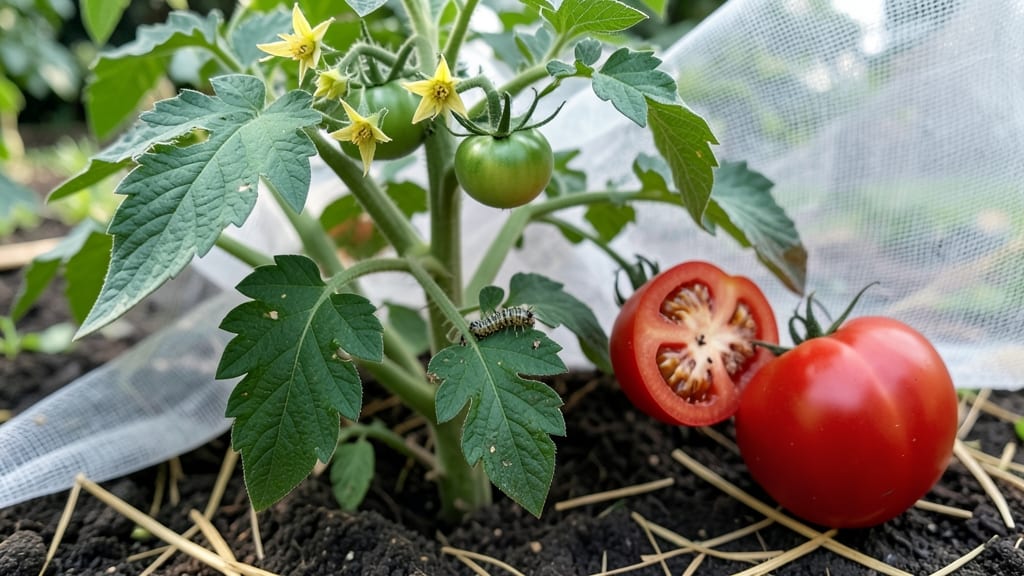
Tomato fruitworm damage turns your hard work into a deflated nightmare—one night, your perfect tomatoes go from firm to full of holes. 🌱 I’ve lost entire harvests to these sneaky larvae, but I’ve since perfected an organic spray barrier that stops them dead in their tracks without harsh chemicals.
The key is early detection: look for tiny white eggs on leaves or silvery trails in fruit. Once you spot them, a simple homemade spray (neem oil + water + a drop of dish soap) creates a protective shield.
Reapply every 5-7 days after rain, and you’ll see fewer holes and healthier plants by midsummer. What you’ll end up with is tomatoes that stay intact, sweet, and blemish-free—no more bitter surprises when you slice into them.
The spray also deters other pests, so it’s a double win for your garden’s health. Works for backyard gardens, containers, and even greenhouse setups. Here’s the exact mix and timing that’s saved my harvests for three seasons running.
Root Causes Of Tomato Worm Attacks
Understanding why tomato fruitworms target your plants is the first step to stopping them. These pests don’t just appear out of nowhere—they’re drawn by specific conditions and vulnerabilities in your garden. Below, we break down the key factors that make your tomatoes a buffet for these destructive larvae.
Tomato fruitworms (Helicoverpa zea and Spodoptera frugiperda) have a keen sense of smell and are particularly attracted to fermenting or decaying fruit. Here’s why:
- Sugars & Acids Signal Readiness: As tomatoes ripen, their sugar and acid content increases, releasing volatile organic compounds (VOCs) that fruitworms detect from up to 30 feet away.
Overripe or bruised tomatoes emit even stronger signals, acting like a dinner bell. - Moisture & Microbes Attract Egg-Laying: Rotting fruit creates a damp, microbial-rich environment—ideal for adult moths to lay eggs.
The larvae then hatch into a high-protein, easy-to-digest meal. - Late-Season Surges: In warm climates, tomatoes left on the vine too long (especially in August–September) become prime targets as they soften and ferment.
Actionable Fix:
- Harvest promptly when tomatoes reach peak ripeness (or pick green if you’re in a hot climate).
- Remove fallen or damaged fruit immediately—don’t leave them on the soil or in plant debris.
- Use row covers in late summer to block adult moths from locating overripe tomatoes.
Fruitworm moths are nocturnal fliers and rely on wind, light, and plant cues to find your garden. Their behavior explains why some years are worse than others:
- Weedy Perennials Act As Bridges: Moths often emerge from wild host plants like cotton, corn, soybeans, or nightshade weeds nearby.
If your garden is isolated but these plants grow within ½–1 mile, moths will find it. - Artificial Lights Confuse Them: Outdoor lights (especially blue or white LEDs) attract moths, which then disperse randomly—some landing on your tomato plants. - Wind Patterns Carry Eggs: Moths release pheromones to find mates, and even a light breeze can carry their eggs or larvae to your garden from infested fields.
Actionable Fix:
- Eliminate nearby weeds (especially in the Solanaceae family, like wild tomatoes or eggplants).
- Use yellow bug lights (less attractive to moths) or shield outdoor lights with red or amber bulbs.
- Plant trap crops (like basil or marigolds) 20+ feet from tomatoes to lure moths away.
Tomato fruitworms thrive in heat and humidity, which accelerate their reproduction and survival rates:
- Faster Development: Larvae grow from egg to pupa in 10–14 days in 80°F+ temperatures, compared to 3–4 weeks in cooler weather.
This means multiple generations per season. - Higher Egg Viability: Moths lay more eggs (up to 2,000 per female) in warm nights, and humidity keeps eggs from drying out. - Soil Moisture Helps Larvae Hide: After hatching, larvae burrow into the soil or fruit, where high moisture levels protect them from drying out or predators.
Actionable Fix:
- Monitor weather forecasts and apply organic sprays (like neem or Bacillus thuringiensis) before heatwaves hit.
- Improve airflow between plants to reduce humidity—space tomatoes 18–24 inches apart.
- Mulch strategically: Use straw or wood chips (not plastic) to retain moisture for plants but avoid over-saturating soil.
Fruitworms don’t just attack healthy plants—they exploit chaos.
Cluttered gardens give them: - Hiding spots for eggs (under leaves, in cracks, or inside fruit). - Protected pupation sites (in loose soil, mulch piles, or under plant debris). - Less competition—if other pests (like aphids) are controlled, fruitworms face fewer predators.
Actionable Fix:
- Rotate crops annually to break the life cycle (avoid planting tomatoes, peppers, or eggplants in the same spot).
- Clean up thoroughly after harvest: Remove all plant debris, till the soil, and solarize (cover with plastic for 4–6 weeks in summer) to kill pupae.
- Encourage natural predators: Ladybugs, parasitic wasps, and birds eat fruitworm eggs/larvae—plant dill, fennel, or alyssum to attract them.
Stopping Tomato Fruitworm Before It Starts
Now that you know the signs and root causes of tomato fruitworm damage—those pesky larvae tunneling through your tomatoes—it’s time to take action. The good news? With a mix of preventive measures, organic sprays, and smart gardening habits, you can protect your plants without resorting to harsh chemicals.
Below, we’ll break down targeted solutions based on the most common causes of infestations, so you can tackle the problem at its source.
Cause: Adult moths lay eggs on tomato leaves, and larvae hatch within days. Fix: Disrupt their life cycle with these proactive steps:
- 🔥 Use Row Covers Early Install floating row covers (lightweight fabric) over tomato plants before moths emerge (usually in late spring). These physical barriers block moths from laying eggs while allowing sunlight, water, and pollination. Secure edges tightly with soil or bricks to prevent gaps.
- 🍳 Plant Trap Crops Grow basil, dill, or marigolds near your tomatoes to attract moths away from your main crop. These plants are more appealing to fruitworms, acting as a sacrificial decoy. Replace trap crops every 2–3 weeks to maintain their effectiveness.
- 👨🍳 Rotate Plantings Avoid planting tomatoes (or other nightshades like peppers and eggplants) in the same spot year after year. Fruitworms overwinter in soil, so rotating crops breaks their cycle and reduces larval survival rates.
- ⏰ Time Your Harvests Pick tomatoes frequently to remove ripe fruit where larvae might hide. Overripe or damaged tomatoes are magnets for egg-laying moths—so stay ahead of the game!
Cause: Larvae chew through fruit and stems, causing irreparable damage. Fix: Apply organic sprays that create a physical or chemical barrier to deter moths and kill larvae on contact.
| Solution | How to Apply | Best Time to Use | Reapply Every |
|---|---|---|---|
| 🥘 Neem Oil Spray | Mix 1 tbsp neem oil + 1 tsp mild soap + 1 quart water. Spray undersides of leaves (where eggs are laid). | Dusk (to avoid harming bees) | 5–7 days |
| 🔪 Bacillus thuringiensis (Bt) | Spray Bt kurstaki (a natural bacteria) directly on leaves. Safe for humans and pets. | Early morning (when dew is present) | 7–10 days |
| 🌡️ Kaolin Clay Spray | Mix 1 tbsp kaolin clay + 1 gallon water. Creates a repellent film on leaves. | Every 7–10 days or after rain | 7–10 days |
| 🎯 Diatomaceous Earth (DE) | Lightly dust food-grade DE on soil around plants and top of fruit. Avoid overapplying—it can harm beneficial insects. | Dry conditions only (loses effectiveness when wet) | 3–5 days |
💡 Pro Tip: For maximum protection, combine neem oil + Bt in a rotational spray schedule. Neem deters adults, while Bt kills larvae before they burrow in.
Cause: Once larvae are inside fruit or stems, they’re hard to reach with sprays. Fix: Inspect plants daily and remove pests by hand—it’s tedious but effective!
- 🔍 Check for Eggs & Larvae Turn leaves over and look for tiny white eggs (size of a pinhead) or green/black larvae. Use a soft brush or damp cloth to scrape them into soapy water.
- 🍅 Slice & Save Damaged Fruit If you find infested tomatoes, cut out the damaged sections (where larvae are hiding) and discard them in sealed bags (not compost). Save the rest of the fruit for cooking.
- 🪰 Prune Heavily Infested Plants If a plant is severely damaged, remove it entirely to prevent further spread. Destroy the plant material (burn or bag it) to eliminate larvae.
Cause: Weak or stressed plants are more vulnerable to pests. Fix: Build resilient tomatoes that can fend off infestations naturally.
- 💪 Boost Soil Health Amend soil with compost and worm castings to improve plant vigor. Healthy plants recover faster from minor damage and attract beneficial predators (like ladybugs and parasitic wasps).
- 🥗 Companion Planting Interplant tomatoes with nasturtiums, garlic, or onions—these act as natural pest repellents. Avoid planting tomatoes near corn or cabbage, which can attract more moths.
- 🌡️ Water Wisely Water at the base (not overhead) to reduce humidity, which moths love. Wet leaves create a conducive environment for egg-laying.
The most effective long-term strategy combines prevention, monitoring, and targeted action. Here’s how to implement it:
- 📊 Monitor Weekly – Check plants for eggs/larvae 2–3 times per week.
- 🛡️ Use Barriers – Row covers + kaolin clay = double protection.
- 💥 Strike Early – If you spot even one egg, act fast with Bt or neem oil.
- 🌱 Rotate Methods – Avoid spray dependency—switch between Bt, neem, and manual removal.
Remember: Consistency is key! Tomato fruitworms are relentless, but with diligence and the right tools, you can save your harvest—and enjoy plump, worm-free tomatoes all season. 🍅🚫🐛
Frequently asked questions
What do tomato fruitworm eggs look like, and where should I check for them?
Tomato fruitworm eggs are tiny (1mm) and white, often laid in clusters on the undersides of leaves or stems. Check the youngest leaves first—they’re the most vulnerable. Use a magnifying glass if needed, as eggs can be hard to spot with the naked eye.
Can I still eat tomatoes with fruitworm damage?
Yes, but with caution. Cut out the infested sections (where you see larvae or holes) and discard them in sealed bags. The rest of the tomato is safe to eat—just wash it thoroughly. For heavily damaged fruit, use it in cooked dishes where the texture won’t matter.
How often should I reapply organic sprays like neem oil or Bt?
Reapply neem oil every 5–7 days or after rain, while Bacillus thuringiensis (Bt) needs renewal every 7–10 days. Consistency is key—sprays break down quickly in sunlight or heavy rain. Always apply in the early morning or evening to avoid harming bees.
Will row covers work if I install them after the moths have already laid eggs?
No, row covers only prevent adult moths from laying new eggs. If eggs are already present, remove them manually or treat with Bt spray before covering. For existing infestations, combine row covers with daily inspections to catch larvae early.
Are there any natural predators that can help control tomato fruitworms?
Ladybugs, parasitic wasps, and birds eat fruitworm eggs and larvae. Attract them by planting dill, fennel, or alyssum nearby. Avoid pesticides that harm these beneficial insects—focus on organic solutions like neem oil or kaolin clay instead.