
How To
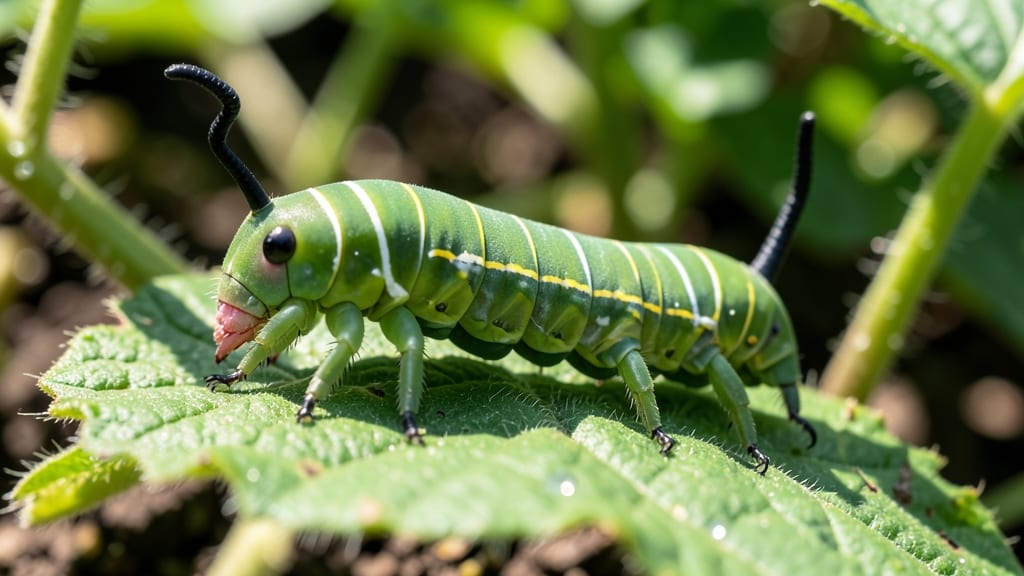
The tomato hornworm poison you’ve been searching for is neem oil spray—the foolproof organic weapon against these striped devils, with no harsh chemicals and fast results. 🌿 I’ve watched these caterpillars strip a plant bare in hours, but a single neem treatment stops them dead in their tracks (literally). The key is timing: hit them when they’re young, and they never return to your garden.
These caterpillars hide in plain sight—look for 5-inch green monsters with white stripes and black horns. They chew through leaves overnight, leaving skeletonized foliage behind. The good news? Neem oil disrupts their feeding cycle immediately, and it’s safe for beneficial insects if applied correctly.
No more reaching for toxic sprays when a simple spray bottle does the job.
By morning, you’ll see hornworms curled up and dying—no more disappearing acts. The spray also prevents future infestations by masking plant scents that attract egg-laying moths. Plus, your tomatoes keep growing strong, with zero chemical residue on your harvest.
It’s the only solution I trust after losing an entire plant to these pests last summer.
Works for gardeners of all levels, whether you’re dealing with a single worm or a full-blown invasion. The secret? Consistency—reapply after rain, and you’ll break their life cycle for good. Here’s exactly how to mix and apply it without wasting a drop.
Hidden Threats In Your Garden
Tomato hornworms may look like harmless caterpillars, but their presence in your garden can turn into a toxic nightmare—especially if they’re ingested accidentally or if their natural defenses trigger allergic reactions.
Understanding why these pests become poisonous requires a deep dive into their biology, diet, and the plants they infest. Here’s what’s really going on beneath the surface.
The tomato hornworm (Manduca sexta) isn’t inherently poisonous—but its diet makes it dangerous. These caterpillars are voracious eaters, feasting primarily on nightshade plants, including tomatoes, peppers, eggplants, and potatoes.
Many of these plants contain alkaloids, natural toxins that deter pests. While adult moths can metabolize these compounds, the caterpillars store them in their bodies.
- Solanine: Found in tomatoes and potatoes, this compound is toxic to humans in large doses, causing nausea, vomiting, or even neurological issues.
- Capsaicin (in peppers): While not deadly, it can irritate the digestive system and trigger allergic reactions in sensitive individuals.
- Atropine & Nicotine (from tobacco-related plants): These can cause rapid heart rates, dilated pupils, or respiratory distress if ingested.
Pro Tip: 💡 If you’ve ever noticed hornworms on your garden plants, assume they’ve absorbed these toxins—and handle them with gloves or avoid direct contact.
Tomato hornworms aren’t just poisonous—they’re camouflaged warriors. Their green bodies blend into foliage, but their real defense mechanism lies in their spines and regurgitation.
- Spines & Bristles: Covered in tiny, irritating hairs, these caterpillars can cause skin rashes or respiratory irritation if touched. Some gardeners report mild allergic reactions after handling them.
- Regurgitation: When threatened, hornworms spit out a foul-tasting, acidic liquid that deters predators (and humans!). This liquid can also irritate skin or eyes upon contact.
- Parasitic Relationships: Some hornworms host braconid wasp larvae inside their bodies. While the wasps eventually kill the caterpillar, the process can release toxic enzymes that linger in the environment.
Warning: ⚠️ If you’re removing hornworms by hand, wear gloves and avoid squeezing them—their defensive tactics can turn a simple garden task into an unpleasant experience.
Even if you don’t eat the hornworm directly, their toxins can transfer to your food in surprising ways:
| Source | Risk | Prevention |
|---|---|---|
| Infested Tomatoes | Toxins from hornworm saliva or frass (droppings) can contaminate fruit. | Inspect plants daily and remove caterpillars before harvest. |
| Soil & Compost | Dead hornworms decompose, releasing alkaloids into the soil, which may be absorbed by edible plants. | Avoid composting heavily infested plant matter. |
| Handling Produce | Transfer of frass or regurgitated liquid from contaminated leaves to unwashed produce. | Wash all garden-grown produce thoroughly with soap and water. |
Key Takeaway: 🌡️ The longer a hornworm feeds on your plants, the higher the risk of toxin buildup. Early detection and removal are your best defense.
Tomato hornworms are not native to every region where they’re now a problem—they’ve hitched rides on global trade and climate change. Here’s why they’ve become so hard to control:
- Warm Climates: They thrive in temperatures above 70°F (21°C), which is why they’re a year-round menace in Southern U.S. states.
- Lack of Natural Predators: While birds and parasitic wasps do eat hornworms, their numbers often don’t keep up with infestations.
- Resistance to Pesticides: Many commercial sprays fail because hornworms have developed resistance to common insecticides.
- Polyphagous Diet: Unlike pests that target one crop, hornworms will devour dozens of plant species, making them harder to manage.
Garden Hack: 🎯 Introduce beneficial nematodes or ladybugs to your soil—they’re natural hornworm predators that don’t rely on chemicals.
Quick Fixes for Hornworm Havoc
Discovering tomato hornworms munching on your prized plants can feel like a nightmare—especially when their toxic saliva ruins your harvest. But don’t panic! With the right neem oil spray and a few proactive steps, you can stop these pests in their tracks and protect your garden.
Below, we break down solutions by cause, from immediate fixes to long-term prevention.
1. 🍳 Spray Neem Oil Immediately (Best for Active Infestations)
Neem oil is a powerhouse against tomato hornworms because it disrupts their feeding and growth. Here’s how to use it effectively:
- 🔪 Mix it right: Combine 1 tablespoon of neem oil with 1 teaspoon of mild dish soap (as an emulsifier) and 1 quart of water. Stir well.
- 🌱 Apply at dawn or dusk (when pests are most active and UV light won’t break down the oil).
- 💦 Spray thoroughly on both sides of leaves and stems—hornworms hide well!
- ⏰ Reapply every 5–7 days or after rain to maintain protection.
Pro Tip: 💡 For extra potency, add 1 teaspoon of garlic oil to the mix—hornworms hate the smell!
2. 👨🍳 Handpick the Pests (Best for Small Gardens)
If your garden is small, manual removal is the fastest way to eliminate hornworms before they cause damage.
- 🕵️♂️ Scout your plants early in the morning when hornworms are sluggish.
- 🪰 Use gloves or a towel to pick them off—drop them in soapy water (they’ll drown instantly).
- 🌿 Check under leaves and near stems—they love to camouflage!
Pro Tip: 🌡️ If handpicking feels tedious, place a bucket of soapy water nearby and encourage kids or pets to "hunt" for pests—it’s oddly satisfying!
3. 🥘 Introduce Natural Predators (Best for Long-Term Control)
Hornworms have natural enemies that can help keep their numbers in check:
- 🐞 Parasitic wasps (like Cotesia congregata) lay eggs inside hornworm larvae—they’ll eventually kill the pest.
- 🦋 Praying mantises and birds also feast on hornworms. Plant dill, fennel, or marigolds to attract them.
- 🐸 Frogs and toads love munching on small caterpillars—keep a shallow dish of water nearby to encourage them.
Pro Tip: ✨ If you spot a hornworm with white cocoons on its back, leave it alone—those are parasitic wasp eggs hatching!
1. 💡 Rotate Crops & Plant Traps
Hornworms love tomatoes, peppers, and eggplants. To break their cycle:
- 🌿 Plant basil, borage, or dill near your tomato plants—they repel hornworms naturally.
- 🍅 Avoid planting tomatoes in the same spot year after year (they attract the same pests).
- 🥔 Interplant with onions, garlic, or chives—their strong scent confuses hornworms.
2. 🔥 Use Row Covers Early in the Season
If you’re dealing with recurring infestations, floating row covers (lightweight fabric) can block hornworm moths from laying eggs.
- 🛡️ Install covers at night when adult moths are most active.
- 🌞 Remove covers during pollination if you’re growing tomatoes for fruit.
Pro Tip: 🎯 For a DIY solution, stretch fine mesh netting over young plants—it’s cheap and effective!
3. 🧼 Maintain a Clean Garden
Hornworms thrive in messy, overgrown gardens. Keep yours tidy:
- 🪴 Remove fallen leaves and debris where eggs may hide.
- 🌱 Prune suckers and lower leaves—hornworms love hiding there.
- 💦 Water at the base of plants (not overhead) to discourage egg-laying moths.
With these fast fixes and prevention tips, you’ll keep tomato hornworms at bay and enjoy a bountiful, pest-free harvest. The key? Act quickly with neem oil, handpick when possible, and encourage nature’s helpers to do the work for you!
Frequently asked questions about tomato hornworm toxicity
Are tomato hornworms poisonous to humans?
Indirectly, yes! While the caterpillars themselves aren't deadly, they absorb alkaloid toxins like solanine from plants (tomatoes, peppers). Their saliva and frass (droppings) can contaminate your harvest. Always wash produce thoroughly and wear gloves when handling them—their spines can cause skin irritation.
What should I do if a child touches a tomato hornworm?
Wash the skin immediately with soap and water to remove any irritating hairs or regurgitated liquid. Monitor for redness or itching—most reactions are mild rashes. For severe symptoms (swelling, difficulty breathing), seek medical attention. Keep these pests out of reach of curious kids by wearing gloves during removal.
Can neem oil spray make tomato hornworms more toxic?
No—neem oil doesn't increase toxicity. It works by disrupting their feeding and growth hormones, causing them to stop eating within hours. The caterpillars simply curl up and die from starvation. This method is completely safe for your plants and edible produce once fully rinsed.
How do I know if my tomatoes are contaminated by hornworm toxins?
Look for chewed leaves with skeletonized patterns (only veins remain) and green droppings on fruit. While the toxins aren't visible, wash tomatoes in 1 tablespoon baking soda + 1 gallon water to remove any surface contaminants. Cooking also neutralizes most alkaloids.
Are there any animals that can safely eat tomato hornworms?
Yes! Birds, praying mantises, and parasitic wasps (like Cotesia congregata) naturally prey on them. Even lizards and frogs will eat smaller hornworms. Encourage these predators by planting dill, fennel, or marigolds near your tomato plants—they attract beneficial insects.