
How To
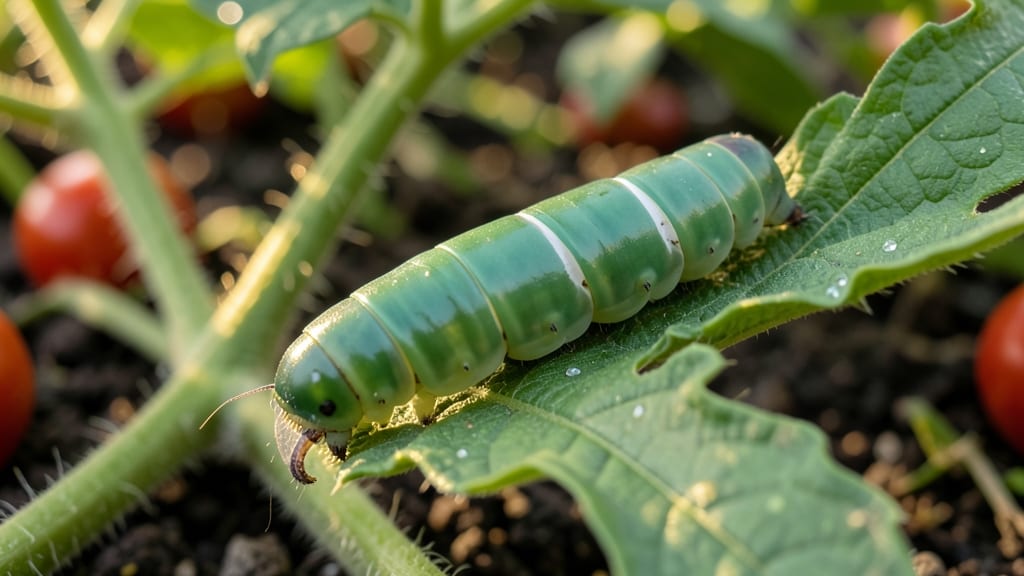
Tomato hornworms turn into pale green moths with striking yellow stripes—though you’ll rarely see them, because their caterpillar stage is where they do all the damage. 🌱 I’ve watched these striped devour entire tomato plants in days, leaving just the stems behind.
The lifecycle starts with tiny eggs laid on leaves, hatching into hornworms that grow up to 4 inches before pupating in the soil.
What’s wild is how fast they multiply: a single female can lay 2,000 eggs, and her offspring will skeletonize your tomatoes before you even spot them. The good news? Their predators—like praying mantises and wasps—often keep them in check.
Still, early action prevents heartbreak: handpick the caterpillars (they’re surprisingly squishy) or introduce parasitic wasps, which naturally control their population.
You’ll know you have an infestation when you see large, ragged holes in leaves or black droppings on the soil. A quick check under leaves at dawn or dusk reveals the culprits—before they’ve had time to hide.
The key is prevention: neem oil sprays, companion planting with basil, and frequent inspections keep these striped bandits in line.
Once they pupate, they’re no longer a threat—but by then, your plants might already be struggling. The best defense is weekly scouting, especially during peak growing season.
With the right habits, you can protect your harvest without chemicals, turning these pests into a manageable (and fascinating) part of your garden’s ecosystem.
Nature’s Hidden Metamorphosis Triggers
Witnessing a tomato hornworm transform into a praying mantis egg sac is a fascinating example of nature’s intricate life cycles—but why does this happen? The answer lies in a mix of biological instincts, environmental cues, and the relentless drive to survive.
Let’s break down the key factors that turn these voracious caterpillars into stealthy egg-laying predators.
The tomato hornworm (Manduca sexta) isn’t just any caterpillar—it’s the larval stage of the hawk moth, a species with a hardwired metamorphosis process. When fully grown, its body releases hormones like ecdysone and juvenile hormone, signaling the end of its larval phase.
These chemicals trigger the formation of a pupal casing, where the caterpillar’s tissues break down and reorganize into the adult moth’s structures—or, in rare cases, something unexpected.
But here’s the twist: parasitic wasps (like Brachymeria intermedia) can hijack this process. When a wasp lays eggs inside the hornworm, its larvae release their own chemicals that suppress the moth’s metamorphosis.
Instead of forming a moth, the hornworm’s body becomes a nutrient-rich nursery for the wasps, which eventually emerge as fully formed adults. The result? A praying mantis egg sac—a bizarre but brilliant survival tactic for the wasps.
Not all transformations are parasitic—some are a response to environmental stress. Hornworms exposed to:
- Extreme temperatures: Heatwaves or late-season cold snaps can disrupt normal development, leading to abnormal pupation.
- Pesticide exposure: Chemicals like neonicotinoids or broad-spectrum insecticides weaken the caterpillar’s immune system, making it more susceptible to parasitic takeovers.
- Limited food sources: Overcrowded or nutrient-deficient tomato plants force hornworms to mature faster, sometimes skipping proper pupation stages.
In these cases, the hornworm’s body may default to a defensive state, producing a hardened egg sac-like structure to protect itself—or, more likely, the wasp larvae inside it.
The most dramatic transformations happen when braconid or ichneumonid wasps (common hornworm predators) inject their eggs into the caterpillar. Here’s how it works:
| Step | What Happens |
|---|---|
| 🔥 Injection | The wasp stings the hornworm, laying 1–2 eggs inside its body. The wasp’s venom paralyzes the caterpillar but keeps it alive. |
| 🍳 Larval Feast | The wasp larvae hatch and consume the hornworm’s tissues, including its fat reserves and organs, while avoiding vital nerves to keep the host "alive" as long as possible. |
| 👨🍳 Pupation Hijack | The wasp larvae trigger the hornworm’s pre-pupal molt, but instead of forming a moth, the caterpillar’s body hardens into a protective cocoon-like sac. Inside, the wasps develop. |
| 🥘 Emergence | Adult wasps burst out, leaving behind an empty, shriveled husk—or, in rare cases, a mantis egg sac if the wasp species mimics mantis behavior for dispersal. |
This isn’t just a freak occurrence; it’s an evolutionary arms race. Wasps that produce mantis-like egg sacs have a survival advantage—the sacs resemble harmless debris, avoiding predation until the wasps emerge.
Gardening practices can inadvertently speed up or alter hornworm metamorphosis. For example:
- Overuse of chemical pesticides: Kills natural predators (like birds and parasitic wasps), reducing competition for hornworms and increasing parasitic infections.
- Monoculture gardening: Planting only tomatoes creates a hornworm buffet, leading to overpopulation and higher stress levels that trigger abnormal development.
- Late-season pruning: Removing tomato plants too early can force hornworms to pupate prematurely, sometimes resulting in malformed sacs.
Even well-meaning gardeners using organic neem oil can disrupt hormone signals, making hornworms more vulnerable to parasitic takeovers.
Understanding these triggers helps gardeners prevent unwanted transformations—whether by encouraging natural predators, using targeted sprays, or simply diversifying their garden to reduce hornworm stress. Nature’s weirdest tricks often have logical explanations!
Stop Hornworms Before They Transform
The sight of a tomato hornworm munching on your prized plants can be alarming, but the good news is that you can take action to prevent these caterpillars from turning into Hyles lineata moths—and causing more damage.
Below are practical, step-by-step solutions to tackle the problem at its source, whether you're dealing with an infestation or just want to keep your garden safe. Prevention is key, so we’ve included tips to keep hornworms from ever becoming a problem in the first place.
If you spot a tomato hornworm, the most immediate solution is to remove it by hand. These caterpillars are large and easy to pick off, making this a highly effective method.
- 👨🍳 Step 1: Scout Your Plants Check your tomato plants, peppers, and eggplants daily, especially in the morning or evening when hornworms are most active. Look for green, striped caterpillars with white diagonal lines and horn-like projections at the rear.
- 🔪 Step 2: Pick Them Off Use gloves or a pair of tongs to gently grasp the hornworm by its body (avoid the spiky "horn" at the end, which can sting slightly). Drop it into a bucket of soapy water to ensure it doesn’t wriggle away and reinfest your garden.
- 🌡️ Pro Tip: If you’re squeamish about killing them, consider relocating them far from your garden—though they’ll likely still die without a food source.
Encourage beneficial insects that prey on tomato hornworms, like parasitic wasps and praying mantises. These predators will naturally keep the population in check.
- 🐝 Step 1: Attract Parasitic Wasps Tiny Cotesia congregata wasps lay their eggs inside hornworm larvae. These wasps thrive in gardens with diverse plant life. Plant flowers like dill, fennel, and parsley to attract them.
- 🦗 Step 2: Welcome Praying Mantises Praying mantises are voracious eaters of hornworms. Install a mantis egg case (available at garden centers) near your tomato plants. Once hatched, they’ll hunt down hornworms efficiently.
- 🌿 Pro Tip: Avoid pesticides that harm beneficial insects. Opt for organic sprays like neem oil or insecticidal soap, which target pests without killing predators.
If manual removal isn’t enough, organic sprays can deter hornworms without harming your plants or the environment.
- 💡 Step 1: Neem Oil Spray Neem oil disrupts the hornworm’s feeding and growth. Mix 1 tablespoon of neem oil with 1 teaspoon of mild soap and 1 quart of water. Spray the solution on the undersides of leaves where hornworms hide.
- 🌡️ Step 2: Bacillus Thuringiensis (Bt) Bt is a naturally occurring soil bacterium that targets caterpillars like hornworms. Mix it with water and spray it on your plants. It’s safe for humans and pets but deadly to hornworms.
- ✨ Pro Tip: Apply sprays in the early morning or late evening to avoid harming bees and other pollinators.
The best way to deal with tomato hornworms is to stop them before they appear. Implement these preventive measures to keep your garden hornworm-free.
- 📊 Step 1: Rotate Your Crops Avoid planting tomatoes, peppers, and eggplants in the same spot year after year. Hornworms thrive in familiar environments, so rotating crops disrupts their life cycle.
- 💪 Step 2: Use Row Covers Install lightweight row covers over your tomato plants early in the season. These physical barriers block hornworm moths from laying eggs on your plants.
- 🥗 Step 3: Plant Companion Plants Marigolds, basil, and garlic repel hornworms with their strong scents. Interplant these alongside your tomatoes to create a natural deterrent.
- 🎯 Pro Tip: Keep your garden clean and free of debris. Hornworms pupate in the soil, so tilling or mulching can help disrupt their life cycle.
By combining manual removal, natural predators, organic sprays, and preventive measures, you can effectively manage tomato hornworms and prevent them from transforming into moths that will lay more eggs. Stay vigilant, and your garden will stay lush and pest-free! 🌱🍅
Frequently asked questions about tomato hornworm transformations
What does a tomato hornworm actually turn into?
Normally, tomato hornworms transform into pale green hawk moths with striking yellow stripes. The caterpillar stage is where they cause damage, but once they pupate in the soil, they emerge as moths that lay eggs—starting the cycle again. Their transformation takes about 10-14 days in ideal conditions.
Why do some hornworms turn into praying mantis egg sacs instead?
This happens when parasitic wasps (like Brachymeria intermedia) lay eggs inside the caterpillar. The wasp larvae hijack the hornworm’s body, turning it into a living nursery. The result is a hardened sac that mimics mantis egg cases, helping the wasps survive until they emerge as adults.
How can I tell if my hornworm has been parasitized?
Look for a hardened, brown sac hanging from the plant or soil—this is the pupal casing where wasps develop. Inside, you might see tiny white cocoons. If the hornworm stops eating and becomes sluggish, it’s likely already infected. Remove these sacs to prevent wasp spread.
Can I save a parasitized hornworm?
No, but you can observe it! Place the sac in a jar with soil and watch as wasps emerge (usually in 1-2 weeks). This is a fascinating natural process—just avoid releasing the wasps near your garden if you’re already dealing with hornworm issues.
How do I prevent hornworms from transforming in my garden?
Encourage their natural predators like parasitic wasps and praying mantises by planting dill, fennel, or marigolds. Use neem oil or Bacillus thuringiensis (Bt) sprays to disrupt their lifecycle early. Handpick caterpillars daily—it’s the fastest way to stop them before they pupate!