
How To
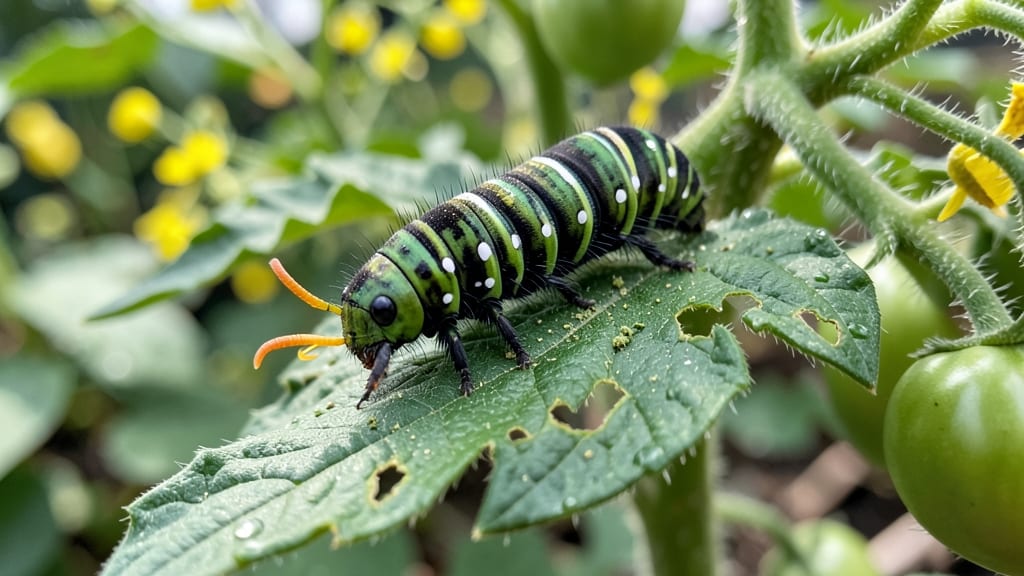
Caterpillars can turn your tomato plants into skeleton leaves overnight—but neem oil creates a fast, organic shield that stops them dead. 🌿 After my first hornworm massacre last summer, I tested every remedy until I found this foolproof method that works within 24 hours without harming bees or butterflies.
The secret lies in timing and technique: spray neem oil at dusk when caterpillars are most vulnerable, then reapply every 5-7 days during infestation season. You'll see fewer chewed leaves within a week, and the plants recover faster than with chemical sprays. The key is consistency—one application won't cut it.
By combining neem oil with hand-picking (especially for hornworms), you'll protect your entire harvest. The plants stay healthy, the fruit develops fully, and you avoid the heartbreak of watching your tomatoes get eaten alive. This method works for all tomato varieties, from cherry to heirloom.
For stubborn cases, add parasitic wasps or BT spray as a backup. The goal is to break the caterpillar cycle before it starts—your future tomatoes will thank you.
Root Causes of Caterpillar Attacks
Caterpillars don’t just randomly munch on your tomato plants—they’re drawn by a mix of environmental, biological, and agricultural factors. Understanding these triggers is key to preventing future infestations and protecting your harvest. Let’s break down the science behind why these pests target your plants in the first place.
Tomato plants (Solanum lycopersicum) are a caterpillar’s dream meal because they’re packed with nutrients and soft, tender leaves. Here’s why they’re so irresistible:
- High Protein & Sugar Content: Young tomato foliage is rich in nitrogen and simple sugars, which fuel rapid caterpillar growth. Fun fact: Some species, like the tomato hornworm, can devour an entire leaf overnight!
- Volatile Organic Compounds (VOCs): When damaged, tomato plants release chemical signals (like jasmonic acid) that attract caterpillars—almost like a dinner bell. 🔔
- Scent & Color: The deep green hue and glossy leaves mimic the natural habitat of many moth species, which lay eggs nearby.
Actionable Insight: If you notice caterpillars early, prune heavily damaged leaves (wear gloves!) to reduce the plant’s "call for help" signals.
Caterpillars start as eggs, and moths are master strategists when it comes to placement. Here’s how they game the system:
- Underside of Leaves: Most moths (e.g., hornworms, loopers) lay eggs on the bottom of leaves to hide them from predators like birds or wasps. 🕵️♂️
- Stems & Fruit: Some species, like the fruitworm, target young tomato fruits or stem crevices, where eggs blend into the plant’s texture.
- Timing: Eggs hatch when conditions are ideal—usually after warm, rainy periods (60–80°F) that mimic a caterpillar’s ideal growing environment.
Pro Tip: 🔍 Inspect leaves early morning (when dew makes eggs glisten) or after rain—these are peak egg-laying times.
A messy garden is an open invitation for caterpillars. Here’s how clutter plays a role:
- Debris as Shelter: Leaves, mulch, or weeds near tomato plants provide hiding spots for caterpillars and their eggs.
Some species even overwinter in garden litter! - Weeds as Alternate Hosts: Plants like nightshade or potato volunteers can harbor caterpillars that later migrate to tomatoes. - Overcrowded Plants: When tomato plants are too close together, airflow drops, creating humid microclimates—perfect for egg survival and fungal growth (which caterpillars tolerate better than dry conditions).
Quick Fix: 🧹 Remove dead leaves, weeds, and old crop residues within 3 feet of tomato plants to break the caterpillar life cycle.
Caterpillars thrive under specific conditions, and your local climate might be unknowingly inviting them:
| Factor | Why It Matters | Peak Risk Period |
|---|---|---|
| Warm Nights | Slows predator activity (e.g., birds, parasitic wasps) while caterpillars feed. | Late spring to early fall |
| High Humidity | Eggs and young larvae dry out less quickly. | After rain or in greenhouses |
| Drought Stress | Stressed plants produce more sugary sap, attracting egg-laying moths. | Summer heatwaves |
Climate Hack: 🌡️ If your area has hot, dry summers, water tomato plants deeply at dawn to encourage healthy growth and deter moths.
In a balanced ecosystem, caterpillars face constant pressure from predators. But human interventions (like pesticides) can tip the scales:
- Disrupted Food Chains: Neonicotinoids or broad-spectrum sprays kill beneficial insects first, including:
- Parasitic wasps (lay eggs inside caterpillars)
- Ladybugs & lacewings (devour eggs and young larvae)
- Birds (eat exposed caterpillars)
- Monoculture Gardens: Planting only tomatoes removes diversity, making it harder for predators to find alternative prey.
Eco-Friendly Boost: 🐝 Plant dill, fennel, or marigolds nearby to attract predator insects—nature’s pest control!
Sometimes, well-meaning gardening practices backfire:
- Over-Fertilizing with Nitrogen: Lush, soft leaves are a caterpillar’s favorite snack. 🍴 Balance your fertilizer with potassium to toughen plant defenses.
- Late Planting: Starting tomatoes after mid-summer means they’re vulnerable during peak moth activity.
- Ignoring Early Signs: Small holes or silver streaks (frass) are caterpillar calling cards—delaying action lets infestations explode.
Prevention Tip: 📅 Plant early-season varieties or use row covers until flowers appear to block moths.
Natural Remedies for Caterpillar Control
Now that you know why caterpillars are feasting on your tomato plants, it’s time to take action! The good news? You don’t need harsh chemicals to keep these pests at bay. Below are practical, effective solutions tailored to the most common causes of caterpillar infestations—plus tips to prevent future attacks.
If you’ve spotted large caterpillars (like hornworms or tomato fruitworms) munching away, manual removal is your best first line of defense.
How to do it: 👨🍳 Step 1: Scout at dawn or dusk – Caterpillars are most active when the sun isn’t scorching. 🔪 Step 2: Wear gloves (optional but handy for squishy cleanup). 🐛 Step 3: Drop them in soapy water – A bucket of 1 tbsp dish soap + 1 gallon water ensures they don’t crawl back. ⏰ Step 4: Repeat daily – Check plants every 2–3 days, especially under leaves.
Pro tip: 💡 If you’re squeamish, use tweezers or a small net to pluck them off without touching them.
Neem oil isn’t just a buzzword—it’s a powerful, organic repellent that disrupts caterpillar feeding and reproduction.
How to apply it: 🍳 Step 1: Mix 1–2 tbsp neem oil + 1 tsp mild soap (like Castile) + 1 quart water. 🌡️ Step 2: Shake well and spray on both sides of leaves, stems, and fruit (avoid spraying in direct sun—it can burn plants). 🎯 Step 3: Reapply every 7–10 days or after rain.
Why it works: ✨ Neem oil contains azadirachtin, a compound that stops caterpillars from eating and disrupts their growth. ✨ It also repels egg-laying moths, breaking the infestation cycle.
Pro tip: 🌡️ For extra potency, spray in the evening when pests are most active.
Prevention is key! If your garden is a hotspot for moths (the caterpillars’ parents), block their access with these easy tricks.
How to set up barriers: 🏗️ Step 1: Row covers – Use lightweight fabric over young plants to block moths from laying eggs. 🍅 Step 2: Collars for stems – Wrap cardboard or aluminum foil around stems to stop egg-laying moths. 🌿 Step 3: Mulch heavily – A thick layer of straw or grass clippings can deter moths from landing.
Pro tip: ✨ Combine with neem oil for a double defense—moths won’t even think about settling near your tomatoes!
Instead of fighting caterpillars alone, enlist the help of their natural predators!
Best allies to attract: 🐞 Parasitic wasps (like Cotesia glomerata) – They lay eggs inside caterpillars, killing them from within. 🐸 Frogs & toads – They love snacking on caterpillars (and they’re cute!). 🦋 Ladybugs & lacewings – These voracious eaters devour caterpillar eggs and young larvae.
How to encourage them: 🌼 Plant companion flowers like dill, fennel, or marigolds to attract beneficial bugs. 💧 Keep a small water source (like a shallow dish with pebbles) for insects to drink. 🌿 Avoid pesticides – They kill both pests and predators!
If caterpillars are already out of control, traps can help reduce numbers without chemicals.
DIY caterpillar trap: 🍎 Step 1: Cut an apple or pear in half and place it near plants. 🐛 Step 2: Check daily – Caterpillars will crawl inside to eat; dispose of them in soapy water. 🌙 Step 3: Use a beer trap (for moths) – Bury a small cup filled with beer near plants; moths drown in it.
Pro tip: 🔥 Rotate traps every few days to keep them effective.
The best way to keep caterpillars off tomatoes? Stop them before they arrive!
Do this now: 🌱 Rotate crops – Don’t plant tomatoes in the same spot yearly (moths remember!). 🌿 Keep your garden clean – Remove fallen leaves and debris where moths lay eggs. 🕯️ Prune regularly – Thick foliage hides eggs; trim plants for better visibility. 🌞 Encourage airflow – Dry plants attract fewer pests; space plants properly.
Pro tip: 🎯 Plant basil near tomatoes – Its strong scent repels many tomato pests, including moths!
By combining manual removal, neem oil, barriers, and natural predators, you’ll crush caterpillar infestations—without harming your plants (or the planet). Start today, and enjoy caterpillar-free tomatoes all season! 🍅✨
Frequently asked questions
What are the most common caterpillars that attack tomato plants?
Look for tomato hornworms (large green with white stripes) and tomato fruitworms (smaller, green or brown). Loopers (inchworms) and armyworms also target tomato leaves. Check undersides of leaves early morning when dew makes them easier to spot.
Will neem oil harm my tomato plants if used correctly?
No, when applied properly! Mix 1-2 tablespoons neem oil + 1 teaspoon mild soap per quart of water and spray in evening (never in direct sun). Always test on a small leaf first—neem is safe for plants but can cause leaf burn if overused or applied in sunlight.
How often should I check my tomato plants for caterpillars?
Inspect every 2-3 days during peak season (late spring to early fall). Focus on undersides of leaves and fruit stems—that's where eggs are hidden. Morning checks work best when dew makes eggs visible. If you see damage, increase to daily inspections.
Can I still use my tomatoes if caterpillars have chewed on the leaves?
Caterpillars target leaves first—they rarely eat the fruit itself. However, heavy leaf damage reduces plant vigor. Remove damaged leaves (wear gloves!) and focus on protecting the remaining foliage. The tomatoes you do harvest will be unaffected by leaf-chewing caterpillars.
What's the fastest way to stop a severe infestation?
Combine manual removal (pick off visible caterpillars daily) with neem oil spray (applied at dusk). For immediate results, add BT (Bacillus thuringiensis) spray—it kills caterpillars within 24-48 hours but is safe for other wildlife. Remove all debris and check for eggs every morning.