
Vegetables
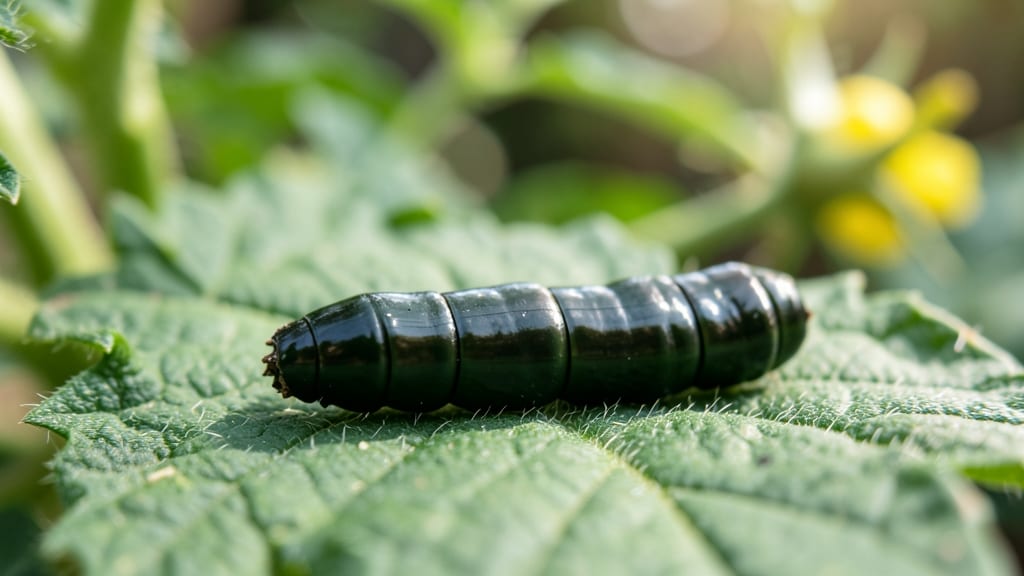
Those blackened tomato leaves aren’t just dirt—they’re tomato hornworm droppings, and they’re a sure sign your plants are under siege. 🌱 I’ve seen entire tomato plants defoliated in days, but the good news is this: a simple eggshell remedy can turn the tide before your harvest disappears.
The problem starts when hornworms munch through leaves, leaving behind dark, watery droppings that smother foliage and invite disease. These caterpillars grow up to 4 inches long and can strip a plant bare in a week if left unchecked.
The eggshell trick works because the sharp edges deter hornworms naturally—no chemicals needed.
With this method, you’ll see fewer droppings within 3-5 days, and your plants will rebound faster. The key is acting early: check undersides of leaves daily, especially after dark, when hornworms are most active. A quick sweep with a spray bottle of soapy water can buy you time.
Works for all tomato varieties, from cherry to beefsteak, and pairs well with companion planting like basil or marigolds. Let’s get those leaves clean and your tomatoes thriving again—without losing a single fruit to these hungry pests.
The Hidden Culprits Behind Droppings
If your tomato plants are suddenly blanketed in tiny black specks that resemble pepper flakes or coffee grounds, you’re likely dealing with tomato hornworm droppings—and there’s a very specific (and hungry) reason they’re there.
These black, cylindrical droppings aren’t just a nuisance; they’re a clear sign that Manduca sexta caterpillars have moved in, and they’re feasting on your plants. Understanding why this happens is the first step to reclaiming your garden. Let’s break down the science and biology behind these unwelcome visitors.
The primary reason for those blackened leaves isn’t poor soil or disease—it’s the voracious appetite of the tomato hornworm. These caterpillars are the larval stage of the Hawk Moth, and their diet is almost exclusively tomato and pepper plants. Here’s why they target your garden:
- Host Plant Preference: Tomato hornworms have evolved to thrive on plants in the Solanaceae family (tomatoes, peppers, eggplants, and potatoes). Their bodies are chemically adapted to digest these plants efficiently, making them their preferred buffet.
- Rapid Growth Cycle: A single hornworm can grow from an egg to a full-sized caterpillar (up to 4 inches long!) in just 6 weeks. During this time, it sheds its skin 5-6 times while munching nonstop, leaving behind a trail of droppings with each meal.
- Camouflage Masters: Hornworms blend seamlessly into foliage, often hiding among leaves or stems. Their droppings pile up near their hiding spots, which is why you might notice clusters of black specks in one area rather than spread evenly.
💡 Pro Tip: Check the undersides of leaves and near growing tips—these are prime hornworm hangouts. If you spot a caterpillar with a white "horn" (its osmeterium) or green with white stripes, you’ve found your culprit.
Hornworms don’t just appear out of nowhere—they’re drawn to healthy, lush tomato plants. Here’s how your gardening habits might be inviting them:
- Unpruned or Overcrowded Plants: Dense foliage provides perfect hiding spots for hornworms and makes it harder for predators (like birds or parasitic wasps) to find them. If your tomato plants are too bushy, they’re essentially a hornworm’s dream hideout.
- Fertilizer Overload: While you want your tomatoes to thrive, excess nitrogen can make plants grow too fast, creating soft, tender leaves that hornworms love. A balanced fertilizer (with more phosphorus and potassium) encourages stronger, less appetizing foliage.
- Late Plantings or Extended Growing Seasons: Hornworms have two generations per year in most climates. If your tomatoes stay green and productive well into late summer or fall, you’re giving hornworms more time to lay eggs and hatch.
🌡️ Actionable Fix: Prune your tomato plants regularly to improve airflow and remove egg-laying sites. If your soil is nitrogen-heavy, switch to a low-nitrogen, high-potassium fertilizer to toughen up leaves.
Hornworms might seem like they’re winning the war in your garden, but in nature, they’re not the top of the food chain. Their populations explode only when their predators are missing. Here’s why you might be seeing more droppings than usual:
- Pesticide Use Disrupts the Food Chain: Broad-spectrum pesticides (like neonicotinoids or pyrethroids) kill not only hornworms but also their natural predators, such as braconid wasps (which lay eggs inside hornworms), ladybugs, lacewings, and birds. Without these checks, hornworm populations skyrocket.
- Urban or Suburban Gardens Lack Biodiversity: Wild gardens with diverse plants attract a wider range of predators. If your yard is mostly lawn or lacks flowering plants, beneficial insects and birds may avoid it.
- Timing of Outbreaks: Hornworms are most active in late spring to early summer. If you’re seeing droppings outside this window, it might mean a second generation has hatched due to warm weather.
✨ Eco-Friendly Solution: Encourage predators by planting native flowers (like dill, fennel, or marigolds) and avoiding chemical sprays. Even a small bird feeder can help—birds are huge hornworm hunters!
Believe it or not, the weather plays a huge role in hornworm activity. These caterpillars thrive under specific conditions, and when those conditions are met, droppings become a common sight:
- Warm, Humid Nights: Hornworms are most active when temperatures are between 70–85°F (21–29°C) at night. If your area has been unusually warm, expect more egg-laying and hatching.
- Rainy Springs: Rain washes away natural predators and provides moisture that helps hornworm eggs survive. A wet spring can lead to a surge in caterpillar populations.
- Drought Stress on Plants: Surprisingly, slightly stressed plants (from underwatering) can sometimes attract hornworms because their leaves become more tender. However, severe drought can stunt their growth, making them less appealing.
📊 Data-Driven Insight: If your region has had unusually warm winters or delayed frosts, hornworms may have an extended season. Monitor your plants closely during these periods.
Quick Fixes for Blackened Leaves
If your tomato plants are looking like they’ve been through a war—covered in blackened droppings and chewed leaves—don’t panic! Tomato hornworms may be the culprits, but the good news is, you can tackle this problem with a few simple, effective strategies.
Below, we’ll break down the most practical solutions based on the root cause of your issue, from immediate cleanup to long-term prevention.
The fastest way to stop the damage is to eliminate the hornworms before they can do more harm. These caterpillars grow quickly and can devour entire plants in days, so act fast!
- 👨🍳 Handpick them – Check your plants (especially the undersides of leaves) in the early morning or evening when they’re sluggish. Grab them by the thorax (not the tail—they can squirt acid!) and drop them into soapy water.
- 🕵️♂️ Use a flashlight at night – Hornworms are less active after dark, making them easier to spot against dark foliage.
- 🐛 Introduce natural predators – Ladybugs, lacewings, and parasitic wasps (like Cotesia congregata) love munching on hornworms. Attract them with diverse plantings and avoid pesticides that harm them.
While you’re at it, remove the evidence—hornworm droppings aren’t just unsightly; they can harbor fungal diseases like early blight. Here’s how to clean up:
- 🧽 Rake or wipe leaves – Use a damp cloth or hose to remove blackened droppings. This also helps improve airflow, reducing disease risk.
- 🗑️ Dispose of debris properly – Don’t compost hornworm frass (droppings) or chewed leaves—toss them in the trash to prevent reinfestation.
- 🌿 Prune heavily damaged leaves – If more than 25% of a leaf is eaten, snip it off. This encourages new growth and makes it harder for hornworms to hide.
A healthy tomato plant is less appealing to pests. Boost its defenses with these organic, low-effort strategies:
- 💧 Water deeply and consistently – Stress from drought or uneven watering makes plants more vulnerable. Aim for 1–1.5 inches of water per week, delivered at the base (not overhead).
- 🌿 Feed with compost or worm castings – Hornworms target nutrient-rich plants. Mix 2–3 inches of compost into the soil before planting or top-dress mid-season.
- 🌡️ Use mulch – A 2–3 inch layer of straw or grass clippings keeps soil moist, cools roots, and deters pests from laying eggs.
The key to long-term success is breaking the hornworm life cycle. Since these pests go through multiple generations per season, prevention is critical.
- 🌙 Set up traps early – Place yellow sticky traps near your tomato plants to catch adult moths before they lay eggs.
- 🌿 Plant companion crops – Basil, marigolds, and dill repel hornworms and attract beneficial insects. Interplant them around your tomatoes.
- 🔄 Rotate crops – Avoid planting tomatoes (or nightshades like peppers/eggplants) in the same spot yearly. Hornworms overwinter in the soil!
- 🌱 Use row covers – If you’re dealing with a bad infestation, cover young plants with floating row covers until they’re established (remove when flowers appear to allow pollination).
While chemical sprays (like Bt) can kill hornworms, they also harm beneficial insects. Save them for severe outbreaks and follow these tips:
- 🌿 Try Bacillus thuringiensis (Bt) first – This organic bacteria targets caterpillars but is safe for humans and pollinators. Reapply after rain.
- 🚫 Avoid broad-spectrum sprays – Neonicotinoids and pyrethroids kill hornworms but also wipe out ladybugs and bees. Use only as a last resort.
- 📅 Time sprays correctly – Apply in the early evening to protect bees and other daytime pollinators.
Pro Tip: 💡 Monitor your plants daily during peak hornworm season (June–August). Catching them early means less cleanup and healthier tomatoes!
Frequently asked questions
What do tomato hornworm droppings look like up close?
They’re small, dark, and cylindrical—about 1/8 to 1/4 inch long—resembling tiny black pepper flakes or coffee grounds. The droppings are usually clustered near where the caterpillars hide (like leaf undersides or stems) and can look like soot when piled together.
Are tomato hornworm droppings harmful to my plants?
Yes! While the droppings themselves aren’t toxic, they can smother leaves and create a moist environment that invites fungal diseases like early blight. The real damage comes from the caterpillars—they defoliate plants in days, reducing photosynthesis and weakening growth.
How can I tell if the black specks are droppings or just dirt?
Droppings are usually dark, moist, and cylindrical, while dirt is dry and granular. Rub a leaf gently—if the specks smear or stick to your finger, they’re likely frass (hornworm poop). Also check for chewed leaves or caterpillars hiding nearby.
Will composting my tomato plants with droppings spread the problem?
No—composting won’t spread hornworms, but it’s best to remove heavily infested leaves first. The droppings themselves won’t survive composting, but live caterpillars or eggs might. Toss contaminated plant debris in the trash instead.
How long does it take for droppings to disappear after removing hornworms?
If you eliminate the caterpillars, you’ll see a noticeable reduction in droppings within 24–48 hours. For a full cleanup, hose leaves with water or wipe them with a damp cloth. New droppings won’t appear if no more hornworms are present.