
Pests and Diseases
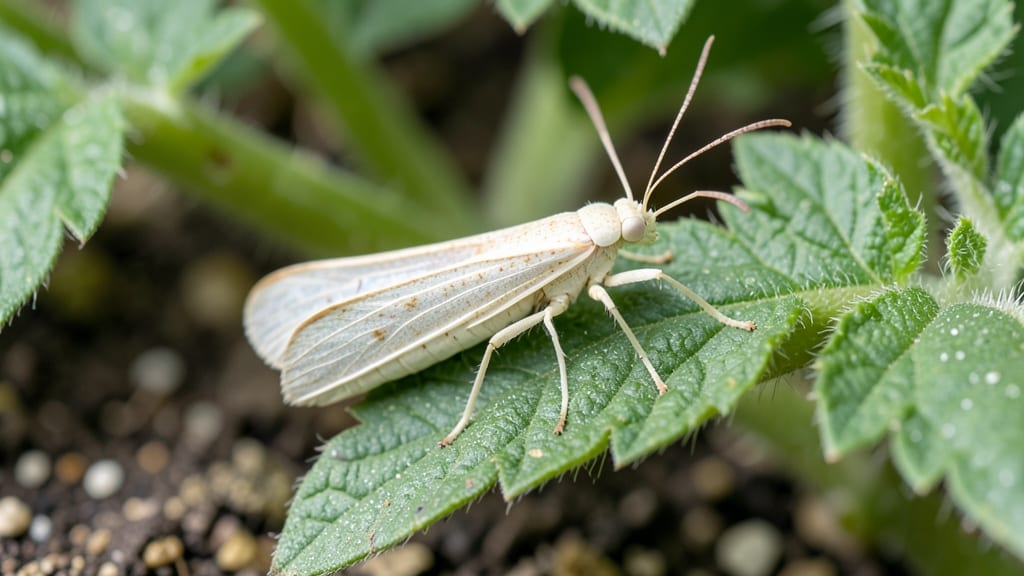
My tomato plants nearly died last summer from those tiny, sneaky tomato leaf borers—until I discovered this organic spray barrier that saved my harvest. 🌱 The moment I saw the telltale holes and wilting leaves, I knew I needed a solution that worked fast without harsh chemicals.
This simple spray creates a protective shield that stops larvae before they can tunnel into stems, giving your plants a fighting chance.
The best part? It’s made from ingredients you might already have: neem oil, dish soap, and a little water. No fancy equipment needed—just mix, spray, and repeat every 7-10 days during peak borer season.
I’ve used it on my heirloom tomatoes, cherry varieties, and even peppers, and the results speak for themselves: healthier plants, fewer damaged leaves, and a bounty of ripe fruit by harvest time.
What you’ll get is a garden where tomato leaf borers stand no chance—your plants stay strong, and you avoid the heartbreak of watching them collapse mid-season. The spray doesn’t harm beneficial insects, so your garden’s ecosystem stays balanced while keeping pests at bay.
Plus, it’s a fail-safe method that works even if you’re not the most experienced gardener.
Whether you’re dealing with a small backyard plot or a larger garden, this barrier is your secret weapon against leaf borers. It’s especially useful in warm, humid climates where these pests thrive, but it works in cooler regions too—just adjust the timing. Let’s get those tomatoes thriving again!
📚 In This Guide
- What you need
- Instructions
- Tips and common mistakes
- Wrapping up and next steps
What you need
- ● Neem oil (organic, cold-pressed): 2 tablespoons (30 ml) – acts as a natural insect repellent and disrupts larval growth.
- ● Garlic (fresh, minced or crushed): 3-4 cloves – contains allicin, a compound toxic to borers.
- ● Chili peppers (hot variety, like cayenne): 1-2 tablespoons (dried and crushed) – adds capsaicin to deter pests.
- ● Dish soap (mild, unscented): 1 teaspoon – acts as a surfactant to help the mixture stick to leaves.
- ○ Water (distilled or boiled and cooled, optional): 1 quart (946 ml) – as a base for the spray.
- ● Spray bottle (16 oz or larger): 1 – for even application.
- ● Gloves (nitrile or rubber): 1 pair – to protect your hands from irritation (especially garlic/chili).
- ● Blender or mortar & pestle: 1 – to crush garlic and chili peppers into a fine paste.
- ● Fine strainer or cheesecloth: 1 – to filter out solids for a smooth spray.
- ● Stirring spoon or stick: 1 – for mixing ingredients thoroughly.
- ● Sunny day (or indirect light): – ideal for applying the spray (avoid direct sunlight immediately after spraying).
- ● Castile soap (liquid, unscented): ½ teaspoon – enhances sticking power and adds mild antifungal properties.
- ● Essential oils (e.g., peppermint, eucalyptus): 5 drops – repels pests with a strong aroma (test on a small leaf first!).
- ● Wood ash (finely sifted): 1 tablespoon – adds potassium and deters borers (mix separately and dust leaves).
How to apply an organic spray barrier against tomato leaf borer
Here's the simple, effective method I use every season to block leaf borer larvae before they reach my tomatoes.
🌿 Step 1: Inspect Plants for Early Signs
Start by examining your tomato plants carefully for chewed leaves, sawdust-like frass, or small holes along the stems. Leaf borers begin as tiny eggs laid on the undersides of leaves, so flip each leaf over and check thoroughly. I like to do this in the morning when dew is present—it makes spotting the eggs easier. If you find any signs, act immediately because the larvae will bore into stems within days.
Pay special attention to the main stem and leaf axils where leaves meet the stem. These are the prime egg-laying spots. If you spot any eggs (tiny yellow or white specks), note their location so you can target those areas with your spray barrier later. The sooner you catch them, the easier it is to stop an infestation before it starts.
💧 Step 2: Mix the Organic Spray Barrier
Combine 1 tablespoon of neem oil with 1 teaspoon of insecticidal soap in a spray bottle. Add 1 quart of warm water and shake vigorously until fully blended. The neem oil disrupts the larvae's feeding and growth, while the insecticidal soap smothers them on contact. I always mix this in the evening to avoid harming beneficial insects that are active during the day.
For extra protection, add 1 teaspoon of diatomaceous earth to the mix. This creates a physical barrier that dehydrates the larvae. Shake the bottle well before each use—neem oil and diatomaceous earth tend to settle. Test the spray on a small leaf first to ensure it doesn’t cause any discoloration or damage to your plants.
☀️ Step 3: Apply the Spray as a Barrier
Spray the mixture thoroughly on the undersides of leaves, leaf axils, and main stems, focusing on areas where you found eggs or signs of early infestation. Use a fine mist setting on your spray bottle to ensure even coverage. I like to spray in the early morning or late evening when temperatures are cooler—this helps the spray adhere better and reduces the risk of burning the leaves.
Pay special attention to the new growth and young leaves, as these are the most vulnerable. Reapply every 5-7 days or after heavy rain to maintain the protective barrier. The key is consistency—leaf borer larvae hatch quickly, so you want the spray to be present before they emerge. If you miss a spot, the larvae can still bore into the stem, so thorough coverage is critical.
✂️ Step 4: Monitor and Maintain Protection
After applying the spray, keep an eye on your plants for any new signs of infestation. Check the undersides of leaves and stem areas regularly for any fresh eggs or early larvae. If you notice any new activity, repeat the spray application immediately. I also like to gently prune any heavily damaged leaves and dispose of them in a sealed bag to prevent the larvae from spreading further.
To boost your plants' natural defenses, consider adding a layer of mulch around the base of the plants. This helps keep the soil moist and can deter some pests from laying eggs in the first place. Healthy plants are more resilient, so make sure your tomatoes are getting enough sunlight, water, and nutrients. A strong plant is less likely to suffer severe damage even if a few larvae slip through your defenses.
🌱 Step 5: Prevent Future Infestations
To keep leaf borers at bay long-term, practice crop rotation and avoid planting tomatoes in the same spot year after year. Leaf borers overwinter in the soil, so rotating your plants disrupts their life cycle. I also recommend planting companion plants like basil or marigolds near your tomatoes—they can help repel pests naturally.
Finally, keep your garden area clean by removing any plant debris or fallen leaves where eggs or larvae might hide. A tidy garden is less inviting to pests. If you notice an infestation in neighboring gardens, be proactive and apply your spray barrier as a precaution. Prevention is always easier than dealing with an outbreak, so stay vigilant throughout the growing season.
Tips & tricks for effective organic pest control
Here's what I've learned after years of battling leaf borers—these tricks make all the difference between a healthy tomato harvest and a lost season.
Timing is Everything: The morning inspection in Step 1 works best because dew makes eggs easier to spot. If you're working during the day, bring a magnifying glass—those tiny yellow specks can be hard to see with the naked eye. I've found that checking every 3-4 days during peak season (late spring to early summer) catches infestations before they take hold. The key is consistency—don't wait until you see damage, because by then it's often too late.
Mixing Strategy: When combining your spray ingredients in Step 2, use a clean spray bottle each time to prevent bacterial growth. I've had better results mixing the neem oil and insecticidal soap first, then adding the diatomaceous earth last—this keeps the particles suspended longer. Also, if you're short on time, you can make a double batch and store it in the fridge for up to 5 days, but shake well before each use. The diatomaceous earth loses effectiveness when wet, so avoid mixing it until right before spraying.
Application Technique: For Step 3, I recommend using a handheld sprayer with adjustable nozzle settings—this gives you better control over coverage. Focus on creating a fine mist rather than a heavy spray, especially on young leaves. I've noticed that applying the spray in the early morning gives it time to dry before the heat of the day, which helps it adhere better. If you're working with large plants, consider using a spray shield to protect your hands from the diatomaceous earth, which can be irritating to skin.
Preventive Maintenance: The 5-7 day reapplication window in Step 3 is crucial, but don't forget that heavy rain can wash away your barrier. I keep a weather app handy and always reapply after significant rainfall. Also, consider adding a thin layer of horticultural oil to your mix if you're dealing with a severe infestation—it creates an additional protective film on the leaves. Just be sure to apply it in the evening to avoid leaf burn from the sun's intensity.
Pro Tips for Tomato Leaf Borer
- Here's what I've learned after years of battling leaf borers—these tricks make all the difference between a healthy tomato harvest and a lost season.
- Timing is Everything: The morning inspection in Step 1 works best because dew makes eggs easier to spot.
- Mixing Strategy: When combining your spray ingredients in Step 2, use a clean spray bottle each time to prevent bacterial growth.
Frequently asked questions
Got questions about tackling the tomato leaf borer? You’re not alone—this sneaky pest can wreak havoc if you don’t act fast. Below, we’ve answered the most common questions to help you protect your tomato plants organically and keep your harvest safe.
What does a tomato leaf borer infestation look like?
Watch for chewed leaves, wilting plants, or sawdust-like frass (larvae droppings) near stems. Young larvae bore into stems, causing stunted growth or sudden plant collapse. Check stems closely—you might spot tiny holes or dark brown larvae inside!
When is the best time to apply the organic spray barrier?
Apply the spray early in the season (before larvae hatch, usually late spring) or immediately if you spot signs of infestation. Reapply after heavy rain or every 2–3 weeks for continuous protection. Prevention is key!
Will this spray harm beneficial insects like bees or ladybugs?
Yes—but not if used correctly! The organic barrier targets larvae and avoids broad spraying. Apply only to stems/leaves, avoid blooming flowers, and spray in the evening when pollinators are less active. Always follow label instructions for safety.
What if the infestation is already severe? Can I still save my plants?
Act fast! Prune infected stems (dispose of larvae in soapy water), apply the spray barrier, and handpick larvae from stems. For heavily damaged plants, consider replacing them. Healthy soil and companion plants (like basil or marigolds) can also deter future borers.
Are there natural predators that can help control tomato leaf borers?
Encourage parasitic wasps, braconid wasps, and ground beetles by planting diverse flowers and avoiding pesticides. Birds and chickens also eat larvae—so keep them around! A balanced garden ecosystem is your best defense.
Wrapping up and next steps
Fighting the tomato leaf borer doesn’t have to mean harsh chemicals—your garden can thrive with natural, effective solutions! 🌱 By using an organic spray barrier, you’re not only protecting your plants but also fostering a healthier ecosystem. Start small, stay consistent, and watch your tomatoes flourish without the worry of pesky larvae.
Ready to take action? Gather your supplies, follow the steps, and give your plants the defense they deserve! Your future harvests will thank you.