
Vegetables
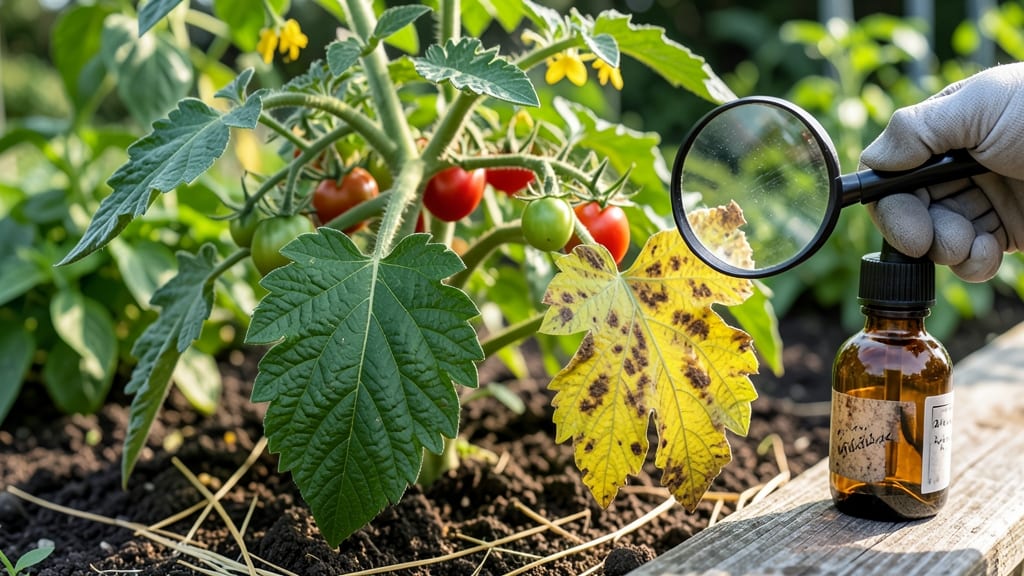
Your tomato plants are sending up distress signals—brown spots, curled leaves, or chemical burns that look like someone sprayed them with poison. 🌱 Before you panic, this is your guide to identifying tomato leaf toxicity, safely removing damaged foliage, and helping your plants bounce back stronger than ever.
The good news? Most toxicity issues are fixable with the right approach. Whether it’s fungal infections like early blight, pest damage from spider mites, or accidental chemical burns, we’ll cover how to diagnose the problem and take action.
The key is acting fast—pruning properly and treating the root cause can save your harvest. You’ll learn to spot the difference between salvageable leaves and those that need to go, plus organic treatments that work without harming your plants or the soil.
Think of this as a reset button for your tomatoes, giving them a second chance to produce those juicy, vine-ripened fruits you’re dreaming of.
Start by grabbing your pruners, a bucket for clippings, and a mix of baking soda, neem oil, or copper fungicide—your secret weapons for recovery. The goal is to remove only what’s necessary while keeping the plant healthy enough to focus on new growth.
With the right steps, your tomatoes can rebound in as little as 2-3 weeks, and you’ll avoid the heartbreak of a lost harvest.
Prevention is just as important as recovery. We’ll wrap up with simple habits—like proper watering at the base, rotating crops, and avoiding over-fertilization—that keep your plants thriving season after season. No more guesswork, just healthier tomatoes and fewer stressed-out leaves.
📚 In This Guide
- What you need
- Instructions
- Tips and common mistakes
- Wrapping up and next steps
What you need
- ● Gardening gloves (nitrile or rubber, 2 pairs – one for handling toxic leaves, one for healthy plants)
- ● Heavy-duty trash bags (20-gallon capacity, 2-3 bags for disposal)
- ● Pruning shears or sharp bypass pruners (sterilized with 70% isopropyl alcohol)
- ● Disinfectant spray (e.g., hydrogen peroxide 3% or bleach solution (1 part bleach to 9 parts water), 16 oz bottle)
- ● Compost bin or sealed container (for non-toxic plant debris, if applicable)
- ● Labeling tape & markers (to mark toxic waste bags)
- ● Face mask (N95 or higher) (for protection during handling)
- ● Plastic or metal tray (for collecting leaves before disposal)
- ● Pet-safe disposal service (if local regulations require hazardous waste pickup)
- ● Plant food or fertilizer (e.g., balanced 10-10-10, 1 lb for post-cleanup recovery)
- ● Fungicide (copper-based) (e.g., Bordeaux mixture, 16 oz for preventive care)
- ● Garden journal/notebook (to track plant health post-treatment)
- ● Pet barriers (if you have curious animals near the garden)
Step-by-Step guide to managing tomato leaf toxicity
Here's how to safely remove toxic leaves and restore your tomato plants to full health.
🌿 Step 1: Identify Toxic Leaves and Assess the Damage
Start by examining your tomato plant for leaves showing signs of toxicity or disease. Look for yellowing edges, brown spots, blackened stems, or leaves that feel mushy when touched. These are clear indicators that the leaf is no longer healthy and may be harboring harmful bacteria or fungi. I always check the undersides of leaves first—they often show early signs of trouble.
Gently pull or clip off only the most severely affected leaves. Don't remove more than 20-30% of the plant's foliage at once, as this can stress the plant further. If you're unsure whether a leaf is toxic, I recommend removing it—better safe than sorry. Keep these removed leaves in a sealed bag for disposal, not in your compost pile.
✂️ Step 2: Remove Toxic Leaves Safely
Use clean, sharp pruning shears or scissors to cut off toxic leaves just above a leaf node or bud. This ensures the plant can regrow from that point. If you're pulling leaves by hand, grasp the stem firmly near the base and twist gently to avoid tearing the plant. Always wear gloves—some toxic reactions can irritate your skin.
Never tear leaves from the plant, as this can damage the stem and create entry points for more infections. After removing each leaf, I like to wipe down my tools with rubbing alcohol to prevent cross-contamination. Disinfecting your tools between cuts is non-negotiable—it's the best way to keep your healthy leaves from getting infected too.
💧 Step 3: Treat the Plant to Prevent Further Toxicity
Once you've removed the toxic leaves, give your tomato plant a thorough watering to help it recover. Focus on the base of the plant, ensuring the soil is moist but not waterlogged. This helps flush out any lingering toxins and gives the plant a fresh start. I often add a diluted solution of hydrogen peroxide (1 part peroxide to 4 parts water) to my watering can to help sterilize the soil and prevent fungal growth.
After watering, apply a balanced fertilizer with equal parts nitrogen, phosphorus, and potassium to support new growth. I prefer a 10-10-10 ratio or similar, but avoid over-fertilizing—stick to half-strength for the first application. This helps the plant bounce back without overwhelming it. Monitor the plant closely for the next 3-5 days to ensure no new toxicity appears.
☀️ Step 4: Optimize Growing Conditions for Recovery
To help your tomato plant recover, ensure it's getting the right amount of light, water, and airflow. Tomatoes need 6-8 hours of direct sunlight daily, but if your plant was stressed by toxicity, it might need a little shade during the hottest part of the day to avoid further stress. I often use shade cloth if temperatures exceed 90°F—this prevents sunburn while still allowing light penetration.
Improve airflow around the plant by pruning any dense or overcrowded branches. Good airflow reduces humidity around the leaves, which helps prevent fungal infections. If your tomatoes are in containers, consider moving them to a slightly larger pot if they're root-bound—this gives them more space to recover. Keep the soil consistently moist but never soggy, and avoid getting water on the leaves to minimize the risk of further toxicity.
🌱 Step 5: Monitor and Maintain for Long-Term Health
Over the next 2-3 weeks, watch for new growth and signs of recovery. Healthy new leaves should appear bright green and firm to the touch. If you see any new signs of toxicity, act quickly—remove those leaves immediately and reassess your plant's care routine. I keep a small notebook nearby to track the plant's progress, noting any changes in leaf color, size, or overall health.
To prevent future toxicity issues, practice good garden hygiene. Rotate your crops annually to prevent soil-borne diseases, and avoid overhead watering whenever possible. If you notice recurring problems, consider using a fungicide or bactericide labeled for tomato plants. With consistent care, your tomato plant should recover fully and produce a healthy harvest.
Tips & tricks for managing tomato leaf toxicity
Here's what nobody tells you about reviving your tomato plants after toxicity strikes.
Timing is Everything: When you're removing up to 20-30% of foliage in Step 1, focus on the oldest leaves first. These leaves have already completed their photosynthesis cycle and won't be missed by the plant. I've found that removing just the most severely damaged leaves gives the plant enough energy to recover without causing shock. The key is to leave the younger, healthier leaves intact—they're the plant's future growth engine.
Tool Sanitation Secret: After using pruning shears in Step 2, I don't just wipe them with alcohol—I also run them through a flame for 2-3 seconds. The heat kills any lingering spores that alcohol might miss. This extra step has prevented multiple reinfections in my garden. For hand pruning, I keep a small bottle of rubbing alcohol in my gardening apron for quick disinfection between cuts.
Hydrogen Peroxide Hack: The 1:4 hydrogen peroxide dilution in Step 3 works wonders, but I've discovered an even better approach: add 1 teaspoon of baking soda to the mix. This creates a slightly alkaline solution that helps neutralize any remaining toxins in the soil. The combination gives your plants a double boost against fungal regrowth while providing oxygen to the roots.
Shade Strategy: When temperatures exceed 90°F in Step 4, I recommend using a lightweight shade cloth (30-50% shade) rather than complete shade. This allows just enough light for photosynthesis while protecting the plant from sunburn. I've seen plants recover faster with this partial shade approach than with full shade, which can actually slow down recovery by reducing photosynthesis too much.
Pro Tips for Tomato Leaf Toxicity
- Here's what nobody tells you about reviving your tomato plants after toxicity strikes.
- Timing is Everything: When you're removing up to 20-30% of foliage in Step 1, focus on the oldest leaves first.
- Tool Sanitation Secret: After using pruning shears in Step 2, I don't just wipe them with alcohol—I also run them through a flame for 2-3 seconds.
Frequently asked questions
Got questions about tomato leaf toxicity?
Here’s what you need to know to keep your plants—and your family—safe while troubleshooting common issues.
Can I use tomato leaves in cooking if they’re toxic?
No, you should never eat tomato leaves raw or cooked—they contain solanine and tomatine, which can cause nausea, vomiting, or worse. Even small amounts (like in pesto) pose risks. Stick to ripe fruit only!
How long does it take for tomato plants to recover after removing toxic leaves?
Recovery depends on the damage: mild cases (a few leaves) may bounce back in 2–4 weeks with proper care (water, sunlight, pruning). Severe pruning or disease? Expect 6–8 weeks for new growth. Monitor for pests or fungal spots!
What’s the safest way to dispose of toxic tomato leaves?
Don’t compost them—solanine can linger and harm other plants. Instead, seal in a trash bag or burn (if local laws allow). Wear gloves to avoid skin irritation from sap.
Are there non-toxic tomato varieties with fewer toxic leaves?
All tomato plants produce toxic leaves, but cherry tomatoes (e.g., ‘Sungold’) and determinate varieties (like ‘Roma’) tend to have lower solanine levels. Still, never consume leaves—focus on fruit selection instead!
Can tomato leaf toxicity affect my pets or livestock?
Yes! Pets (dogs, cats) and livestock (goats, rabbits) can get sick from chewing leaves. Remove access immediately—symptoms include drooling, lethargy, or digestive upset. Keep plants in secure enclosures or fenced areas.
Why do some tomato leaves turn yellow or brown before they’re toxic?
Yellow/brown leaves often signal nutrient deficiency (nitrogen), fungal disease (early blight), or pests—not toxicity. Test soil pH (aim for 6.0–6.8) and prune affected leaves below the damage to prevent spread.
Wrapping up and next steps
Understanding tomato leaf toxicity is key to keeping your plants—and your family—safe. While tomato leaves contain solanine, proper removal and disposal minimize risks, ensuring your garden thrives without harm. You’ve got this! 🌱
Ready to take action? Start by inspecting your plants regularly and removing damaged or toxic leaves immediately. Share your progress with fellow gardeners or local experts for extra support—your green thumb is growing stronger every day!