
Companion Plants
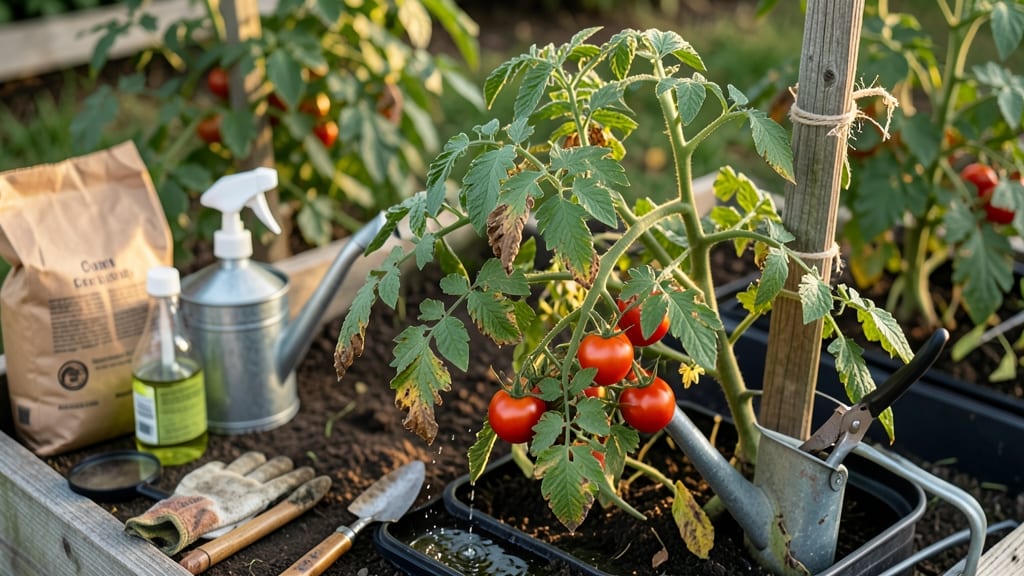
Your tomato plants are sending you a desperate SOS with those brown leaves—it’s either drowning in water or starving for nutrients. 🌱 I’ve nursed back more tomato plants than I’d like to admit, and the fix always starts with checking the soil moisture and leaf patterns.
What you’ll learn here is how to tell overwatering from nutrient deficiency (and why they look eerily similar at first glance). The first step is simple: stick your finger 1-2 inches into the soil. If it’s soggy, you’re overwatering—roots suffocate, leaves yellow, and brown edges form.
But if the soil is dry and crumbly, it’s likely a nutrient issue, especially if older leaves turn brown first. Both problems need different fixes, and getting them wrong can make things worse.
By the end, you’ll have a revived plant with fresh green leaves and a steady stream of tomatoes. The key is acting fast—brown leaves left unchecked can spread to the whole plant in days. Let’s turn those sad stems around before it’s too late.
Here’s the game-changer: overwatered plants need better drainage and less frequent watering, while nutrient-deficient ones crave a balanced fertilizer (think nitrogen for leaves, potassium for fruit). I’ve seen plants bounce back in as little as 3-5 days once you address the root cause—literally.
The worst part? Both issues often look identical until you dig deeper (pun intended). Prevention is easier than rescue: water deeply once a week (or when the top inch of soil dries), and feed plants every 2-3 weeks with a tomato-specific fertilizer.
Mulch helps too—it keeps moisture steady and roots cool. Trust me, your future harvests will thank you.
One more thing—don’t ignore the leaf patterns. Yellowing between veins? Likely overwatering. Brown, crispy edges? Could be underwatering or salt buildup. And if the brown spots have black centers?
That’s a fungal warning sign, and you’ll need to prune infected leaves immediately. The good news? Most brown-leaf problems fix themselves once you adjust care—just don’t wait too long.
Root Causes of Leaf Discoloration
Tomato plants are resilient, but when their leaves start turning brown, it’s often a cry for help—whether from environmental stress, poor care, or hidden health issues. Understanding the why behind brown leaves is the first step to saving your plants and ensuring a bountiful harvest.
Below, we break down the most common culprits, explained in simple, actionable terms.
Tomatoes thrive in warmth, but too much sun or extreme heat can scorch their leaves, causing them to crisp, turn brown, and even develop a papery texture.
- How it happens: When temperatures exceed 90°F (32°C), especially with intense sunlight, the plant’s cells suffer oxidative damage.
The leaves lose moisture faster than the roots can supply it, leading to sunburn—similar to how your skin burns after too much time at the beach. - Key signs: - Brown, dry patches on upper leaves (facing the sun). - Leaves may feel crunchy or brittle to the touch. - Often starts on younger leaves first. - Where it’s common: Greenhouses, plastic tunnels, or south-facing gardens without shade.
Water is life, but too much of it drowns roots, cutting off oxygen and inviting fungal infections. Brown leaves from overwatering often start at the edges and work inward, feeling soft or mushy when pressed.
- How it happens: - Poor drainage: Compacted soil or containers without drainage holes trap excess water, suffocating roots. - Fungal infections: Overwatered soil breeds root rot (caused by Phytophthora or Fusarium), which blocks nutrient uptake.
The plant’s leaves turn brown as it starves for oxygen and minerals. - Salt buildup: Over time, minerals in tap water accumulate in the soil, creating a salty crust that burns roots and leaves. - Key signs: - Yellowing between leaf veins (chlorosis) followed by brown, wilted edges. - Soil smells musty or sour. - Leaves may drop prematurely. - Where it’s common: Heavy clay soils, pots without drainage, or automatic watering systems set too frequently.
Tomatoes are heavy feeders, and a lack of key nutrients can cause brown leaves in distinct patterns, often starting on older or younger leaves depending on the deficiency.
| Nutrient | Symptoms | Why It Happens |
|---|---|---|
| Nitrogen (N) | Yellowing between veins (older leaves first), brown edges, stunted growth. | Nitrogen fuels leaf growth; without it, leaves can’t produce chlorophyll, turning brown and dying. |
| Potassium (K) | Brown, crispy edges (like "scorched"), weak stems, poor fruit development. | Potassium regulates water and disease resistance; a deficiency makes leaves sensitive to stress. |
| Magnesium (Mg) | Yellow patches between veins (older leaves), brown spots, curled leaves. | Magnesium is vital for chlorophyll production; its absence causes interveinal browning. |
| Calcium (Ca) | Brown, dead spots on younger leaves, blossom end rot on fruit. | Calcium strengthens cell walls; a deficiency leads to necrosis (cell death). |
| Iron (Fe) | Yellowing between veins (young leaves), brown tips, slow growth. | Iron helps chlorophyll form; in alkaline soils, plants can’t absorb it. |
- Pro tip: 💡 Conduct a soil test to identify deficiencies. Quick fixes include:
- Epsom salt (for magnesium).
- Banana peel tea (for potassium).
- Crushed eggshells (for calcium).
Brown leaves aren’t always about water or nutrients—sometimes, tiny invaders are to blame. Pests and pathogens can weaken plants, causing leaves to brown and drop.
- Common culprits: - Aphids/Spider Mites: These sap-suckers cause yellowing, browning, and curling of leaves. Their damage weakens the plant, making it prone to secondary infections. - Early Blight (Alternaria solani): Brown, target-like spots with yellow halos appear on lower leaves.
The fungus thrives in wet, humid conditions. - Late Blight (Phytophthora infestans): Irregular brown patches with white mold on undersides (the same pathogen that caused the Irish potato famine!). - Verticillium/Wilt: Wilting and browning starting at the lower leaves, often with yellowing veins.
The fungus clogs the plant’s water transport system.
- Key signs to watch for:
- Webbing on leaves (spider mites).
- Fungal spores (white, gray, or black powdery/moldy growth).
Brown leaves can also result from mechanical stress, like harsh winds, improper pruning, or even salt spray from nearby soil or fertilizers.
- How it happens:
- Over-pruning: Removing too many leaves at once shocks the plant, leading to stress-induced browning.
- Salt burn: Fertilizer or soil salts accumulate on leaves, causing brown, crispy spots (common near drip irrigation lines).
- Herbicide drift: Nearby weed killers can bleach or brown leaves, even if the plant isn’t dead.
Not sure what’s causing the brown leaves? Ask yourself: 1. Where are the brown spots? (Edges? Tips? Between veins?)
- Do the leaves feel crispy, mushy, or sticky?
- Is the soil soggy, dry, or clumpy?
- Are there any pests, spots, or mold?
- Have conditions changed recently? (Heatwave? Heavy rain? New fertilizer?)
Use this guide to narrow down the cause and take targeted action!
Quick fixes for tomato leaf troubles
Brown leaves on your tomato plants can feel like a crisis, but don’t panic—most issues are fixable with the right approach! Below, we’ve mapped out practical solutions for the most common causes, from nutrient deficiencies to environmental stressors. Each fix includes actionable steps and prevention tips to keep your plants thriving. Let’s turn those sad, brown leaves into lush, green growth!
If your tomato plants are drowning in soggy soil, roots suffocate and leaves turn yellow or brown—especially at the edges. Here’s how to revive them:
🔥 Step 1: Check the Soil
- Stick your finger 1–2 inches deep into the soil. If it’s damp or sticky, you’re overwatering.
- Fix it: Let the top 2–3 inches dry out between waterings. Use a moisture meter for accuracy.
🍳 Step 2: Improve Drainage
- For containers: Add a layer of gravel or perlite at the bottom before repotting.
- For garden beds: Amend heavy clay soil with compost or sand to help water drain faster.
- Pro tip: 💡 Raise pots off the ground (use bricks or saucers) to prevent water pooling.
👨🍳 Step 3: Adjust Watering Habits
- Water deeply but less often—aim for 1–1.5 inches per week (adjust for rain).
- Water early in the morning to reduce evaporation and fungal risks.
- Avoid wetting leaves to prevent diseases like early blight.
⏰ Prevention Tips
- Use self-watering pots or drip irrigation for consistent moisture.
- Choose well-draining potting mixes (avoid cheap garden soil).
- Mulch around plants with straw or shredded leaves to retain moisture evenly.
Brown, crispy, or yellowing leaves often signal a hunger for key nutrients. Here’s how to diagnose and feed your tomatoes:
📊 Identify the Deficiency
| Symptom | Likely Cause | Fix It With |
|---|---|---|
| Yellow lower leaves | Nitrogen deficiency | Balanced fertilizer (10-10-10) or compost tea |
| Brown leaf edges | Potassium deficiency | Banana peel tea or potassium-rich fertilizer (like 5-10-10) |
| Yellow veins, brown patches | Magnesium deficiency | Epsom salt spray (1 tbsp per gallon of water, spray leaves weekly) |
🥗 Step 1: Fertilize Smartly
- For nitrogen: Use fish emulsion or alfalfa meal (sprinkle around the base).
- For potassium: Brew banana peel tea (soak peels in water for 2 weeks, then water plants).
- For magnesium: Mix 1 tbsp Epsom salt per gallon of water and spray on leaves.
💪 Step 2: Boost Soil Health
- Add compost (1–2 inches around the base) to replenish organic matter.
- Use worm castings for a slow-release nutrient boost.
- Avoid over-fertilizing—too much salt can burn roots!
🎯 Prevention Tips
- Test your soil every 2–3 years (kits are cheap and easy).
- Rotate crops to prevent nutrient depletion.
- Feed regularly with a balanced liquid fertilizer every 2–3 weeks during growing season.
Tomatoes love sun, but too much heat can scorch leaves, turning them brown and crispy—especially on young plants or during sudden heatwaves.
🌡️ Step 1: Provide Shade (Temporarily)
- Use shade cloth (30–50%) if temps hit 90°F+ (32°C+).
- Mulch heavily with straw to keep roots cool.
🔥 Step 2: Water Strategically
- Water deeply in the morning to cool leaves and prevent evaporation.
- Mist leaves lightly in extreme heat (but avoid evening watering to prevent fungus).
✨ Prevention Tips
- Choose heat-tolerant varieties like ‘Heatmaster’ or ‘Solar Fire’ tomatoes.
- Plant in late spring (after last frost) to avoid early-season heat stress.
- Use reflective mulch (like white plastic) to bounce back sunlight.
Brown spots with yellow halos? Fungal infections thrive in wet, humid conditions. Act fast to save your plants!
🔪 Step 1: Remove Infected Leaves
- Snip off brown/spotted leaves with clean pruners (don’t compost them—trash them!).
- Disinfect tools with rubbing alcohol between cuts.
🌿 Step 2: Improve Airflow
- Prune lower leaves to reduce humidity near the soil.
- Space plants 18–24 inches apart for better airflow.
- Avoid overhead watering—use drip irrigation instead.
💡 Step 3: Treat with Fungicides
- Preventive spray: Mix 1 tbsp baking soda + 1 tsp dish soap + 1 gallon water. Spray every 7–10 days.
- For severe cases: Use copper fungicide or neem oil (follow label instructions).
🔥 Prevention Tips
- Rotate crops yearly to prevent fungal buildup.
- Water at the base (never the leaves).
- Choose disease-resistant varieties like ‘Defiant PhR’ or ‘Mountain Merit’.
With these fixes, your tomato plants should bounce back in 1–2 weeks—just monitor closely and adjust as needed. Happy growing! 🍅✨
Frequently asked questions
Why do my tomato plant leaves turn brown at the edges first?
Brown edges usually signal either underwatering or a potassium deficiency. Check soil moisture first—if dry, water deeply. If soil is moist, try a potassium-rich fertilizer like banana peel tea or a 5-10-10 blend.
Can I save my tomato plant if most leaves are already brown?
Yes, but act fast! Prune severely damaged leaves (sterilize scissors with rubbing alcohol) and focus on the root cause. For nutrient issues, fertilize immediately. For overwatering, improve drainage and reduce frequency. Healthy new growth can replace lost leaves in 2-3 weeks.
What's the difference between brown leaves from overwatering vs. heat stress?
Overwatered leaves feel soft or mushy with yellowing between veins, while heat-stressed leaves are crispy and dry with brown patches on upper surfaces. Check soil moisture—if soggy, it's water; if dry and hot, provide shade and mulch.
Will Epsom salt help if my tomato leaves are just brown and crispy?
Only if the brownness is from magnesium deficiency (yellow patches between veins). For crispy edges, Epsom salt won't help—try potassium instead. Mix 1 tbsp Epsom salt per gallon of water and spray leaves weekly if you see interveinal yellowing.
How often should I fertilize tomato plants to prevent brown leaves?
Feed every 2-3 weeks during growing season with a balanced fertilizer (10-10-10). For containers, use half-strength solution weekly. Stop fertilizing when fruit sets to avoid salt buildup, which causes brown leaf tips.