
How To
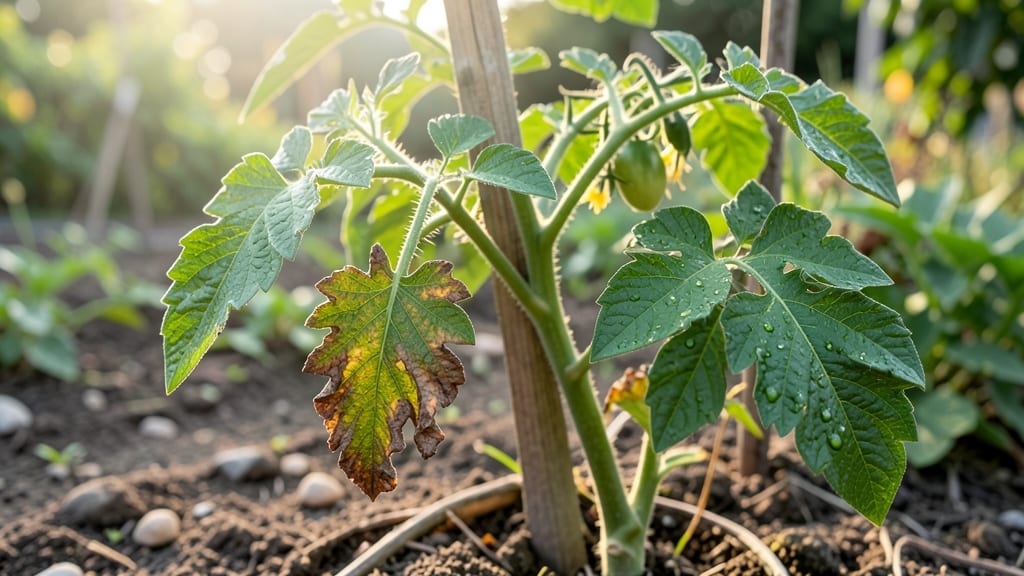
When your tomato plant leaves develop those frustrating turning brown tips, it’s usually a cry for help—not from pests or disease, but from something simpler: salt buildup or mineral imbalance in the soil. 🌱 I’ve seen this problem ruin entire harvests, but the fix is easier than you’d think.
The good news? You can diagnose it with a simple water test and reverse it in a matter of days.
Most gardeners blame overwatering or too much fertilizer, but the real culprit is often sodium or chlorine leftover from tap water, over-salty soil amendments, or even old mulch breaking down.
The brown edges start small—almost like a sunburn—but spread fast if ignored. What’s worse? It tricks you into thinking your plants need more water, when they’re actually drowning in minerals.
Here’s the game-changer: flush the soil with 2–3 gallons of distilled or rainwater, then top-dress with a thin layer of compost to dilute the salts. Within a week, you’ll see fresh green growth pushing out from the tips.
The best part? This fix works for container plants too—just let the excess drain completely to avoid root rot.
Prevention is even easier: switch to rainwater for watering, avoid over-fertilizing, and test your soil every spring. Trust me, once you spot those first brown tips, you’ll never ignore them again—your tomatoes will thank you at harvest time.
Root Causes Of Leaf Damage
Understanding why your tomato plant’s leaves develop brown tips is the first step toward fixing the problem. These symptoms often stem from environmental stresses, nutrient imbalances, or poor growing conditions.
Let’s break down the most common culprits—each with a clear scientific explanation and actionable insights to help you diagnose the issue accurately.
Tomato plants thrive in warm but not scorching conditions. When temperatures rise above 90°F (32°C)—especially during dry, windy days—your plant’s leaves lose moisture faster than they can absorb it through their roots.
This causes osmotic stress, where water evaporates from the leaf edges, leading to those telltale brown tips.
- Why it happens:
- High transpiration rates (water loss) exceed root uptake.
- Low humidity (below 40%) accelerates moisture loss, as dry air pulls water out of leaves.
- Direct sunlight on young, tender leaves can cause sunburn, mimicking browning from other issues.
- How to spot it:
- Browning starts at the leaf margins and progresses inward.
- Symptoms appear afternoon or evening, when heat peaks.
- Older leaves may show crispy, papery edges while staying green in the center.
- Quick fixes:
- Shade cloth: Use 30-50% shade fabric during peak sun hours (10 AM–4 PM).
- Mulch deeply: Apply 2–3 inches of organic mulch (straw or wood chips) to retain soil moisture.
- Mist leaves: Lightly mist plants early morning (avoid evening to prevent fungal risks).
- Adjust watering: Water deeply at the base (1–2 inches per week) rather than shallowly.
While underwatering is a common issue, overwatering can also cause brown tips—especially if your soil doesn’t drain well. When roots sit in soggy soil, they struggle to absorb oxygen, leading to root rot and nutrient uptake problems.
The plant then transports less water and minerals to the leaves, causing marginal browning.
- Why it happens:
- Waterlogged soil suffocates roots, reducing their ability to absorb nutrients like calcium and potassium.
- Compacted or clay-heavy soil holds excess moisture, preventing oxygen flow to roots.
- Salinity buildup (from tap water or fertilizers) can block nutrient absorption, even if water is present.
- How to spot it:
- Browning starts at the tips and spreads inward, often paired with yellowing between veins (chlorosis).
- Soil feels soggy or smells sour (like rotten eggs).
- Leaves may wilt despite moist soil (a classic sign of root stress).
- Quick fixes:
- Test your soil: Stick a finger 2 inches deep—if it’s damp after 24 hours, you’re overwatering.
- Improve drainage: Amend soil with perlite, vermiculite, or compost to loosen texture.
- Repot if needed: Use a well-draining pot with drainage holes and a soil mix designed for tomatoes.
- Flush the soil: Water heavily to leach out excess salts, then let the soil dry slightly between waterings.
Tomatoes are heavy feeders, but too much fertilizer—or using hard water—can create a salt crust on the soil surface. These salts disrupt the plant’s ability to absorb water and nutrients, leading to dehydration-like symptoms, including brown tips.
- Why it happens:
- Fertilizer salts (nitrates, chlorides) accumulate in the soil, raising its electrical conductivity (EC).
- Hard water (high in calcium, magnesium, and sodium) leaves a white residue when it evaporates.
- Over-salting (e.g., using too much Epsom salt for magnesium deficiency) can burn roots.
- How to spot it:
- A white crust on the soil surface (especially near the pot’s edges).
- Browning appears first on older leaves and spreads to new growth.
- Plant growth stalls despite regular watering.
- Quick fixes:
- Flush the soil: Water the plant slowly and deeply for 10–15 minutes to dissolve salts.
- Use distilled or rainwater: Avoid tap water with high mineral content (check your local water report).
- Reduce fertilizer: Switch to a balanced, organic fertilizer (like fish emulsion) and half the recommended dose.
- Top-dress with compost: Add a 1-inch layer of compost to dilute salt concentrations.
Brown tips can also signal nutrient deficiencies, particularly calcium, potassium, or magnesium. While these issues often cause yellowing or spotting, severe deficiencies can lead to necrotic (dead) tissue at the leaf edges.
- Why it happens:
- Calcium deficiency (Blossom End Rot’s cousin): Poor calcium uptake causes cell walls to weaken, leading to browning.
- Potassium deficiency: Leaves lose turgor pressure (rigidity), causing tips to dry out.
- Magnesium deficiency: Affects chlorophyll production, leading to interveinal browning.
- How to spot it:
- Calcium: Brown tips paired with blossom end rot on fruits.
- Potassium: Scorched-looking leaf edges with yellowing between veins.
- Magnesium: Yellow patches on older leaves that turn brown and crispy.
- Quick fixes:
- Calcium: Apply crushed eggshells or calcium nitrate (1 tsp per gallon of water, sprayed on leaves).
- Potassium: Use a banana peel tea (steep peels in water for 24 hours) or potassium sulfate.
- Magnesium: Sprinkle Epsom salt (magnesium sulfate) around the base (1 tbsp per plant) and water in.
- Avoid over-fertilizing: Too much nitrogen can mask deficiencies while worsening salt buildup.
While less common, pests like spider mites or fungal infections can cause brown, crunchy leaf tips by disrupting the plant’s ability to photosynthesize or absorb water.
- Why it happens:
- Spider mites: These tiny pests pierce leaves, causing stippling (tiny brown dots) that expand to larger brown areas.
- Early blight or septoria leaf spot: Fungal spores clog leaf pores, reducing water uptake and leading to brown, dead patches.
- How to spot it:
- Pests: Look for fine webbing (mites) or black specks (fungal spores) on undersides of leaves.
- Disease: Concentric rings or target-like spots on leaves.
- Quick fixes:
- Pests: Spray with neem oil or insecticidal soap (repeat every 5–7 days).
- Disease: Remove infected leaves and apply copper fungicide preventatively. Ensure good air circulation (prune crowded foliage).
Fixing Brown Leaf Tips Fast
Now that you know the root cause of those pesky brown tips on your tomato leaves—whether it’s salt buildup, underwatering, nutrient burn, pests, or disease—let’s roll up our sleeves and get your plants back to thriving!
Below are practical, step-by-step solutions tailored to each issue, plus prevention tips to keep your tomatoes lush and healthy.
If your soil is too salty (common with tap water, fertilizers, or poor drainage), your tomato plants will show stress with crispy, brown edges. Here’s how to detoxify:
1. 💦 Water Deeply to Leach Out Salts
- Step 1: Water your tomato plants thoroughly with rainwater or distilled water (if possible).
Avoid tap water if it’s high in chlorine or minerals. - Step 2: Let the soil fully drain—don’t let plants sit in soggy conditions. - Step 3: Repeat 2-3 times over a week to flush out accumulated salts.
2. 🌱 Amend the Soil for Long-Term Health
- Mix in organic matter: Add compost, coconut coir, or peat moss (1 part to 2 parts soil) to improve drainage and reduce salt concentration.
- Use a soil test kit (like a Luster Leaf Rapid Test Kit) to check pH and salt levels before replanting.
3. 🚫 Prevention Tips
- Use filtered or rainwater for watering.
- Avoid over-fertilizing—stick to a balanced, organic fertilizer (like fish emulsion or worm castings) and dilute it to half-strength.
- Mulch heavily (2-3 inches of straw or wood chips) to reduce evaporation and salt buildup.
Brown, crispy tips can also mean your tomatoes are thirsty! Tomatoes need consistent moisture, especially in hot weather.
1. 💧 Water at the Right Time & Depth
- When to water: Early morning (6-8 AM) to reduce evaporation and fungal risks.
- How much: 1-1.5 inches per week (more in extreme heat).
Water deeply—soak the soil 6-8 inches down to encourage strong root growth. - How often: Check soil moisture daily in dry climates. Stick your finger 1 inch into the soil—if it’s dry, water!
2. 🌡️ Adjust for Heatwaves
- Mulch heavily (straw or grass clippings) to retain moisture and keep roots cool.
- Use drip irrigation or soaker hoses to deliver water directly to roots (avoids wetting leaves, reducing disease risk).
3. 🚫 Prevention Tips
- Group tomatoes with other thirsty plants (like peppers or basil) to water efficiently.
- Avoid shallow watering—light sprinkles encourage weak, shallow roots.
- Monitor weather forecasts—increase watering 2-3 days before a heatwave.
Too much nitrogen, potassium, or chlorine can cause brown, scorched leaf tips. If you’ve been over-fertilizing, here’s how to fix it:
1. 🚫 Stop Fertilizing Immediately
- Flush the soil with plain water (no fertilizer) for 1-2 weeks to let roots recover.
- Avoid synthetic fertilizers—switch to organic options (like compost tea or seaweed extract) for a gentler nutrient boost.
2. 🌿 Feed with Organic Matter
- Add compost or worm castings around the base of the plant (keep it 2-3 inches away from the stem).
- Use a diluted fish emulsion (mix 1 tbsp per gallon of water) as a low-stress fertilizer.
3. 🚫 Prevention Tips
- Follow the "less is more" rule—fertilize every 4-6 weeks (not weekly!).
- Test your soil before fertilizing (a DIY test kit works).
- Avoid chlorine-rich water—let tap water sit out 24 hours before using.
If spider mites, aphids, or fungal diseases (like early blight) are to blame, act fast to save your plants:
1. 🐜 Treat Pests Naturally
- Spider mites/aphids:
- Spray with neem oil (mix 1 tsp neem oil + 1 tsp mild soap + 1 quart water).
Apply every 5-7 days until pests are gone. - Introduce beneficial insects (ladybugs or lacewings) to eat pests naturally. - Fungal diseases (early blight, septoria leaf spot): - Remove infected leaves immediately (wear gloves!) and dispose of them in the trash (not compost). - Apply copper fungicide (like Bordeaux mixture) or baking soda spray (1 tbsp baking soda + 1 quart water + a drop of dish soap).
2. 🌡️ Improve Airflow & Hygiene
- Prune plants to increase airflow (remove crowded leaves or suckers).
- Space tomatoes 18-24 inches apart to prevent humidity buildup.
- Water at the base (avoid wetting leaves) to reduce fungal spores.
3. 🚫 Prevention Tips
- Rotate crops—don’t plant tomatoes in the same spot every year (fungi linger in soil).
- Use row covers early in the season to block pests.
- Inspect leaves weekly—catch problems before they spread!
No matter the issue, these quick fixes help your tomatoes bounce back:
- Trim the damage – Use clean, sharp scissors to snip off browned tips (don’t tear leaves).
- Boost humidity (if needed) – Place a tray of water near plants or use a humidifier in greenhouses.
- Move to indirect light – If leaves are sun-scorched, provide afternoon shade for a few days.
- Monitor closely – Keep an eye on new growth—healthy leaves should emerge in 1-2 weeks if the root cause is fixed.
💡 Pro Tip: If your tomato plant is severely stressed, don’t panic! Younger leaves often recover faster—focus on reviving the roots first. With the right care, your plant can bounce back stronger than ever! 🌱🍅
Frequently asked questions
Why do my tomato leaves get brown tips even when I water regularly?
Brown tips often signal salt buildup from tap water or fertilizer, not just thirst. Test your soil by dissolving a spoonful in water—if it leaves white residue, your soil is too salty. Flush with rainwater or distilled water for 10 minutes to leach out excess minerals.
Can I save my tomato plant if most leaves have brown tips?
Yes! Prune the damaged leaves immediately to redirect energy to new growth. Focus on fixing the root cause (like salt buildup or underwatering) and apply compost tea to restore nutrients. Younger leaves recover faster—you’ll see improvement in 1-2 weeks with proper care.
Is hard water hurting my tomato plants?
Hard water (high in calcium/magnesium) leaves mineral deposits that block nutrient absorption. Use a water softener or collect rainwater for watering. If that’s not possible, let tap water sit out 24 hours before using to reduce chlorine.
How often should I fertilize tomatoes to avoid brown tips?
Too much fertilizer causes salt buildup! Feed tomatoes every 4-6 weeks with a balanced organic fertilizer (like fish emulsion). Always dilute to half-strength and water thoroughly after applying to prevent root burn.
Are brown tips the same as sunburn on tomatoes?
Not exactly! Sunburn causes yellow-white patches on leaves, while brown tips usually start at the edges. For sunburn, provide afternoon shade (10 AM–4 PM) and mulch heavily. Brown tips from heat stress need deep watering and proper humidity.