
Vegetables
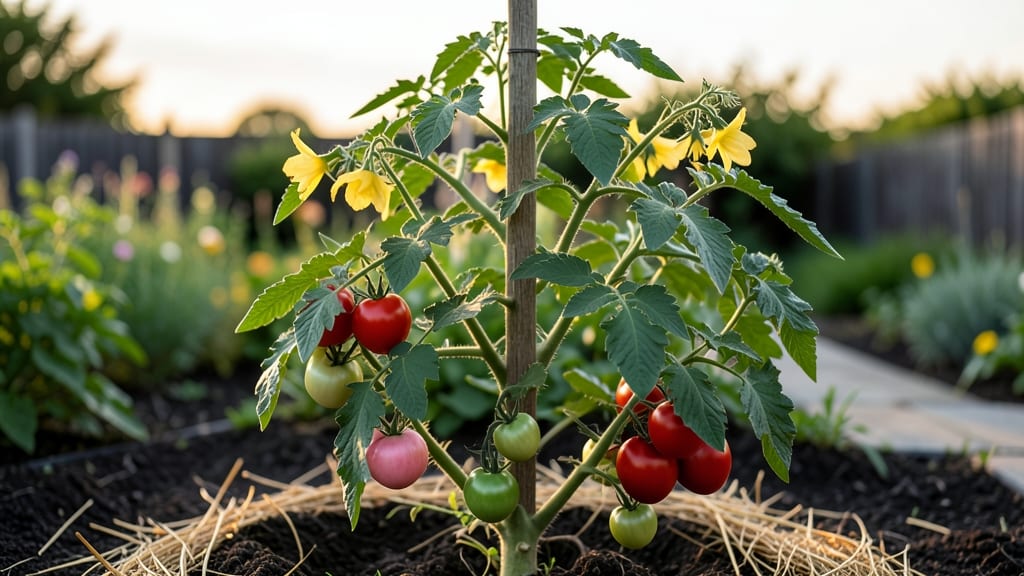
Knowing the exact tomato maturity time 🍅 is the difference between a summer packed with fresh harvests and a garden that leaves you waiting—and wondering—until frost.
Picture this: you’ve spent weeks tending to your plants, only to watch the season slip away before your tomatoes ever ripen. That’s the frustration of guessing instead of planning. But here’s the good news—most varieties follow a predictable timeline, and a few simple adjustments can shave weeks off that wait.
From 45-day cherry tomatoes to 120-day heirlooms, maturity time varies wildly depending on the type you grow. Throw in factors like sunlight, temperature, and even soil nutrients, and you’ve got a recipe for either a bumper crop or a season of disappointment.
In this guide, I’ll break down the exact days to harvest for popular varieties, reveal the hidden factors that speed up or slow down ripening, and share my foolproof method for calculating your personal harvest date—so you can stop guessing and start planning.
Tomato maturity time chart: days to harvest by variety type
Planning your garden around tomato maturity time is key to avoiding disappointment when your plants don't produce fruit fast enough. Different varieties ripen at dramatically different rates—some as quickly as 45 days while others take nearly 120 days to reach harvest.
Understanding these timelines helps you choose the right varieties for your growing season and climate zone.
Early varieties are perfect for short seasons or container gardening, while late varieties reward patient gardeners with larger yields. Below, I’ve broken down the average tomato maturity time by category, including popular heirloom, cherry, beefsteak, and hybrid types.
Use this chart to align your planting schedule with your first frost date and maximize your harvest.
Pro Tip: Always check seed packets for exact days-to-maturity, as environmental factors can shift ripening by 1-2 weeks earlier or later. Pair this chart with your local last frost date to calculate your ideal planting window.
Notice how cherry tomatoes and determinate hybrids often mature faster than heirlooms or beefsteak varieties? This makes them ideal for gardeners in USDA Zone 8 or cooler, where the growing season is shorter.
For example, planting Sweet 100 cherry tomatoes (55 days) in early May could yield fruit by late June—perfect for a quick harvest before summer heat sets in.
If you're growing in a greenhouse or extended season, late varieties like Arkansas Traveler (110 days) become viable. These beefsteak tomatoes need the extra time to develop their massive, flavorful fruit.
Just be sure to use black plastic mulch or row covers to warm the soil and accelerate early growth.
For container gardening, prioritize compact varieties like Bush Early Girl (60 days) or Tiny Tim (55 days). Their shorter maturity time compensates for limited root space. Pair them with a 5-gallon pot and balanced fertilizer to ensure they ripen on schedule despite their confined environment.
One common mistake is assuming all heirloom tomatoes take the same time to mature. While Brandywine (85 days) is classic, Stupice (70 days) is an early heirloom that can surprise you with a faster harvest.
Always cross-reference seed catalogs with your local heat zone to avoid planting varieties that won’t ripen in time.
To track your own tomato maturity time, start a garden journal noting when you transplant seedlings and when the first flowers appear. Subtract 10-14 days from the variety’s maturity time to estimate when fruit will set—this helps you plan for succession planting of faster varieties if needed.
Remember, these are average days to maturity under ideal conditions. Factors like soil temperature, water consistency, and pest pressure can shift your harvest window by weeks. For example, cool spring soils may delay germination by 7-10 days, pushing back your entire timeline.
Factors that speed up or delay tomato maturity time
Your tomato plants' maturity time can vary dramatically based on growing conditions—sometimes by 30-40 days—even with the same variety. While seed packets list average days to harvest, real-world results depend on four key factors: sunlight exposure, temperature, soil nutrients, and watering habits.
Understanding these will help you optimize growth and predict when to expect those ripe tomatoes.
For example, a cherry tomato variety like 'Sungold' typically matures in 60-65 days under ideal conditions, but poor soil or inconsistent watering can stretch that to 80+ days.
Meanwhile, beefsteak varieties like 'Brandywine' may need 85-90 days to reach maturity—but with perfect care, you might harvest them 2 weeks earlier than expected.
Let’s break down how to optimize each factor for faster harvests. Start with sunlight placement: Position your tomato plants where they receive unobstructed sun from morning until early evening.
If using containers, place them on a south-facing patio or use reflective surfaces (like white walls) to bounce extra light onto leaves. Even 1 extra hour of sunlight can shave 3-5 days off maturity time.
Next, monitor soil temperature—it should stay above 60°F for roots to absorb nutrients efficiently. Use a soil thermometer to check daily, especially in cooler climates. If temperatures dip below 50°F, cover plants with row fabric during the day to retain heat.
For temperature-sensitive varieties like 'Black Krim', this can reduce delays by up to 10 days.
Don’t overlook nutrient timing: Apply a balanced fertilizer (like 5-10-10) when plants are 6 inches tall and again when flowers appear. For heavy producers, switch to a high-phosphorus formula (10-20-10) during fruiting to speed up ripening.
Over-fertilizing with nitrogen, however, can lead to leafy growth at the expense of fruit, pushing back maturity.
Finally, watering consistency is non-negotiable. Tomatoes need 1-1.5 gallons of water per plant every 3-5 days, delivered at soil level (not leaves) to avoid fungal diseases. Use a drip irrigation system or soaker hose to maintain even moisture—this prevents blossom end rot and ensures steady growth.
Mulching with straw or shredded leaves helps retain moisture and keeps roots cool, further accelerating maturity.
By mastering these four factors, you can reduce tomato maturity time by 10-20%—sometimes even more for determinate varieties. Track your progress by marking the first flower and counting days to first ripe tomato.
Adjust care as needed, and soon you’ll be harvesting homegrown tomatoes weeks ahead of schedule! 🌱