
Planting
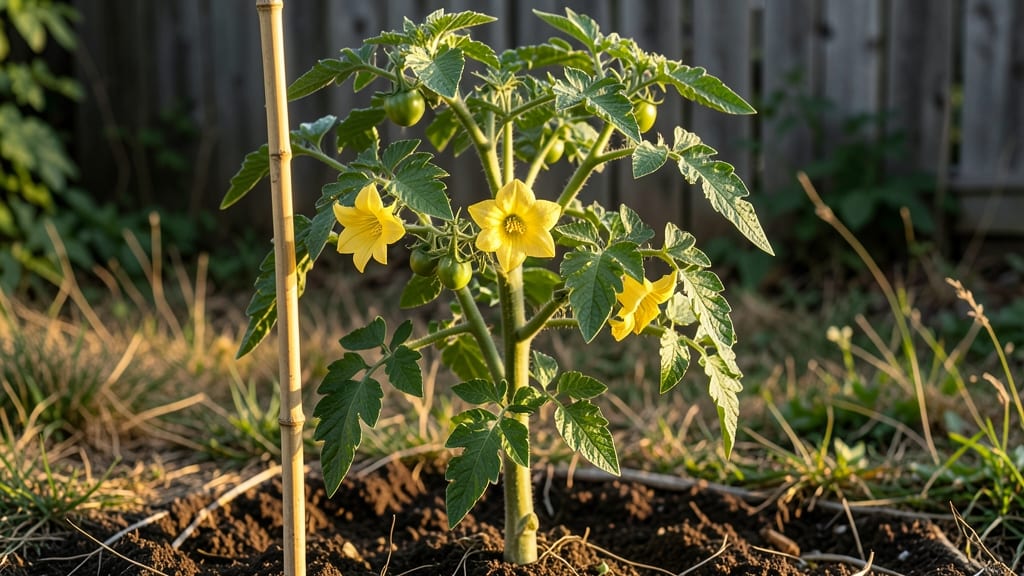
Your tomato plant flowering early can spell disaster if you don’t act fast. 🌱 I’ve watched dozens of seedlings bolt before their time, only to end up with bitter, undersized fruit—or worse, no tomatoes at all.
The good news? A few simple adjustments can turn that early bloom into a productive harvest.
Premature flowering usually happens when plants experience temperature swings, too much light, or transplant shock. Young seedlings need consistent warmth (around 65-75°F) and gradual light exposure to focus on leaf growth first.
If they flower too soon, they’ll exhaust energy before producing fruit. The fix? Adjust your care routine to delay blooms until plants are stronger.
Start by moving seedlings to a cooler spot (like a shaded windowsill or under grow lights with a timer) and prune any early flowers you see. Use a balanced fertilizer (like 10-10-10) to encourage leafy growth over blooms.
With these tweaks, your plants will build the strength needed for a heavy, late-season harvest instead of a weak early one.
For next year, choose heat-tolerant varieties like ‘Solar Fire’ or ‘Celebrity’—they’re bred to resist early flowering. And if you’re growing in containers, keep them in partial shade until nighttime temperatures stay above 55°F. Small changes now mean bigger rewards later.
What Triggers Early Blooms
Early flowering in tomato plants isn’t always a bad thing—unless you’re not ready for it! Understanding the root causes helps you adjust care strategies to maximize fruit production. Here’s why your plants might be sending up flowers sooner than expected, backed by science and actionable insights.
🌱 Some tomato varieties are hardwired to bolt (flower early) under specific conditions. Determinate tomatoes (like 'Roma' or 'Celebrity') often flower early to produce a concentrated harvest before heat stress sets in. Indeterminate varieties (e.g., 'Sungold' or 'Beefsteak') may also flower early if bred for quick maturation, especially in short-season climates.
What to do?
- Check your seed packet or plant tag for days to maturity—this predicts flowering timing.
- If you’re in a cool climate, opt for late-blooming indeterminate varieties like 'Brandywine' or 'Cherokee Purple' to extend the season.
🌡️ Tomatoes are temperature-sensitive. A sudden drop below 50°F (10°C) or a warm snap above 85°F (29°C) can trigger stress-induced flowering. Day-length changes (like shorter autumn days) also signal plants to shift from vegetative growth to reproductive mode.
Key triggers:
- Cold stress: Night temps dipping into the 40s°F (4–9°C) can shock plants into early blooming.
- Heat waves: Consistently hot days (>90°F/32°C) may cause flower drop after blooming, but the initial trigger is often a preceding cool spell.
Pro tip: 💡 Use row covers in spring to moderate temps and delay flowering until soil and air warm consistently.
☀️ Tomatoes need 6–8 hours of direct sunlight daily, but excessive light (especially in greenhouses) can accelerate flowering. Conversely, shady spots may delay growth—until the plant finally "gives up" and flowers prematurely due to stress.
Watch for:
- Greenhouse effect: High light intensity + trapped heat = early blooms.
- Overcrowding: Plants competing for light may flower early to "escape" competition.
Fix it:
- Prune lower leaves to improve airflow and light penetration.
- Rotate pots (if container-grown) to ensure even light exposure.
📊 Tomatoes thrive on a balanced NPK (nitrogen-phosphorus-potassium) ratio, but imbalances can trigger early flowering. Here’s how:
| Nutrient Issue | Effect on Flowering | Solution |
|---|---|---|
| High phosphorus (P) | Encourages root and flower development early. | Use a balanced 10-10-10 or 5-10-10 fertilizer. |
| Low nitrogen (N) | Stunts leaf growth; plant "thinks" it’s time to reproduce. | Side-dress with compost or nitrogen-rich fertilizer (like fish emulsion). |
| Over-fertilized | Salty soil or excess salts can stress plants. | Flush soil with water to leach excess nutrients. |
Red flag: 🚨 Yellowing leaves with green veins = nitrogen deficiency. Purple stems = phosphorus overload.
💧 Tomatoes are sensitive to moisture fluctuations. Both drought stress and overwatering can trigger early flowering as a survival mechanism.
- Underwatering: Plants conserve energy by shifting to reproductive mode.
- Overwatering: Poor drainage or soggy soil can starve roots of oxygen, signaling stress.
Action steps:
- Water deeply 1–2 times per week (1–1.5 inches total).
- Mulch heavily (straw or wood chips) to retain moisture and regulate soil temp.
- Check soil moisture with your finger—top inch should be dry before watering.
🌿 Root disturbance (like transplanting) or physical damage (e.g., pests, hail) can shock plants into early flowering. Tomatoes may perceive stress as a signal to "reproduce now" before dying.
How to prevent it:
- Hardening off seedlings gradually before transplanting.
- Use root stimulators (like mycorrhizal fungi) to reduce shock.
- Protect young plants from pests (e.g., aphids, which excrete honeydew that attracts sooty mold).
Fix Early Blooming Tomatoes Naturally
Early flowering in your tomato plants can be frustrating, but the good news is that most causes have simple, science-backed fixes. Below, we’ve mapped out practical solutions for each trigger—plus prevention tips to keep your plants on track for a bountiful harvest.
If your tomatoes are flowering early due to temperature swings (too hot or too cold), the fix is straightforward: create a stable, ideal environment.
🔥 For Heat Stress (Days Above 90°F/32°C)
- 🌿 Provide Shade: Use shade cloth (30-50%) during peak afternoon sun. Hang it 3-4 feet above plants to avoid blocking airflow.
- 💧 Increase Watering: Water deeply 1-2 inches per week (more in extreme heat).
Use drip irrigation to keep foliage dry and roots cool. - 🌱 Mulch Heavily: Apply 3-4 inches of organic mulch (straw, wood chips) to insulate roots and retain moisture. - 🌡️ Extend the Growing Season: If possible, plant heat-tolerant varieties like ‘Solar Fire’ or ‘Heatmaster’ next season.
❄️ For Cold Stress (Below 50°F/10°C)
- 🏠 Use Row Covers: Lightweight frost blankets can raise temps by 5-10°F.
Secure edges with bricks or soil to prevent wind damage. - 🌱 Choose Cold-Hardy Varieties: Switch to early-maturing, cold-tolerant tomatoes like ‘Stupice’ or ‘Mountain Merit’ for cooler climates. - 🌱 Delay Planting: If possible, wait until soil temps hit 60°F (15°C) before transplanting seedlings.
💡 Pro Tip: Monitor temps with a soil thermometer—roots need consistent warmth (60-75°F/15-24°C) for optimal growth.
If your tomatoes are stretching toward light (etiolation) or flowering early due to low light, it’s time to boost their sunshine.
🔦 Increase Sunlight Hours
- 🌳 Prune Overhanging Branches: Trim nearby trees/shrubs to allow 6-8+ hours of direct sun daily.
- 🏡 Adjust Plant Location: Move containers to a sunnier spot (south-facing is best in the Northern Hemisphere).
- 💡 Use Grow Lights (Indoors): If growing in pots, supplement with LED grow lights (12-16 hrs/day) for indoor plants.
🌱 Choose Compact Varieties
- 🍅 Dwarf or bush tomatoes (like ‘Tiny Tim’ or ‘Patio Princess’) thrive in partial shade and flower later than indeterminate types.
✨ Prevention Tip: When planting, space rows north-south to avoid shading between plants.
Fluctuating moisture levels can trick plants into early flowering. Here’s how to keep roots happy.
🌧️ Fix Overwatering (Soggy Soil)
- 🚰 Improve Drainage: Amend soil with perlite or compost to prevent waterlogging.
- 🍅 Let Soil Dry Slightly: Water only when the top 1-2 inches are dry (stick your finger in to check!).
- 🪴 Use Well-Draining Pots: If container-grown, ensure pots have drainage holes and avoid saucers that trap water.
💦 Fix Underwatering (Drought Stress)
- 💧 Water Deeply & Infrequently: 1-1.5 inches per week (more in heatwaves). Water early morning to reduce evaporation.
- 🌱 Use Drip Irrigation: Keeps water at root level, preventing stress spikes.
🎯 Golden Rule: Consistency is key—tomatoes hate dry-wet-dry cycles!
If your plants are starving for key nutrients, they may bolt early. Fix the deficiency with targeted fertilizers.
🍽️ Common Fixes by Nutrient
| Issue | Symptoms | Solution |
|---|---|---|
| Low Nitrogen (N) | Yellow lower leaves, stunted growth | Side-dress with compost or use a balanced fertilizer (10-10-10). |
| Low Phosphorus (P) | Purple stems, weak roots | Apply bone meal or rock phosphate at planting. |
| Low Potassium (K) | Weak stems, yellow leaf edges | Use potassium sulfate or wood ash (sparingly). |
| Too Much Nitrogen | Lush leaves, no flowers | Flush soil with water and switch to a low-N, high-P fertilizer. |
🌿 Organic Boosts
- 🥬 Compost Tea: Brew 1 part compost to 5 parts water (steep 24 hrs) and foliar-spray for a nutrient kick.
- 🍂 Fish Emulsion: Rich in nitrogen & micronutrients—great for recovery.
💡 Pro Tip: Avoid high-nitrogen fertilizers 2-3 weeks before flowering to encourage fruiting.
If your tomatoes are struggling from transplant shock, pests, or disease, they may bolt prematurely. Stabilize them fast.
🛡️ Fix Transplant Shock
- 🌱 Harden Off Seedlings: If recently transplanted, acclimate for 7-10 days by gradually exposing to outdoor conditions.
- 🪴 Support Weak Plants: Use stakes or cages to prevent wind/rain damage.
🐜 Pest & Disease Control
- 🐛 Remove Pests: Handpick hornworms, aphids, or whiteflies (they stress plants). Use neem oil spray as a deterrent.
- 🍄 Treat Fungal Issues: If blight or powdery mildew is present, prune infected leaves and spray with copper fungicide.
🔥 Prevention Tip: Rotate crops yearly to avoid soil-borne diseases.
To avoid early flowering next season, follow these proactive steps:
- 📅 Time Your Planting:
- Start seeds 6-8 weeks before last frost (not too early!).
- Transplant after soil warms to 60°F (15°C).
- 🌱 Pick the Right Varieties:
- Indeterminate tomatoes (vining types) need more time to mature—save them for warmer climates.
- Determinate tomatoes (bush types) are better for shorter seasons.
- 🌡️ Extend the Season:
- Use black plastic mulch to warm soil faster in spring.
- Cold frames or row covers can push harvests later into fall.
- 🌿 Monitor & Adjust:
- Check plants weekly for stress signs (wilting, yellowing, pests).
- Keep a garden journal to track what worked (or didn’t)!
🍅 Final Thought: Early flowering isn’t always a lost cause—with the right adjustments, your tomatoes can recover and still produce a great harvest. Try one or two fixes this week and watch your plants rebound! 🚀
Frequently asked questions
Why do my tomato seedlings flower before they have leaves?
This happens when seedlings experience temperature swings or too much light too soon. Young plants need consistent warmth (65-75°F) and gradual light exposure to focus on leaf growth first. If they flower early, they'll exhaust energy before producing fruit. Move them to a cooler, shaded spot and prune any early flowers.
Can I still get tomatoes if my plant flowers early?
Yes! While early flowering can reduce yield, your plant can still produce fruit. Focus on removing early flowers to let the plant build strength, and use a balanced fertilizer (10-10-10) to encourage leafy growth. With proper care, you'll get a delayed but productive harvest later in the season.
What's the best way to prevent early flowering next year?
Start by choosing heat-tolerant varieties like 'Solar Fire' or 'Celebrity' that resist early blooms. Plant seeds 6-8 weeks before last frost and transplant only when soil reaches 60°F (15°C). Use row covers in spring to moderate temperatures and delay flowering until plants are stronger.
Will pruning early flowers actually help my tomato plant?
Pruning early flowers redirects the plant's energy to leaf and root growth instead of fruit production. Use clean scissors to snip off flower clusters at the base. This gives your plant time to develop a stronger structure before flowering again later in the season.
How do I know if my tomato plant is getting too much light?
Watch for stretched stems, small leaves, and early flowering—these are signs of too much light. If growing in containers, rotate pots weekly for even exposure. For greenhouse growers, use shade cloth (30-50%) during peak sunlight hours to prevent stress-induced early blooms.