
Pests
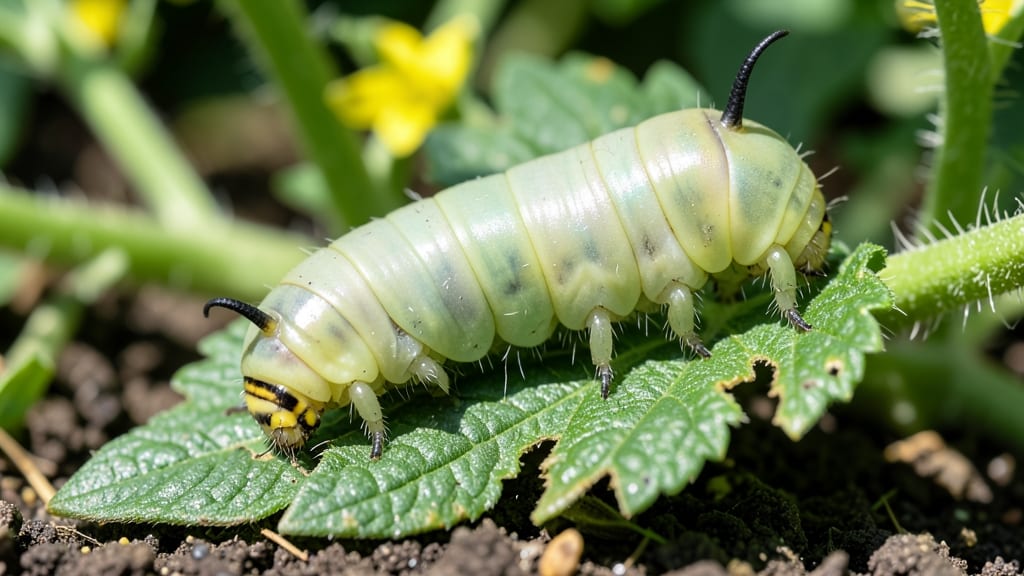
Tomato plant grubs can turn your thriving vines into a sad, chewed-up mess in days. 🌱 I’ve lost entire plants to these hidden pests—until I discovered neem oil’s secret weapon: a 24-hour barrier that smothers larvae before they cause real damage.
The key is timing and technique, not just spraying. Most gardeners miss the early signs: tiny holes in leaves, wilting at the base, or stems that snap like dry twigs. Cutworms and root maggots are the usual culprits, and they strike fast.
But neem oil’s active compounds disrupt their life cycle, cutting infestations off at the source. By morning, you’ll see fewer grubs crawling on your plants—and within a week, your tomatoes will rebound with stronger stems and healthier foliage. The best part?
This method works on existing infestations and prevents future ones. No more losing plants to silent, underground chewers. Let’s get your tomatoes back on track with a foolproof, organic solution that actually works.
Hidden Invaders Targeting Your Tomatoes
When those tiny, wriggly grubs start feasting on your tomato roots and stems, it’s rarely a random attack—these pests are drawn to specific conditions that make your plants look like an all-you-can-eat buffet.
Understanding why they show up is the first step to outsmarting them. Let’s break down the real reasons your tomato plants are becoming a larva hotspot.
Grubs, especially those from Japanese beetles or root maggots, thrive in soil that’s too soft, wet, and nutrient-packed. Here’s why:
- Excess nitrogen: Fertilizers high in nitrogen (like fresh manure or synthetic blends) make plants grow fast—but also attract egg-laying adults. Grubs see this as a signal: "Easy food source ahead!"
- Poor drainage: Waterlogged soil (from overwatering or clay-heavy ground) creates the perfect nursery. Grubs can’t survive in dry soil, but they love soggy conditions where roots are already stressed.
- Decaying organic matter: Compost piles or rotting plant debris near your tomatoes? Grubs will migrate toward the scent of decomposing material, which mimics their natural habitat.
Pro tip: 🌡️ Test your soil’s moisture by squeezing a handful—if it stays clumped, it’s too wet. Aim for damp but not soggy soil.
Most grubs start as adult beetles that lay eggs near your tomatoes—and they’re picky about where they drop them. These beetles (like the Colorado potato beetle or Mexican bean beetle) target plants with:
- Solitary growth: Isolated tomato plants are easier for beetles to spot and infest than crowded gardens. They prefer "easy access" to leaves and stems.
- Stressed or flowering plants: Beetles are drawn to tomatoes that are already struggling (from drought, disease, or poor soil). Weak plants = easier meals for grubs later.
- Nearby host plants: If your garden has eggplants, peppers, or potatoes, beetles may lay eggs there first—but grubs will migrate to tomatoes if they sense vulnerability.
Pro tip: ✨ Interplant tomatoes with basil, marigolds, or nasturtiums to disrupt beetle navigation. These plants mask tomato scents and confuse pests.
Grubs are cold-sensitive and need warmth to hatch and thrive. If your tomato patch has:
- Mulch piles or thick ground cover: Organic mulch (like straw or grass clippings) traps heat and moisture, creating a grub incubator at soil level.
- South-facing exposure: Gardens in full sun (especially in summer) can heat up soil to 80°F+—ideal for grub development. They hatch faster in warm soil.
- Compacted or tilled soil: Loose, aerated soil is harder for grubs to burrow into, but compacted or freshly tilled beds give them easy access to roots.
Pro tip: 🔥 Monitor soil temp with a thermometer—if it’s above 75°F for weeks, grubs are likely thriving. Reduce mulch thickness near stems to cool the soil.
Once you spot these patterns, you can reverse-engineer the problem. The next step? Turning these conditions into a grub-repellent zone—starting with a neem oil barrier. 🚫🐛
Quick Fixes for Tomato Plant Grubs
When you spot those pesky tomato plant grubs munching away on your hard-earned harvest, acting fast is key. These tiny invaders—often the larvae of beetles or flies—can wreak havoc in no time. But don’t panic!
With the right tools and techniques, you can banish them in 24 hours or less and keep your tomato plants thriving. Below, we’ve mapped out practical, proven solutions based on the root cause of your grub problem, plus tips to prevent future infestations.
If you catch the problem early, your hands (and a little patience) might be your best defense.
How to do it: 👨🍳 Check for grubs daily – Inspect the soil around the base of your tomato plants, especially after watering. Look for small, white or tan larvae (about ½ inch long) or their telltale chewed leaves. 🔪 Pluck them off – Use a pair of gloves or tweak them out with a butter knife. Drop them into a bucket of soapy water to kill them instantly. 🕷️ Set up beer traps – Grubs and adult beetles are attracted to yeast. Bury a shallow container (like a plastic cup) filled with beer near your plants. The grubs will crawl in and drown. Refresh the beer every 2–3 days.
Prevention tip: 💡 Mulch strategically – Use straw or grass clippings (not wood chips) as mulch. This deters adult beetles from laying eggs near your plants.
If you prefer chemical-free solutions, these homemade and botanical sprays create a protective shield around your tomatoes.
🍳 Neem Oil Barrier (Best for 24-Hour Action)
Neem oil doesn’t just repel grubs—it disrupts their life cycle by interfering with their ability to feed and reproduce.
How to apply:
- Mix 1 tbsp neem oil + 1 tsp mild liquid soap in 1 quart of water.
- Spray directly on the soil around the base of the plant (avoid overspraying leaves to prevent burning).
- Reapply every 5–7 days or after rain.
Pro tip: 🌡️ Apply in the evening – Neem oil works best in cooler temperatures and avoids harming beneficial insects like bees.
🥘 Diatomaceous Earth (DE) Dust (For Soil Dwellers)
DE is a non-toxic, powdery mineral that dehydrates grubs on contact. It’s safest for organic gardens but loses effectiveness when wet.
How to use:
- Sprinkle a thin layer (about ½ inch) around the base of the plant and the top 2 inches of soil.
- Gently water it in (lightly!) to help it stick.
- Reapply after rain or every 2 weeks.
⚠️ Caution: Avoid breathing in DE dust—wear a mask when applying.
If grubs are a recurring issue, introduce their natural predators to your garden ecosystem.
🐞 Beneficial Nematodes (Microscopic Allies)
These tiny worms (Heterorhabditis bacteriophora) hunt down grubs underground without harming plants.
How to apply:
- Buy nematodes online or at garden centers (look for brands like Nemex or Grow More).
- Mix them with water (follow package instructions) and apply in the early morning or late evening (they die in direct sunlight).
- Water the soil lightly to help them move deeper.
Best for: Heavy infestations or preventive treatment before planting.
🐸 Encourage Ground Beetles & Birds
- Plant native flowers (like marigolds or dill) to attract ground beetles, which eat grub eggs and larvae.
- Install a birdbath – Birds like robins and sparrows love snacking on grubs and beetles.
If you’re dealing with cutworms or beetle larvae, these low-tech tricks can save your plants overnight.
🍳 Collar Method (For Seedlings & Transplants)
Grubs often target young plants. A DIY collar keeps them at bay.
How to make it:
- Cut the bottom 2 inches off a plastic bottle (like a 2-liter soda bottle).
- Bury it 1–2 inches deep around the stem of your tomato plant.
- Grubs won’t crawl up the smooth plastic to reach the leaves.
🥘 Row Covers (For Adult Beetles)
If adult beetles (like flea beetles) are the issue, floating row covers can block their access.
How to use:
- Drape lightweight fabric over your tomato plants and secure with stakes or bricks.
- Remove covers when flowers appear to allow pollination (or hand-pollinate if needed).
If natural methods fail, selective insecticides can be a last resort. But use them wisely!
💊 Imidacloprid (Systemic Treatment)
This soil drench is absorbed by the plant, making the leaves toxic to grubs.
How to apply:
- Mix according to label instructions and water into the soil around the base.
- Wait 2–3 days before harvesting (check residue guidelines).
⚠️ Warning: Harmful to bees and beneficial insects—apply early in the morning when pollinators are least active.
🍳 Spinosad (Botanical Insecticide)
Derived from fermentation bacteria, spinosad is low-toxicity but effective against grubs.
How to spray:
- Mix with water and apply directly to the soil (not leaves).
- Reapply every 7–10 days as needed.
The best defense? A grub-free garden from the get-go. Here’s how:
✨ Rotate crops – Avoid planting tomatoes (or other nightshades like peppers) in the same spot yearly. 🎯 Interplant with repellents – Grow basil, garlic, or onions near tomatoes to deter beetles. 🔥 Solarize the soil – In hot climates, cover soil with clear plastic for 4–6 weeks to bake out grubs. 🌡️ Plant at the right time – Avoid early spring plantings when beetles are most active.
Opt for late spring/early summer.
Final thought: Most grub problems can be solved in a day with the right mix of neem oil, hand-picking, and barriers. Stay vigilant, and your tomato plants will reward you with juicy, pest-free fruit** all season! 🍅🚀
Frequently asked questions
What do tomato plant grubs look like?
Grubs affecting tomatoes vary by type, but most are small, soft-bodied larvae. Cutworms appear as green or brown caterpillars (up to 1.5 inches) that hide in soil during the day. Root maggots are white or tan, legless, and about ¼-inch long, while Japanese beetle grubs have a distinctive C-shaped body. Look for chewed stems, holes in leaves, or wilting plants as clues.
How long does it take for neem oil to work on grubs?
Neem oil creates a protective barrier that disrupts grubs' life cycle within 24 hours of application. For existing infestations, you may see fewer grubs after 3-5 days of consistent treatment. Reapply every 5-7 days or after rain to maintain effectiveness. The key is soil contact—focus on spraying around the base of plants.
Can I use coffee grounds to repel tomato grubs?
While coffee grounds can deter some pests, they're not effective against grubs like cutworms or root maggots. The caffeine may repel adult beetles slightly, but grubs live underground where coffee's effects don't reach. Instead, use diatomaceous earth or beneficial nematodes for better results. Save coffee grounds for compost or slug deterrence.
Will my tomato plants recover after grub damage?
Young plants may need 2-4 weeks to recover from moderate grub damage if treated early. Remove affected foliage and apply neem oil to stop further feeding. For severe cases, prune damaged stems and fertilize with low-nitrogen compost to rebuild strength. Plants typically rebound well if the root system remains intact. Monitor for new signs of pests during recovery.
Are there any grubs that actually help my tomato plants?
Yes! Beneficial nematodes (like Heterorhabditis bacteriophora) actively hunt and kill harmful grubs while leaving your plants unharmed. These microscopic worms are a natural solution that improves soil health. Other helpful allies include ground beetles and robins, which feed on grub eggs and larvae. Introducing these predators creates a balanced garden ecosystem.