
Planting
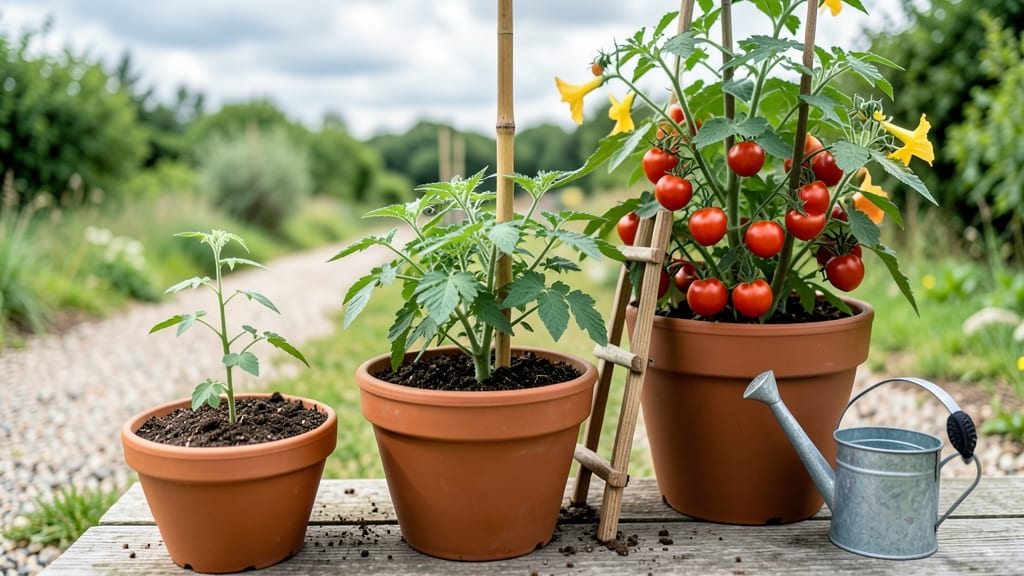
The right pot size for your tomato plant can mean the difference between a bountiful harvest and a struggling vine. 🌱 I learned this the hard way when my cherry tomatoes outgrew their 3-gallon pot and produced half the fruit.
The key is matching container size to variety—dwarf tomatoes need at least 5 gallons, while indeterminate types demand 10+ gallons to support their sprawling growth. Most gardeners overlook how pot material affects roots: fabric pots allow better airflow, terracotta wicks moisture, and plastic holds heat longer.
I now use 5-gallon fabric grow bags for my patio tomatoes—they drain well, prevent root circling, and fit neatly on my balcony. The secret is checking for drainage holes and upgrading pots as vines mature.
You'll know you've got it right when plants stay upright, leaves stay vibrant, and fruit sets consistently. Even in small spaces, proper sizing means you can grow full-sized tomatoes without sacrificing yield. The payoff? Fresh vine-ripened fruit all season, even in apartments or tiny yards.
For troubleshooting, watch for roots growing through drainage holes—that's your cue to repot. And if your tomatoes bolt early, it might be because the pot isn't insulating roots well enough. Here's how to get it perfect the first time.
📚 In This Guide
- What you need
- Instructions
- Tips and common mistakes
- Wrapping up and next steps
What you need
- ● Tomato plants: Choose compact or dwarf varieties (e.g., 'Tiny Tim,' 'Balcony Red,' or 'Micro Tom'). Quantity: 1–3 plants (depending on pot size).
- ● Containers: 5-gallon pots (minimum 12–18 inches deep) for bush varieties.
- ● 3–5 gallon pots (minimum 10–12 inches deep) for smaller varieties.
- ● Material: Plastic (lightweight), fabric (self-watering), or terracotta (breathable).
- ● Potting mix: High-quality, well-draining mix (avoid garden soil). Quantity: 1–2 bags (5–10 cubic feet). Pro tip: Mix in perlite or vermiculite (10–20%) for extra aeration! 💡
- ● Drainage: Drainage holes in pots (if not pre-drilled) + gravel or broken pottery (1–2 inches at the bottom).
- ● Fertilizer: Balanced, slow-release (10-10-10) or tomato-specific fertilizer. Quantity: 1–2 applications per season.
- ● Support: Cage, stake, or trellis (3–5 feet tall) for indeterminate varieties (even compact ones may need help!).
- ● Self-watering system: Wick or reservoir to reduce watering frequency (great for busy gardeners!).
- ● Mulch: Straw or shredded leaves to retain moisture and suppress weeds.
- ● Pruning shears: For trimming suckers and shaping plants.
- ● pH test kit: Ensure soil pH is 6.0–6.8 (tomatoes love slightly acidic soil!).
- ● Grow lights (if indoors): LED or fluorescent (12–16 hours/day) for optimal growth.
Step-by-Step guide to choosing the right pot size for compact tomato varieties
Here's how I select containers that keep patio tomatoes thriving without crowding roots.
🪴 Step 1: Determine Minimum Pot Size Based on Variety
Compact tomato varieties like 'Tiny Tim' or 'Micro Tom' need at least 5-gallon containers—that's roughly 12 inches deep and 12 inches wide. I always check the plant tag because some "bush" types (like 'Patio Princess') can handle 7-gallon pots without stunting. The key is root space: a 5-gallon pot gives 1 cubic foot of soil, which supports 12-18 inches of plant height.
For indeterminate types (even compact ones), go up to 7 gallons. You'll see roots circling the bottom of a 5-gallon pot by mid-summer if the variety outgrows its space. I test by gently removing a plant—if roots fill more than half the pot, it's time to upgrade.
☀️ Step 2: Prioritize Drainage and Container Material
Use containers with 4+ drainage holes—tomatoes hate soggy roots. Terra cotta pots work best because they breathe, but they dry out faster in hot sun. I line mine with a plastic nursery pot (for stability) and add 1 inch of gravel at the bottom before filling with soil. The gravel prevents clogged holes while still allowing water to escape.
Plastic containers hold moisture longer but risk root rot if overwatered. You'll know drainage is working when water runs freely from all holes within 10 minutes after watering. If it pools, the holes are too small or clogged with soil.
🌱 Step 3: Prepare Soil and Plant for Maximum Root Growth
Fill pots with a mix of 50% potting soil and 50% compost—this gives roots both structure and nutrients. I always add 1 cup of perlite per 5-gallon pot to prevent compaction. Press the soil down lightly after filling, but don't pack it. The goal is firm enough to support stems but loose enough for roots to spread.
Plant your tomato 1 inch deeper than its nursery pot—this encourages stronger root growth from the buried stem. Water deeply right after planting until water runs from the bottom holes. You'll see soil settle slightly, so top up with more mix if the roots are exposed.
💧 Step 4: Monitor Watering and Adjust as Plants Grow
Water when the top 2 inches of soil feel dry—stick your finger in to check. Compact varieties in small pots dry out faster than in-ground plants. I water in the morning so the soil has all day to dry slightly before evening. Overwatering is the #1 killer of container tomatoes—roots rot when they sit in wet soil for more than 24 hours.
As the plant grows, you'll notice leaves wilting by midday even with consistent watering. This means roots have outgrown the pot. Upgrade to a 7-gallon container immediately—waiting until the plant shows stress reduces recovery chances.
✂️ Step 5: Prune and Support for Compact Growth
Pinch off suckers (the small shoots in leaf axils) to direct energy to fruit production. I prune in the morning when stems are firm, using clean shears. For varieties like 'Tiny Tim', you can leave some suckers to encourage bushiness—but never let the plant exceed 2 feet tall in a 5-gallon pot.
Install a small tomato cage or stake at planting time. You'll see stems lean toward light if unsupported, which weakens the plant. A 4-foot tall cage fits perfectly in a 7-gallon pot and prevents sprawling. Secure the main stem to the cage with soft ties every 6-8 inches** to maintain upright growth.
Tips & tricks for perfect container growing of compact tomatoes
Let me share the insights I've gathered after years of growing compact tomato varieties in containers—these tricks will help you avoid common pitfalls and maximize your harvest.
Root Space Reality Check: That 5-gallon pot might seem big, but roots grow aggressively! After planting, gently press the soil around the base to encourage roots to spread outward rather than circling the bottom. I've seen roots completely fill a 5-gallon pot by mid-summer—this is your signal to upgrade to 7 gallons. The 1 cubic foot of soil in a 5-gallon pot supports about 12-18 inches of plant height, so if your 'Tiny Tim' reaches 2 feet, it's time to move up.
Drainage Test: Before planting, do this quick test: fill your container with water and time how long it takes to drain completely. It should empty within those 10 minutes mentioned in Step 2. If it pools, either your holes are too small or you need more of them. I've used a drill to add extra holes when needed—just make them 1/4 inch in diameter to prevent soil from washing out.
Soil Mix Secret: The 50/50 potting soil to compost ratio works wonders, but here's the pro move: add that 1 cup of perlite to every 5-gallon pot, then mix in 1/4 cup of worm castings. The castings give an extra nutrient boost without overwhelming the plant. I find this helps compensate for the limited soil volume in containers. Remember to press the soil lightly after filling—firm enough to support stems but loose enough for roots to penetrate easily.
Watering Wisdom: Those top 2 inches of dry soil are your guide, but here's what I've learned: in hot weather, compact varieties can dry out faster than the 24-hour window suggests. I check soil moisture twice daily during heatwaves. Also, watering in the morning gives the soil time to dry slightly before evening, reducing the risk of fungal issues that thrive in damp conditions. A moisture meter is worth the investment for container gardening.
Pro Tips for Tomato Plant Pot Size
- Let me share the insights I've gathered after years of growing compact tomato varieties in containers—these tricks wi...
- Root Space Reality Check: That 5-gallon pot might seem big, but roots grow aggressively! After planting, gently press...
- Drainage Test: Before planting, do this quick test: fill your container with water and time how long it takes to drai...
Frequently asked questions
Got questions about the perfect pot size for your tomato plant? You’re in the right place! Here are some of the most common queries—plus straightforward answers to help you grow thriving tomatoes, even in small spaces.
What’s the ideal pot size for a tomato plant?
A minimum 5-gallon pot works for compact varieties, but 7–10 gallons is ideal for better root growth and stability. Larger pots (15+ gallons) support indeterminate types or heavy fruit loads. Ensure pots have drainage holes to prevent soggy roots!
Can I grow tomatoes in small pots like 1-gallon containers?
While possible, 1-gallon pots are too restrictive for most tomatoes. They’ll struggle to support vines or produce heavy fruit. If you’re set on tiny pots, opt for bush varieties like ‘Tiny Tim’ or ‘Patio Princess’—but expect limited harvests. Upgrade to 3+ gallons for better results!
How often should I repot tomatoes as they grow?
Repot when roots circle the pot’s bottom or poke through drainage holes. For seedlings, move to 1-gallon pots first, then upgrade to 5+ gallons by transplanting. Timing matters: Do this in early spring before active growth begins to minimize stress.
What if my tomato plant outgrows its pot?
If roots are bound, repot immediately into a larger container with fresh potting mix. Prune lower leaves to reduce stress and water thoroughly. For a quick fix, place the pot in a wheelbarrow or fabric grow bag filled with soil to boost space temporarily.
Are there alternatives to traditional pots for small-space tomatoes?
Try fabric grow bags (5–10 gallons), hanging baskets (for cherry tomatoes), or vertical planters like wall-mounted pockets. Self-watering containers also help maintain moisture in tight spaces. Just ensure they’re at least 12 inches deep!
Wrapping up and next steps
Choosing the right tomato plant pot size for compact varieties is all about balancing space, drainage, and growth potential.
Whether you’re growing tiny tims or patio princesses, a 5-gallon container (or larger) ensures healthy roots and bountiful harvests—even in small spaces! 🌱 With the right setup, you’ll enjoy fresh, homegrown tomatoes without sacrificing your balcony or windowsill.
Ready to get started? Pick your favorite compact variety, grab a pot, and let the gardening adventure begin! For extra success, check out our guide on tomato care tips next.