
Planting
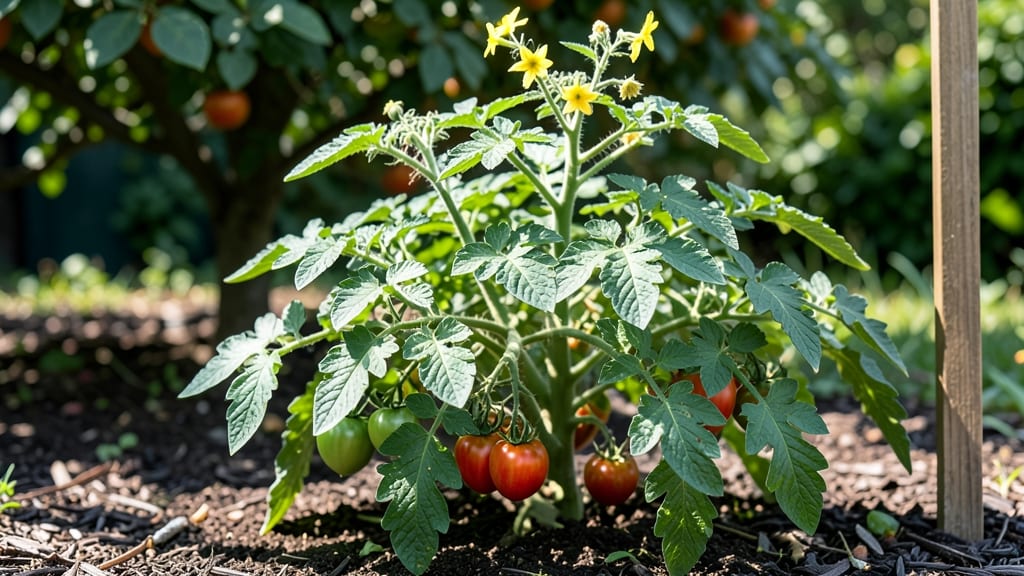
A strong tomato plant smell usually indicates overwatering, fungal decay, or pest problems like aphids. Address it by trimming damaged foliage, improving air circulation, and adjusting your watering schedule to restore freshness.
That funky odor isn't just unpleasant—it's your plant's distress signal. 🌱 Overwatering creates anaerobic soil conditions, while fungal decay releases sulfur compounds that smell like rotten eggs. Pests like aphids trigger ethylene gas production, making the stench even stronger. The good news?
These fixes work fast: prune affected areas to improve airflow, let the top inch of soil dry completely between waterings, and consider a light neem oil spray to deter pests. I've seen plants recover fully within a week when caught early!
For prevention, focus on soil health and proper spacing—crowded plants trap moisture and encourage fungal growth. Companion planting with basil or marigolds can also mask odors naturally while repelling pests. The key is acting quickly before the smell becomes permanent!
💡 In This Article
- What Causes That Pungent Tomato Plant Smell?
- Natural Remedies to Eliminate Tomato Plant Odors
What causes that pungent tomato plant smell?
The most common culprit behind that foul tomato plant odor is root rot, caused by overwatering or poor drainage. When soil stays too wet, beneficial aerobic bacteria can't thrive, and anaerobic microbes take over, producing hydrogen sulfide—a gas that smells like rotten eggs.
This happens because waterlogged soil cuts off oxygen to roots, triggering cellular breakdown and microbial feast. 🔥
Fungal decay plays a major role too. Pathogens like Phytophthora or Pythium release volatile organic compounds (VOCs) when they break down plant tissue. These compounds include dimethyl disulfide, which has a strong cabbage-like stench.
You'll notice this smell most when leaves turn yellow or brown and feel mushy to the touch. The odor intensifies in humid conditions because moisture speeds up fungal growth by up to 50%.
Pests like aphids and spider mites contribute through a different mechanism—plant stress. When these insects feed on sap, they trigger the release of ethylene gas, a natural plant hormone that signals distress.
Ethylene accelerates fruit ripening and leaf decay, creating a cycle where more ethylene means more decay and more odor. Aphid-infested plants can produce 3-5 times more ethylene than healthy ones.
Ethylene isn't the only stress compound at play. Damaged cells also release methyl jasmonate, which smells like green, unripe tomatoes. This chemical acts as a warning signal to other plants, but to us, it's just another layer of that unpleasant aroma.
The combination of fungal VOCs, ethylene, and methyl jasmonate creates that complex, pungent smell we notice.
Temperature matters here too. Warm soil (75-85°F) accelerates microbial activity, making odors worse. That's why you might notice the smell getting stronger on hot afternoons. The heat increases enzymatic activity in decaying tissue by up to 200%, releasing more volatile compounds into the air.
Finally, consider the plant's natural defenses. When tomatoes feel threatened, they produce glucosinolates—compounds that smell bitter and can contribute to that "off" aroma. While these are normally concentrated in the leaves, stress forces them into the air through leaf pores.
The result? That familiar funky smell that tells you something's seriously wrong.